Add $12.00 to get Free Gift



Most of us were never taught this. Nobody sat us down and explained that our bodies are literally built for this kind of release. And yet here we are, curious, ready, maybe a little impatient.
Squirting. Female ejaculation. Whatever you want to call it, it's real, it's physiological, and it's more accessible than the internet would have you believe. You don't need a special talent or a particularly accommodating partner. You need the right information, a relaxed body, and a little patience.
This guide gives you all three.
What Actually Happens When You Squirt
Here's what the science actually says. Squirting and female ejaculation are two related but distinct phenomena. Female ejaculation produces a small amount of milky fluid from the Skene's glands (sometimes called the "female prostate"), which contains prostate-specific antigen (PSA) and glucose. Squirting, on the other hand, produces a larger, clearer gush from the urethra, and its composition is chemically a hybrid of elements similar to both urine and ejaculate (Luria & Jannini, 2022, Frontiers in Urology). The volume can range from half an ounce to roughly three ounces.
This matters because a lot of people feel embarrassed or convinced they've "just peed." They haven't. Or at least, not entirely. The fluid is genuinely different from regular urine, and understanding that is the first step to relaxing enough to actually experience it.
Relaxation is everything here.
Setting the Scene: Why Your Environment Matters More Than You Think

Squirting requires a nervous system that feels safe. Anxiety is the number one block. Before you even think about technique, build an environment where your body can truly let go.
Put a towel or a waterproof blanket down on the bed. Seriously. The moment you stop worrying about making a mess, you remove one of the biggest psychological barriers. Your brain will spend less energy on "what if" and more on sensation.
Dim the lights. Put on music if that helps. Close the door. Give yourself actual uninterrupted time. This isn't a five-minute experiment. Budget 30-45 minutes minimum, especially the first few times.
Understanding the G-Spot: The Starting Point for Everything
The G-spot isn't a magical button. It's a region. Specifically, it's a spongy area of erectile tissue located on the anterior (front) wall of the vagina, roughly 2-3 inches inside, toward the belly button. When you're aroused, this tissue engorges with blood and becomes more textured and pronounced. That's the moment it becomes most responsive to stimulation.
Finding it solo is genuinely easier than most guides suggest. Insert one or two fingers, curl them upward in a "come hither" motion, and press gently toward your navel. You might feel a slightly ridged or spongy patch. That's it. That's your starting point.
Start gently.
Step-by-Step: How to Squirt on Your Own

Think of this less as a checklist and more as a conversation with your body. Each phase builds on the last.
Phase one is arousal. Don't skip this. Your body needs time to engorge the Skene's glands and G-spot tissue before G-spot stimulation feels like anything other than pressure. Use whatever works for you: fantasy, clitoral vibrators, touch, breath. Spend at least 10-15 minutes here. Most people rush this part and then wonder why nothing happens.
Phase two is clitoral stimulation layered with G-spot exploration. Once you're genuinely aroused, begin curling your fingers toward your front wall with a rhythmic come-hither motion. Keep clitoral stimulation going simultaneously if you can. The combination of both is where most people find the squirting response lives. Your body will start to signal you. A full, pressured sensation deep inside, almost like you need to pee. That feeling is a good sign, not a bad one.
Phase three is the hardest part. Push through the urge to stop.
When that "I need to pee" sensation hits, most people clench and pull back. That's the reflex that stops squirting before it starts. Instead, bear down gently, like you're pushing outward rather than holding in. Keep the stimulation going. Your pelvic floor has to release, not contract, for fluid to move through the urethra. Breathe out slowly. Let your body do what it's trying to do.
Bringing a Partner Into It
Squirting with a partner adds one beautiful advantage. They have two hands, and you have yours free too.
Ask your partner to use two fingers in a firm, rhythmic come-hither motion against your G-spot while you focus entirely on your own arousal and breath. Their other hand, or yours, handles clitoral stimulation. Communication is everything here. Too much pressure feels bruising. Too little feels like nothing. Direct them with specifics: "a little to the left," "slower," "right there, keep going."
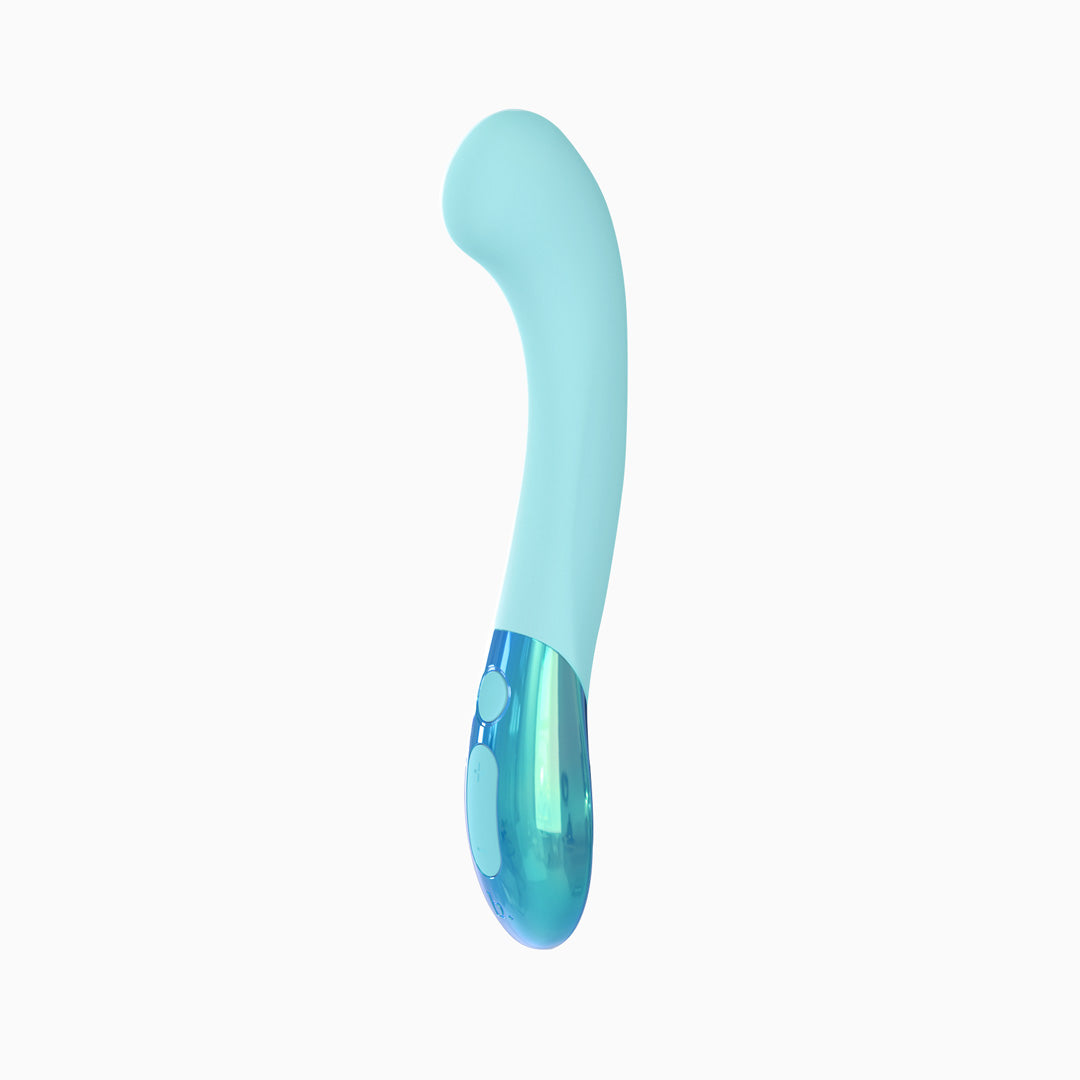
Couples toys can work beautifully in this scenario too, especially if one partner has limited hand strength or endurance. A curved G-spot vibrator takes the pressure off and lets both of you stay present in the experience. Speaking of which, the Gii Glow G-spot vibrator has a curved silicone tip designed specifically for this kind of anterior wall pressure.
Trust matters too. Squirting requires the kind of body surrender that only happens when you feel completely un-judged. If a partner reacts with excitement and encouragement, your nervous system gets the green light. If they react awkwardly, your body clams up. Be selective about who you explore this with.
Why It's Not Working (And What to Actually Try)

Not squirting the first time isn't failure. It's just data.
The most common blockers are arousal that was too low before G-spot stimulation began, pelvic floor tension from stress or muscle guarding, fear of urinating or making a mess, stimulation that was inconsistent or too light, and trying too hard to make it happen as a performance goal rather than an exploration. Every single one of these is fixable.
Pelvic floor tension is worth addressing specifically. People with overactive pelvic floors (very common after chronic stress, athletic training, or anxiety) often find G-spot stimulation uncomfortable rather than pleasurable. Pelvic floor physiotherapy is genuinely transformative for this. It's not a niche treatment. It's one of the most underused resources in sexual wellness. Some people who thought they "just couldn't squirt" found that after a few months of targeted pelvic floor work, everything shifted.
Also: hydration matters. Being well-hydrated means more fluid available in your body. Stay hydrated.
The Right Toys Actually Help
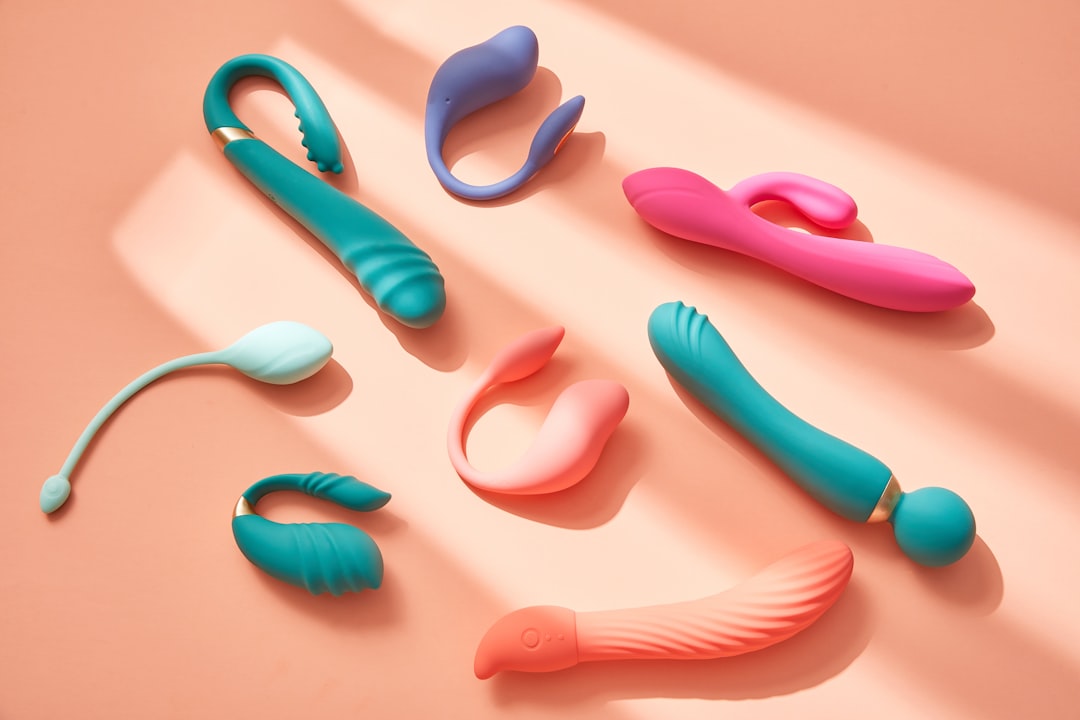
Hands are great. But they tire out, and consistency is key to the squirting response. A good toy sustains the exact rhythm and pressure your body needs without fatigue. If you're exploring solo, consider something with both clitoral and G-spot capability, or use a dedicated vibrator for women designed for internal use alongside separate clitoral stimulation.
The Berri tapping clitoral massager works particularly well during G-spot exploration because the rhythmic tapping sensation on the clit creates a complementary wave of stimulation that many people find tips them right over the edge. Keep your hands free for internal work and let the toy handle the outside.
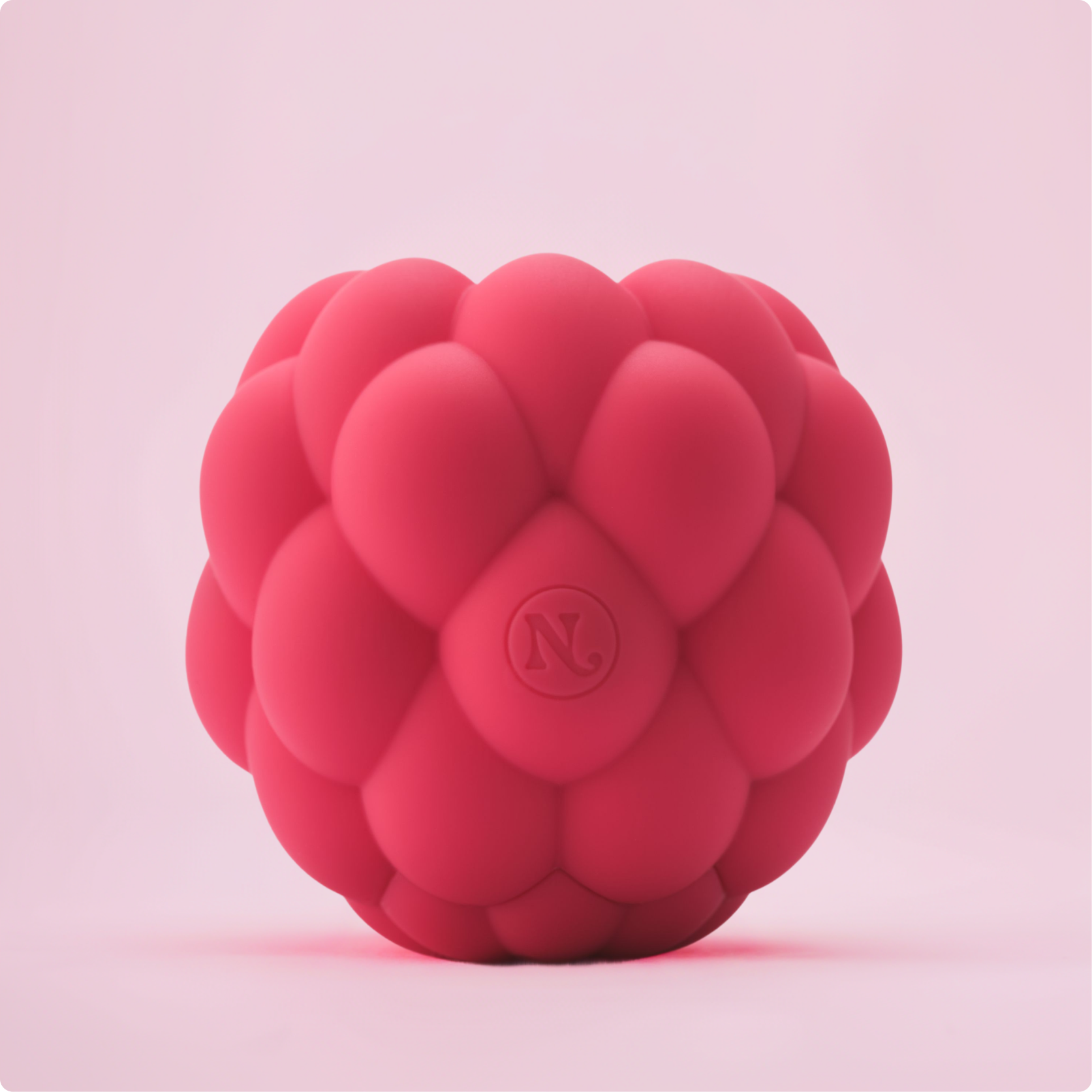
If you'd like to explore more options, browsing clitoral vibrators designed for layered stimulation is a great starting point. Your perfect pairing might be simpler than you think.
Let's Talk About the Emotional Side

Squirting, when it happens for the first time, can feel genuinely overwhelming. Not just physically. Emotionally.
Some people cry. Some people laugh. Some people feel a wave of release that has nothing to do with the physical sensation and everything to do with finally, fully letting go. That's not unusual. That's your nervous system exhaling. If you've spent years holding tension in your body, that first big release can carry a lot with it. Be gentle with yourself afterward. Aftercare matters here, the same way it does after any intense intimate experience. If you'd like to read more about that, our aftercare guide covers both the physical and emotional dimensions beautifully.
Your pleasure matters. This experience is yours.
Bottom Line
Squirting is physiologically possible for most people with a vulva. It's not a party trick, and it's not a myth. It's a body response that requires the right conditions: genuine arousal, a relaxed pelvic floor, consistent stimulation, and a brain that feels safe enough to let go. Give yourself those conditions, repeatedly if needed, and you're not failing if it takes time. You're learning. That learning is the whole point.
Want to make your journey even more exciting? I've handpicked some amazing toys and goodies at Hello Nancy that'll add extra sparkle to your intimate moments. (Here's a little secret, use 'dirtytalk' for 10% off!)
Frequently Asked Questions
Can everyone with a vulva learn how to squirt?
Most people with a vulva are anatomically capable of squirting, since the Skene's glands and urethral sponge are present in the majority of vulva-owners. However, the size and sensitivity of these structures varies, which means the intensity and volume of fluid differs from person to person. Some people squirt easily; others need more time, practice, or pelvic floor work.
Is squirting the same as urinating?
No. While squirt fluid does exit from the urethra and contains some components found in diluted urine, research shows it also contains prostate-specific antigen (PSA) and glucose from the Skene's glands. It is chemically distinct from regular urine. The sensation and context are also very different from normal urination.
How long does it take to squirt for the first time?
There's no universal timeline. Some people experience it their first session; others take weeks or months of exploration. The biggest factor isn't time. It's the quality of arousal, the level of relaxation, and consistent G-spot stimulation. Pressure to achieve it quickly often works against you.
What position makes squirting easier?
For solo exploration, lying on your back with a pillow under your hips tends to make G-spot access easier. With a partner, doggy style or a variation where penetration or fingers angle toward the front vaginal wall often works well. The key is angling stimulation toward the belly button, not straight in.
Do you need to orgasm to squirt?
Not necessarily. Some people squirt without a traditional orgasm, and others orgasm without squirting. They are related but separate responses. For many people, squirting happens alongside or just before orgasm, but it's possible to experience one without the other.
Why do I feel like I need to pee right before squirting?
That pressure sensation is completely normal. It happens because the G-spot area sits close to the bladder and urethra, so intense stimulation creates a feeling of fullness that mimics needing to urinate. This is actually a signal that your body is close to releasing fluid. Bearing down gently instead of clenching is the key to moving through it.
What toys help with squirting?
Curved G-spot vibrators that angle toward the front vaginal wall are the most useful. Pairing one with a clitoral stimulator dramatically increases the chances of a squirting response. The combination of internal G-spot pressure and external clitoral sensation is where most people find success.
Can a tight or overactive pelvic floor prevent squirting?
Yes, absolutely. A hypertonic (overactive) pelvic floor creates tension that makes it hard for the urethra to release fluid. People with this issue often find G-spot stimulation uncomfortable rather than pleasurable. Working with a pelvic floor physiotherapist can make a significant difference if standard techniques aren't working.
How do I talk to my partner about wanting to try squirting?
Keep it light and curious rather than goal-focused. Frame it as something you want to explore together, not a performance target either of you needs to achieve. Sharing an article like this one together is a genuinely low-pressure way to start the conversation. Curiosity is always a better opener than expectations.