Add $12.00 to get Free Gift



Something shifts the moment you close the lid and the world goes quiet. No light. No sound. Just you, floating on water so dense it holds you without effort. Home sensory deprivation is genuinely remarkable. It can go sideways fast if you skip the safety basics.
Let's talk about what that actually means.
What Is Home Sensory Deprivation, Really?

Sensory deprivation at home refers to recreating the experience of Restricted Environmental Stimulation Therapy outside of a professional float center. The core idea is simple: eliminate as much external sensory input as possible: light, sound, temperature contrast. Your nervous system gets to fully downregulate. Most people do this using a purchased float pod, a converted vessel, or a purpose-built wooden tank filled with water saturated in Epsom salt.
The water needs to stay at skin-receptor neutral temperature. That's roughly 34 to 35 degrees Celsius, or about 93 to 95 Fahrenheit. At that temperature, your skin stops registering where your body ends and the water begins.
Research published in the European Journal of Integrative Medicine found that float therapy increased originality, imagination, and intuition. A separate study noted that 37% of participants with generalized anxiety disorder reached full remission after a float treatment program (Feinstein et al., 2018). Those aren't small results. They're part of why so many people are trying to bring this experience home.
The Real Safety Risks of Floating at Home
Here's what most enthusiast blogs quietly skip over. The risks of home sensory deprivation aren't usually dramatic. They're quiet, cumulative, and easy to prevent once you know what to look for.
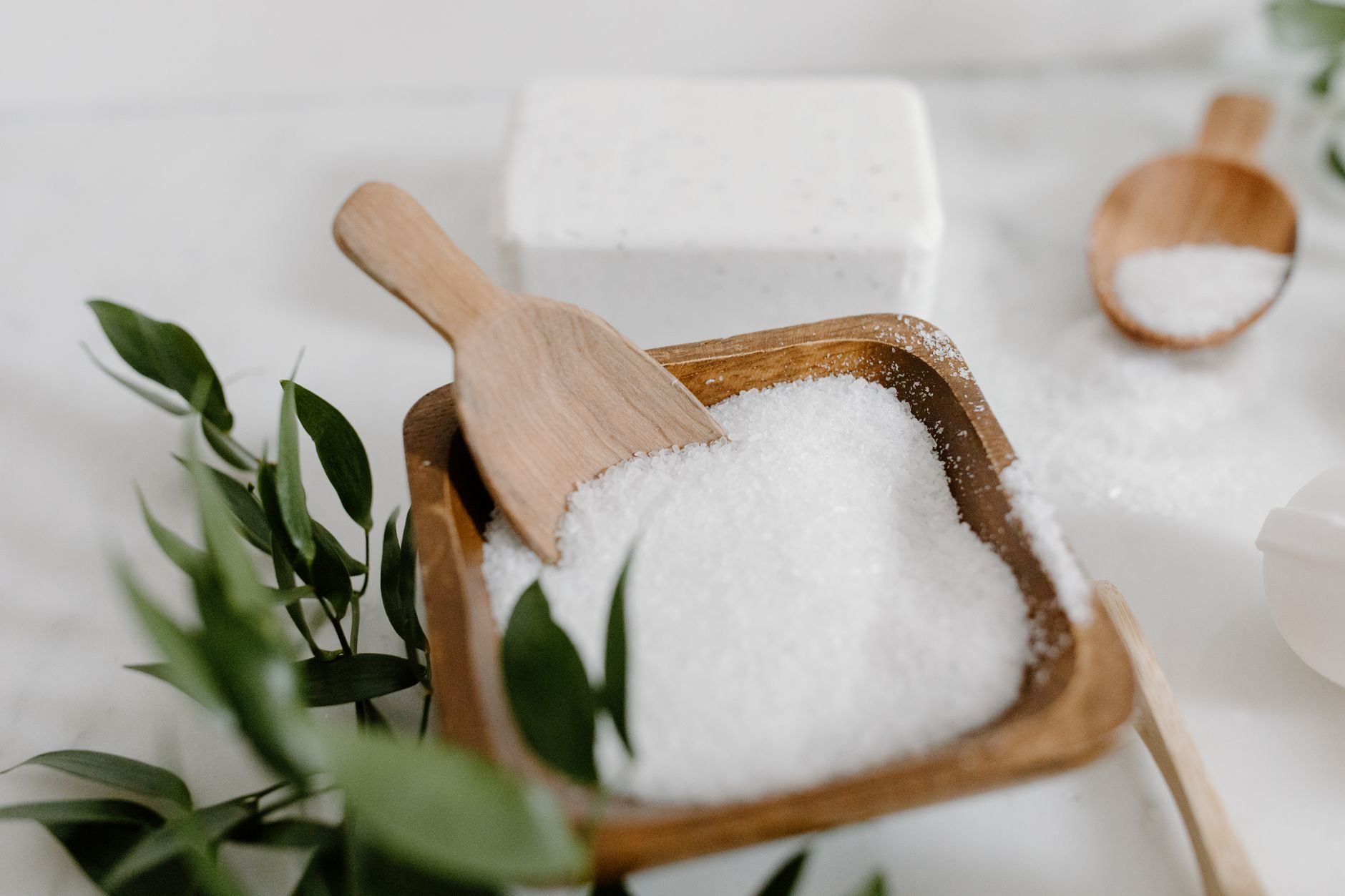
The number one physical risk is drowning from loss of consciousness. It sounds alarming, but the scenario is specific: people who float with untreated epilepsy, extreme sleep deprivation, or certain medications that cause sudden sedation are genuinely at risk. The Epsom salt keeps you buoyant, but it doesn't keep you awake. If you lose consciousness and your head tips sideways, the salt will absolutely sting your way back to awareness. That's not a safety plan anyone should rely on.
Skin and wound issues come next.
Open cuts, fresh tattoos, skin infections, or any broken skin will react badly to high-salt water. We're talking significant pain within seconds. Beyond discomfort, open wounds also introduce contamination into your tank water, which becomes a hygiene problem for every session after. The rule is blunt: if your skin isn't intact, you don't float.
Water temperature management is another underestimated concern. A tank that drifts too hot (above 36°C) can cause overheating, especially during a 90-minute session. Too cool, and muscle tension creeps back in, defeating the whole purpose. Without a reliable thermostat, you're guessing. Guessing wrong has real physiological consequences over time.
Who Should Not Float at Home
Some people simply should not attempt home sensory deprivation without explicit medical clearance. This includes anyone with epilepsy, low blood pressure that causes fainting, active psychosis or certain dissociative disorders, severe claustrophobia, open wounds or active skin infections, and anyone in their first trimester of pregnancy.
Not a complete medical list. Just the most important non-negotiables.
The psychological risks also deserve honest attention. For most people, floating is deeply relaxing. But for those with a history of trauma, dissociation, or panic disorder, the absence of external anchors can be destabilizing rather than restful. This isn't a reason to avoid floating forever. It's a reason to start slowly, with short sessions, and ideally with a professional therapist's input first.
Setting Up a Safe Home Float Environment

The foundation of any safe home setup is water quality. This is the part people underinvest in, and it's the part that creates the most real risk. Epsom salt (magnesium sulfate) is naturally antimicrobial at high concentrations, which gives people a false sense of security. High salinity reduces microbial growth but doesn't eliminate it entirely. You still need a filtration system and periodic disinfection between sessions.
A pool or spa circulation pump and UV filtration system are the baseline. Add a reliable waterproof thermometer or thermostat controller. Test your water's pH regularly. It should sit between 7.2 and 7.8.
Never float alone for your first several sessions. This isn't about having someone watch you float. It's about having someone nearby who can check on you, especially while you're learning how your body responds to extended REST. After a few sessions, you'll know your patterns well enough to solo float safely.
Good ventilation matters more than most people expect. A sealed, unventilated space with warm salt water creates significant humidity. Breathing dense, warm air for 60 to 90 minutes isn't comfortable. It can cause mild lightheadedness when you emerge. Keep airflow moving, even if it's just a quiet fan with the door cracked.
The Exit Protocol: Often Forgotten, Always Important
How you get out of the tank matters almost as much as what happens inside it.
After an extended float, your blood pressure drops and your proprioception (your sense of where your body is in space) gets genuinely fuzzy. Standing up quickly from a tank is how people get hurt. The protocol is simple: sit up slowly, stay seated for 30 seconds, stand with something to hold. Have a non-slip mat outside the tank, always.
Keep a water bottle nearby. The Epsom salt environment can pull moisture, and re-hydrating after a session speeds up how clearly you feel afterward. Give yourself at least 15 minutes of quiet transition time before driving or making big decisions. Your brain needs time to reorient.
Float Therapy and Intimacy: An Unexpected Connection
There's something genuinely interesting about what regular float therapy does to your relationship with your own body. Extended time in sensory deprivation reduces cortisol, increases body awareness, and often brings you back into your physical self in a way that daily life systematically unravels. Many people find that regular floating makes them more attuned to physical sensation in general. This naturally extends to intimate pleasure and self-connection.
It's not magic. It's just your nervous system getting a real reset.
For those exploring deeper embodiment practices, pairing float sessions with intentional self-exploration can be genuinely transformative. The heightened body awareness that floats create means your clitoral vibrators or other intimate toys may feel more nuanced and pleasurable afterward. Your sensitivity is literally turned up. That's not a sales pitch; that's just how a calmed nervous system works.
Sensory Deprivation With a Partner: Safety for Two
Sharing a float experience with someone isn't about both people fitting into one tank (that defeats the sensory deprivation element entirely). It's about one person floating while the other maintains safety awareness nearby. Think of it like being the sober driver. Present, calm, checking in at agreed intervals.
This works beautifully for couples who want to integrate float therapy into their intimacy rituals. One person floats, then the other. The person who floated first is softer, more open, more present. That transition into togetherness afterward can be remarkably connecting.
Communication before you float matters as much as anything else. Agree on a check-in signal: a knock on the tank or a timer alarm. That way the floating partner can signal they're okay without fully breaking the silence. Set a session time limit and stick to it on early sessions.
Maintenance and Long-Term Safety
A float tank is not a set-it-and-forget-it piece of equipment. The maintenance routine is what keeps it genuinely safe over months and years of use. After every float, run your filtration system for at least 15 minutes. Check and adjust pH. Inspect the tank walls and bottom for any biofilm buildup. It looks like a faint slippery residue and needs to be scrubbed before it establishes itself.
The Epsom salt solution will need occasional topping up as some evaporates or gets carried out on your body after sessions. Most home setups use a hydrometer to track salt density. You're aiming for the water to float an egg with ease, though a proper float requires far higher salinity than that simple test captures.
Replace your full water solution every six to twelve months depending on usage frequency. Think of it like changing the oil in a car. Skipping it doesn't break things immediately. It just quietly degrades everything over time.
Want to make your journey even more exciting? I've handpicked some amazing toys and goodies at Hello Nancy that'll add extra sparkle to your intimate moments. (Here's a little secret: use 'dirtytalk' for 10% off!)
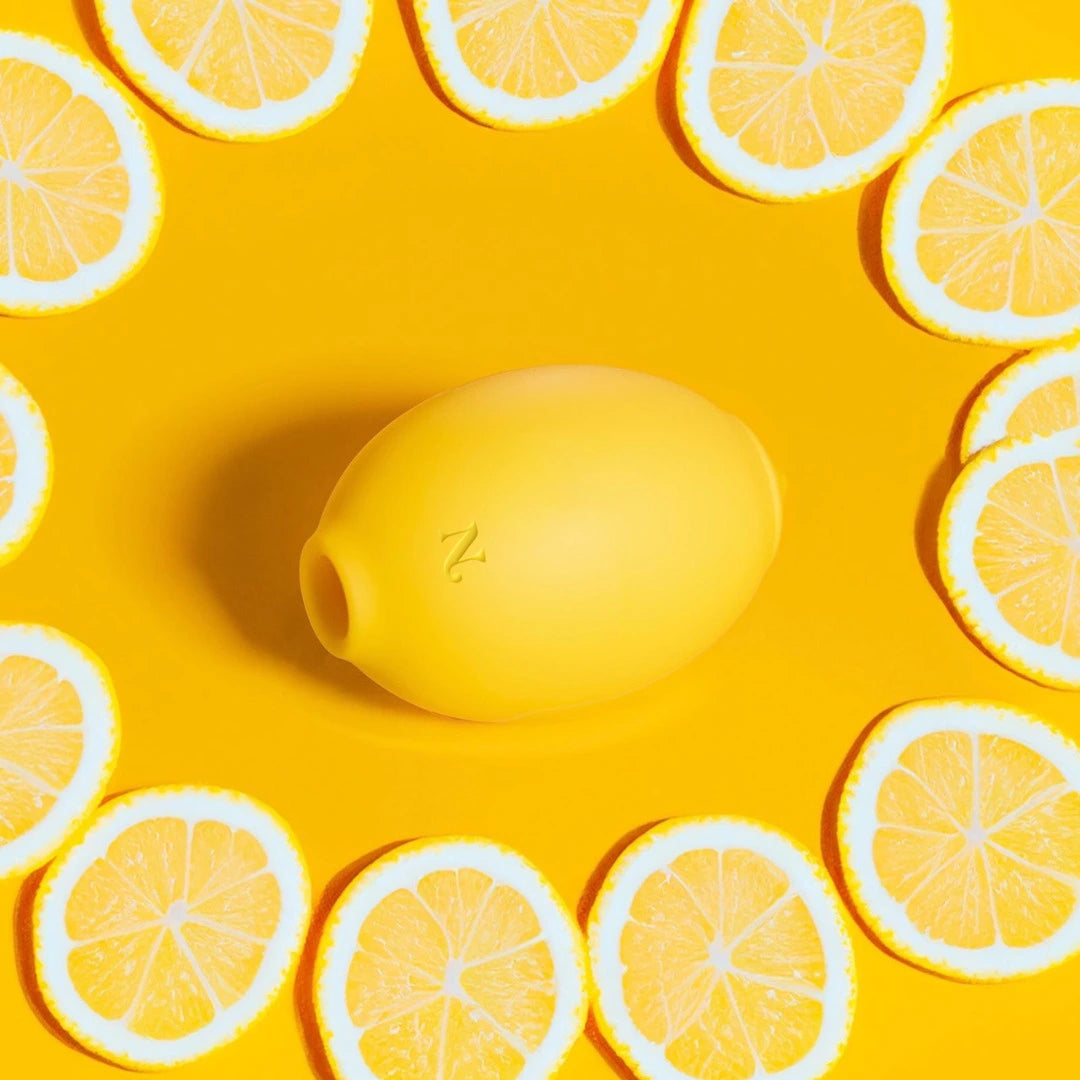
The Lem Clitoral Massager is a perfect companion for post-float self-care. When your nervous system is as calm and open as it gets after a float session, even gentle vibration feels remarkably vivid. It's the kind of pairing that makes both experiences richer.
Bottom Line
Home sensory deprivation is one of the most underrated tools for nervous system reset available to you right now. It's accessible, deeply effective, and genuinely transformative when done safely. The safety pieces aren't complicated. They're just specific.
Know your contraindications. Invest in proper water management. Never float alone at the start. Exit slowly. And give your freshly recalibrated brain the transition time it deserves.
Your body knows how to rest. You're just giving it the conditions to actually do it. That's the whole thing.
For more on deepening your relationship with your body and your partner, the Hello Nancy piece on how to orgasm is a genuinely useful read. It approaches embodiment with the same practical honesty this topic deserves.
Frequently Asked Questions
Is it safe to do sensory deprivation at home without professional supervision?
Yes, for most healthy adults. With the right precautions. You need proper water filtration, temperature control, a check-in system, and ideally someone nearby for your first few sessions. People with epilepsy, certain mental health conditions, or open wounds should seek medical clearance first.
Can you drown in a home float tank?
The extremely high salt concentration keeps you buoyant without effort. However, someone who loses consciousness could tip sideways, and the buoyancy alone is not a complete safety guarantee. People with conditions that cause sudden loss of consciousness, like uncontrolled epilepsy, should not float unsupervised.
How much Epsom salt do you need for a home sensory deprivation tank?
Home float tanks typically require between 150 and 300 kg of magnesium sulfate (Epsom salt) depending on tank size and water volume. The goal is a salt concentration dense enough that your body floats effortlessly without any swimming or paddling effort.
What temperature should a home float tank be?
The ideal temperature is skin-receptor neutral: approximately 34 to 35 degrees Celsius (93 to 95 degrees Fahrenheit). At this temperature, your skin stops registering the boundary between your body and the water, which is essential to the sensory deprivation effect.
How do you keep a home float tank clean and safe?
Run a filtration system (ideally UV-based) after every session, check and adjust pH to between 7.2 and 7.8, inspect for biofilm buildup regularly, and replace the full water solution every six to twelve months depending on frequency of use. High salt concentration reduces but does not eliminate microbial growth.
Can sensory deprivation tanks cause psychological distress?
For most people, floating is deeply calming. However, individuals with a history of panic disorder, trauma, or certain dissociative conditions may find the absence of external anchors destabilizing. Starting with short sessions and consulting a mental health professional first is strongly recommended for those groups.
How long should a beginner float session be at home?
Start with 30 to 45 minutes for your first one or two sessions. Once you understand how your body and mind respond, you can extend to 60 or 90 minutes. Avoid going straight to long sessions. The experience can be intense even when it feels calm on the surface.
Who should not use a home sensory deprivation tank?
People with uncontrolled epilepsy, active skin infections or open wounds, severe claustrophobia, low blood pressure that causes fainting, active psychosis, or those in the first trimester of pregnancy should avoid floating without explicit medical clearance. When in doubt, speak with your doctor first.
Does floating in a sensory deprivation tank increase body sensitivity?
Yes, and this is one of the most interesting effects. Extended REST sessions reduce cortisol and calm the nervous system, which many people report increases tactile sensitivity and body awareness for hours afterward. This makes post-float time an especially rich window for mindful self-care and intimate connection.