Add $12.00 to get Free Gift


Somebody handed you a strawberry-flavored lube and said "have fun." Nobody mentioned what it could do to your vaginal microbiome the next morning.
Flavored lubes are genuinely popular. They smell good, they taste good, they make oral play feel like a candy shop. But here's what the packaging quietly skips over: most flavored lubricants are not designed with your vagina in mind. They're designed for your mouth. And those are two very, very different environments.
This article is the warning that should have come in the box.
Why Your Vagina Has Strong Opinions About What Goes Inside It

Your vagina is not a neutral space. It's a finely tuned ecosystem with its own pH level, its own bacterial community, and its own defense system. The healthy vaginal pH sits between 3.8 and 4.5 — that's mildly acidic, and that acidity is doing a very important job. It keeps harmful bacteria and yeast from taking over.
Introduce something that disrupts that balance, and the whole system can spiral quickly.
Flavored lubes are almost always loaded with sugars, glycerin, and artificial flavorings. Those things taste amazing on skin. Inside the vagina, though, sugar is essentially food for yeast, and glycerin breaks down into sugar once it meets your body's natural environment. Research published in findings around vaginal lubricant osmolality confirms that hyperosmolar products. Products with high concentrations of glycerin and glycols. Can damage the vaginal epithelium and increase cellular shedding, making tissues more vulnerable to infection (Fichorova et al., 2016).
That's not a minor footnote. That's a real biological chain reaction.
The Sugar Problem: What's Actually in Flavored Lube
Most flavored lubricants get their taste from one of two sources: actual sugars like glucose or fructose, or sugar alcohols like glycerin (also listed as glycerol). Both sound harmless. Both behave very differently once they're inside you.
Glycerol is the sneaky one.
It's in almost every water-based flavored lube on the market because it's a humectant. It keeps the formula moist and slippery. But once glycerin metabolizes inside the vaginal environment, it converts into a form of sugar. That sugar feeds Candida, the yeast responsible for those maddeningly itchy yeast infections. So even lubes that technically don't list "sugar" as an ingredient can still trigger an overgrowth, because glycerin does the sugar's job for it.
Artificial flavoring agents add another layer of concern. Many contain compounds that can irritate already sensitive vaginal tissue, alter pH, or cause contact dermatitis in people who are prone to sensitivity. Not everyone will react. But for those who do, the inflammation can create tiny microtears that increase vulnerability to STIs and other infections.
The pH Factor: Why Balance Is Everything
A healthy vaginal pH isn't just a number on a lab report. It's what keeps bacterial vaginosis (BV) at bay. The moment vaginal pH rises above 4.5, the protective Lactobacillus bacteria start losing their grip, and less friendly organisms move in to fill the space.
Flavored lubes are typically formulated at a neutral or near-neutral pH to taste pleasant. That makes complete sense for oral use. For vaginal use, it means introducing a substance that is far less acidic than the environment it's entering.
Experts in pelvic and sexual health have consistently flagged this issue. As one gynecologist-reviewed source noted, "if the vaginal pH level reaches a six or seven, the entire bacterial balance of the vagina becomes compromised." Using a lube that isn't pH-matched to the vagina stacks the deck against your body's natural defenses. And flavored lubes, almost categorically, are not pH-matched.
Who Is Most at Risk
Not everyone who uses flavored lube vaginally will immediately develop a yeast infection or BV. Bodies are resilient, and individual microbiomes vary enormously. But some people are significantly more vulnerable, and knowing which category you fall into matters.
If you already get frequent yeast infections, you have a lower threshold for disruption. Your microbiome is already operating with less margin. Introducing glycerin or sugar-based ingredients can tip you over the edge faster than someone whose bacterial environment is more robust. The same goes for people managing hormonal fluctuations. During pregnancy, perimenopause, or certain points in the menstrual cycle, the vaginal environment is already shifting, and external irritants hit harder. Anyone who has recently taken antibiotics is also in a higher-risk window, since antibiotics reduce the Lactobacillus population that normally buffers against yeast overgrowth. Introducing sugar-feeding lubricants during this window is a particularly bad combination.
People with sensitive skin or a history of contact dermatitis should treat flavored lube with extra caution regardless of how or where they use it.
The Oral vs. Vaginal Distinction: A Line Worth Drawing
Here's the core principle that makes flavored lube make sense again, once you understand it: flavored lube is designed for external and oral use. It was never intended to go inside the vaginal canal.
Used during oral sex on a vulva? Generally fine. Tastes good, adds fun, wipes away. But the moment penetration is involved, you're introducing that formula into a space where pH, osmolality, and microbial balance are all doing critical work.
The practical rule is straightforward. Use flavored lube on external skin, on a toy before oral play, or during oral sex itself. Before any internal penetration, switch to a body-safe toy-compatible lubricant that is specifically formulated to be pH-balanced and glycerin-free. Keep two products on hand if flavored play is part of your regular rotation. It genuinely takes a moment to switch, and your vaginal health is worth that moment.
What to Use Instead (and What to Look for on the Label)
The good news is that safer alternatives exist, and they're not hard to find once you know what to look for. When you need internal lubrication, skip the candy-flavored options and reach for something designed with vaginal chemistry in mind.
Look for labels that say "glycerin-free" and "sugar-free" as the first filter. Beyond that, pH-matched water-based lubes. Those formulated around a 3.8 to 4.5 range. Are your best bet for internal use. They slide easily, they don't disrupt your microbiome, and many clitoral vibrators and internal toys are compatible with them. Avoid anything with parabens, propylene glycol in high concentrations, or artificial fragrances listed in the first five ingredients.
If you love couples toys and want to use lube together, a basic, unflavored water-based formula keeps things safe for everyone involved. Save the strawberry stuff for the moment before, not during.
Signs Your Lube May Have Already Caused a Problem
Sometimes the disruption has already happened before you connect the dots. A few days after using a flavored product vaginally, watch for itching, unusual discharge, a yeasty or fishy odor, or a burning sensation during urination. These are the classic calling cards of either a yeast infection or bacterial vaginosis.
Neither is dangerous in most cases, but both are uncomfortable and both deserve proper treatment. A yeast infection typically responds to over-the-counter antifungal treatments. BV usually needs a prescription antibiotic from a healthcare provider. If you experience recurring issues after using flavored lube, that pattern is useful information to bring to a gynecologist.
If you notice any genital irritation or tissue inflammation after using flavored lube externally, that's contact dermatitis, and it's worth noting for future product choices. Your body is giving you data. It's worth listening to.
A Note on "Natural" Flavored Lubes
Some brands market natural or organic flavored lubes and lean heavily on the idea that natural ingredients are automatically safer. This is worth interrogating. A lube made with organic cane sugar is still sugar. A formula using real fruit extracts still contains compounds that can disrupt vaginal pH. "Natural" doesn't mean "safe for internal vaginal use." The same rules apply regardless of how the ingredients are sourced.
Always check the glycerin content, the pH formulation, and whether the product is specifically labeled as safe for vaginal use. Marketing language like "all-natural," "vegan," or "organic" tells you about ingredient sourcing, not about how the formula interacts with your vaginal microbiome.
The Bigger Picture: Your Pleasure, Your Protection
None of this is meant to make you afraid of lubrication or of flavored play. Lube is genuinely wonderful. It makes sex more comfortable, more fun, and more pleasurable for a huge range of bodies. The goal here isn't to restrict your options. It's to hand you the information that should have been on the label in the first place.
You deserve pleasure that doesn't come with a side of a week-long yeast infection. You deserve to know what's going into your body and why it matters. And you absolutely deserve products that are designed with your whole health in mind, not just your tastebuds.
If you want to explore clitoral stimulation or any kind of pleasure with toys, pairing the right lube with the right toy makes everything better, safer, and more enjoyable. That's the whole point.
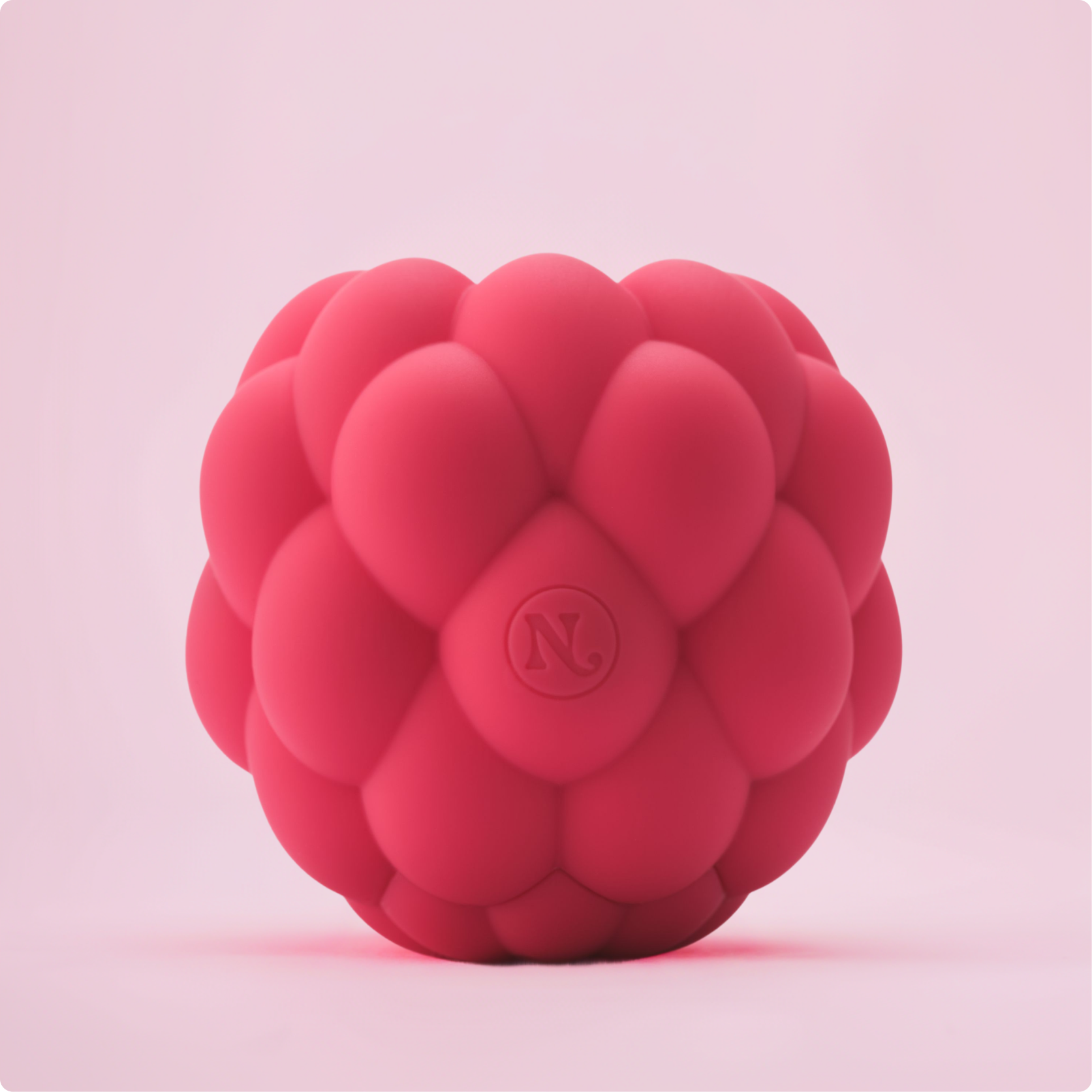
Products like the Berri edging clitoral massager are designed for external use and work beautifully alongside a pH-safe, unflavored water-based lube. That combination gives you all the sensation with none of the microbial drama.
Your pleasure matters. So does the health of your vaginal ecosystem. Luckily, you don't have to choose between the two. You just have to read the label a little more carefully than the industry would prefer.
Want to make your journey even more exciting? I've handpicked some amazing toys and goodies at Hello Nancy that'll add extra sparkle to your intimate moments. (Here's a little secret — use 'dirtytalk' for 10% off!)
Frequently Asked Questions
Is flavored lube safe to use vaginally?
Most flavored lubes are not safe for internal vaginal use. They contain sugars or glycerin that disrupt vaginal pH and feed yeast, increasing the risk of yeast infections and bacterial vaginosis. They're designed for oral and external use only.
Can flavored lube cause a yeast infection?
Yes. The sugars and glycerin in flavored lube can feed Candida, the yeast responsible for vaginal yeast infections. Glycerin in particular metabolizes into sugar inside the vaginal environment, making even "sugar-free" flavored lubes a potential trigger.
What ingredients in flavored lube should I avoid for vaginal use?
Avoid glycerin, glucose, fructose, artificial flavoring agents, propylene glycol in high concentrations, and parabens. These ingredients either directly disrupt vaginal pH or feed yeast growth when introduced into the vaginal canal.
Can I use flavored lube for oral sex on a vulva?
Generally yes, for external oral stimulation of the vulva. The concern is internal vaginal use, not external contact. Just ensure the lube is wiped away or switched to a pH-safe formula before any penetrative activity.
What is the safest lube to use internally in the vagina?
Look for glycerin-free, sugar-free, water-based lubricants that are pH-matched to the vagina (formulated between pH 3.8 and 4.5). Avoid artificial fragrances and high concentrations of glycols. These formulas support, rather than disrupt, your natural vaginal microbiome.
How quickly can flavored lube cause a yeast infection?
Symptoms can appear within 24 to 72 hours after exposure, depending on individual sensitivity and the existing state of your vaginal microbiome. People who are already prone to yeast infections may react faster than those with a more resilient bacterial environment.
Are natural or organic flavored lubes safer for vaginal use?
Not necessarily. Natural or organic ingredients can still disrupt vaginal pH and feed yeast. Organic cane sugar is still sugar. Always check whether the product is specifically formulated and labeled as safe for internal vaginal use, regardless of how the ingredients are sourced.
Can flavored lube cause bacterial vaginosis (BV)?
Yes. Flavored lubes that raise vaginal pH above 4.5 can disrupt the protective Lactobacillus bacteria that keep BV-causing organisms in check. Hyperosmolar lubricants. Those with high glycerin or glycol concentrations. Have been studied in connection with increased BV incidence.
What are the symptoms that flavored lube has irritated or infected my vagina?
Watch for itching, unusual discharge, a yeasty or fishy odor, burning during urination, or redness and swelling. These can indicate a yeast infection, bacterial vaginosis, or contact dermatitis. If symptoms persist beyond a few days, consult a healthcare provider.
Sources
- Is Flavoured Lube Edible? Yes, But Read This First | Condoms.uk
- STOP: The Glycerin Warning – Is Your Lube Ruining Your Microbiome? | Ubie Doctor's Note
- Lube can alter vaginal pH. Here's what to look for on the label - The Femedic
- Bacterial vaginosis incidence following a single hyperosmolal vaginal lubricant exposure: A comparison of two observational cohorts - PMC