Add $12.00 to get Free Gift



Most of us got a five-minute slideshow in health class, a diagram that looked vaguely threatening, and absolutely zero follow-up. Your body's been this intricate, fascinating thing all along. You just weren't given the right map.
This guide changes that. Think of it as the anatomy lesson you actually deserved.
The Vulva vs. the Vagina: Let's Clear This Up Once and For All

Here's a mix-up that still happens everywhere, from mainstream media to actual medical settings. The vagina is not the whole show.
The vulva is everything you can see from the outside. It includes the mons pubis (the soft, fatty mound above the pubic bone), the labia majora (the outer lips), the labia minora (the inner lips), the clitoral hood, the visible part of the clitoris, the urethral opening, the vaginal opening, and the perineum. The vagina itself is the internal muscular canal connecting the vaginal opening to the cervix. These are two genuinely different structures, and treating them as the same thing erases a lot of important anatomy.
The labia come in every shape, size, and color you can imagine. There is no "normal" here. Studies have shown that labia minora alone can range from under 1cm to over 5cm in length, and that variation is entirely healthy.
The Clitoris: The Actual Star of the Show
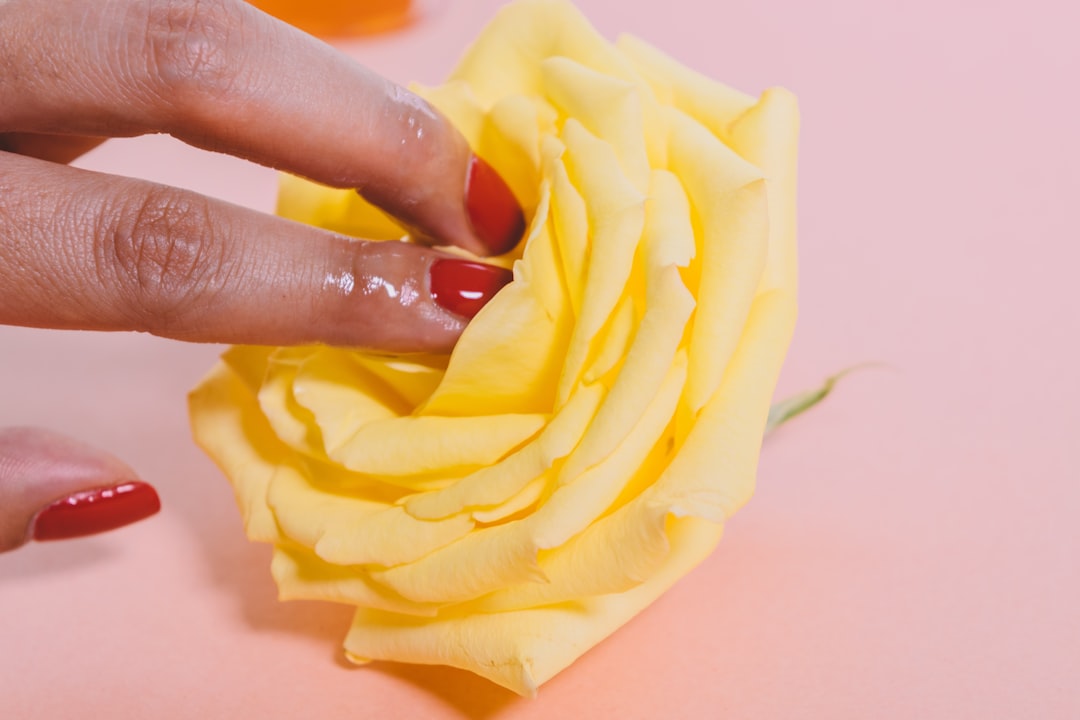
Here's the thing nobody puts in the textbooks: the clitoris is enormous.
What you see externally is just the glans, a small nub of tissue sitting at the top of the vulva, partially hidden under the clitoral hood. But internally, the clitoris is a wishbone-shaped structure that extends about 9 to 11 centimetres into the body. It wraps around the vaginal canal in two curved arms called the crura, and it has two additional bulbs, the vestibular bulbs, that sit on either side of the vaginal opening and fill with blood during arousal.
The entire structure is made of erectile tissue. It engorges, expands, and becomes significantly more sensitive when stimulated, just like a penis does, because embryologically they come from the same tissue. Helen O'Connell, a urologist and researcher, spent years mapping this full anatomy through dissection and MRI, essentially proving what had been overlooked for decades.
The glans clitoris alone contains roughly 8,000 nerve endings. That's more than any other structure in the human body, packed into a space roughly the size of a pea.
And yet it spent centuries being left out of anatomical diagrams entirely.
The Vaginal Canal and the Cervix: Inside Architecture

The vagina is a muscular, elastic tube, typically around 7 to 12 centimetres long when unaroused, capable of expanding significantly during arousal and childbirth. It has ridged walls called rugae, which allow that flexibility.
The vaginal walls themselves don't contain many nerve endings. Most of the sensation in the vaginal canal is concentrated in the outer third, closest to the vaginal opening. This is why penetration depth doesn't correlate with pleasure in the way popular culture tends to suggest.
At the far end of the vaginal canal sits the cervix, the lower portion of the uterus. It feels like a firm, rounded bump, sometimes compared to the tip of a nose. The cervix has a small opening called the os, which allows menstrual blood to flow out and sperm to enter. Some people find cervical stimulation pleasurable. Others find it uncomfortable. Both responses are completely normal and are influenced by where you are in your cycle, since the cervix shifts position and softness throughout the month.
The G-Spot: Real, But Probably Not What You Think
The G-spot conversation is genuinely complicated, and the science says so.
As of 2024, researchers largely agree that the G-spot is not a distinct anatomical structure. What we call the "G-spot" is most likely the internal roots of the clitoris pressing against the front wall of the vagina, particularly the crura and vestibular bulbs. When you stimulate that anterior vaginal wall, around 5 to 8 centimetres inside on the belly-button side, you're often indirectly stimulating the deep internal parts of the clitoris.
This reframing actually makes pleasure easier to understand, not harder. It explains why internal stimulation can feel dramatically better when you're already aroused (because the clitoral tissue has engorged and moved closer to the vaginal wall). It also explains why a quality vibrator designed for internal stimulation can feel so different depending on the moment.
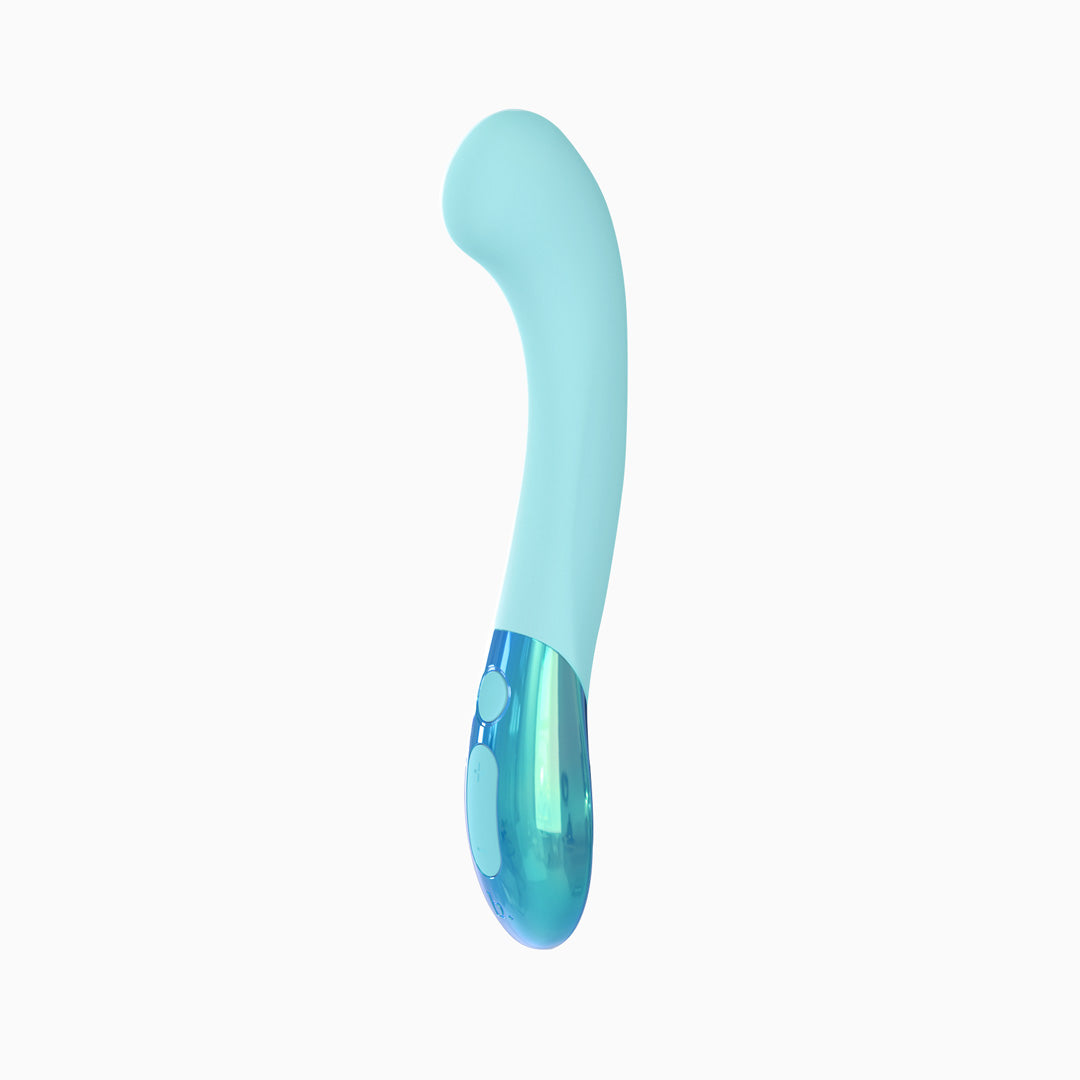
If you want to explore this area more intentionally, the Gii Glow G-spot vibrator from our Nancy x Biird collection has a curved design made exactly for this. It targets the anterior wall with precision, which makes all the difference.
The Uterus, Ovaries, and Fallopian Tubes: The Deeper System
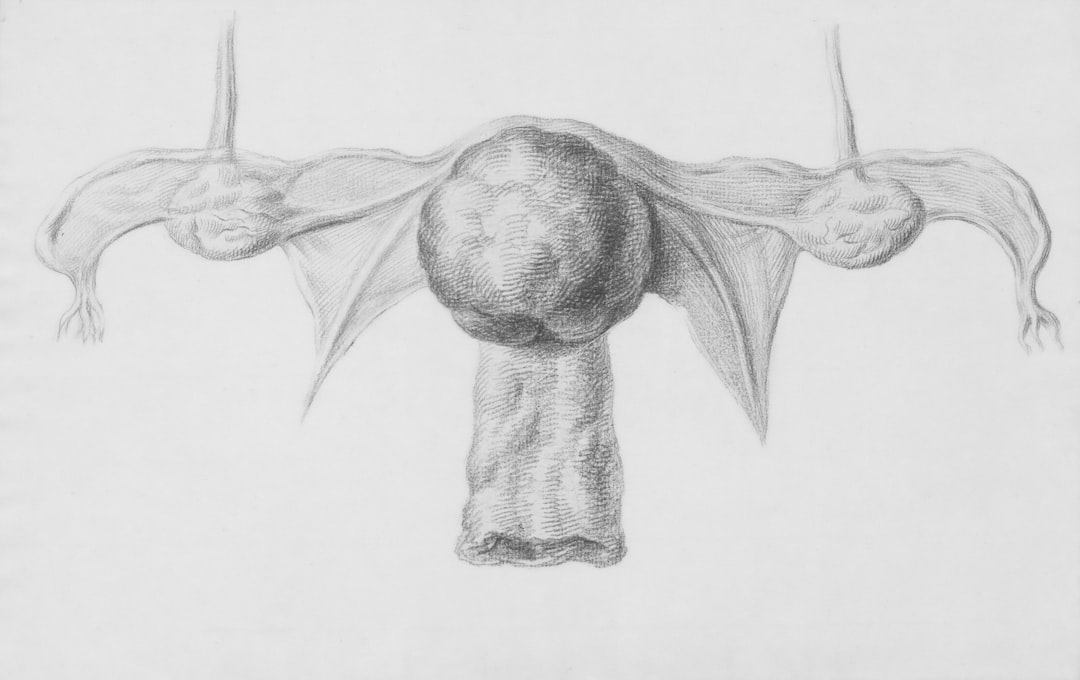
Beyond the vaginal canal lies the uterus, a thick-walled, pear-shaped muscular organ.
The uterus has three layers: the outer perimetrium, the thick muscular myometrium, and the inner endometrium, the lining that builds up and sheds each menstrual cycle. The uterus is not static. It shifts position throughout the month, can tilt forward (anteverted) or backward (retroverted), and contracts during orgasm, which is where those deep, pulsing sensations come from during climax.
On either side of the uterus sit the ovaries, small almond-shaped glands that produce eggs and hormones, primarily estrogen and progesterone. The fallopian tubes extend from the uterus toward each ovary, sweeping eggs toward the uterine cavity with tiny hair-like projections called cilia. Ovulation, the release of an egg, doesn't alternate perfectly between sides each month. It's genuinely random.
Arousal Anatomy: What's Actually Happening in Your Body

Sexual arousal is a full-body neurological event, not just a local one.
When arousal begins, whether through touch, thought, or sensation, the nervous system triggers increased blood flow to the genitals. The clitoris engorges and partially emerges from beneath its hood. The vestibular bulbs swell, making the vaginal opening feel fuller and the surrounding tissue more sensitive. The vaginal walls begin to "sweat", a process called vaginal transudation, where fluid seeps through the walls to provide lubrication. This is why arousal comes before lubrication, not the other way around. If you're not wet, it usually means you're not yet fully aroused, not that something is wrong with you.
The vaginal canal also lengthens and lifts in a process called tenting, creating space. This is why rushed penetration can feel uncomfortable even with lubrication present.
If you're curious about the full picture of what your body experiences during this process, our deep-dive on the physical signs of arousal you might not recognize covers all the details that usually get skipped.
The Pelvic Floor: The Foundation Nobody Talks About
Your pelvic floor is a hammock of muscles, ligaments, and connective tissue that holds the bladder, uterus, and rectum in place.
It also plays a massive role in sexual pleasure. The bulbocavernosus and ischiocavernosus muscles wrap around the clitoral roots and vaginal opening. They contract rhythmically during orgasm. Strong, flexible pelvic floor muscles are associated with more intense orgasms and better overall pelvic sensation. However, tight pelvic floor muscles, a condition called hypertonic pelvic floor, can cause pain during penetration, not a lack of relaxation or willingness. This is a real and treatable condition that pelvic physiotherapists specialize in.
Kegel exercises build pelvic floor strength. But releasing and lengthening those muscles matters just as much as contracting them.
Erogenous Zones Beyond the Genitals
The genitals are not the only game in town.
The skin is the body's largest sensory organ, and erogenous zones exist across the entire body. The inner thighs, the nape of the neck, the lower back, the nipples, the earlobes, the wrists, and even the back of the knees can all carry intense sensory signals depending on a person's individual nervous system. Nipple stimulation, for example, activates the same area of the brain's sensory cortex as genital stimulation, which explains why nipple orgasms are physiologically possible for some people.
A thorough exploration of this topic lives in our guide to the complete female erogenous zones map, which covers 15 spots most people skip entirely.
Clitoral Stimulation and Orgasm: What the Research Actually Says

Approximately 70 to 80 percent of people with vulvas require direct clitoral stimulation to reach orgasm, according to research by Debby Herbenick and colleagues (Herbenick et al., 2018, Journal of Sex & Marital Therapy). Penetration alone does not reliably produce orgasm for most people, and that is anatomy, not psychology.
The clitoris has three distinct nerve supplies: the dorsal nerve of the clitoris (a branch of the pudendal nerve), the cavernous nerves, and potentially the vagus nerve, which bypasses the spinal cord entirely. This multi-pathway innervation is why some people with spinal cord injuries can still experience orgasm. It's also why orgasms can feel so different from one experience to the next.
Exploring clitoral vibrators designed for this kind of layered stimulation is genuinely one of the most evidence-backed ways to understand your own response patterns. The Berri edging clitoral massager uses a tapping motion that mimics the kind of varied stimulation that research suggests is most effective at building arousal over time.
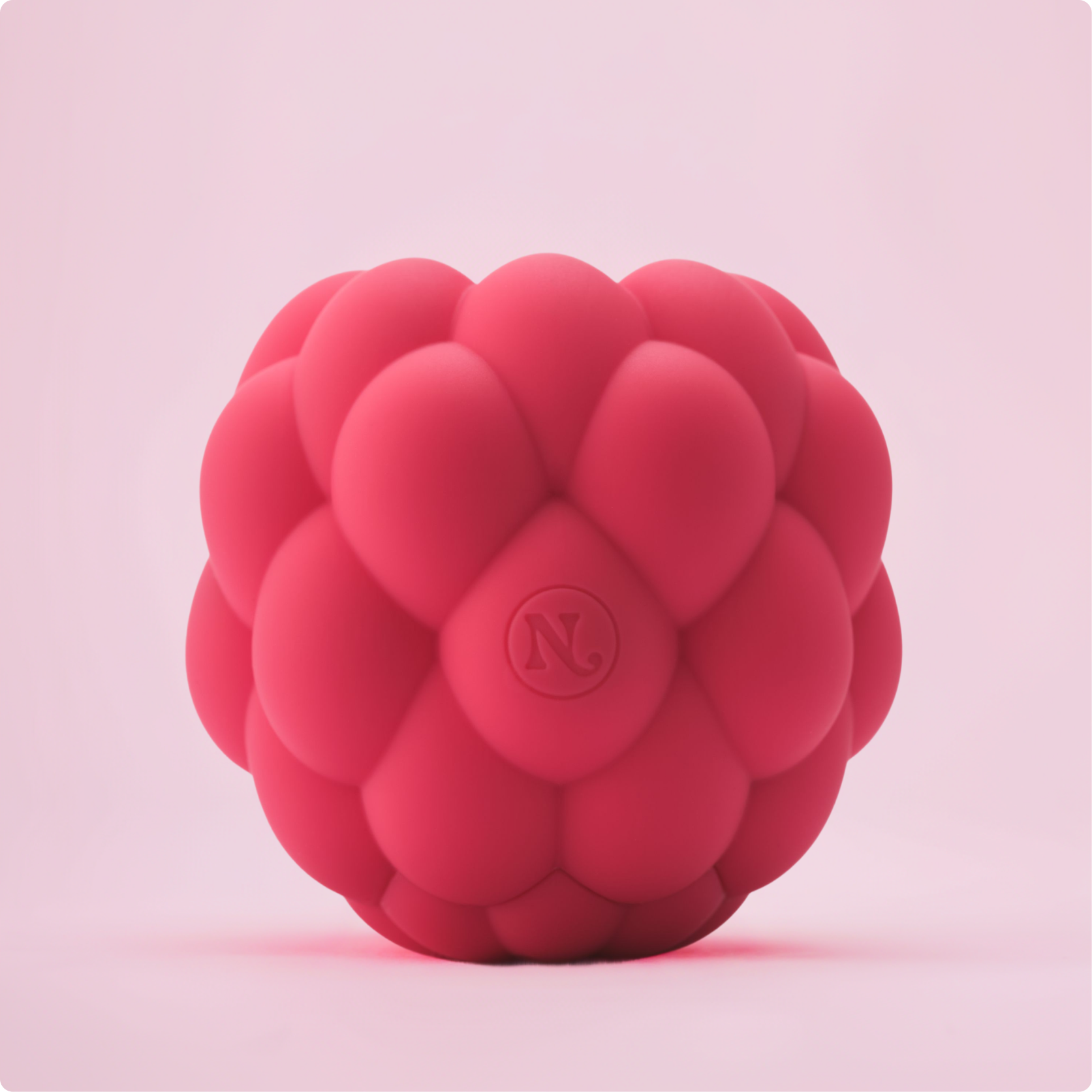
Blended orgasms, which combine clitoral and internal stimulation simultaneously, are considered by many researchers to be the most intense type. If you're curious about the mechanics, our full guide to blended orgasms and how to stimulate both the G-spot and clitoris is a good next read.
Wrapping Up
Your body is not a mystery to be solved. It's a system that makes complete, brilliant sense once someone takes the time to explain it properly. Understanding female sexual anatomy isn't just academic knowledge. It's how you advocate for yourself in medical settings, communicate with partners, and make sense of your own experiences.
You deserved this information years ago.
Want to make your journey even more exciting? I've handpicked some amazing toys and goodies at Hello Nancy that'll add extra sparkle to your intimate moments. (Here's a little secret, use 'dirtytalk' for 10% off!)
Frequently Asked Questions
What is the difference between the vulva and the vagina?
The vulva refers to all the external genital structures you can see, including the labia, clitoral hood, urethral opening, and vaginal opening. The vagina is the internal muscular canal connecting the vaginal opening to the cervix. They are two separate anatomical structures, and using the terms interchangeably is medically inaccurate.
How big is the full clitoris internally?
The full clitoral structure extends approximately 9 to 11 centimetres inside the body. It includes the visible glans, the shaft beneath the hood, two curved crura that wrap around the vaginal canal, and two vestibular bulbs that sit beside the vaginal opening. Most of this structure is completely internal and invisible from outside the body.
Is the G-spot a real anatomical structure?
As of current research (2024), most scientists agree the G-spot is not a distinct, separate anatomical structure. It is most likely the internal roots of the clitoris, specifically the crura and vestibular bulbs, being stimulated through the anterior vaginal wall. The sensation is real. The label is just anatomically imprecise.
Why does vaginal lubrication sometimes take time to appear?
Lubrication is produced through vaginal transudation, where fluid seeps through the vaginal walls in response to blood flow triggered by arousal. Arousal must come first. If lubrication is slow, it usually means the body simply needs more time or stimulation to fully arouse, not that something is physically wrong.
What percentage of people with vulvas need clitoral stimulation to orgasm?
Research suggests approximately 70 to 80 percent of people with vulvas require direct clitoral stimulation to reach orgasm. Penetration alone does not reliably produce orgasm for most people. This is a physiological fact based on how clitoral nerve pathways are structured, not a personal preference or psychological barrier.
What does the pelvic floor have to do with sexual pleasure?
The pelvic floor muscles wrap around the clitoral roots and the vaginal opening and contract rhythmically during orgasm. Strong, flexible pelvic floor muscles are associated with more intense orgasmic sensation. However, pelvic floors can also be too tight, which causes pain during penetration. Both strength and flexibility matter.
Where exactly is the cervix and can it be felt during sex?
The cervix sits at the far end of the vaginal canal and can be felt as a firm, rounded bump, often compared to the tip of a nose. It shifts position and softness throughout the menstrual cycle. Some people find cervical contact pleasurable during sex. Others find it uncomfortable or even painful. Both are normal responses.
Can nipple stimulation actually cause orgasm?
Yes, for some people. Nipple stimulation activates the same region of the brain's sensory cortex as genital stimulation, which is why nipple orgasms are physiologically possible. It varies significantly between individuals and depends on sensitivity, arousal state, and personal response patterns.
Does the size or shape of the labia affect sexual pleasure or function?
No. Labia come in enormous variety in size, shape, color, and symmetry, and none of these variations affect sexual function or pleasure. There is no anatomically "normal" appearance. The wide range seen in real bodies is simply the natural spectrum of human variation.