Add $12.00 to get Free Gift



Some things get normalized so quietly that by the time you notice, everyone around you is acting like it was always fine. Breath play is one of them. It isn't.
Let's be clear about what we're talking about. Breath play, also called erotic asphyxiation, involves deliberately restricting airflow or blood flow to the brain to heighten sexual arousal. It shows up in BDSM spaces, in casual hookup culture, and, increasingly, in mainstream bedroom conversations that really shouldn't be treating it as a casual topic.
This is not a kink-shaming piece.
What Breath Play Actually Does to Your Body

Your brain consumes around 20% of your body's oxygen supply despite being only 2% of your body weight. When oxygen is restricted, even briefly, neurons start dying within minutes. The brain doesn't issue warnings before that happens. It doesn't send a polite notification saying "hey, we're about to cross the point of no return." It just goes quiet.
Cardiac arrhythmia is another brutal reality here. Oxygen restriction can trigger an irregular heartbeat, and the terrifying part is that the arrhythmia can occur after the restriction ends. You release the pressure, you think everything's fine, and the heart can still slip into a fatal rhythm. There is no moment where a partner can swoop in and undo that.
Strangulation specifically damages the trachea and carotid arteries. Even pressure that feels "light" can tear the internal lining of a blood vessel, leading to a stroke hours or even days later. This is documented. It happens to real people.
The "I'll Be Careful" Myth
Here's where the conversation usually goes sideways. Someone says, "we're experienced," or "we always use a safe word." And I get it. The desire to believe that skill and trust can make something dangerous into something manageable is deeply human. But breath play doesn't respond to experience or consent signals.
A safe word requires the ability to speak.
When someone's airway is restricted, speaking is literally not possible. That's the entire premise of the act. So the traditional BDSM safety framework, built on communication, consent, and the ability to stop, collapses entirely the moment breath play enters the picture. Kinkchecklist.com summarizes it bluntly: this is "widely considered the highest-risk activity in BDSM, with no completely safe way to practice it."
Experienced practitioners die. That's not a hypothetical. Autoerotic asphyxiation is estimated to cause between 250 and 1,000 deaths per year in the United States alone (Healthline, citing public health data). That range is wide because many deaths are misclassified or go unreported. The real number may be higher.
Why It Feels Good (And Why That's the Problem)
Oxygen restriction causes a rush of carbon dioxide in the blood, triggering a light-headed, euphoric sensation. The body also releases adrenaline in response to perceived threat. Combined with sexual arousal, that cocktail of chemicals can feel electric.
But here's the thing your nervous system isn't telling you: that euphoria is your brain signaling distress. It's not pleasure. It's your body flooding itself with emergency chemicals because it thinks you might be dying. The "high" and the danger are the exact same event.
This is why the experience feels intense. And it's also why it's so hard to walk away from once someone has tried it. The neurochemical hit is real. The risk, however, doesn't decrease with repetition. It compounds.
The Normalization Problem
Pornography has made choking look routine. A casual neck grip during sex has become such a common trope that many people encounter it before they've ever had a conversation about what it actually does to the body. No one in those scenes explains that "light" pressure on the carotid arteries can cause a stroke. No one shows the aftermath.
This is genuinely alarming. Research into sexual behavior has repeatedly shown that media representations shape expectations, especially among younger adults exploring intimacy for the first time. When something dangerous is framed as normal, the instinct to question it gets suppressed.
If you've had a partner casually reach for your throat without asking, you're not alone. And it's okay to say no. Actually, it's necessary.
What to Do Instead: Pleasure Without the Risk
You deserve intensity. You deserve to feel fully present and alive in your body during sex. The good news is that none of that requires oxygen restriction.
Power dynamics, sensory deprivation, temperature play, orgasm control, dirty talk, restraint, and couples toys built for exploration can all create that elevated, adrenaline-tinged experience without putting anyone in the ICU. The arousal you're chasing from breath play is mostly about psychological tension and physical intensity. Both are absolutely achievable through safer routes.
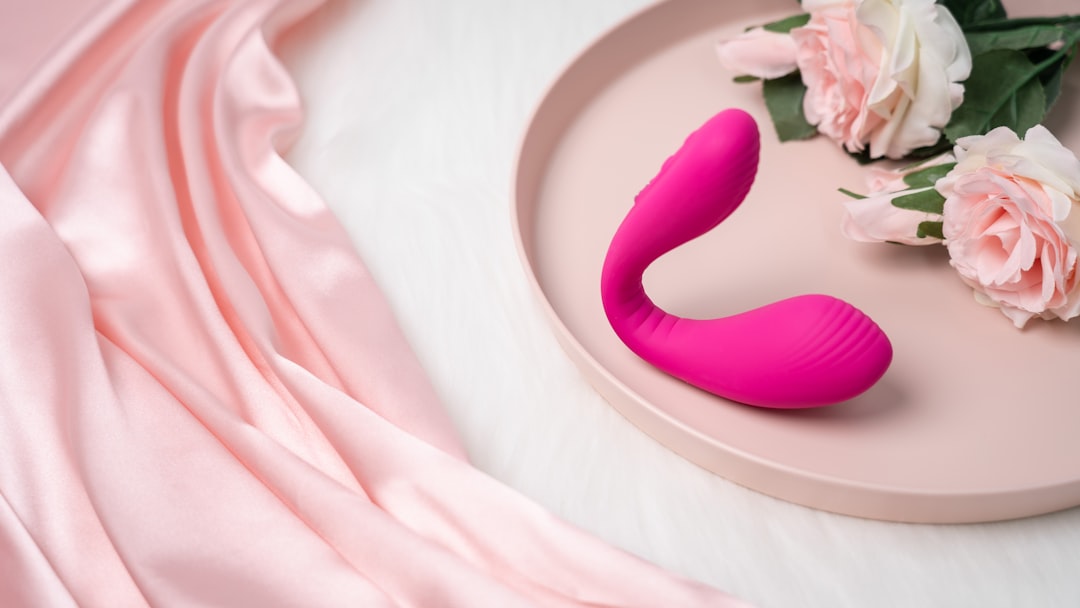
For clitoral stimulation that delivers genuinely intense sensation, clitoral vibrators like the Berri Edging Clitoral Massager are designed specifically to build tension and edge you toward overwhelming pleasure, which hits a lot of the same neurological notes without any of the danger. Edging, in particular, is a brilliant low-risk substitute for anyone drawn to the "teetering on the edge" appeal of breath play.

The Namii 2 clitoral suction toy also creates a hands-free, intense sensation that can easily be incorporated into dominant and submissive dynamics. Your partner controls the remote. You feel everything. Nobody's airway is involved.
If you're interested in the psychological side of power exchange, our guide on understanding human sexuality and desire goes deep on how to explore dominance and vulnerability in ways that keep everyone safe and present.
Talking to Your Partner About This
If your partner has suggested breath play, or if you've been doing it and want to stop, the conversation doesn't have to be awkward or accusatory. It can be honest and direct.
"I've been reading about what breath play actually does to the body and I'm not comfortable with the risk. I want us to find something just as intense that doesn't carry that danger." That's it. You don't need a medical degree to say it. You just need to mean it.
Partners who genuinely care about you will hear that. Partners who push back or minimize the risk are telling you something important about how they weigh your safety versus their preference. Pay attention to that.
For anyone navigating a relationship where communication around sex feels difficult, this relationship advice resource is a genuinely useful place to start.
Bottom Line
Breath play isn't edgy. It isn't brave. It's a neurological gamble with stakes that don't decrease no matter how much you trust your partner or how many times you've done it safely before. Janet Brito, a certified sex therapist, puts it plainly: "There is no way to practice breath play that is 100% safe." Not 90% safe. Not with precautions. Not with experience. Not ever.
Your pleasure matters too much to risk your life for it. And honestly? You don't have to. The range of vibrators for women and intimate toys for couples that can generate deeply intense, psychologically layered experiences has never been more expansive. The good stuff is all still on the table. Breath play just doesn't need to be on it.
Want to make your journey even more exciting? I've handpicked some amazing toys and goodies at Hello Nancy that'll add extra sparkle to your intimate moments. (Here's a little secret. Use 'dirtytalk' for 10% off!)
Frequently Asked Questions
Is breath play ever safe with a trusted partner?
No. Trust does not reduce the physiological risk. Cardiac arrhythmia can occur after restriction ends, and a safe word cannot be used when someone's airway is compromised. Even the most experienced practitioners have died during breath play.
What is the difference between breath play and erotic asphyxiation?
They refer to the same practice. Erotic asphyxiation is the clinical term; breath play is the more common informal term used in BDSM communities. Both involve deliberately restricting oxygen or blood flow to the brain for sexual arousal.
How many people die from breath play or autoerotic asphyxiation each year?
Estimates suggest between 250 and 1,000 deaths per year in the United States alone. The wide range exists because many deaths are misclassified or not reported as asphyxiation-related. The actual figure may be higher.
Why does breath play feel pleasurable if it's so dangerous?
Oxygen restriction triggers the release of adrenaline and causes a carbon dioxide buildup that produces light-headedness and euphoria. That sensation is actually your body's emergency stress response. The "high" and the danger are the same neurological event.
Can light choking during sex cause serious harm?
Yes. Even "light" pressure on the carotid arteries can tear the vessel's inner lining, which may lead to a stroke hours or days after the encounter. There is no safe threshold of pressure when it comes to neck compression.
What are safer alternatives to breath play for intense sexual experiences?
Edging, sensory deprivation, power dynamics, temperature play, and remote-controlled toys all create intense physical and psychological arousal without restricting oxygen. Edging in particular mimics the "teetering on the edge" sensation that draws people to breath play.
Why has choking during sex become so normalized?
Pornography frequently depicts choking without any context about its risks, making it appear routine. This normalization has been linked to increased prevalence of breath play in casual sexual encounters, particularly among younger adults who haven't had access to accurate sex education.
How do I tell my partner I don't want to try breath play?
Be direct and factual. You can say something like: "I've read about the real medical risks of breath play and I'm not comfortable with it. I'd love to explore other intense experiences together instead." You don't need to justify your boundary beyond that.
Does having a safe word make breath play safer?
No. A safe word requires the ability to speak, which is impossible when someone's airway is being restricted. The standard BDSM consent-and-communication framework breaks down entirely in the context of breath play, which is one of the core reasons it's considered uniquely dangerous even within BDSM communities.