Add $12.00 to get Free Gift


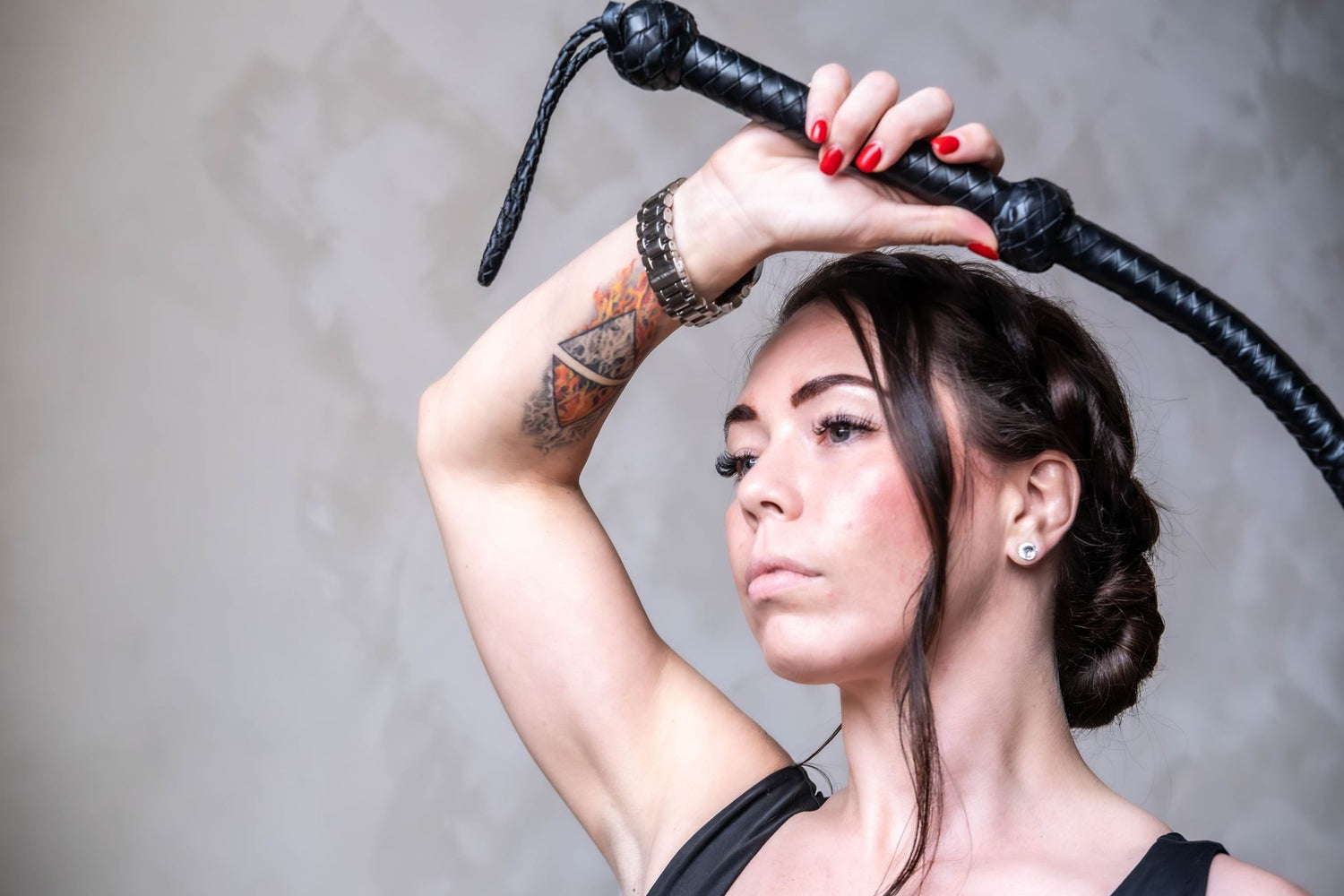
Somebody pulled you toward this. Maybe a partner mentioned it, maybe a late-night conversation went somewhere unexpected, or maybe you've quietly felt the pull for a while. However you got here, I want to say something important right away: wanting to be dominant doesn't make you dangerous. It makes you human.
What Does It Actually Mean to Be a Dom?

A Dom. a Dominant. is the person who takes the leading role in a power-exchange dynamic. That's the short version. But here's what most beginner guides skip entirely: being a Dom is not about being louder, pushier, or more aggressive than your partner. It's about holding space with intention. Dominance in a D/s (Dominance and Submission) relationship is a negotiated role, not a personality default you're born with or a permission slip to do whatever you want.
The D/s dynamic sits under the broader BDSM umbrella. BDSM covers Bondage/Discipline, Dominance/Submission, and Sadism/Masochism. Not every Dom is into all of it. Some Doms run entirely psychological scenes with zero physical restraint. Others are deeply into impact play. The range is genuinely vast, and you get to find your own corner of it.
What defines the Dom role across all of it is responsibility. You're the one steering. That means you're also the one who has to study the route.
Consent and Negotiation Come First. Full Stop.

Research from Dunkley and Brotto (2020) consistently identifies explicit negotiation, including safewords and the ability to withdraw consent at any moment, as what distinguishes consensual BDSM from harm. This isn't legal fine print. It's the foundation that makes the whole dynamic feel electric instead of terrifying.
Before any scene, before any dynamic even begins, you and your partner need to have an actual conversation. Not a flirty text. A real, unhurried discussion about what you both want, what's off the table completely, and what lives in the maybe pile. This process is called negotiation in the BDSM community, and it's not a buzzkill. Honestly, a thorough negotiation conversation can be one of the most intimate things two people do together.
Safewords are non-negotiable. The classic traffic-light system works beautifully: green means keep going, yellow means slow down or check in, red means stop completely, right now, no questions. Some people also use a signal instead of a word if verbal communication becomes difficult during a scene. Whatever system you choose, both of you need to know it cold before anything starts.
The Mindset Shift: Dominance Is a Service
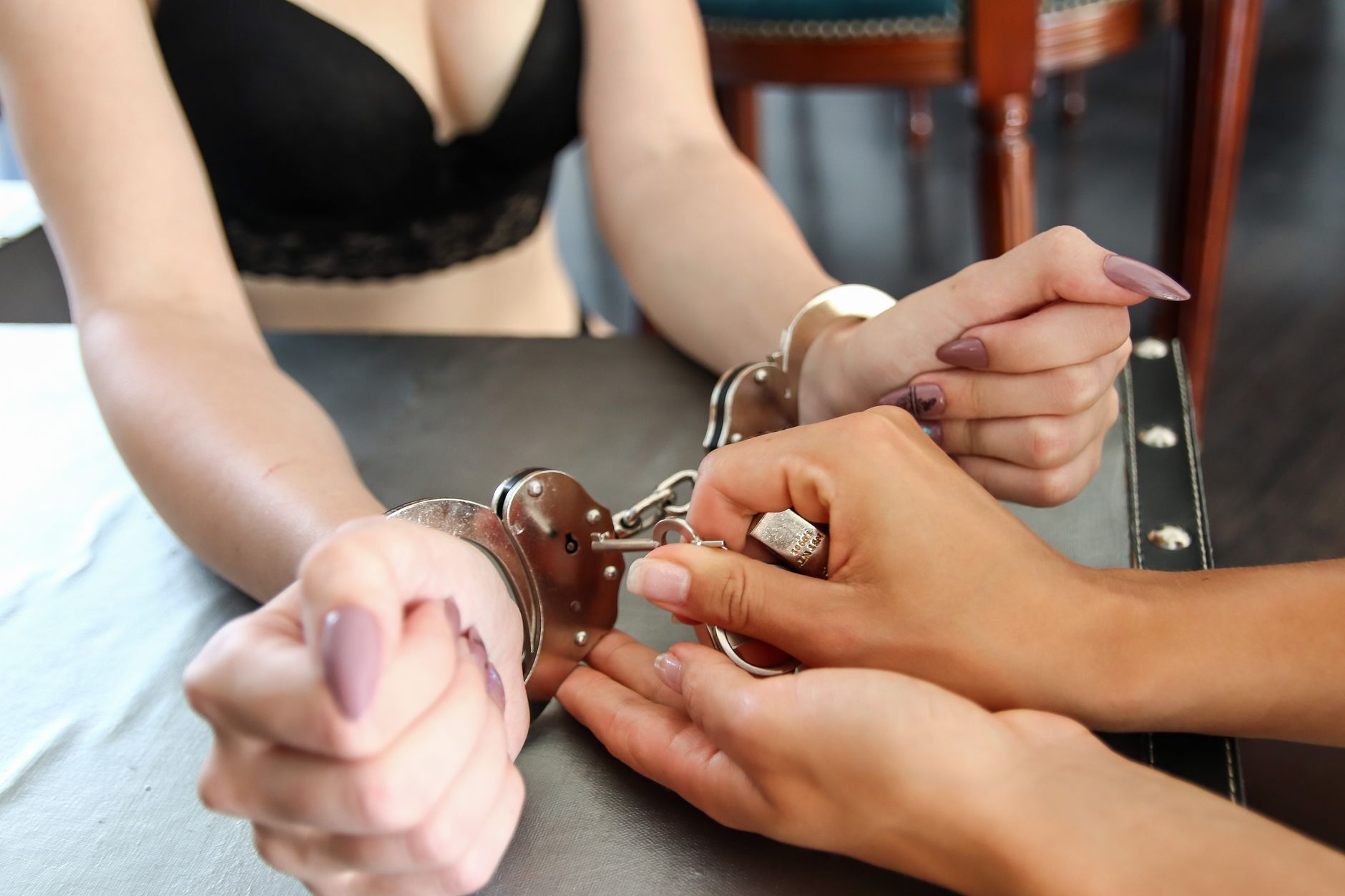
Here's the reframe that changes everything for new Doms. The person submitting is giving you something extraordinarily precious. They're trusting you with their body, their vulnerability, their deepest psychological triggers. Your job is to hold that with care.
There's a concept in BDSM communities called "the Dom's burden" and it's real. While the submissive partner often enters a deeply altered mental state (sometimes called subspace), the Dom stays present, aware, and actively reading the room. You're tracking their breathing, their body language, their verbal and non-verbal cues. You're managing the energy of the entire scene. That's not passive. That's skilled, attentive work.
This is why experienced practitioners say the sub holds the real power in a scene. They can stop everything with a single word. The Dom's power is only as real as the consent behind it.
Beginner Dom Skills Worth Actually Practicing

Voice and tone are your first tool. You don't need to shout or perform some exaggerated character. A calm, low, deliberate voice communicates authority far more effectively than volume. Practice speaking slowly and with intention. It sounds simple. It takes real effort.
Active listening is next, and most beginners underestimate how much it matters. Your partner will tell you everything you need to know if you're paying attention. Learn to read micro-expressions, subtle tension in the body, shifts in breathing. A Dom who listens well can anticipate a partner's needs before they're even articulated.
Learn the physical skills that interest you from qualified sources before using them on a partner. If you want to try bondage, take a workshop. If impact play interests you, practice technique on a pillow before anywhere near a person. The BDSM community has a strong culture of education for exactly this reason. Seek it out.
And read about the most common sexual fantasies your partners might bring to the table. Understanding desire psychology makes you a significantly better Dom.
Aftercare: The Part That Doms Often Skip (And Shouldn't)

Aftercare is what happens after a scene ends. Both partners often need it, not just the submissive. Adrenaline, endorphins, and intense emotional intimacy don't just switch off the moment a scene wraps.
For the person who submitted, aftercare might look like physical closeness, a warm blanket, water, gentle words, or simply being held quietly. For the Dom, something called "Dom drop" is real. It's a crash in mood or energy that can hit hours or even days after an intense scene, often accompanied by guilt, doubt, or emotional flatness. Knowing this is coming means you can prepare for it and not spiral into thinking something went wrong.
Good aftercare strengthens trust between partners in ways that extend far beyond the bedroom. It's not a bonus. It's part of the scene.
Building Your Dom Identity Over Time
There is no final form. No certification. No moment where you suddenly become a "real" Dom. Identity in this space evolves with every conversation, every scene, every honest reflection on what worked and what didn't. Some people find their Dom style is firm and structured. Others are warmer and more nurturing in their dominance. Both are completely valid.
Connect with community when you can. Munches (casual, non-play social events for the BDSM community) exist in most cities and online. Finding people who have done this longer than you is genuinely invaluable. And being honest about being new is always respected more than faking experience you don't have.
If you're exploring couples toys as part of your dynamic, options like remote-controlled or wearable vibrators can add a really fun layer to power play. The Pixie remote-controlled panty vibrator is a gorgeous example: the Dom controls the sensation entirely from their phone, creating a delicious power exchange that works beautifully in both private and semi-public settings.

For those interested in sensation play, exploring clitoral vibrators as tools the Dom controls adds another dimension of play. Toys with variable intensity let the Dom dictate pleasure in a very literal sense.
Common Mistakes New Doms Make
Skipping negotiation because it "kills the mood" is the most common one. It doesn't kill the mood. It kills trust. And once trust is gone, the dynamic collapses.
Another big one is performing dominance instead of inhabiting it. If you're playing a character rather than expressing something genuine, your partner will feel that inauthenticity immediately. Real dominance comes from groundedness, not theatrics.
New Doms also frequently forget that "no" is not a challenge to overcome. A limit is a limit. Pushing past a clearly stated boundary is not dominant. It's a violation. Full stop.
And finally, neglecting your own emotional wellbeing in service of the dynamic. You matter in this too. Your needs, your comfort levels, your limits all count. A Dom who burns themselves out trying to be a perfect authority figure for their partner isn't serving anyone well. Sustainable dynamics are built on mutual respect, not one person carrying everything.
Finding Your Footing Without Rushing It
Start small. Start with conversations. Start with a single element of power exchange rather than a full scene. Maybe it's as simple as your partner agreeing to follow one instruction per evening. Maybe it's practicing the voice and tone you want to develop. Maybe it's just reading everything you can get your hands on.
Check out resources on relationship standards you shouldn't compromise because the non-negotiables in a D/s dynamic are fundamentally the same as in any healthy relationship. Communication, honesty, mutual respect. Those don't disappear just because someone is calling you "Sir" or "Mistress."
The best Doms I've seen described are not the most dramatic or the most intimidating. They're the most present. The most prepared. The ones who took the time to actually learn what they were doing before asking someone to trust them with their vulnerability. That's who you can be. And you already care enough to be here reading this. That's a genuinely good start.
Want to make your journey even more exciting? I've handpicked some amazing toys and goodies at Hello Nancy that'll add extra sparkle to your intimate moments. (Here's a little secret. use 'dirtytalk' for 10% off!)
Frequently Asked Questions
How do I know if being a Dom is right for me?
If you find yourself naturally drawn to taking charge, setting structure, or caring for a partner through guidance rather than passivity, the Dom role might resonate with you. The best way to know is honest conversation with a willing partner and some low-stakes experimentation. You don't need to be certain before you start exploring.
Do I have to be strict or scary to be a Dom?
Not at all. Dominance has a huge range of expressions. Some Doms are nurturing and warm (sometimes called "Daddy Dom" or "Mommy Dom" archetypes), others are more formal and protocol-driven. What matters is that your style is authentic to you and consensually agreed upon with your partner.
What is a safeword and how do I set one up?
A safeword is a pre-agreed word or signal that immediately pauses or stops a scene. The most popular system uses traffic-light colors: green (all good), yellow (slow down or check in), red (stop completely). Choose your system before any scene begins and make sure both partners know it without hesitation.
What is Dom drop and how do I deal with it?
Dom drop is an emotional low that can hit after an intense scene, sometimes hours or days later. It often feels like guilt, exhaustion, or emotional flatness as adrenaline and endorphins subside. Knowing it's coming helps. Build in aftercare for yourself too, including rest, comfort food, gentle contact, and checking in with your partner the next day.
How do I bring up wanting to be dominant with my partner?
Outside of any sexual moment, bring it up as a conversation about curiosity, not a demand. Something like "I've been thinking about exploring some power dynamics with you. I'm curious if that's something you'd want to talk about." Keep it low-pressure, listen to their response, and go from there together.
Is BDSM dominance safe for beginners with no experience?
Yes, when approached carefully. Start with psychological or light power exchange before introducing physical elements. Educate yourself on any techniques before trying them. The BDSM community's guiding principle is "Safe, Sane, and Consensual" (SSC). Following it from the start keeps everyone protected.
Can I switch between Dom and sub roles?
Absolutely. People who enjoy both roles are called switches, and it's a completely valid and common identity in the BDSM community. Many people find that experiencing submission makes them significantly better Doms because it builds genuine empathy for the submissive experience.
How do I find BDSM community events and resources as a beginner Dom?
Search for munches in your city. These are casual, clothed, non-play social events for BDSM community members and they're beginner-friendly by design. Online communities on platforms like FetLife also have forums, educational resources, and local event listings. Being upfront about being new is always welcomed.
What's the difference between a Dom and a top in BDSM?
A top is someone who performs an action during a scene (like giving sensation or restraint), while a Dom takes on the overarching authority role in a power-exchange dynamic, which can extend beyond individual scenes into the broader relationship structure. All Doms are tops in a sense, but not all tops are Doms.