Add $12.00 to get Free Gift



Somebody had to say it. Most of the discomfort, the awkward stops, the "wait, that's not working" moments in anal sex come down to positioning. Not anatomy. Not bad luck.
Positioning is the part nobody's taught us properly.
Here's the honest truth: the difference between anal sex that feels genuinely good and anal sex that makes you want to never try again often comes down to five or ten degrees of angle, a pillow under the hips, or one partner slowing way, way down. The mechanics matter just as much as the mindset. So let's go through the seven most common anal sex position mistakes. and more importantly, what to actually do instead.
Mistake #1: Going Straight to Full Penetration Without Any Warmup

This is the number one way to guarantee the experience won't be enjoyable. The anal sphincter is a ring of muscle that naturally tightens when something approaches it. That's just biology doing its job.
Rushing straight to penetration without any preparation is like trying to sprint before you've stretched. You're asking the body to do something it hasn't been eased into yet. The solution is foreplay that specifically targets that area. fingers first, then a small toy, then gradually working up. Many people find that using a tapping clitoral massager during warmup helps the whole pelvic floor relax, which makes a real difference for the receiving partner.
Patience here isn't just kindness. It's the actual technique.
Mistake #2: Skipping Lube or Using the Wrong Kind
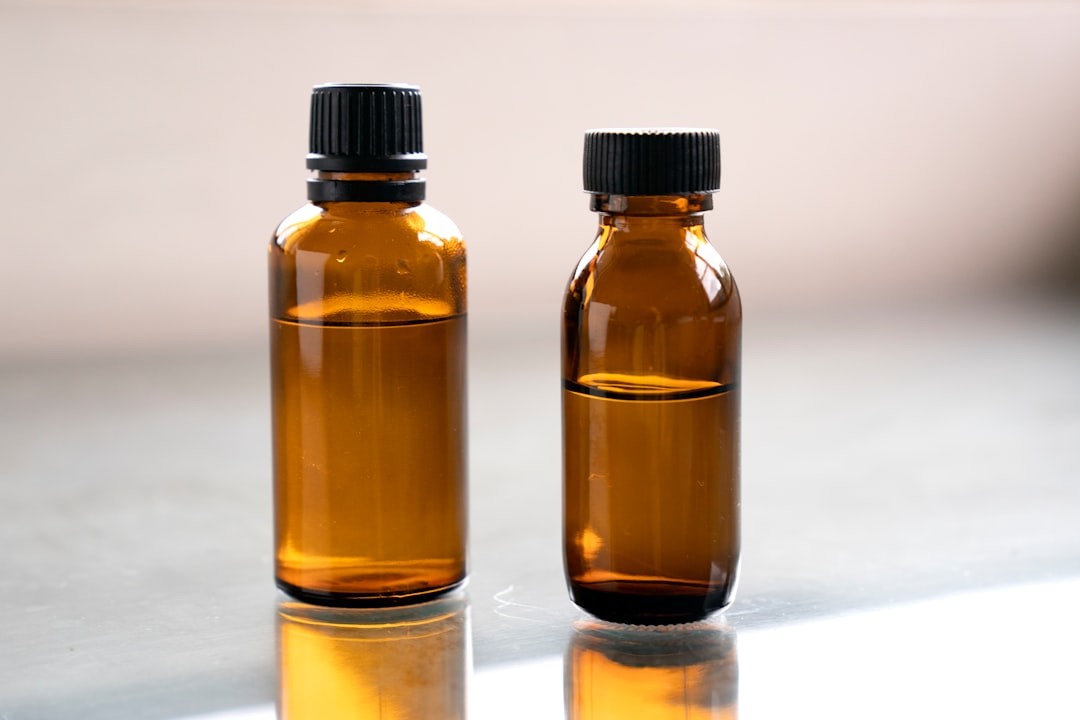
The anus does not self-lubricate. Full stop. Going in without generous lubrication isn't just uncomfortable. it creates friction that can cause micro-tears in delicate tissue.
And lube type matters enormously. Silicone-based lubricants stay slippery longer and provide more cushioning than water-based options, which is why they're often recommended for anal specifically (Lynk Pleasure Health, 2024). The catch is that silicone lube will degrade silicone toys, so if you're using a toy made from silicone, reach for a quality water-based formula instead. Whatever you choose, use more than you think you need. then add a little more.
Mistake #3: Choosing a Position Where the Receiver Has No Control

Control is everything for the receiving partner. When the penetrating partner is driving the pace and depth from a position where the receiver can't signal easily, things go wrong fast.
Classic "face-down flat" or legs-in-the-air positions can work beautifully, but they hand a lot of control to the giver. A much better starting point is the on-top position, where the receiver straddles and lowers down at their own pace. This gives them full authority over depth, speed, and angle. As Future Method's education team notes, "being on top gives the receiver the most control over depth and speed." That control isn't just psychological comfort. it genuinely allows the muscles to relax on the receiver's own timeline.
The spooning position is another brilliant option for beginners. Side-lying means both partners are relaxed, neither is bearing weight awkwardly, and the angle naturally limits depth. For anyone exploring face-down positions for deep stimulation, working up to those gradually after mastering control-forward positions first is the smarter path.
Mistake #4: Forgetting to Use a Pillow (Seriously)
This sounds almost too simple to matter. It matters enormously.
The angle of the pelvis changes everything during anal sex. Without proper hip elevation, the natural curve of the rectum can create resistance that makes penetration uncomfortable or even painful. Sliding a firm pillow. or a purpose-made sex wedge. under the receiver's hips tilts the pelvis into a much more favorable position. It aligns the entry angle, reduces strain on the lower back for both partners, and makes the whole experience smoother. Think of it as adjusting the geometry of the act rather than pushing through an awkward angle. A simple addition with a genuinely big payoff.
Mistake #5: Holding Your Breath

Holding your breath during anal sex is one of the most common and least talked-about mistakes. When you hold your breath, your core muscles tighten. and so does the sphincter.
Deep, steady exhales are an actual technique, not a meditation gimmick. Breathing out during the moment of initial penetration helps release the involuntary muscle tension that causes pain. The receiving partner should actively focus on slow, deliberate breaths throughout, especially in the first few minutes. Communicating with your partner about pausing while you breathe through any initial intensity makes a huge difference. Your body will genuinely open more readily when it's not fighting oxygen deprivation on top of everything else.
Mistake #6: Ignoring the Angle and Going Straight In

The rectum isn't a straight tube. It curves.
Penetrating at a straight downward angle. rather than angling slightly upward toward the navel. ignores the actual shape of the body. This mismatch is why some positions that look straightforward end up feeling like they're hitting a wall. In doggy style, for example, having the receiver arch their back and tilt their hips down (rather than staying flat) dramatically improves the angle alignment. Missionary-adjacent positions with legs pulled toward the chest also work well for this reason. Understanding that you're navigating a curve, not a corridor, changes how you approach the whole thing. Many people who've explored face-down G-spot positions already know this principle from a different angle. it applies here too.
Mistake #7: Treating Pain as Something to Push Through

Let's be completely clear about this one. Anal sex should not hurt.
Discomfort at the very beginning, the slight pressure of initial penetration, is normal. Actual pain is your body's signal to stop. Pushing through pain during anal sex can cause real physical harm, including tissue tears and muscle strain. The fix is simple: stop, add more lube, go smaller, adjust the position, breathe, communicate. Options for Sexual Health puts it plainly. "if pain occurs, slow down or stop." There is no position, no technique, no partner enthusiasm that overrides that signal. The goal is pleasure. If you're not getting there yet, that's information, not failure. Switch things up, go back to couples toys for the rest of the session, and revisit when you're both relaxed and ready again.
The Positions Worth Actually Trying
Now that we've covered what not to do, here's a quick roadmap of positions that tend to work beautifully, especially for people newer to anal.
On top (receiver straddles) is almost universally the best starting point. It hands control entirely to the person receiving, which allows natural muscle relaxation. Spooning side-by-side is another favourite. both partners are horizontal, relaxed, and the depth naturally stays more limited. Modified doggy with hips dropped and back arched works well once the receiver is comfortable controlling angle. And any missionary variation where the receiver's knees are pulled toward their chest opens the angle beautifully.
For solo exploration, using vibrators for women around the perineum and vulva while using a small plug is a fantastic way to learn what relaxation combined with arousal feels like for your body before partnered experiences. The Anii handcrafted glass plug from Biird is a genuinely gorgeous option here. Its smooth borosilicate surface and carefully weighted form make it ideal for beginning exploration at your own pace.
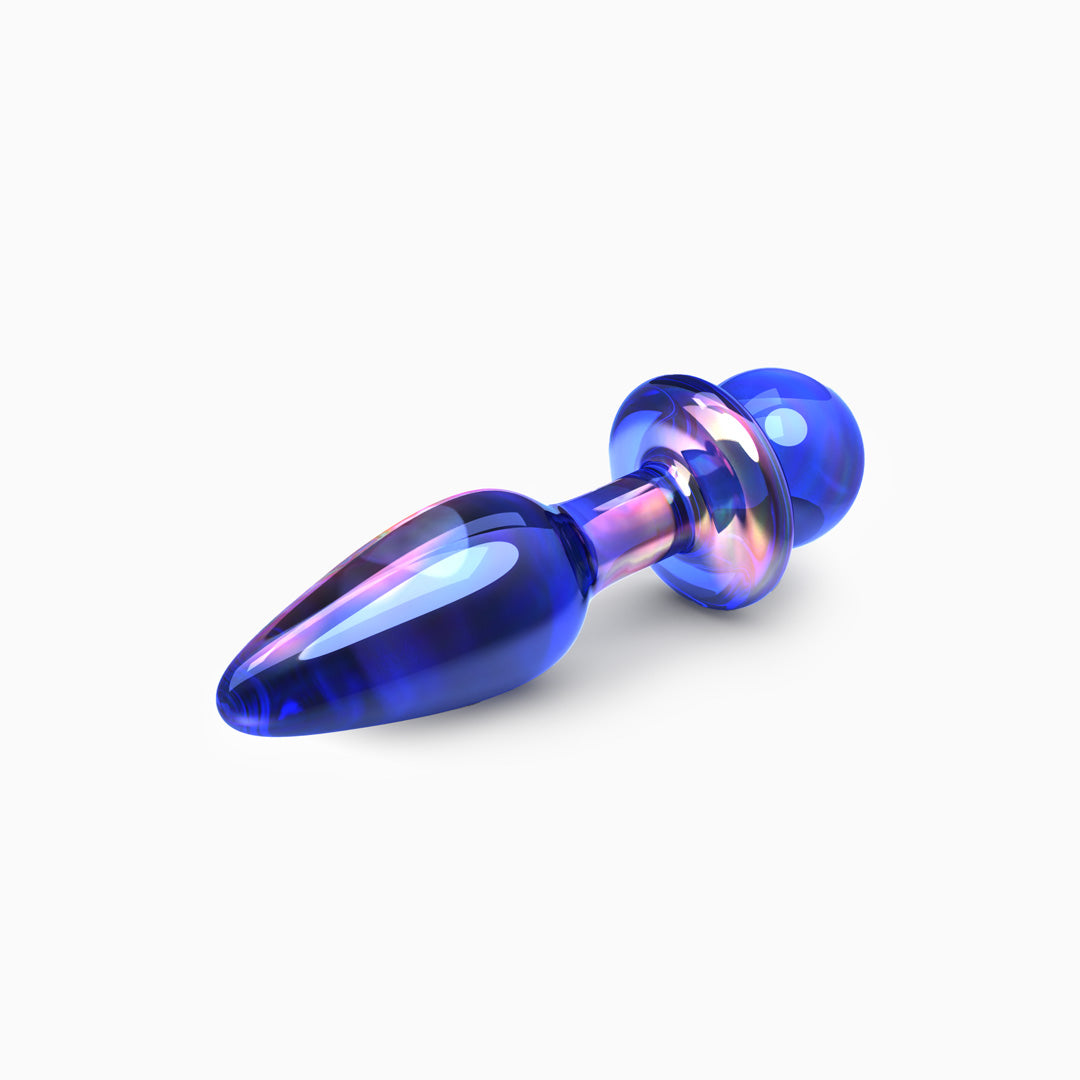
The clitoral vibrators you already love can also play a supporting role. Stimulating the clitoris during anal sex dramatically increases arousal and helps maintain the pelvic relaxation that makes everything feel better.
Wrapping Up
Here's what I want you to take away from all of this. Anal sex that feels incredible isn't about being brave or pushing through discomfort. It's about smart positioning, generous lubrication, steady breathing, and genuine communication. The mistakes above are so common because nobody teaches this stuff properly. but they're also entirely fixable.
Give yourself permission to go slowly, to use props (hi, pillow!), to stop and adjust, to laugh when something's awkward. The people having the best time with anal sex aren't the fearless ones. They're the prepared ones.
You deserve that experience too.
Want to make your journey even more exciting? I've handpicked some amazing toys and goodies at Hello Nancy that'll add extra sparkle to your intimate moments. (Here's a little secret. use 'dirtytalk' for 10% off!)
Frequently Asked Questions
What is the best anal sex position for beginners?
The on-top (receiver on top) position is widely considered the best starting point for beginners because the receiving partner controls all depth and speed. Spooning side-by-side is another excellent option, as both partners stay relaxed and penetration depth is naturally more limited. Start slow, use plenty of lube, and breathe steadily throughout.
Why does anal sex hurt and how do I stop the pain?
Anal sex hurts most commonly because of insufficient lubrication, going too fast, or poor angle alignment. The fix is always the same: stop, add more lube, breathe deeply, and adjust your position or go smaller. Anal sex should not be painful, and pushing through pain can cause tissue damage. Listen to your body and treat any discomfort as a cue to slow down.
What type of lube is best for anal sex?
Silicone-based lubricants are generally considered the best for anal sex because they stay slippery longer and provide more cushioning. However, silicone lube degrades silicone toys, so if you're using a silicone toy, opt for a high-quality water-based lubricant instead. Always use more lube than you think you need.
How do you relax for anal sex?
Relaxation comes from a combination of arousal, warmup, and breathing. Spend plenty of time on foreplay before any penetration attempt, use fingers or a small toy to warm up the area gradually, and focus on slow deep exhales during penetration. Clitoral stimulation during anal sex also dramatically helps the pelvic floor relax.
Does a pillow actually help during anal sex?
Yes, genuinely. Placing a firm pillow under the receiver's hips tilts the pelvis into a better angle, which aligns the entry with the natural curve of the rectum. This reduces resistance, minimizes discomfort, and makes penetration feel smoother. A purpose-made sex wedge works even better if you want a dedicated tool for this.
Is doggy style a good anal sex position?
Doggy style can work very well, but the angle is important. The receiver should arch their back and tilt their hips downward rather than staying flat, which aligns penetration with the rectum's natural curve. It's generally better suited to people who already have some comfort with anal sex rather than first-timers who benefit more from positions with greater receiver control.
Can you use anal toys to prepare for anal sex?
Absolutely, and many people find it incredibly helpful. Starting with a small plug like the Anii glass plug helps the body learn what relaxation with fullness feels like on your own timeline. Using a clitoral vibrator simultaneously helps pair arousal with the sensation, which makes relaxation easier and more natural during partnered anal sex.
How do I tell my partner to slow down during anal sex?
Just say it out loud. "Slower" or "pause for a second" are complete sentences and good partners will welcome the direction. Choosing positions where the receiver is on top also removes the need to interrupt. since the receiver controls the pace entirely. Establishing a simple signal or word before you start can also make real-time communication feel less awkward.