Add $12.00 to get Free Gift



Your body's been telling you this all along. You just didn't have the scientific receipts to back it up.
Masturbation has carried an embarrassing amount of cultural shame for centuries. But modern research is finally catching up to what our bodies instinctively understood. And honestly? The science is kind of stunning.
Let's get into it.
Why Talking About Masturbation Still Feels Taboo (And Why That Needs to Change)

Grow up in almost any culture and you'll absorb the same silent message: solo pleasure is something to feel guilty about. But that guilt? It's not grounded in biology. It's not even grounded in logic. Research consistently shows that masturbation is one of the most natural, low-risk, high-reward behaviors a human body can engage in.
Shame was never based on science.
When we talk openly about the benefits, we're not being provocative. We're being honest about health. Sexual wellness is health. And your pleasure matters just as much as your step count or your sleep schedule. So let's normalize the conversation, starting right now.
The 15 Science-Backed Benefits of Masturbation
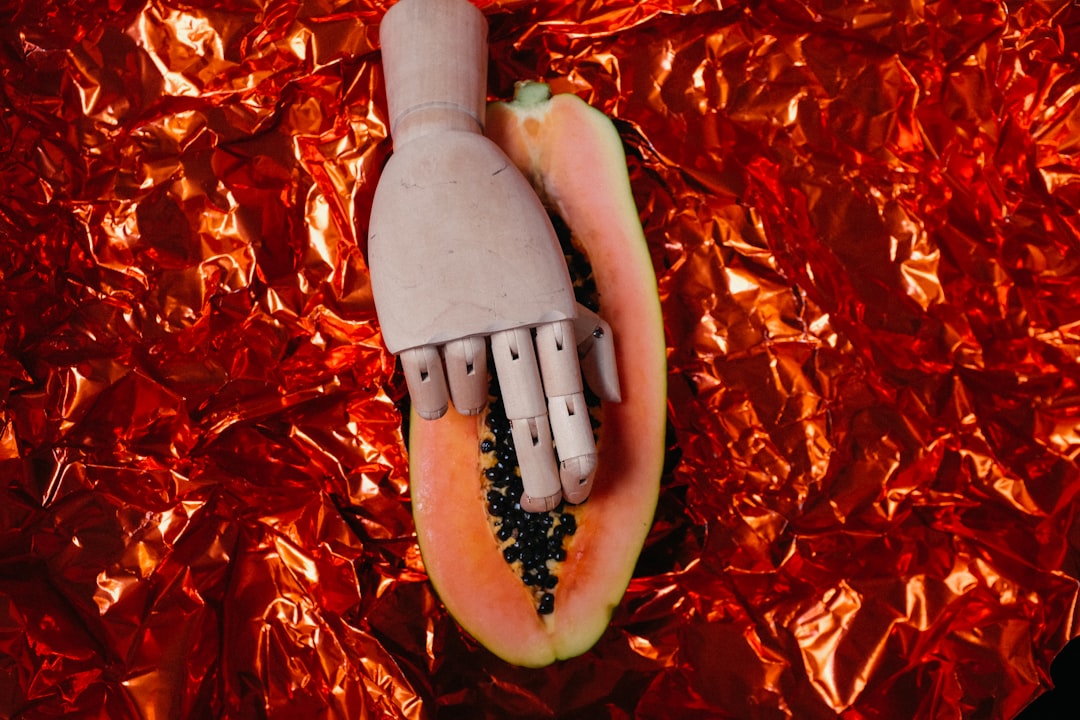
1. It Floods Your Brain With Feel-Good Chemicals
Orgasm triggers a cascade of neurochemicals including dopamine, oxytocin, serotonin, and endorphins. All at once. These are the same molecules responsible for feelings of pleasure, connection, and calm. Research published in The Journal of Sexual Medicine found that masturbation to orgasm stimulates the release of the endocannabinoid 2-Arachidonoylglycerol, a compound linked to mood regulation and stress reduction (Fuss et al., 2017).
Your brain genuinely lights up.
2. It Reduces Stress in Real Time
Here's the thing about cortisol, your primary stress hormone. It drops after sexual arousal and orgasm. This isn't placebo. It's biochemistry. The oxytocin and endorphin release that follows orgasm directly counteracts the physiological stress response, lowering heart rate and blood pressure almost immediately after climax.
3. It Helps You Sleep Better
Struggling to fall asleep? Your body releases prolactin after orgasm, a hormone strongly associated with feelings of relaxation and drowsiness. Many people report that solo intimacy before bed works faster and feels more natural than a sleep supplement. The research on this is consistent: orgasm is one of the most accessible sleep aids available, and it's completely free.
4. It's a Natural Pain Reliever
Orgasm doesn't just feel good. It can actually dull pain. Endorphins released during climax act on the same receptors as opioid medications. For people who experience menstrual cramps, tension headaches, or general muscle aches, masturbation can offer genuine, measurable relief. Some studies suggest pain thresholds rise significantly in the period directly following orgasm.
That's your body being genuinely brilliant.
5. It Supports Cardiovascular Health
Sexual arousal increases heart rate and blood flow in ways that mimic light aerobic exercise. Regular sexual activity, including solo play, has been associated with better cardiovascular health markers. The key is the combination of circulation boost, stress reduction, and hormonal release. All three contribute to a healthier heart over time.
6. It Strengthens Pelvic Floor Muscles
Ever hear about Kegel exercises? Masturbation, and particularly orgasm, naturally engages the same pelvic floor muscles those exercises are designed to target. Regular orgasms can help maintain pelvic floor strength, which is important for bladder control, sexual function, and core stability. This benefit is especially significant for people with uteruses, particularly before and after pregnancy.
7. It May Reduce Prostate Cancer Risk
This one surprised a lot of people. A landmark study from Harvard Medical School found that men who ejaculated at least 21 times per month had a roughly 20% lower risk of developing prostate cancer compared to those who ejaculated less frequently. The working theory is that regular ejaculation flushes potentially carcinogenic substances from the urogenital tract before they accumulate.
Twenty percent is not a small number.
8. It Boosts Your Immune System
Research suggests that sexual arousal and orgasm temporarily elevate levels of immunoglobulin A (IgA), an antibody that plays a front-line role in immune defense. Think of it as a mini immune boost that your body generates naturally. While masturbation won't replace your flu shot, it does appear to give your immune system a small but measurable nudge in the right direction.
9. It Improves Body Awareness and Self-Knowledge
Knowing your own body is genuinely useful. Solo exploration helps you understand what you enjoy, what feels good, and how your body responds to different kinds of stimulation. That self-knowledge translates directly into better communication with partners and more satisfying shared experiences. It's arguably the most underrated benefit on this entire list.
And it costs you exactly nothing.
10. It Boosts Mood and Reduces Symptoms of Depression
The serotonin and dopamine released during orgasm are the same neurotransmitters targeted by many antidepressant medications. While masturbation isn't a clinical treatment for depression, regular access to natural mood-enhancing neurochemicals can meaningfully support emotional wellbeing. People who engage in regular sexual activity, solo or partnered, consistently report higher life satisfaction in self-reported studies.
11. It Can Reduce Menstrual Cramp Severity
Orgasm causes uterine contractions followed by muscular relaxation. That cycle of tension and release can actively reduce cramping during menstruation. Add in the endorphin flood and the prostaglandin modulation that happens during orgasm, and you have a genuinely evidence-supported reason to consider masturbation as part of your menstrual care toolkit. Many gynecologists quietly recommend it for exactly this reason.
12. It Helps You Manage Sexual Frustration Without Stress
Sexual tension is a real physiological state. Unrelieved arousal keeps the nervous system in a kind of low-level activation mode. Masturbation provides a healthy, self-directed release that doesn't require another person's availability or consent. It's particularly useful for people navigating periods of singlehood, long-distance relationships, or mismatched libidos with a partner. It normalizes desire rather than suppressing it.
And suppressing desire? That tends to backfire.
13. It Can Improve Sexual Function and Delay Premature Ejaculation
For people with penises, masturbation is actually one of the most commonly recommended techniques for learning ejaculatory control. Understanding arousal patterns, practicing the stop-start method, and building awareness of your own threshold are all things that solo practice makes possible. Many sex therapists explicitly incorporate this into treatment plans for premature ejaculation.
14. It Supports Healthy Aging of Sexual Tissues
Use it or lose it is not just a gym metaphor. Regular sexual stimulation maintains blood flow to genital tissues, which helps preserve elasticity and nerve sensitivity over time. For people with vaginas, this is particularly relevant during perimenopause and menopause, when tissue atrophy can become a concern. Regular stimulation is one of the most effective and accessible ways to maintain vaginal health as the body changes.
Your future self will thank you for this one.
15. It Builds a Healthier Relationship With Your Own Body
This might be the most important benefit of all, even if it doesn't show up on a lab report. Regular self-pleasure fosters body acceptance, reduces shame around sexuality, and cultivates a more compassionate relationship with yourself. People who engage comfortably in solo pleasure tend to report higher sexual confidence, more positive body image, and greater overall wellbeing. The science here lives at the intersection of psychology and sexology, and it's genuinely moving.
How to Make the Most of Solo Pleasure
Now that the science is on the table, it's worth thinking about quality, not just frequency. Rushing through solo time as though it's something to get over with means missing most of the benefits. Giving yourself real space, comfort, and presence amplifies every one of the effects listed above. Your nervous system needs to feel safe to fully relax into arousal. That means no guilt, no interruptions, and genuine attention to what actually feels good for your body.
Slowing down is the whole point.
If you're exploring clitoral vibrators for the first time or returning to solo pleasure after a long break, starting with something thoughtfully designed makes a real difference. The Berri edging clitoral massager is genuinely worth knowing about. It's a tapping clitoral massager built for those who want to draw out pleasure slowly and intentionally, which happens to be exactly how you maximize the stress-relief and mood-boosting benefits described above.

If you've been curious about pairing clitoral stimulation with internal pleasure, vibrators for women designed with dual stimulation in mind can genuinely deepen the experience. And for those who enjoy the idea of wearable, hands-free fun, a Pixie remote-controlled panty vibrator adds a whole new layer of versatility to solo and partnered play alike.
For anyone navigating solo pleasure alongside the dynamics of a relationship, there's a really thoughtful read over at Hello Nancy on aftercare when your partner isn't available. It touches on exactly this territory.
Bottom Line
Masturbation is not a guilty pleasure. It's a biological process with a genuinely impressive evidence base behind it. Better sleep, lower stress, reduced pain, stronger immune response, improved pelvic floor function, and a healthier relationship with your own body. That's not a bad return on something completely natural.
You don't need anyone's permission to take your own pleasure seriously. But it's nice to know the science is cheering you on.
Want to make your journey even more exciting? I've handpicked some amazing toys and goodies at Hello Nancy that'll add extra sparkle to your intimate moments. (Here's a little secret, use 'dirtytalk' for 10% off!)
Frequently Asked Questions
How often should you masturbate to get health benefits?
There's no universal magic number. Research on prostate health referenced ejaculation around 21 times per month as a benchmark for risk reduction, but for general mood, sleep, and stress benefits, even occasional masturbation provides measurable effects. The most important thing is that it feels good and doesn't interfere with daily life.
Can masturbation actually help with menstrual cramps?
Yes, and this is one of the most underappreciated benefits. Orgasm triggers uterine contractions followed by a muscular release, combined with an endorphin surge that dulls pain perception. Many gynecologists quietly recommend it as a natural, side-effect-free approach to managing period discomfort.
Does masturbation help with anxiety and stress relief?
It genuinely does. The hormonal release during orgasm, specifically oxytocin, endorphins, and serotonin, directly counters the body's stress response by lowering cortisol levels and heart rate. It won't solve the source of your anxiety, but as a short-term physiological reset, it's highly effective.
Is masturbation good for your skin or does it cause acne?
The acne myth is not supported by science. There is no credible research linking masturbation to acne or skin problems. On the flip side, improved circulation from arousal and reduced stress hormones may actually benefit skin health over time, though more research is needed on this specific connection.
Can masturbating too much be harmful?
Physical harm from masturbation is rare and usually limited to minor skin irritation from friction. The concern arises when solo sexual behavior becomes compulsive, interfering with relationships, work, or daily functioning. That's less about frequency and more about your relationship with the behavior itself. If it feels out of control, talking to a sex therapist is a good step.
Does masturbation improve sleep quality?
Yes. Orgasm triggers the release of prolactin, a hormone strongly associated with sleepiness and relaxation. Many people find that solo pleasure before bed shortens the time it takes to fall asleep and improves overall sleep quality. It's one of the most accessible sleep aids available.
Are the benefits of masturbation different for women versus men?
Many benefits are shared across all bodies, including stress relief, mood improvement, better sleep, and pain reduction. Some benefits are anatomy-specific: people with penises may see prostate health benefits from regular ejaculation, while people with vaginas may experience relief from menstrual cramps and vaginal tissue health benefits over time, especially during menopause.
Can masturbation help with body image and self-confidence?
Research in the field of sexology supports this. People who engage comfortably in solo pleasure tend to report more positive body image and higher sexual confidence. The act of exploring your own body without judgment builds familiarity and acceptance, which often translates into greater self-esteem outside the bedroom too.
What chemicals does your brain release when you masturbate?
During arousal and orgasm, your brain releases dopamine (pleasure and reward), oxytocin (bonding and calm), serotonin (mood regulation), endorphins (pain relief and euphoria), and prolactin (relaxation and sleepiness). Research has also identified a release of endocannabinoids like 2-Arachidonoylglycerol, which are linked to mood and pain modulation (Fuss et al., 2017).
Does masturbation affect testosterone levels?
Short-term fluctuations in testosterone do occur around sexual activity, but the evidence does not support the idea that masturbation causes long-term testosterone depletion. In fact, some research suggests that sexual abstinence for extended periods can lead to temporary spikes followed by normalization. Regular healthy sexual activity appears to support hormonal balance rather than disrupt it.