Add $12.00 to get Free Gift



Let's be real. Most of us learned about our bodies through whispered rumors, awkward health class slideshows, and a whole lot of shame. And look how that turned out.
Sex-positive parenting is not about sitting your five-year-old down for a TED Talk on adult intimacy. It's about creating a home environment where bodies aren't scary, questions aren't shameful, and kids grow up trusting themselves. That's it. That's the whole thing.
But the word "sex-positive" still makes people flinch. So let's unpack it, together.
What Sex-Positive Parenting Actually Means

Sex-positive parenting is the practice of raising children with accurate, age-appropriate information about bodies, consent, relationships, and feelings. It means replacing silence and shame with honesty and calm. Nothing about it is inappropriate. Everything about it is protective.
Think about it this way. When you teach a child the correct names for their genitals, you're not being edgy. You're giving them a vocabulary that keeps them safe. Children who know anatomical terms are better equipped to report abuse clearly, communicate discomfort, and understand that their body is nothing to be embarrassed about.
Research backs this up. Studies cited by Action Canada for Sexual Health and Rights found that children whose parents talk openly about sexuality are more likely to make safer, more informed decisions as they grow. They're also less likely to copy peer behavior blindly, and more likely to act according to their own values. That's not a small thing. That's the difference between a teenager who says "everyone's doing it" and one who says "but what do I actually want?"
The goal isn't to raise a kid who knows everything. It's to raise a kid who knows they can ask you anything.
Starting Early: Age-Appropriate Conversations at Every Stage
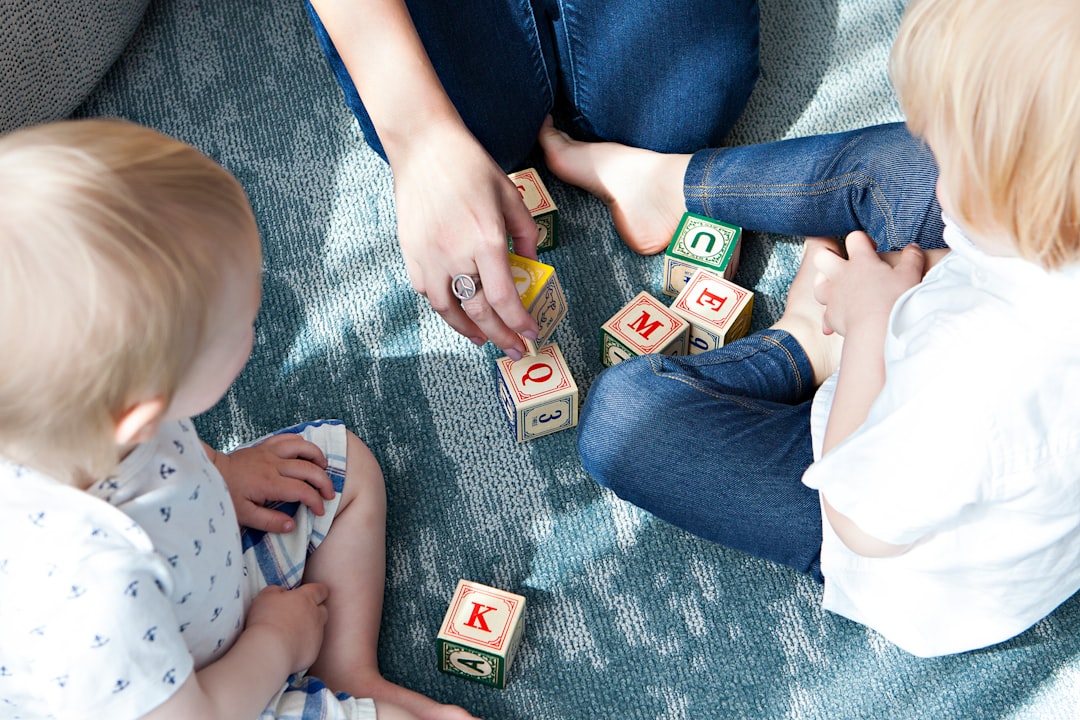
Here's where most parents freeze. "But they're so young. Won't I confuse them?"
Actually, no. Children naturally become curious about bodies around age two or three. They notice differences. They touch themselves. They ask questions with zero filter. Your job at this stage isn't to redirect or distract, it's to respond with calm matter-of-factness. "That's your vulva. We keep it private because it's special, not because it's bad." Simple. Neutral. Done.
As kids move into the 5 to 8 range, conversations naturally get a little more complex. Where do babies come from? Why are some families different? What's a period? These aren't awkward conversations if you've already built a foundation of openness. They're just... normal Tuesday evening chats at the dinner table. The secret is not waiting for the "perfect moment," because that moment never comes. You weave it into real life, a little at a time.
The pre-teen years are where things get interesting. Puberty conversations, consent education, understanding that their body is changing and that's completely normal. This is also the window where shame tends to creep in if it hasn't been addressed. Social media, peer pressure, and the wider world start sending messages. The best thing you can give your kid by age 10 is the unshakeable belief that they can come to you without judgment.
Consent Starts at Home, Not in Health Class

Consent education doesn't begin with a lecture about boundaries. It begins the first time you ask your toddler, "Can I give you a hug?"
That small moment teaches something enormous. It shows kids that their body belongs to them. That affection is a choice, not an obligation. That the word "no" gets respected, even from a two-year-old who doesn't want Grandma's kiss. When you enforce that consistently, you raise a child who understands consent from the inside out, not just as a rule they memorized, but as a lived value.
This is also where confidence in intimate situations later in life gets quietly built. Adults who grew up in households where their "no" was respected tend to have healthier relationships, better self-advocacy, and a clearer sense of what they actually want. The groundwork for that starts way before adolescence.
Talking About Pleasure Without Panicking

Okay, this is the part that makes most parents reach for a glass of wine. Pleasure.
Here's the thing nobody tells you: if you never mention that bodies can feel good, your kids will learn that from somewhere else. And "somewhere else" is often unreliable, shame-filled, or just flat-out wrong. Sex-positive parenting means acknowledging, in age-appropriate language, that the body experiences pleasure, and that this is healthy, normal, and not shameful.
For younger children, this might just mean acknowledging that touching their own body feels good, and explaining that private parts are private, meaning not for public spaces and not for other people to touch. For older kids and teenagers, it means having honest conversations about healthy sexuality, including the fact that pleasure is a real and valid part of it. You don't have to be graphic. You do have to be honest. One sentence like "Sex can feel really good, which is part of why people want to do it, and that's also why it's worth thinking carefully about" does more good than a stack of pamphlets.
Adults who grew up with this kind of frank, normalized framework are also generally more comfortable with their own sexuality. They're more likely to communicate with their partners, explore what works for them using vibrators for women or other intimate tools when ready, and set limits that actually reflect what they want. That's the outcome we're building toward.
Busting the Myths That Hold Parents Back

"If I talk about sex, I'm encouraging them to do it sooner."
This one is the most persistent myth in parenting, and it's been studied enough that we can say confidently: it's false. Research consistently shows that open, accurate conversations about sexuality are associated with later sexual debut, not earlier. Kids who have honest information and feel safe asking questions are less, not more, likely to make impulsive decisions driven by curiosity or social pressure. Silence doesn't protect kids. It just leaves them without a map.
Another myth worth ditching: "There's a right age to start these conversations." There isn't. It's not a single conversation that happens once. It's hundreds of micro-conversations that happen over a lifetime of growing up. The language evolves, the complexity deepens, but the foundation stays the same: your body is yours, questions are welcome, and you are not alone in figuring this out.
How to Handle Awkward Questions Like a Pro
Kids will absolutely ask you something that makes you choke on your coffee. That's not a failure. That's a sign you've built a relationship where they trust you with their real thoughts.
When it happens, buy yourself three seconds. You don't have to have the perfect answer immediately. "That's a really interesting question. Let me think about how to answer it properly" is a completely valid response. What you want to avoid is panic-shutting the conversation down, because your kid will notice. They'll file that reaction away. And next time something feels confusing or scary, they'll remember how you reacted and decide not to bring it up.
Being honest about your own uncertainty is also surprisingly powerful. "I'm not totally sure, but here's what I do know, and we can find out the rest together." That response teaches them that not knowing isn't shameful, that curiosity is welcome, and that adults are still learning too. 🌱
Building Body Confidence Beyond the Basics
Sex-positive parenting overlaps significantly with body confidence, and that connection is worth naming directly.
When kids are taught that bodies come in every shape, size, and configuration, and that none of those configurations are wrong or embarrassing, they grow up with a fundamentally different relationship to themselves. They're less susceptible to the toxic messaging that floods social media. They're more likely to be kind to their bodies and to other people's. The couples toys they might one day explore, the partners they choose, the boundaries they communicate: all of it starts with how they were taught to feel about themselves at age four, at age eight, at age twelve.
This isn't abstract. Body confidence is a measurable predictor of healthier relationships and better mental health outcomes in adulthood. You're not just having awkward conversations. You're literally building your child's future wellbeing, one honest sentence at a time.
Using Books, Media, and Resources as Allies
You don't have to do this alone, and honestly, you shouldn't try to.
There's a whole ecosystem of age-appropriate books that do the heavy lifting for you. Titles like "It's Not the Stork" for younger children, "The Care and Keeping of You" for pre-teens, and "S.E.X." by Heather Corinna for older teens give kids the information in a format they can actually absorb on their own terms. Reading together turns a potentially awkward conversation into a low-pressure collaborative experience. And when they have questions about what they read, they already know you're a safe person to ask.
Media literacy is another piece of this. Teaching kids to think critically about how bodies and relationships are portrayed in movies, ads, and social media is itself a form of sex-positive education. When your kid says "that's unrealistic" about a romance trope, celebrate that. That's critical thinking in action. That's the whole goal.
For adults figuring out their own relationship with all of this, exploring resources around clitoral vibrators and sexual wellness can be part of reclaiming the body-positive framework they maybe didn't get growing up. Healing your own relationship with your body makes you a better, calmer, less reactive guide for the kids in your life. That's not selfish. That's preparation.
Wrapping Up: The Long Game
Sex-positive parenting isn't a curriculum. It's a posture. It's choosing, over and over again, to be the kind of adult that a child can come to with their real questions.
You don't need to get every conversation perfect. You don't need a degree in human sexuality. You need curiosity, a willingness to sit with discomfort for thirty seconds, and the belief that your kid deserves accurate information about their own body. That belief, practiced consistently, raises a human being who trusts themselves, respects others, and moves through the world with genuine confidence. And if they grow up knowing that their body belongs to them and that pleasure is not something to be ashamed of? That's a gift that compounds over a lifetime.
Start where you are. Use the right words. Stay calm. That's genuinely enough to begin.
Want to make your journey even more exciting? I've handpicked some amazing toys and goodies at Hello Nancy that'll add extra sparkle to your intimate moments. (Here's a little secret, use 'dirtytalk' for 10% off!)
For adults exploring their own body confidence and sexual wellness alongside this journey, the Lem Clitoral Massager is a beautiful, beginner-friendly starting point. And if you're curious about wearable pleasure options, the Pixie remote-controlled panty vibrator is worth a look.

Frequently Asked Questions
What age should I start sex-positive parenting conversations with my child?
You can start as early as toddlerhood by using correct anatomical names for body parts and responding calmly to natural curiosity. There's no single "right age." These are hundreds of small conversations that evolve as your child grows, not one big talk you have to perfect.
Does sex-positive parenting mean talking about sex explicitly with young children?
No. Sex-positive parenting is age-appropriate by definition. For toddlers, it means using correct body part names and normalizing curiosity. For pre-teens, it means talking about puberty and consent. Explicit content is never part of conversations with young children.
Will talking about sex openly make my child want to have sex sooner?
Research consistently shows the opposite. Children who receive open, accurate information about sexuality tend to have a later sexual debut and make more thoughtful decisions. Silence creates curiosity without guidance, which is a far riskier combination.
How do I teach consent to a very young child?
Start by asking permission before hugs or physical affection, and genuinely respecting their answer. Let them opt out of kisses from relatives. When they say "stop tickling me," stop immediately. These micro-moments teach children that their body is theirs and that "no" is respected, long before any formal conversation about consent happens.
What do I do if my child asks a question I don't know how to answer?
Be honest. Saying "That's a great question. Let me think about it and come back to you" is completely valid. The most important thing is not shutting the conversation down with discomfort. Following up, even a day later, reinforces that their questions matter and you're a safe person to ask.
How does sex-positive parenting help with body confidence?
When children learn early that bodies are normal, diverse, and not shameful, they develop a healthier internal relationship with themselves. This foundation protects against body image issues, makes them more resistant to toxic media messaging, and supports better mental health outcomes into adulthood.
Are there good books that help with sex-positive parenting conversations?
Yes. "It's Not the Stork" works well for ages 4 and up. "The Care and Keeping of You" is great for pre-teens, and "S.E.X." by Heather Corinna is comprehensive for older teens. Reading together removes pressure from the conversation and gives children something to revisit on their own terms.
How do I handle it if my child's school teaches something different from what I believe?
Use it as an opening, not a conflict. Ask your child what they learned and how it made them feel. You can gently add context, correct misinformation, or build on what they were taught without undermining their teacher. The key is keeping the conversation ongoing so your home remains their primary, trusted source.