


 Add $12.00 to get Free Gift


You're not jealous. You're not dramatic. You genuinely, deeply cannot stand this person your best friend is dating.
And the worst part? Your friend is glowing. They're head over heels. So now you're stuck in this impossible spot where your gut is screaming and your mouth has to stay quiet. That tension is exhausting, and it's way more common than anyone admits.
Let's actually talk about what to do with it.
Why You Might Hate Your Best Friend's Partner (And Whether It Even Matters)

Before you do anything else, it helps to get honest about the why. Not all dislike is created equal, and the root of yours changes everything about how you handle it.
Sometimes the dislike is personal. Their laugh grates on you. Their opinions annoy you. They're just... not your kind of person. That's valid, but it's also something you might have to quietly carry. Not every friend group needs to love every partner.
Other times, it's deeper. You're watching your best friend shrink. They cancel plans constantly. They apologize on behalf of their partner. They seem nervous in ways they never were before. That's a different signal entirely, and it deserves a different response.
Research published in The Journal of Genetic Psychology (Poulin et al., 2022) found that best friendships and romantic relationships both significantly affect psychological well-being in emerging adulthood, and conflict in either relationship can undermine a person's self-esteem and increase loneliness. In other words, the friendship you're fighting to protect genuinely matters to your friend's mental health. So does yours.
Ask yourself honestly: are you reacting to a personality clash, or are you witnessing something that actually worries you about your friend's safety or happiness? The answer shapes your whole next move.
The Things Nobody Warns You About When You Dislike a Friend's Partner
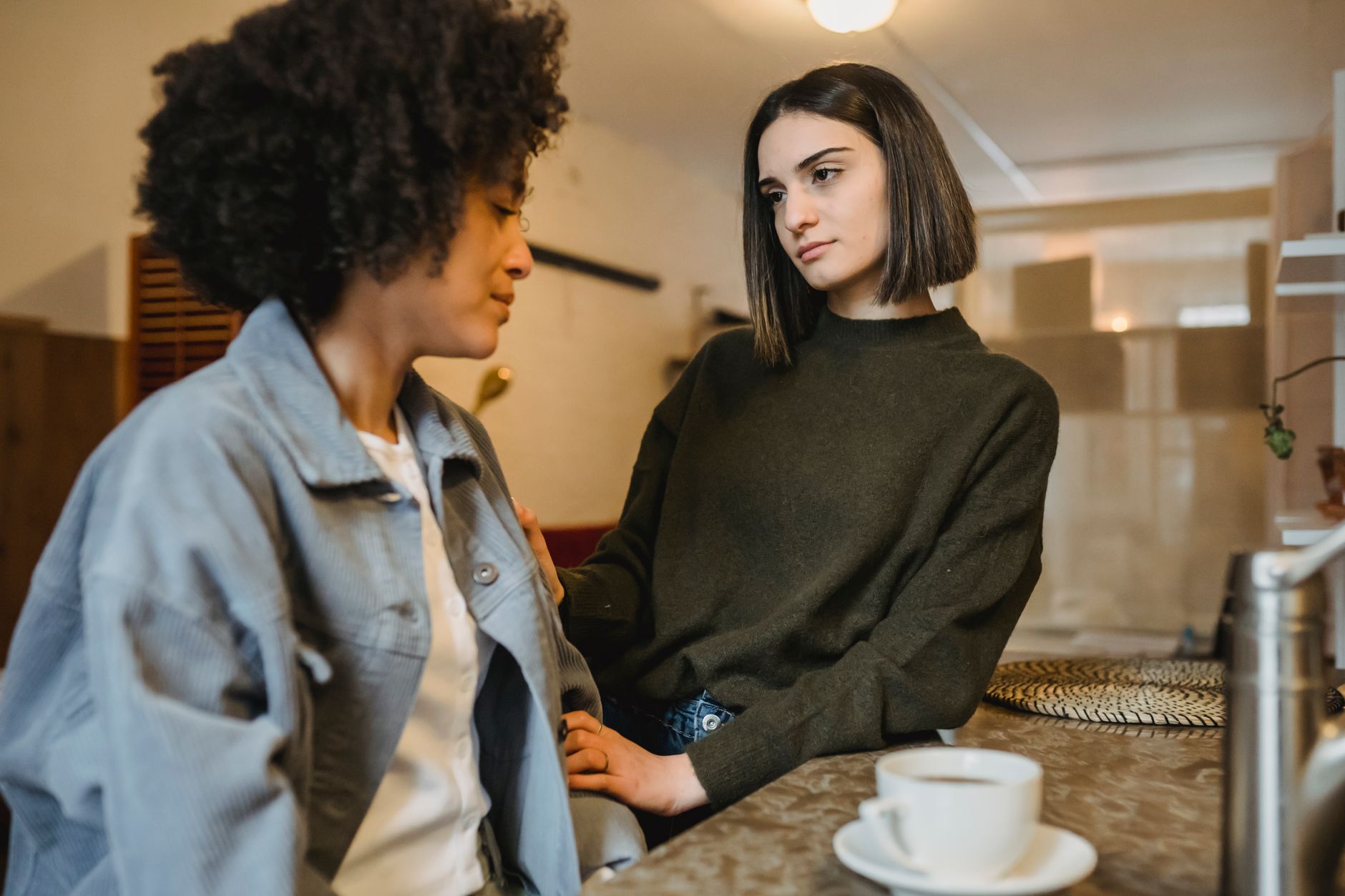
Here's the thing nobody tells you: hating your best friend's partner puts you in a completely no-win position if you're not careful.
If you speak up too soon, you risk looking controlling or jealous. If you wait too long, you risk looking like you were hiding it. And if you never say anything at all? You slowly start withdrawing, the friendship quietly frays, and neither of you quite knows why.
The friendship drift that happens in these situations is genuinely painful. You stop getting invited to things because the partner's always there. You stop saying yes because you can't fake enthusiasm for another group dinner. Before you know it, months have passed.
So the first concrete thing to do is resist the urge to disappear. Stay present. Keep showing up for your friend, even when the partner is around. Your consistency is more protective of the friendship than any single conversation you could have.
When to Actually Say Something (And When to Keep It to Yourself)

This is the question everyone comes here for. The honest answer is: it depends entirely on what you're seeing.
If your dislike is rooted in a vibe, a personality difference, or a general "they're just not my person" feeling, keep it to yourself. Voicing it does almost nothing useful and risks putting your friend in an awful position where they feel they have to choose. Nobody wins there.
But if you're witnessing patterns that genuinely concern you, such as your friend being isolated from people they love, being spoken to with contempt, making excuses for controlling behavior, or showing signs of anxiety they didn't have before the relationship, that's worth naming. Not in an attack. Not with a list of offenses. Just one honest, caring conversation.
Dr. Danielle Forshee, a psychologist and licensed clinical social worker, advises telling a friend how you feel only after you've had real time with the partner and if the relationship is becoming serious. Leading with "I love you and I'm worried" lands completely differently than "I hate them." The framing is everything.
You're not trying to break them up. You're trying to make sure your friend knows the door is open, no matter what.
How to Be Around Someone You Can't Stand Without Losing Your Mind

Practical survival skills. You actually need them.
The most underrated strategy is finding one genuine thing you can appreciate about the partner. Not a fake compliment. A real one. Maybe they make your friend laugh in a way you haven't seen in years. Maybe they're good at something you respect. Latch onto that one thing and let it be your anchor in group settings. It keeps you from radiating hostility you might not even realize you're projecting.
Set your own limits on time, too. You don't have to attend every event where they'll be present. Choosing your moments rather than gritting through every single occasion means you can actually show up fully when it counts. That's better for everyone, including your friend.
Also, stop trying to change your friend's mind. Trying to poke holes in the relationship, making subtle digs, or sending articles about "red flags" does not work. It makes your friend defensive and it makes you the villain of the story, even when your concerns are legitimate. Plant a seed of honesty once if you need to. Then let it go.
Protecting the Friendship Without Pretending Everything Is Fine

You don't have to love your best friend's partner. You just have to love your best friend.
That distinction is actually freeing once you sit with it. The friendship doesn't require you to be best mates with whoever they're dating. It requires honesty, consistency, and a willingness to show up even when it's uncomfortable. Those are things you can absolutely give.
Create space for one-on-one time with your friend deliberately. Don't wait for it to happen organically, because when someone is deep in a new relationship, they follow the path of least resistance, which usually means group hangouts or couple-centric plans. Ask for solo time. A walk, a coffee, a phone call. Something that's just you two. That's where the real friendship lives anyway.
And if your friend eventually asks you directly what you think of their partner? Be honest without being brutal. Something like "They're not my favorite person, but I can see they make you happy, and that matters to me" is kind, true, and leaves the door open. It's not a betrayal of your feelings. It's an act of love.
For more on navigating tricky friendship dynamics, our piece on how to cope with a friend who loves drama covers a lot of the same emotional territory in a really practical way.
What If the Situation Is Actually Serious?
Sometimes this isn't just about not clicking. Sometimes what you're seeing looks like control, manipulation, or emotional harm.
If that's where you are, the calculus shifts significantly. Your job is no longer to be polite at dinner. Your job is to be a safe, consistent presence your friend can come back to whenever they're ready. Don't cut them off out of frustration. Don't issue ultimatums like "it's me or them" because those almost always backfire and push the person further into the relationship. Stay close. Be the person they call at 2am.
Learn about the dynamics of coercive control and emotional manipulation so you can recognize them clearly when you're in the middle of it. Keep your criticism of the partner minimal in direct conversations with your friend, because people in difficult relationships often defend their partner most fiercely when they feel attacked. What you're actually trying to do is keep the channel between you open. That channel is the most important thing you have to offer right now.
If you ever feel like your friend's physical safety is at risk, involve other trusted people in their life. No one person can carry that alone, and you shouldn't try to.
Bottom Line
Hating your best friend's partner is one of those situations that genuinely has no clean resolution. It's messy, it's emotionally expensive, and it tests how much you actually value the friendship underneath all the noise.
But staying. Showing up. Keeping your honesty calibrated to what's actually useful rather than what just feels good to say. Those are the things that keep a real friendship alive through a really hard season.
Your best friend chose you too. Hold onto that.
Want to make your journey even more exciting? I've handpicked some amazing toys and goodies at Hello Nancy that'll add extra sparkle to your intimate moments. Check out the full range of vibrators for women and clitoral vibrators at Hello Nancy. (Here's a little secret—use 'dirtytalk' for 10% off!)
And if you're looking to explore more with a partner, the couples toys collection is genuinely worth a browse. Something like the Pixie remote-controlled panty vibrator is perfect for reconnecting with yourself or your partner when the emotional weight of life gets heavy.

Frequently Asked Questions
Should I tell my best friend I hate their partner?
Only if your concerns go beyond personal preference, meaning you're seeing signs of unhealthy or controlling behavior. If it's a personality clash, keep it to yourself. If you do speak up, lead with love and genuine worry rather than criticism of the partner directly.
How do I stop my best friend's partner from ruining our friendship?
Be intentional about one-on-one time with your friend. Don't let the friendship exist only in group settings where the partner is present. Actively asking for solo plans keeps the connection alive and separate from the relationship dynamic.
Is it normal to dislike your best friend's partner?
Completely normal. You didn't choose this person, your friend did. Not every friendship group needs to mesh seamlessly with every partner. What matters is how you manage the feeling rather than the feeling itself.
What if my best friend's partner is controlling or emotionally abusive?
Don't cut your friend off and don't issue ultimatums. Stay close and be consistent so they have a safe place to come back to. Minimize direct criticism of the partner in conversation, as this often makes people more defensive. Your open door is your most powerful tool.
How do I fake being nice to my best friend's partner?
Find one genuine thing you can appreciate about them and anchor onto that in group settings. You don't have to perform enthusiasm. Polite, warm neutrality is enough, and it's far more sustainable than fake cheerfulness over the long run.
Will my best friend choose their partner over me?
If you force a choice, there's a real chance they will. That's why ultimatums almost never work. Focus on being a consistent, non-pressuring presence. Most friendships that survive a difficult partner dynamic do so because one person refused to make it a competition.
How do I stop feeling jealous of my best friend's partner?
First, name it honestly to yourself. Jealousy and genuine concern can look identical from the inside. If after reflection it really is jealousy, work on creating more richness in your own social life so the friendship isn't your only source of connection. That takes pressure off both of you.
What are signs your best friend's partner is bad for them?
Watch for your friend becoming increasingly isolated from people they used to be close to, apologizing on behalf of their partner often, seeming anxious or walking on eggshells, or abandoning things they used to love. These patterns are worth paying attention to and gently naming.


