Add $12.00 to get Free Gift


Nobody hands you a manual for this. And yet, the wrong lube choice can turn a genuinely great night into something uncomfortable, messy, or even unsafe. So let's actually talk about it.
Why Lube Isn't Optional for Anal Sex
The rectum doesn't self-lubricate. Full stop. Unlike the vagina, which produces its own natural moisture, the anal canal is dry tissue lined with a delicate, highly absorbent mucosa. That means friction without lube isn't just uncomfortable. It can cause micro-tears, which is a real health risk, not just an inconvenience.
This is the foundation of everything. The right lube doesn't just make sex feel better. It makes it safer, longer-lasting, and genuinely more pleasurable for everyone involved.
Skipping lube entirely is one of those choices people sometimes make in the heat of the moment and regret almost immediately. Your body deserves better than that.
The Four Types of Lube (And When to Use Each)
Not all lubes are created equal. The formulation genuinely matters depending on what you're doing, what toys you're using, and whether you're using condoms.
Silicone-Based Lube
This is the gold standard for anal sex. Silicone lube stays slick for a long time, doesn't absorb into skin or tissue, and never gets sticky. Dr. Laino, a sexual health physician, notes that "silicone-based lubricants are the preferred lubricant for butt sex as they're a bit denser," which translates to more protection with less reapplication. Research published in journals on rectal intercourse safety confirms silicone-based lubes are also less irritating to the rectal mucosa than many water-based alternatives. The one catch: silicone lube degrades silicone toys. So if your partner is bringing a silicone vibrator for women or any silicone toy into the mix, keep these two apart.
Water-Based Lube
Water-based lube is the most versatile option. It's compatible with condoms, latex, and all toy materials including silicone. The tradeoff is longevity. Water-based lubes absorb into tissue and tend to get tacky after a while, which means you'll reapply more often during anal play. If you go this route, look for an iso-osmolar formula, meaning it matches your body's natural osmolality rather than pulling moisture from the tissue. Hyperosmolar formulas (common in cheap water-based lubes) can actually irritate the rectal lining over time.
Thick, gel-style water-based lubes perform better for anal sex than thin runny ones.
Oil-Based Lube
Oil-based lubes feel luxurious and last a long time. But they degrade latex condoms, making them essentially useless for protection. They're also hard to clean off and can throw off the microbiome of the skin around the anus with repeated use. Use oil-based lube only for skin massage or barrier-free play where no latex is involved, and do so sparingly.
Hybrid Lube
Hybrid lubes combine water and silicone in one formula. They're a solid middle ground: longer lasting than pure water-based, safer for silicone toys than pure silicone-based. Not every hybrid is toy-safe, though, so always check the label. They work well with couples toys that involve mixed materials.
What Makes a Good Lube for Gay Sex Specifically?
The specific demands of anal play require a lube that prioritizes a few key things.
Thickness matters more than almost anything else. A thin lube disperses quickly and provides inconsistent coverage. You want something with enough body to maintain a slick barrier throughout an extended session. Cushioning is protection.
Ingredient quality is the other big factor that often gets overlooked. Avoid lubes with glycerin (it can cause irritation and yeast overgrowth in susceptible people), benzocaine or lidocaine (numbing agents that mask pain signals your body needs to feel), and parabens. A cleaner ingredient list is almost always better for sensitive internal tissue.
For gay men specifically, if PrEP or STI prevention is part of your routine, note that some lubricant formulas have shown weak associations with changes in rectal tissue integrity. The safest bet is a body-safe, low-osmolality silicone or iso-osmolar water-based product from a reputable brand.
Lube and Condom Compatibility: The Non-Negotiables
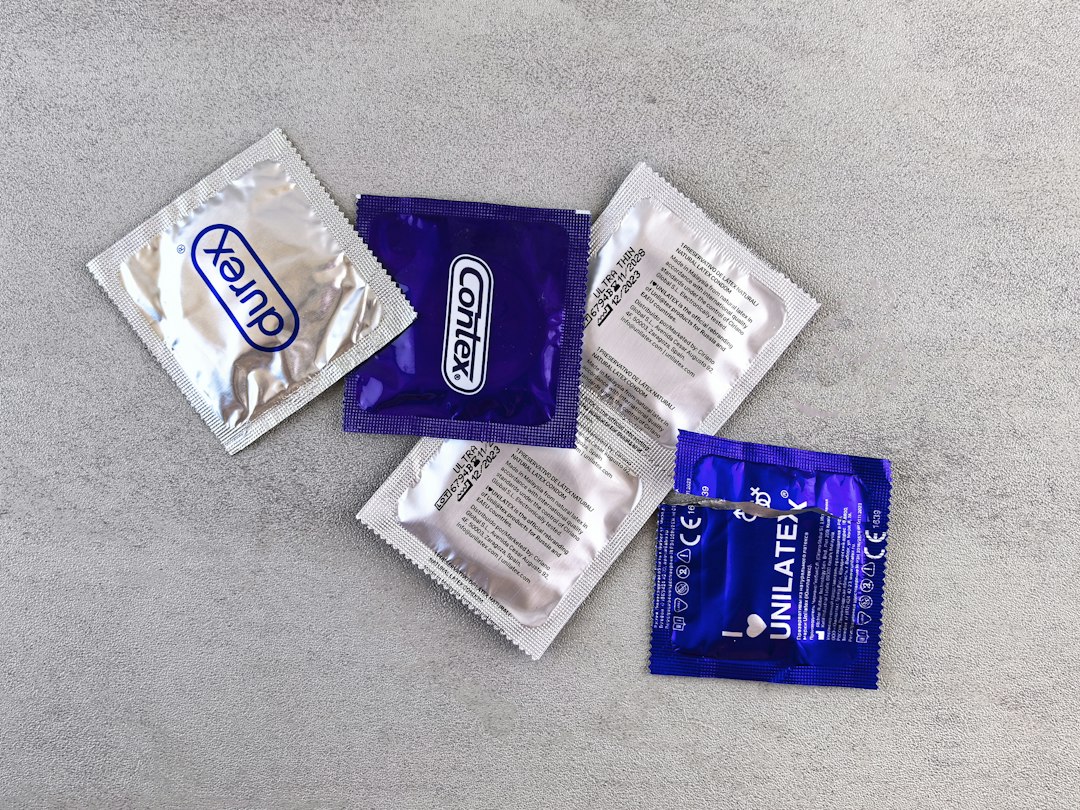
This one's simple but critical. Oil-based lubes break down latex. That applies to condoms and latex gloves. If you're using any latex protection during sex, stick to water-based or silicone-based lube. No exceptions.
Polyurethane or polyisoprene condoms are compatible with oil-based lubes if you specifically choose non-latex options. But honestly? Silicone lube plus a standard latex condom remains the most practical, reliable combination for anal sex.
Always put the lube on the outside of the condom, not inside. A tiny drop inside can reduce friction and help the condom stay comfortable, but lube belongs on the outer surface where it actually does the work.
Lube and Toys: What You Need to Know
Silicone lube + silicone toys is a firm no. The lube literally breaks down the surface of the toy over time, creating microscopic cracks where bacteria can hide. If you're pairing lube with a clitoral vibrator or any silicone toy in partnered play, water-based is your friend.
Glass and stainless steel toys are compatible with every lube type without exception. The Kalii glass G-spot dildo or the Anii handcrafted glass plug are perfect examples of toys that work beautifully with silicone lube, since glass is a non-porous material that won't be affected. They're also effortless to clean and reheat, making them excellent for extended sessions.
For anyone exploring anal play with glass toys, pairing with a thick silicone lube genuinely transforms the experience. The slickness of silicone lube against smooth borosilicate glass is something else entirely.
How Much Lube Is Actually Enough?
More than you think. This is probably the most universal piece of advice from sex educators and sexual health practitioners alike. Most people use too little lube, reapply too infrequently, and then wonder why things feel rough.
For anal play, apply lube externally first, then use a finger to apply a small amount internally as well. Reapply during the session whenever you notice friction increasing. With water-based lubes, this might be every five to ten minutes. With silicone, you'll go longer between applications but should still top up when sensation tells you to.
There's no such thing as too much lube during anal sex. Comfort is the goal.
Top Lube Picks for 2026: What to Actually Look For

Rather than brand-pushing, here's exactly what makes a top-tier lube for gay sex worth your money.
For silicone-based picks, look for formulas with dimethicone or cyclomethicone as the primary ingredient, minimal additives, and no fragrance. A good silicone lube should feel like silk, not like motor oil. Thicker viscosity is better for anal play.
For water-based picks, seek out iso-osmolar certification or at minimum a stated osmolality under 380 mOsm/kg. Aloe-based water lubes tend to be gentler on tissue. Avoid anything with glycerin high on the ingredient list, and double-check for any numbing agents, which should be a hard pass for anyone serious about body-safe sex.
For hybrid picks, confirm toy safety on the label and check that the silicone concentration is low enough to be safe with silicone toys if that matters to your setup.
One more thing: size matters in a different sense here. Don't buy a tiny bottle hoping it lasts. Buy the large bottle. You will use it.
Lube for Long Sessions and Anal Training
If you're exploring anal play for the first time, or working up to larger sizes as part of intentional anal training, lube becomes even more important. This context calls for thick, long-lasting silicone lube applied generously and patiently. There's no rushing this process, and good lube is what makes slow, comfortable exploration actually pleasurable rather than painful.
Our Topping 101 complete guide digs into the full picture of preparation and communication for anal play, and lube sits at the center of all of it. Being a considerate, skilled top starts with knowing your materials.
Patience and lube are genuinely the two most important factors in comfortable anal sex for both partners.
What to Avoid in a Lube (The Red Flags)
Some ingredients have no business being near your body during anal play. Glycerin breaks down into sugar in warm environments and can cause irritation or infection in sensitive people. Parabens are preservatives with a contested safety record. Numbing agents like benzocaine or lidocaine are the biggest red flag of all since they remove your body's pain signaling system, which exists for a reason. If something hurts, you need to feel that.
Propylene glycol can also irritate sensitive rectal tissue with repeated use, even though it appears in many mainstream water-based lubes. Check your labels.
Fragrance and flavoring belong on the outside of the body only. Never internally.
A Word on Lube for Partnered Play with Toys
Bringing toys into partnered gay sex is one of the best decisions you can make for shared pleasure. Whether you're adding a remote-controlled panty vibrator for a partner who enjoys external stimulation during penetration, or introducing anal toys into foreplay, lube selection becomes a shared conversation. Checking compatibility before the moment matters far more than discovering incompatibility during.
For dual stimulation with toys during anal play, water-based lubes keep everything safe and material-compatible across the board.
Want to make your journey even more exciting? I've handpicked some amazing toys and goodies at Hello Nancy that'll add extra sparkle to your intimate moments. (Here's a little secret, use 'dirtytalk' for 10% off!)
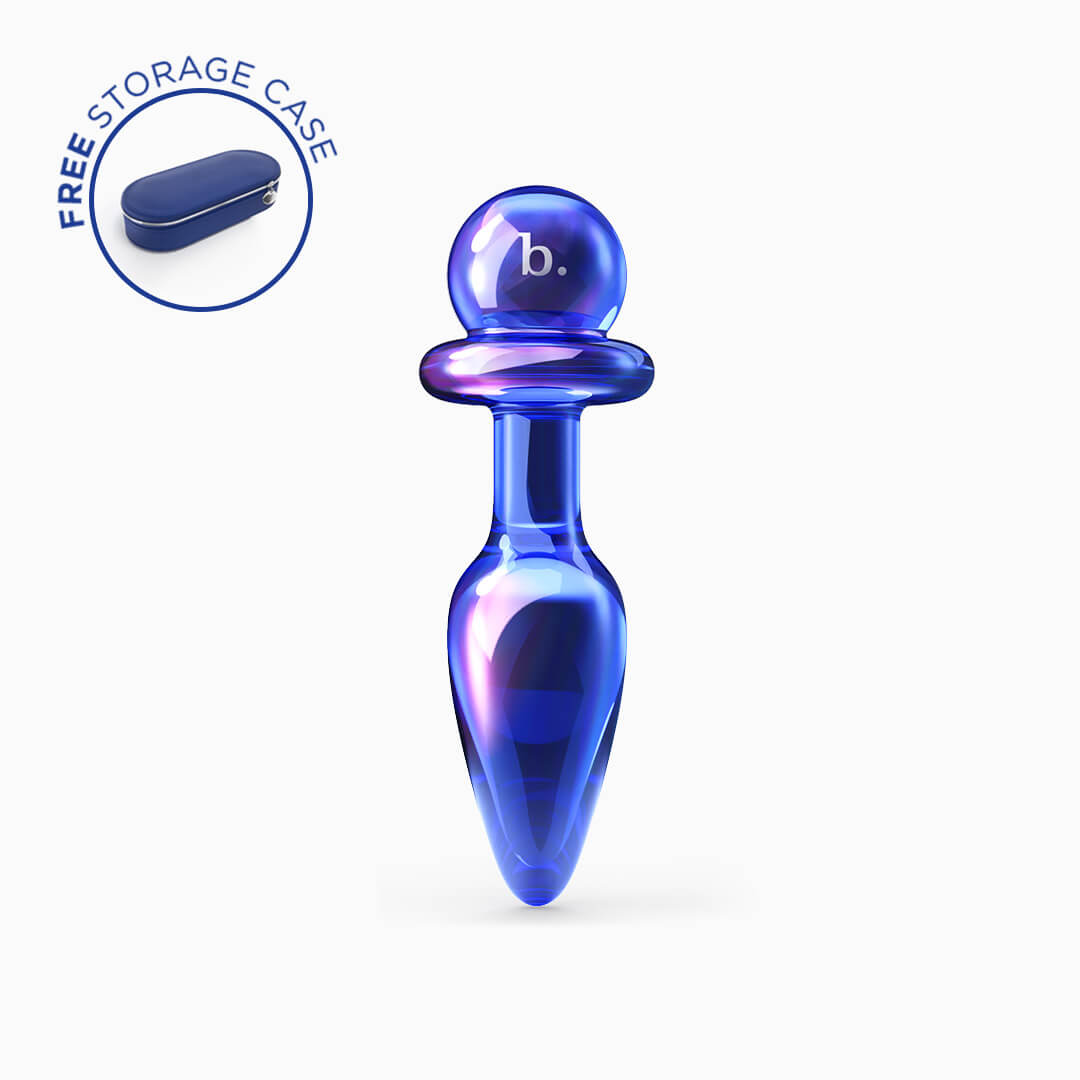
The Anii handcrafted glass plug pairs perfectly with any silicone lube and is one of the most body-safe, luxurious options for anal exploration. Borosilicate glass, non-porous, and compatible with every lube type. It's the kind of toy worth investing in.
Bottom Line
Good lube is not a luxury. It's the most important thing in the drawer. For gay sex and anal play specifically, silicone-based lube wins for longevity and rectal tissue safety. Water-based wins for toy compatibility and condom use. Know your materials, read your ingredients, and use more than you think you need. Your body will thank you for it every single time.
Frequently Asked Questions
What is the best type of lube for gay anal sex?
Silicone-based lube is widely considered the best option for anal sex. It's denser, longer-lasting, and less irritating to the rectal mucosa than most water-based alternatives. Just avoid pairing it with silicone toys.
Can I use water-based lube for anal sex?
Yes, water-based lube works for anal sex and is the safest choice when using silicone toys or latex condoms. Look for a thick, iso-osmolar formula without glycerin for the best experience and least tissue irritation.
Is it safe to use silicone lube with condoms?
Yes. Silicone-based lube is fully compatible with latex condoms. Unlike oil-based lubes, silicone won't break down the latex, making it a safe and reliable choice for protected anal sex.
Why should I avoid numbing lubes for anal sex?
Numbing agents like benzocaine or lidocaine mask pain signals your body uses to warn you about injury. Anal sex without sensation feedback can lead to unnoticed micro-tears or damage. Pain is information. Don't turn it off.
Can silicone lube be used with glass anal toys?
Absolutely. Glass is non-porous and non-reactive, so it's compatible with silicone lube, water-based lube, and even oil-based lube. Silicone lube on a smooth glass toy creates an exceptionally comfortable, long-lasting glide.
How much lube should I use for anal sex?
More than you're currently planning to use. Apply generously both externally and a small amount internally. Reapply throughout the session, especially with water-based lubes that absorb into tissue over time. There's no such thing as too much during anal play.
What lube ingredients should I avoid for anal sex?
Avoid glycerin, parabens, numbing agents like benzocaine or lidocaine, and propylene glycol. Fragrance and flavoring should also stay away from internal tissue. A shorter, cleaner ingredient list is almost always safer for sensitive rectal mucosa.
Is oil-based lube okay for gay sex?
Oil-based lube is not recommended when latex condoms are involved, as it breaks down latex and compromises protection. It can work for barrier-free play but can also disrupt skin microbiome with repeated use. Silicone or water-based options are generally safer and more practical.
What lube works best for anal training as a beginner?
For beginners or anyone doing intentional anal training, a thick silicone-based lube applied generously is the best choice. The long-lasting slip reduces friction during slow, careful exploration. Patience plus proper lube makes a significant difference in comfort and progress.