Add $12.00 to get Free Gift


You grabbed silicone lube because someone said it lasts longer. And now you're down a rabbit hole wondering if it's quietly wrecking your vaginal health. Same, honestly.
The short answer? Silicone-based lubricant is one of the gentler options you can choose for vaginal tissue. But there are a few things worth knowing before you just squeeze it on and go.
Let's actually dig into this.
What Is Silicone Lube, Exactly?
Silicone-based lubricant is made primarily from silicone polymers, most commonly dimethicone, cyclomethicone, or dimethiconol. These are inert compounds, meaning they don't react with your body's chemistry the way water-based formulas sometimes do. They sit on the surface, reduce friction beautifully, and they don't evaporate. That's why a little goes a long way and the sensation lasts so much longer than a water-based alternative.
Unlike water, silicone doesn't absorb into tissue.
It stays on the surface of your vaginal walls, doing its job, without altering the internal environment. This is a genuinely big deal for anyone who's dealt with recurrent infections or sensitivity to certain products, because so many lubes on the market are loaded with preservatives, osmotic agents, or flavoring that actually do interfere with the delicate ecosystem inside.
Is Silicone Lube Safe for Vaginal Health?

Research confirms that silicone lubes are gentle on the epithelial cells lining the vaginal canal, don't cause tissue damage, and don't appear to disrupt the vaginal microbiome with repeated use. That's a meaningful distinction from some water-based lubes, which can have high osmolality levels that actually draw moisture out of vaginal tissue and cause micro-irritation over time.
Silicone doesn't shift your pH.
Your vaginal pH sits in a slightly acidic range, roughly 3.8 to 4.5, and keeping it there is what prevents bacteria like Gardnerella from overpowering the good Lactobacillus strains that protect you. Many lubes, especially glycerin-heavy or flavored ones, can knock this off balance and trigger bacterial vaginosis or yeast infections. Silicone-based formulas, because they contain no water and no osmotic agents, simply don't play that game. Dr. Michael Krychman, a sexual health physician, has noted that silicone lubricants do not contain water and will not impact the vaginal microbiome. That's about as clear an endorsement as you'll hear from someone who spends their career on this.
What About the Silicone Toy Problem?
Here's the one caveat that matters enormously and gets skipped constantly. Silicone lube should not be used with silicone sex toys. When silicone meets silicone, it can degrade the surface of the toy over time, creating tiny pores where bacteria can hide. Those pores don't clean out. That's how a beautiful clitoral vibrator becomes a silent germ reservoir.
If you're using women's vibrators or any toy made from body-safe silicone, pair them with a good water-based lube instead. Glass toys, like the gorgeous Kalii glass G-spot dildo or the Anii handcrafted glass plug, are completely silicone-lube-friendly and easy to clean. Glass is non-porous, temperature-responsive, and frankly underrated.
Who Benefits Most from Silicone Lube?
People navigating vaginal dryness, whether from hormonal changes, medication side effects, postpartum recovery, or perimenopause, tend to find silicone lube genuinely life-changing. Because it doesn't absorb or evaporate, there's no constant reapplication mid-moment. It's also brilliant for anyone with sensitive skin or a history of reactions to preservatives like parabens or propylene glycol.
It's safe for use with latex condoms, which is a frequent concern.
Oil-based lubes are the ones that degrade latex and compromise protection. Silicone does not. So if barrier methods are part of your safer-sex toolkit, silicone lube is fully compatible. It's also waterproof, which makes it the go-to for shower or bath encounters where water-based formulas wash away almost instantly. If you're exploring sensory mapping to discover your body's pleasure potential, having a lube that stays slick without interruption matters more than you might think.
What Ingredients Should You Watch For?
Not all silicone lubes are created equally. The base formula is usually fine, but some brands add fragrance, numbing agents like benzocaine, or warming compounds that have zero benefit for vaginal tissue and genuine potential for irritation. Stick with formulas where the ingredient list is short and the silicone derivatives are listed first.
Simple is almost always better.
Dimethicone, cyclomethicone, or dimethiconol as the primary ingredients? You're in solid territory. If you see a long trail of chemical-sounding extras after those, consider whether you actually need them. Numbing lubes especially deserve a sceptical look. The whole point of sensation is to feel what's happening, and masking discomfort rather than addressing it isn't the flex it's marketed as. Discomfort during sex is information from your body. If that's something you're navigating, reading up on bleeding after sex and when to pay attention might be a useful companion piece.
How to Use Silicone Lube the Right Way
A little truly does go a long way with silicone. Start with a pea-sized amount and add more only if needed. Too much and things get genuinely slippery beyond the fun kind. Apply directly to your body, your partner's body, or the toy's surface if it's made from a compatible material like glass, stainless steel, or ABS plastic.
Clean up is straightforward but needs soap.
Silicone doesn't just rinse off with water the way a water-based lube does. Use a mild soap and warm water on your body and clean toys thoroughly after use. For fabrics, silicone lube can stain, so a towel you don't love is always a good call.
Silicone vs. Water-Based: Picking Your Match
If your priority is toy compatibility and easy cleanup, water-based wins. If your priority is longevity, skin sensitivity, and vaginal microbiome safety, silicone has the stronger case. Many people keep both in rotation and choose based on context. That's honestly the smartest approach. Couples toys that use ABS plastic or glass pair beautifully with silicone lube for extended sessions. Silicone toy users should switch to water-based for those specific encounters.
Neither is universally superior.
What matters is that you're choosing something body-safe, free from known irritants, and appropriate for whatever you're using it with. The "best lube" is the one that works for your body, your partners, and your play style without causing aftermath you didn't sign up for.
Wrapping Up
Silicone lube is genuinely one of the safer lubricant choices out there, especially for vaginal health. It doesn't mess with your pH, doesn't disrupt your microbiome, and doesn't absorb into tissue. The only real rule is to keep it away from silicone toys and read ingredient lists like you'd read a menu at a restaurant you're not sure about.
You deserve a lube that works with your body, not against it.
And if you're just beginning to explore what actually feels good and why, understanding your lubricant options is a genuinely powerful starting point. Your body is worth the extra two minutes of label reading. ✨
Want to make your journey even more exciting? I've handpicked some amazing toys and goodies at Hello Nancy that'll add extra sparkle to your intimate moments. (Here's a little secret — use 'dirtytalk' for 10% off!)
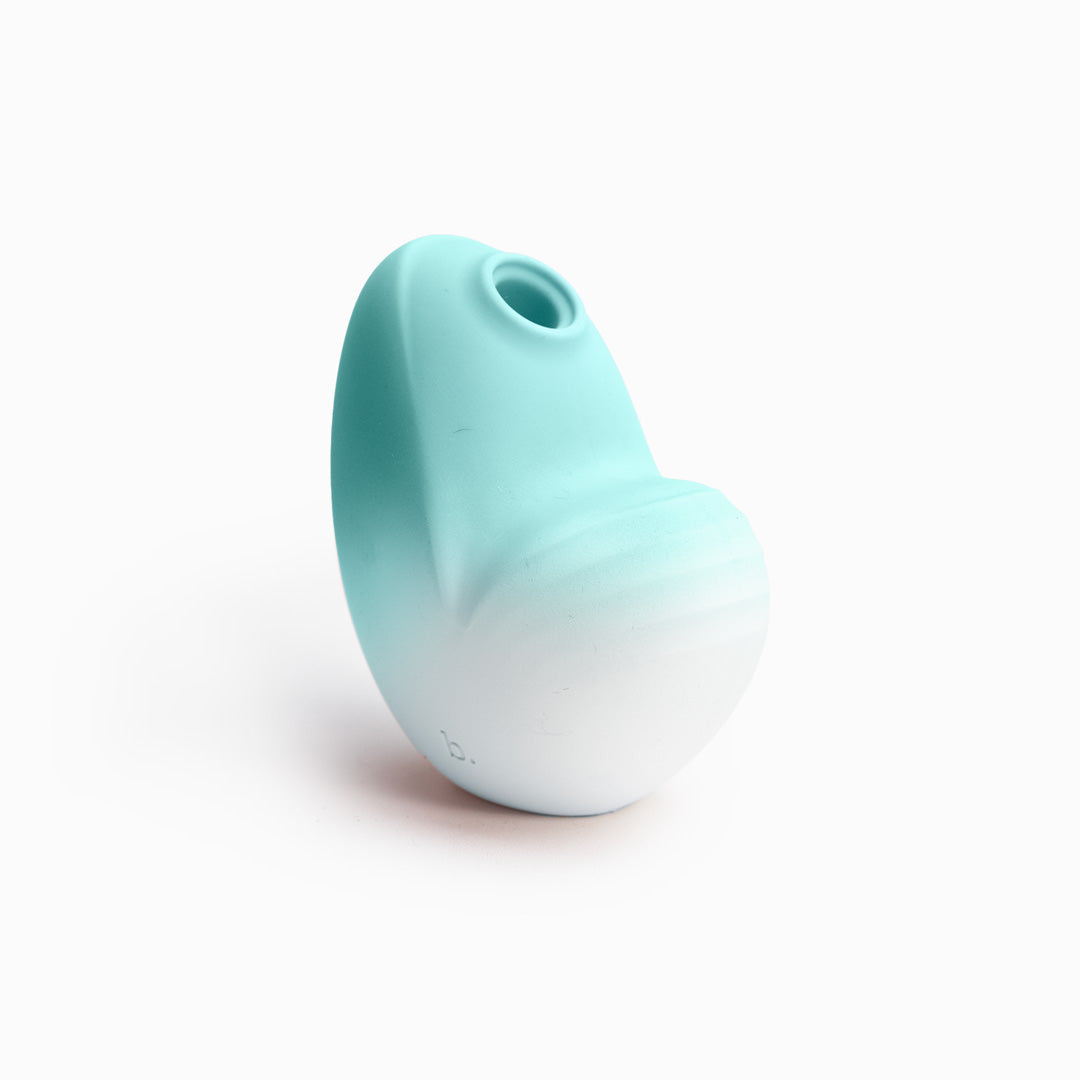
If you want something that plays well with silicone lube, the Namii 2 clitoral suction toy is made with body-safe materials compatible with your lube of choice. It's a dual-action dream for anyone who wants both suction and vibration without compromise.
Frequently Asked Questions
Is silicone lube safe for vaginal use?
Yes. Silicone-based lubricant is considered one of the safest options for vaginal use. It doesn't alter vaginal pH, doesn't disrupt the vaginal microbiome, and doesn't cause damage to the delicate epithelial cells lining the vaginal canal.
Can silicone lube cause yeast infections or bacterial vaginosis?
Silicone lube itself is not known to cause yeast infections or bacterial vaginosis. Because it contains no water, no glycerin, and no osmotic agents, it doesn't interfere with vaginal pH or the bacterial balance the way some water-based lubes can. If you're experiencing recurring infections, the culprit is more likely additives in another product.
Can you use silicone lube with silicone sex toys?
No. Silicone lube can degrade the surface of silicone toys over time, creating porous micro-damage where bacteria can accumulate. Use a water-based lubricant with silicone toys. Silicone lube is safe with glass, stainless steel, and ABS plastic toys.
Is silicone lube safe to use with condoms?
Yes. Unlike oil-based lubricants, silicone lube is safe to use with latex condoms. It doesn't degrade the latex or compromise the condom's effectiveness as a barrier method.
Does silicone lube affect vaginal pH?
No. Silicone lube does not affect vaginal pH. Because it contains no water and no active chemical compounds that react with vaginal tissue, it leaves the natural acidic environment (pH 3.8 to 4.5) completely undisturbed.
How do you clean up silicone lube after sex?
Silicone lube doesn't rinse off with water alone. Use mild soap and warm water to wash it off skin and toys. It can stain fabrics, so using a dedicated towel or sheet protector is a smart habit.
Is silicone lube better than water-based lube for vaginal dryness?
For vaginal dryness, silicone lube often outperforms water-based options because it doesn't evaporate or absorb into tissue. It provides longer-lasting lubrication without needing constant reapplication, which makes it especially useful for people experiencing dryness from hormonal changes, menopause, or medication side effects.
What ingredients should I avoid in silicone lube?
Avoid silicone lubes that contain added fragrance, numbing agents like benzocaine, or warming compounds, as these can irritate vaginal tissue. The cleanest options have a short ingredient list with dimethicone, cyclomethicone, or dimethiconol as the main ingredients and nothing unnecessary added.