Add $12.00 to get Free Gift


Something weird happened when probiotic lube started showing up in wellness circles. People started asking their gynecologists about it, and most gynecologists had to Google it first.
That tells you everything.
Probiotic lubricant sits right at the intersection of two booming wellness conversations: the vaginal microbiome and sexual wellness. It sounds almost too smart to be real. A lube that doesn't just reduce friction but actually supports the ecosystem down there? Let's pull that apart and see what's actually going on.
What Is Probiotic Lube, Exactly?
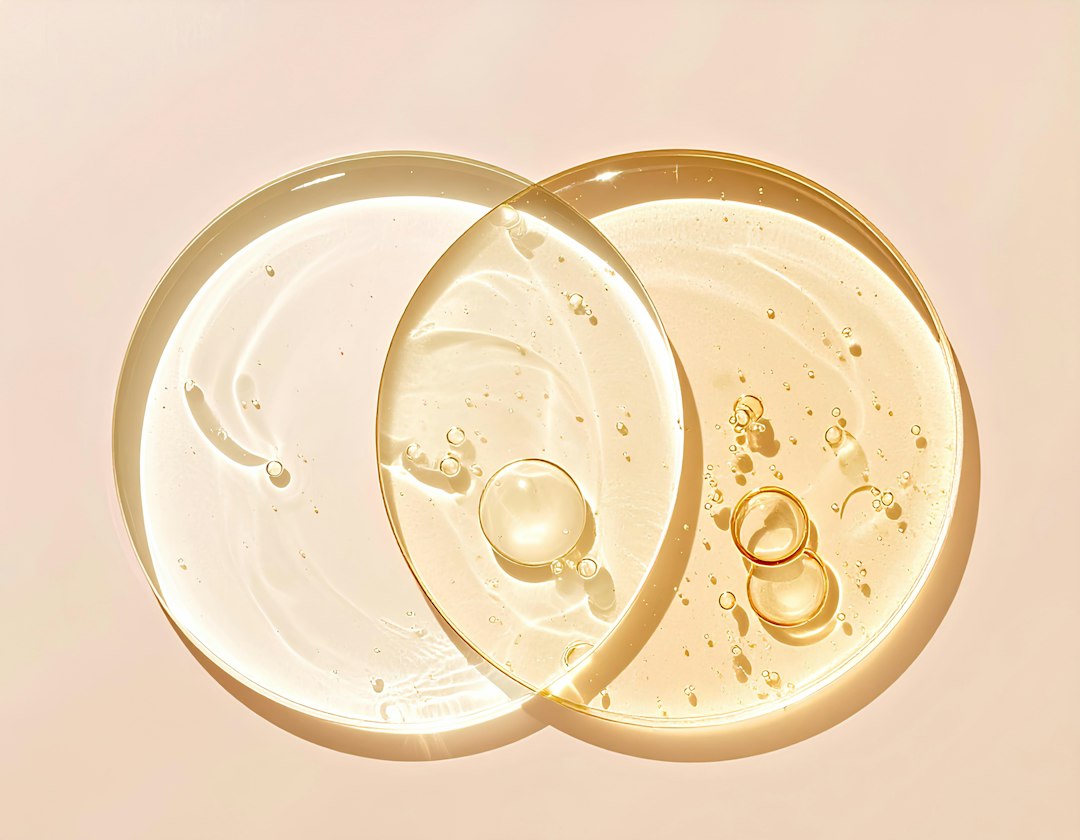
Probiotic lube is an intimate lubricant that contains live or freeze-dried probiotic bacteria, usually strains from the Lactobacillus genus. The idea is simple: your vagina thrives when Lactobacillus dominates the local microbiome, keeping pH low and pathogens out. So why not deliver more of that good stuff directly?
Regular lubricants are designed to reduce friction and increase comfort. Probiotic lubes want to do all that and also nudge your vaginal flora toward a healthier balance. It's an ambitious pitch.
Most formulas lean on strains like Lactobacillus rhamnosus or Lactobacillus crispatus, two bacteria that are naturally abundant in a healthy vagina and are well-studied for their role in defending against bacterial vaginosis (BV) and yeast overgrowth. The key question isn't whether these bacteria do good things. They clearly do. The question is whether delivering them through a topical gel actually works.
The Science: What Research Actually Says

Here's where I have to be honest with you: the research on probiotic lubricants specifically is still young. But the broader science on vaginal probiotics is genuinely promising. A 2020 study published in Scientific Reports found that a Lactobacillus-containing gel showed measurable effects on vaginal microbiome composition in participants with vulvovaginal candidosis, suggesting that topically applied probiotics can survive and interact with the local environment (Ehrström et al., 2020).
That's not nothing.
A 2025 review published in APMIS looked at the potential for probiotic-containing sexual health products to help prevent bacterial vaginosis and other infections, noting that Lactobacillus strains show real promise as a preventative strategy. The researchers were careful, though: they emphasized the need for more rigorous clinical trials specifically on delivery formats like gels and lubes before drawing firm conclusions.
So the honest answer is: probiotics in the vaginal environment? Genuinely beneficial. Probiotic lube as a delivery vehicle? Plausible and promising, but not yet a slam dunk in the clinical literature.
Potential Real Benefits Worth Knowing

Even with the caveats, there are genuine reasons to be interested. A healthy vaginal microbiome means lower pH, which creates an inhospitable environment for BV-causing bacteria and yeast. If a probiotic lube can contribute to that environment, even modestly, that's a real functional benefit on top of the lubrication itself.
People prone to recurring BV or post-sex pH disruption might find it particularly relevant. Sex itself can temporarily shift vaginal pH, especially when semen is involved. A probiotic-infused product used around those moments could, in theory, help buffer that shift.
Dryness during sex is also linked to irritation and micro-abrasions that make infection more likely. Any quality lubricant reduces that risk. A probiotic one just adds another layer of potential protection. Think of it as a two-for-one: mechanical comfort plus biological support.
For people already exploring vibrators for women or other intimate accessories, pairing them with a body-supportive lube makes total sense. Your comfort deserves that level of thought.
What to Watch Out For
Not every probiotic lube is created equal. This matters more than the probiotic claim itself.
The first thing to check is whether the bacteria in the formula are actually alive and viable when the product reaches you. Probiotics are notoriously sensitive to heat, light, and moisture. A poorly preserved formula sitting on a shelf for months may contain little more than dead bacterial matter and wishful thinking. Look for products with specific CFU counts (colony-forming units), expiry dates, and storage guidance.
Second, be wary of products with glycerin, parabens, or high osmolality. These ingredients can disrupt the very microbiome a probiotic lube is trying to support. If the base formula is problematic, no amount of Lactobacillus is going to save it. Always check compatibility with couples toys too, because silicone-based products can degrade certain toy materials.
Is It Right for You?

Probiotic lube probably isn't necessary if your vaginal health is consistently balanced. Your body is already doing a remarkable job on its own.
But if you deal with recurring BV, post-sex discomfort, irritation from regular lubes, or you're in a phase of hormonal change like perimenopause, it's worth exploring seriously. Pair it with a quality clitoral vibrator and your intimate wellness routine starts looking genuinely sophisticated.
Always check in with your gynecologist before relying on probiotic products to manage a recurring condition. They're a supportive addition to your routine, not a standalone treatment.
How Does It Compare to Regular Lube?
A standard water-based lubricant does one job well: it reduces friction. That's genuinely valuable and shouldn't be undersold. Products like those in the broader world of women's intimate wellness often benefit most from simply having a quality, body-safe lubricant on hand.
Probiotic lube does the same job and layers a biological bet on top. The core lubrication function should never be secondary. If a probiotic formula feels thin, uncomfortable, or irritating, it loses to a great plain lube every single time. Probiotic benefits don't outweigh basic comfort.
The best approach? Try a small amount first. Your body will tell you fairly quickly whether it agrees with the formula.
Pairing Lube With Your Pleasure Toolkit
If you're building out a genuinely body-positive intimate routine, lube is only part of the picture. The Berri Edging Clitoral Massager is a gorgeous companion for solo exploration, and its gentle tapping motion pairs beautifully with a smooth, pH-balanced lubricant.
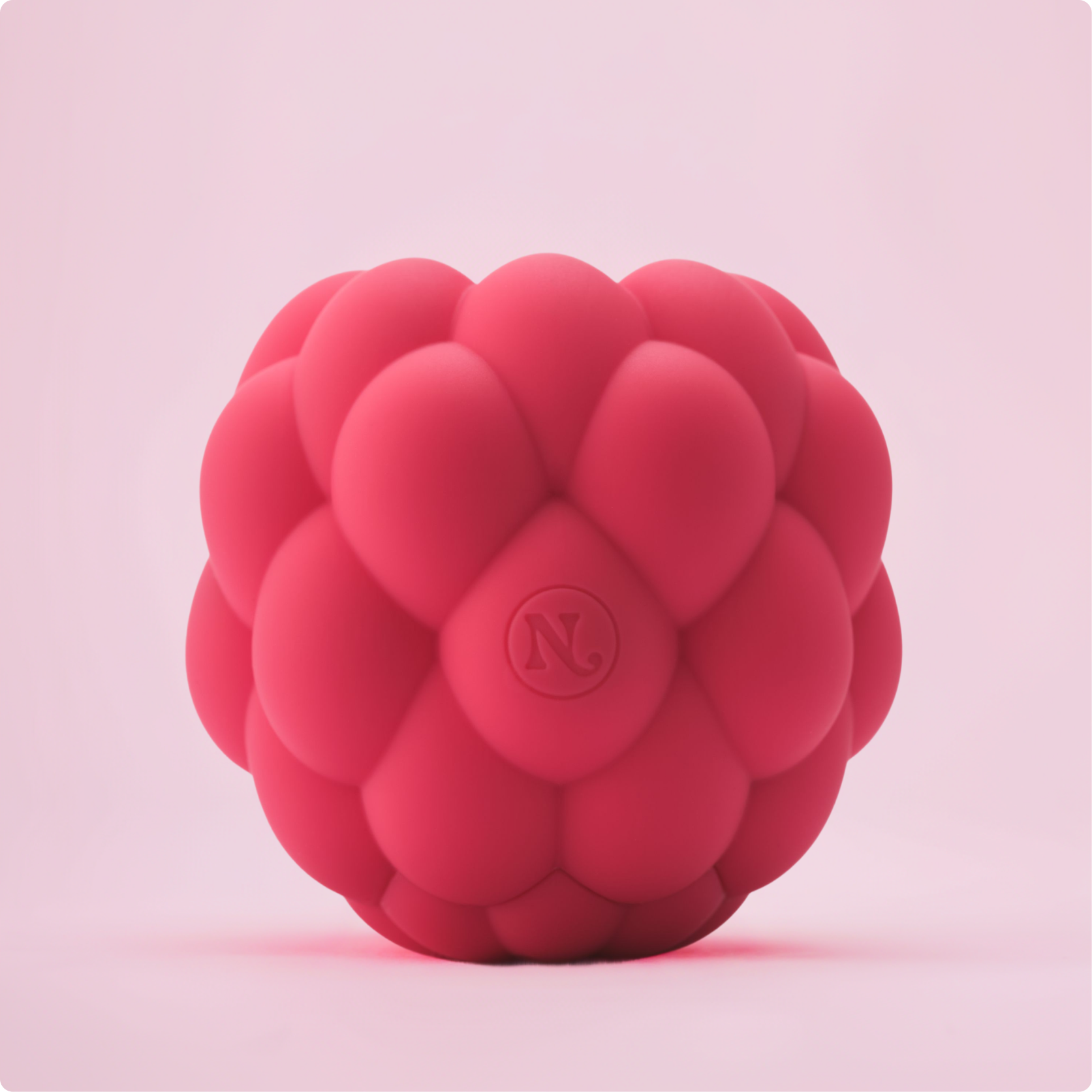
For couples looking to explore together, the Namii 2 Clitoral Suction and Vibrator from our Nancy x Biird collaboration is worth every bit of attention it gets. Body-safe, beautifully designed, and a joy to use with any quality lubricant.
The point is that lube, whether probiotic or plain, works best as part of a thoughtful routine. Not as a magic fix, but as one genuinely considered choice among many.
Bottom Line
Probiotic lube isn't snake oil, but it isn't a miracle either. The science on vaginal probiotics is real and growing. The delivery via intimate gel is plausible. The clinical evidence specific to probiotic lube is still catching up. What you get right now is a product that combines legitimate lubrication benefits with a biologically sensible idea, in a market that needs way more rigorous testing before making bold health claims.
If you're curious, try it with realistic expectations. Your vaginal health deserves products that are thoughtful and body-safe. And you deserve to make that choice with actual information instead of just good packaging.
Want to make your journey even more exciting? I've handpicked some amazing toys and goodies at Hello Nancy that'll add extra sparkle to your intimate moments. (Here's a little secret, use 'dirtytalk' for 10% off!)
Frequently Asked Questions
Does probiotic lube actually help with bacterial vaginosis?
Probiotic lube isn't a treatment for bacterial vaginosis and shouldn't replace prescribed antibiotics. However, regular use may help support a healthier vaginal microbiome environment, which could reduce recurrence risk over time. Always speak with your gynecologist if you're managing BV.
Is probiotic lube safe to use with sex toys?
Most probiotic lubes are water-based, which makes them safe to use with silicone toys. Always check the product label to confirm. Avoid oil-based probiotic lubes with silicone toys, as they can degrade the material.
Can probiotic lube prevent yeast infections?
There's no clinical evidence yet that probiotic lube directly prevents yeast infections. Lactobacillus strains do play a role in keeping Candida in check naturally, so supporting that ecosystem is a reasonable idea. But if you're dealing with a yeast infection, get it treated properly first.
How do I know if the probiotics in my lube are still alive?
Look for products that list a CFU count (colony-forming units) and a clear expiry date. Store your probiotic lube as directed, often in a cool, dark place or refrigerated. If none of that information appears on the label, the probiotic claim is likely more marketing than substance.
Can people with penises also benefit from probiotic lube?
The penis has its own microbiome, though it's less studied than the vaginal one. Probiotic lube is generally safe for all anatomies. The more meaningful benefit during partnered sex may be the pH and microbiome support for the vagina-owning partner.
What Lactobacillus strains should I look for in probiotic lube?
Lactobacillus crispatus and Lactobacillus rhamnosus are the most well-researched strains for vaginal health. Lactobacillus gasseri is also studied in topical vaginal formulations. These are the names to look for on ingredient labels.
Is probiotic lube better than regular water-based lube?
Not necessarily better for everyone. If your vaginal health is balanced and you don't experience recurring issues, a high-quality water-based lube works great. Probiotic lube offers added potential for those with microbiome imbalances or recurring infections.
Can probiotic lube affect vaginal pH?
Yes, this is actually one of the more credible potential benefits. Lactobacillus bacteria produce lactic acid, which lowers pH and keeps the vaginal environment slightly acidic. A probiotic lube that supports Lactobacillus colonization could help maintain that ideal pH range of around 3.8 to 4.5.