Add $12.00 to get Free Gift


Somebody handed you a bottle of coconut oil, said "it's natural, so it's safe," and now you're mid-infection wondering what went wrong. Let's untangle this, because the oil-versus-vagina conversation is way more complicated than the wellness community lets on.
Why Oil and Vaginas Have a Complicated Relationship
Your vagina is not just a passive space. It's a living, self-regulating ecosystem with its own pH, its own bacterial community, and its own very strong opinions about what gets introduced to it. The vaginal microbiome relies on a delicate balance, mostly dominated by lactobacillus bacteria, which keep the environment slightly acidic (typically between pH 3.8 and 4.5). When something disrupts that balance, the whole ecosystem can tip in directions you really don't want.
Oil is a major disruptor.
When oil-based lubricants sit inside the vaginal canal, they create a coating that's genuinely difficult to remove. Unlike water-based products, oils don't simply rinse away. They linger. That lingering creates a warmer, moister, oilier environment, which is exactly the kind of environment that bacteria and yeast thrive in. If you're someone who already leans toward yeast infections or bacterial vaginosis, even one oil-based session can tip the scales.
The Bacterial Vaginosis Connection Is Real
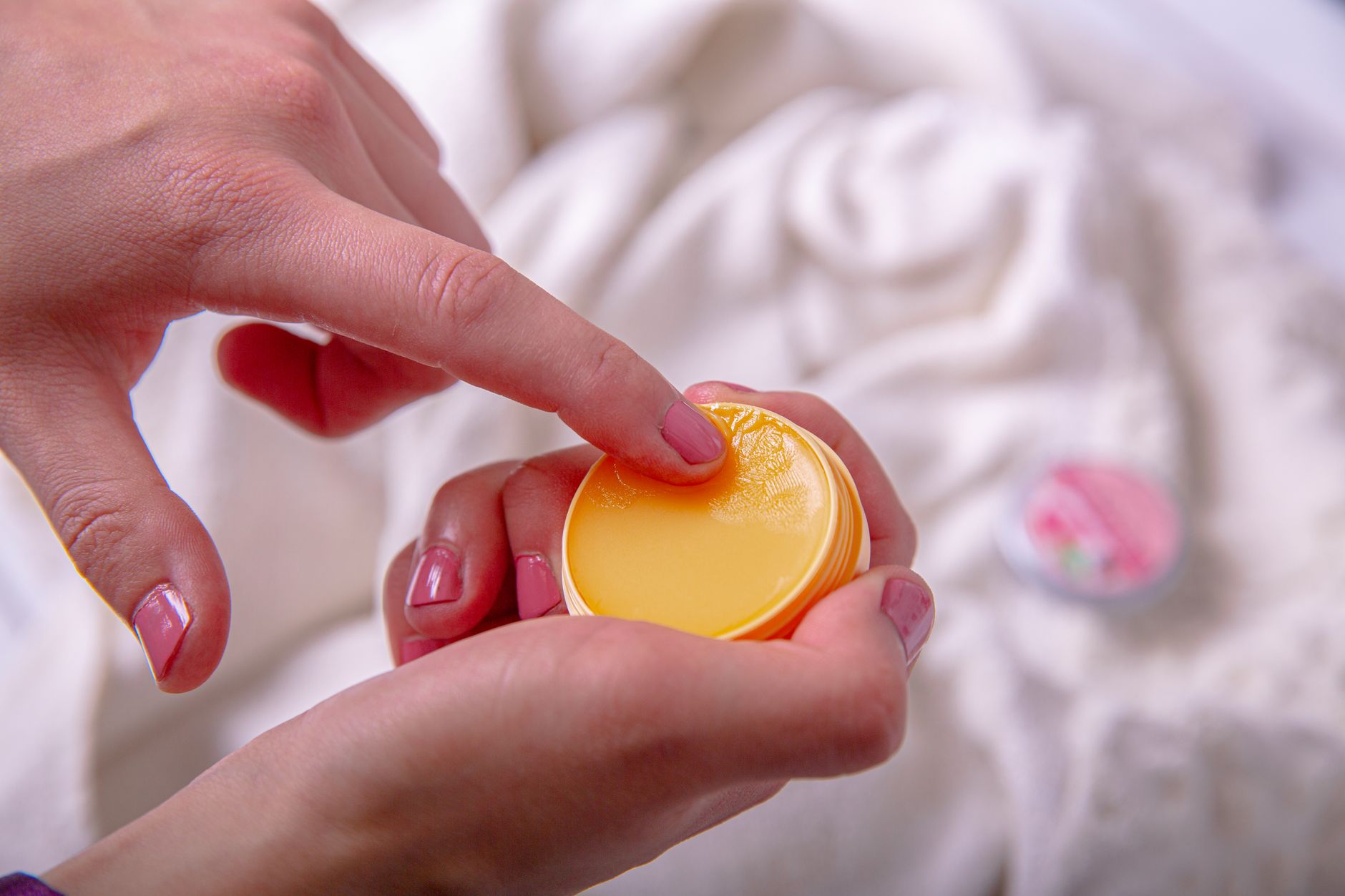
Here's the part people don't expect. Research has found that women who used petroleum jelly as a lubricant were more than twice as likely to have bacterial vaginosis compared to those who didn't. That's not a minor correlation. BV is the most common vaginal infection among people with vaginas aged 15 to 44, and it often comes with unpleasant symptoms including unusual discharge, a strong odor, itching, and burning during urination.
BV happens when the balance of bacteria in the vagina shifts, and harmful bacteria outnumber the protective lactobacillus. Oil creates exactly the kind of anaerobic (low-oxygen) environment where those harmful bacteria multiply fastest. So while coconut oil might smell lovely and feel luxurious, it's essentially rolling out a welcome mat for the wrong kind of guests.
This applies beyond petroleum jelly, too. Most clitoral vibrators and toys come with clear guidance to avoid oil-based lubes for this very reason. It's not arbitrary.
Yeast Infections Are the Other Risk Everyone Underestimates
Candida, the fungus behind yeast infections, loves oil. It really does. Oils provide a slick, hard-to-clean medium that can trap yeast and encourage overgrowth, especially in already warm, enclosed environments. If you've ever wondered why your infection seemed to appear out of nowhere after a particularly great weekend, this might be your answer.
The symptoms are unmistakable once you've had one. Thick, cottage-cheese-like discharge. Intense itching. Redness. Swelling. None of it is fun, and all of it can often be traced back to a disrupted vaginal environment. For people prone to recurring yeast infections, oil-based lubes are simply not worth the risk.
Switching to a body-safe vibrators for women-compatible water-based lube can genuinely make a difference in how often these infections recur.
The Condom Problem Nobody Warns You About
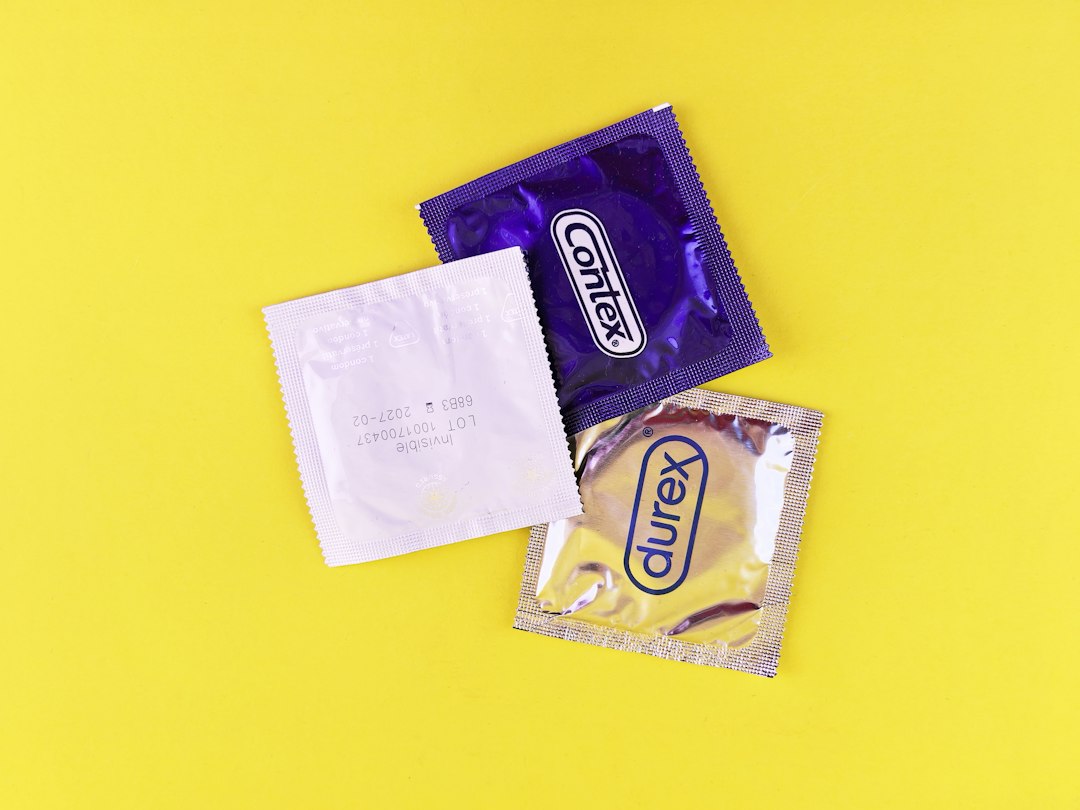
Oil degrades latex. Full stop. If you're using latex condoms or dental dams as part of your safer sex practice, introducing any oil-based product into the mix weakens the latex structure almost immediately. We're talking microscopic tears that make the barrier functionally useless. This isn't a small risk. It affects both pregnancy prevention and STI protection.
Even a small amount of oil matters here. That includes coconut oil, olive oil, almond oil, massage oil, and yes, the fancy artisan stuff someone bought at a farmer's market. If it's oil-based, it interacts with latex. Polyurethane and nitrile condoms are more resistant, but latex is by far the most common material, and it simply can't hold up.
If you're passionate about the transition from massage oil to sex, just keep that transition in mind. Wipe down before introducing any barrier protection.
What About "Natural" Oils Like Coconut or Almond?
The "natural equals safe" logic breaks down here pretty fast. Coconut oil is antifungal in some lab contexts, yes. But in the vagina, it behaves more like a disruption than a remedy. It alters the vaginal pH, coats the tissue in a way that's hard to flush out, and can still feed bacterial growth despite its antifungal properties.
Almond oil, jojoba oil, avocado oil. All beautiful things. All still oil. They share the same core problems: they don't rinse clean, they interact with latex, and they can upset the microbial balance you've spent your whole life maintaining without even realizing it.
Natural provenance doesn't equal vaginal compatibility. Your vagina doesn't care where the oil was cold-pressed.
Who Is Most at Risk?
Some people will use oil once and have no reaction. Others will develop an infection within 24 hours. The difference is mostly about your baseline vaginal microbiome health. People who are prone to recurring BV or yeast infections, those who are immunocompromised, those who are postmenopausal (where the vaginal environment is naturally drier and more fragile), and those who are pregnant all face elevated risk.
It's also worth noting that anal tissue is different from vaginal tissue but still poses risks with oil-based products. The rectum doesn't self-lubricate, has no lactobacillus balance to protect it, and oil residue left behind can irritate the delicate rectal lining and contribute to bacterial overgrowth there too.
What to Use Instead
Water-based lubricants are the most universally compatible option. They're safe with all toy materials, safe with all condom types, and easy to wash away. Silicone-based lubes are long-lasting, body-safe, and excellent for water play. Just don't pair silicone lube with silicone toys since it can degrade the material.
If you're using couples toys together, water-based is almost always your safest bet across the board. Look for products that are pH-balanced, free from glycerin (which can feed yeast), free from parabens, and fragrance-free.
For internal use, especially if you're prone to infections, always check labels. A few minutes of reading can save you a very uncomfortable week.
The Berri edging clitoral massager is a great example of a toy designed with body-safe materials in mind. Pair it with a quality water-based lube and you're genuinely set up for a good time without the aftermath.
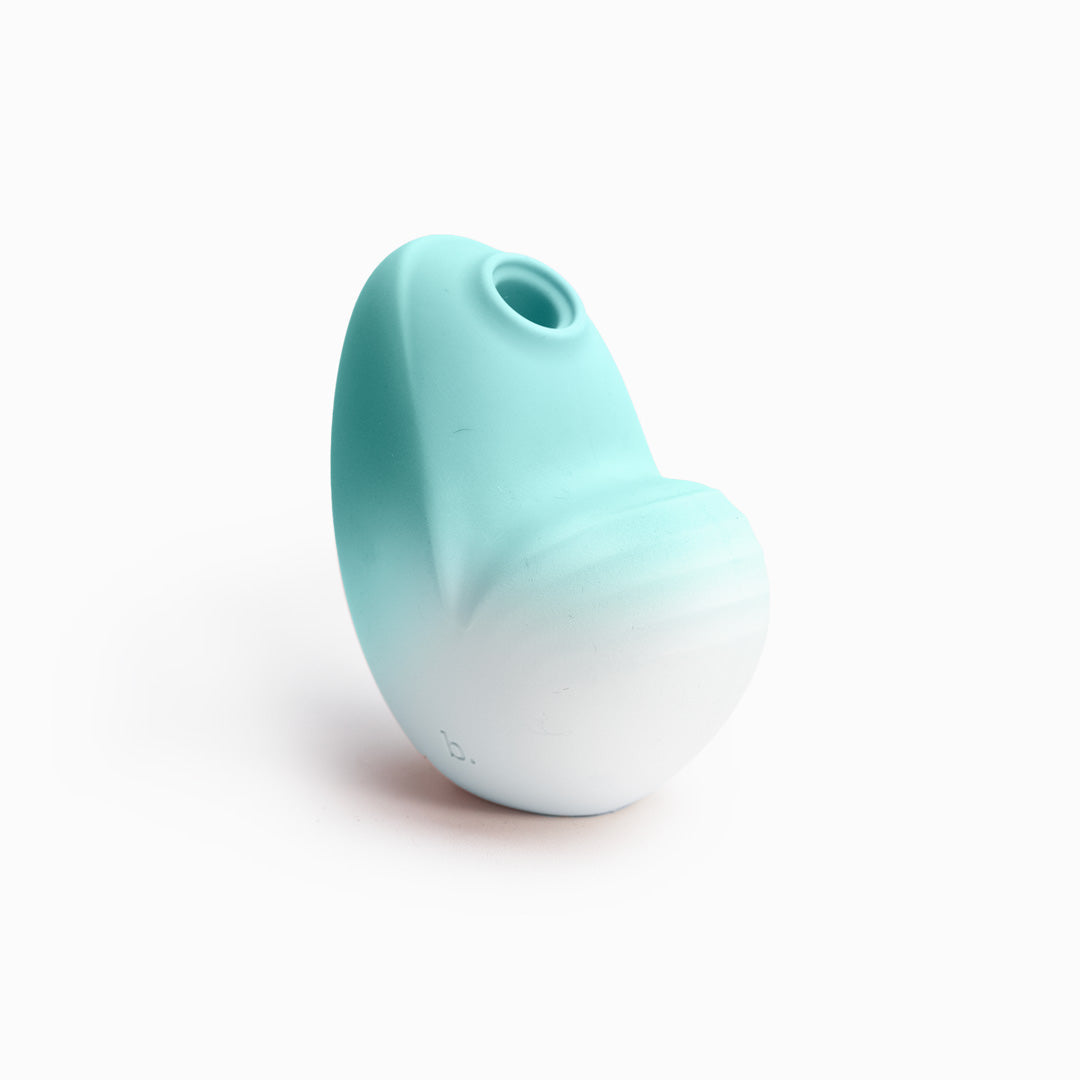
Speaking of body-safe options, the Namii 2 is a clitoral suction and vibration combo that plays beautifully with water-based lubes. No oil required, and honestly, no oil wanted.
Bottom Line
Oil and vaginas have a genuinely complicated dynamic. Natural or not, oil-based lubes carry real risks. They disrupt the vaginal microbiome, elevate the chance of bacterial vaginosis and yeast infections, and compromise latex barriers. Your pleasure matters deeply. And protecting the ecosystem that makes that pleasure possible matters just as much.
You deserve lube that works with your body, not against it. The switch to water-based is simple, and your vagina will thank you almost immediately.
Want to make your journey even more exciting? I've handpicked some amazing toys and goodies at Hello Nancy that'll add extra sparkle to your intimate moments. (Here's a little secret — use 'dirtytalk' for 10% off!)
Frequently Asked Questions
Can oil-based lube cause bacterial vaginosis?
Yes, research shows that oil-based lubricants, including petroleum jelly, are associated with a significantly higher risk of bacterial vaginosis. Oil creates a low-oxygen environment that allows harmful bacteria to multiply while disrupting the protective lactobacillus balance in the vagina.
Is coconut oil safe to use as a vaginal lubricant?
Coconut oil is not considered safe for internal vaginal use. Despite having some antifungal properties in lab settings, it disrupts vaginal pH, is difficult to wash out, degrades latex condoms, and can still contribute to bacterial overgrowth in the vaginal environment.
Does oil-based lube increase the risk of yeast infections?
It can. Oil-based products create a warm, moist, hard-to-clean coating inside the vaginal canal that candida (yeast) thrives in. People who already experience recurring yeast infections are especially vulnerable and should stick to water-based or silicone-based alternatives.
Can oil-based lube break latex condoms?
Yes. Oil degrades latex almost immediately on contact, causing microscopic tears that compromise the condom's ability to prevent pregnancy or STI transmission. If you're using latex condoms or dental dams, always choose a water-based lubricant.
What is the safest lube to use to avoid vaginal infections?
Water-based lubricants are the safest and most universally compatible choice. Look for options that are pH-balanced, glycerin-free, paraben-free, and fragrance-free. Silicone-based lubes are also body-safe and long-lasting, but should not be used with silicone toys.
Who is most at risk of getting an infection from oil-based lube?
People with a history of recurring BV or yeast infections, those who are immunocompromised, pregnant individuals, and postmenopausal people are all at higher risk. A weakened or already disrupted vaginal microbiome has less resilience against the imbalance that oil can cause.
Can you use oil-based lube for anal sex safely?
While the anal canal doesn't have the same pH microbiome as the vagina, oil-based lubes still carry risks. They can irritate delicate rectal tissue, encourage bacterial growth, and still degrade latex condoms and dental dams. Water-based or silicone-based lubes are the better choice for anal use too.
How quickly can oil-based lube cause a vaginal infection?
It varies by person. Some people notice symptoms within 24 to 48 hours of use. Others may have no reaction at all. Your baseline microbiome health is the biggest factor. People with already-disrupted vaginal flora tend to react faster and more severely.