Add $12.00 to get Free Gift



Something happened, your body did something unexpected, and now you're sitting there with approximately seventeen tabs open wondering if that counts. Valid. Completely, utterly valid.
The short answer is yes. You absolutely can squirt without orgasm. The two are related but not the same thing, and once that clicks, a lot of other things start to make a whole lot more sense.
Squirting and Orgasm Are Not the Same Thing

Here's where most conversations about squirting go sideways. Pop culture, mainstream adult content, and even well-meaning sex ed tend to bundle squirting and orgasm together like they're a package deal. They are not. Squirting is a physical response that involves fluid being expelled from the urethra during sexual arousal or stimulation. Orgasm is a neurological event. One involves your bladder and surrounding glands. The other involves your brain firing in a cascade of rhythmic contractions. Both can feel extraordinary. But they do not need to happen at the same time.
Recent research backs this up. A 2024 Swedish cross-sectional study published in Sexual Medicine found that ejaculation or squirting does not necessarily occur in combination with orgasm, with multiple earlier and newer studies confirming the same finding. Your body can do one without the other.
So if you've ever squirted before climaxing, during an orgasm, after one, or without one at all? Every single variation is real and documented.
Where Does the Fluid Actually Come From?
This is the question that trips everyone up, and the confusion is honestly understandable because the anatomy involved is genuinely complex. Squirting fluid primarily originates from the bladder. That's not a myth or a shame spiral waiting to happen. it's just anatomy. During intense arousal, particularly from stimulation of the anterior vaginal wall (the area commonly called the G-spot), fluid accumulates rapidly in the bladder from the Skene's glands and surrounding urethral tissue, then gets expelled during peak stimulation.
The Skene's glands, sometimes called the female prostate, sit near the urethra and are thought to produce a smaller, thicker fluid that is true "female ejaculate." That's chemically distinct from squirt and contains prostate-specific antigen (PSA) and glucose. Squirting, on the other hand, is larger in volume and primarily diluted urine mixed with those glandular secretions. Neither is shameful. Both are just your body doing its thing.
What matters here is that both processes are driven by arousal and stimulation, not by orgasm specifically.
Why Squirting Might Happen Without Coming
Your nervous system runs on pressure and sensation, not timelines. When stimulation hits a certain threshold, especially with consistent G-spot pressure, the pelvic floor muscles respond. Fluid gets released. Orgasm, however, requires a different kind of accumulation. it needs that full neurological build and release cycle to complete.
Sometimes the physical reflex of squirting fires first. Sometimes it fires and orgasm never follows. Sometimes it loops back and happens multiple times around but separate from climax. All of this is within the range of normal sexual response, and none of it means your body is "broken" or that you're doing something wrong. If you're curious about how to prepare practically for squirting, that's a whole separate (and very worthwhile) conversation.
What tends to make squirting more likely, orgasm or not, is a combination of deep relaxation, sustained G-spot stimulation, a full-ish bladder (yes, really), and being genuinely comfortable in your body. Anxiety, performance pressure, or tensing up tend to work against it.
The G-Spot Connection You Need to Understand
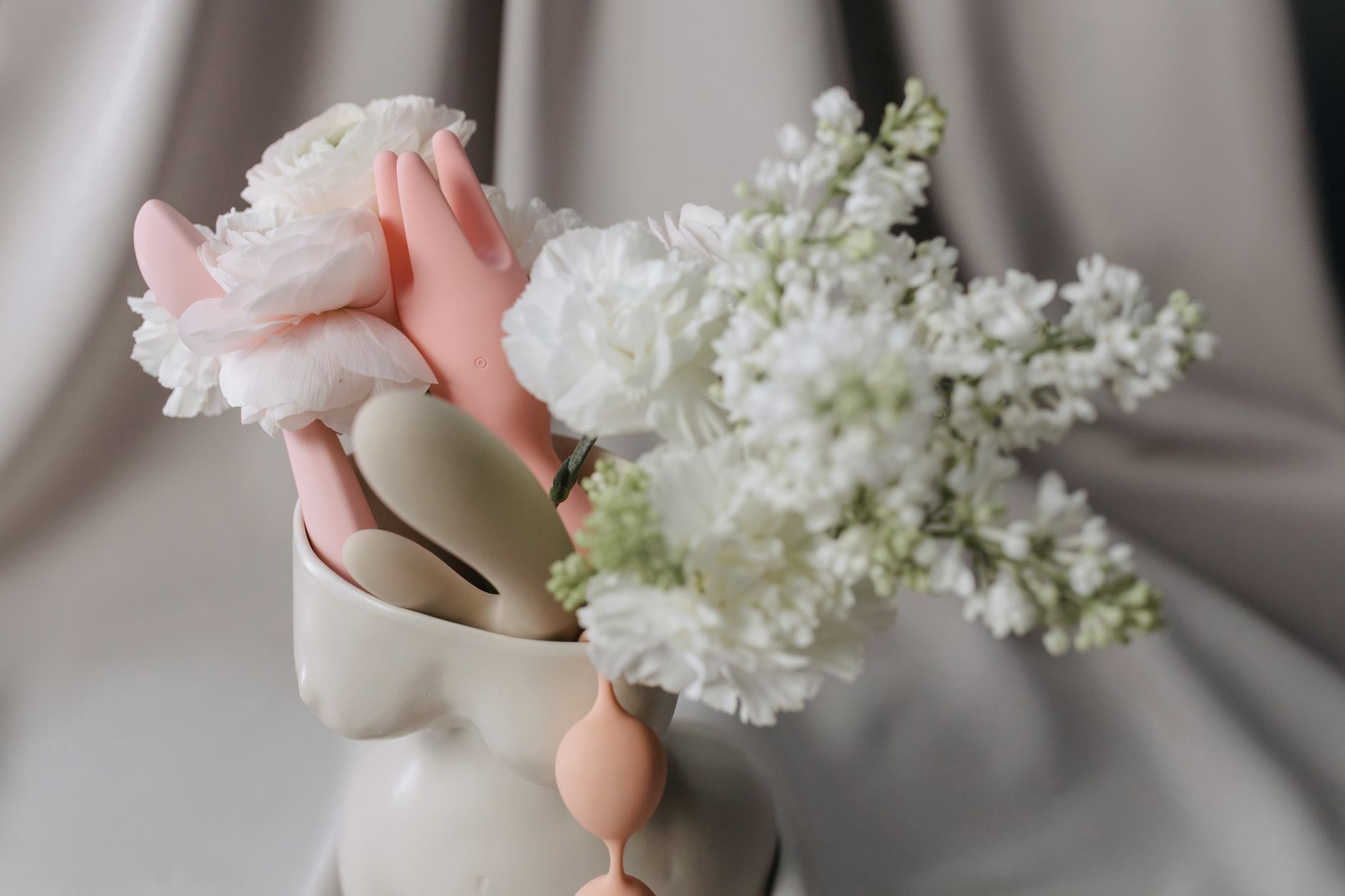
Most squirting experiences involve stimulation of the anterior vaginal wall, the spongy tissue that sits behind the pubic bone. This area, when aroused, swells and becomes more sensitive. Sustained pressure there, whether from fingers, a partner, or a well-designed toy, is what typically triggers the fluid buildup that leads to squirting.
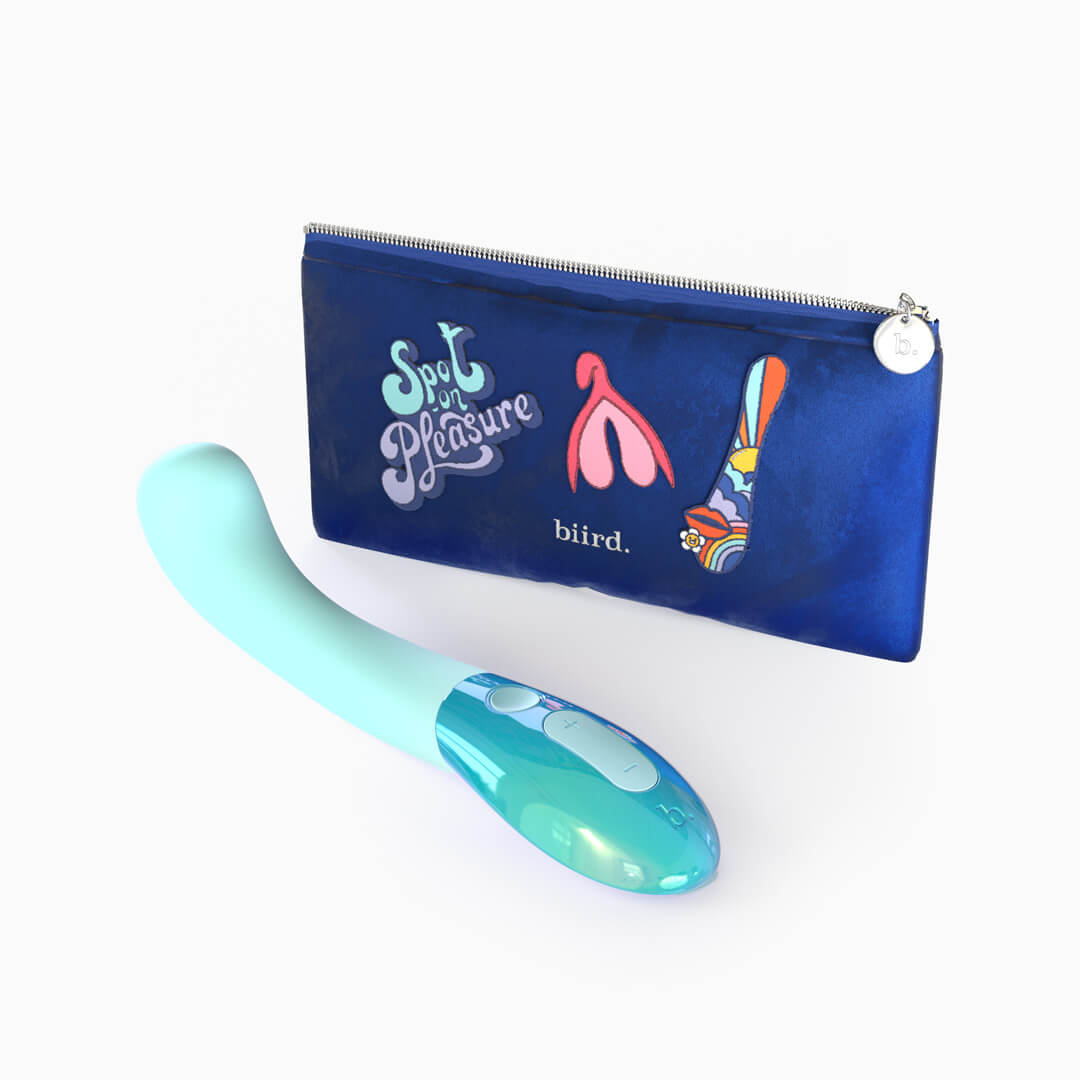
If you want to explore this more intentionally, a G-spot vibrator like the Gii Glow is genuinely useful here. It's designed with a curved tip specifically to reach and stimulate that anterior wall with precision, giving you control over pressure, angle, and rhythm without the guesswork.
The key is sustained, rhythmic pressure rather than quick in-and-out movement. Think slow, deliberate circles or a "come hither" motion against that front wall. Pair that with clitoral stimulation via clitoral vibrators and you've got a setup that makes both squirting and orgasm more accessible, whether they happen together or not.
Common Myths That Are Getting in Your Way

Myth one: if you didn't orgasm, you didn't squirt "correctly." There is no correct. Your body doesn't owe you a synchronized performance.
Myth two: squirting means you're more turned on, more experienced, or more sexually advanced than someone who doesn't squirt. Squirting is a physiological response, not a measure of pleasure or skill. Some people with extremely high arousal never squirt. Some squirt easily with moderate stimulation. Anatomy, pelvic floor tension, hydration levels, and individual nerve distribution all play a role. None of it is a ranking system.
Myth three: if you've never squirted, something is anatomically wrong with you. Not true. Research from Clue suggests that squirting prevalence may be around 5%, while broader forms of female ejaculation may reach up to 54%. That gap tells you everything about how varied this experience actually is.
Myth four: squirting is always dramatic and obvious. For many people it's a trickle, a slow release, or something they only notice after. Not a cinematic gush. Real bodies are wonderfully undramatic.
How to Explore This Without Pressure

If you want to explore squirting intentionally, the single best thing you can do is take the goal off the table entirely. Sounds counterintuitive. But chasing the outcome creates exactly the kind of pelvic tension that prevents it.
Hydrate well beforehand. Empty your bladder partially if you're anxious (a very full bladder can actually feel uncomfortable rather than helpful). Then settle into extended arousal without rushing toward any destination. Use slow G-spot stimulation, breathe into your pelvis, and if you feel the urge to "push out" rather than hold back, follow that impulse gently. Many people block squirting because it feels like they're about to lose bladder control and they tense against it. Leaning into that sensation, rather than gripping against it, is often what allows the release to happen.
Exploring full body foreplay before focusing on the G-spot also dramatically increases the likelihood of any kind of fluid release, because arousal primes all the surrounding tissue.
And look. if you squirt with orgasm, beautiful. If you squirt before orgasm, also beautiful. If you squirt without orgasm and feel satisfied or curious or just a little amazed at your own body, that counts too. Your pleasure doesn't need to check all the boxes to be real. You deserve experiences that feel good on your terms, not on a checklist drawn up by someone else's expectations.
Want to make your journey even more exciting? I've handpicked some amazing toys and goodies at Hello Nancy that'll add extra sparkle to your intimate moments. (Here's a little secret. use 'dirtytalk' for 10% off!)
Frequently Asked Questions
Can you squirt without having an orgasm?
Yes, absolutely. Squirting is a physiological reflex driven by stimulation and arousal, not by orgasm specifically. Multiple studies confirm that ejaculation or squirting does not necessarily coincide with orgasm. They can happen together, separately, or in either order.
What does squirting feel like without an orgasm?
People describe it as a sudden release of pressure, a warm rush, or a sense of letting go that doesn't necessarily carry the full wave of orgasmic contractions. It can feel pleasurable, neutral, or just surprising. The experience varies widely from person to person.
Is squirting just peeing?
It's complicated, but the honest answer is: mostly no, not entirely. Squirting fluid originates largely from the bladder and contains diluted urine mixed with secretions from the Skene's glands. It is not the same as ordinary urination, even though the two share anatomical pathways.
Why did I squirt but not orgasm?
Your body hit the threshold for a fluid-release reflex before the neurological build-up needed for orgasm reached its peak. This is normal. Squirting is triggered by pressure and stimulation of the anterior vaginal wall, while orgasm requires a more complete arousal cycle to complete.
What percentage of people with vulvas can squirt?
Research estimates vary significantly. Squirting specifically may occur in around 5% of people, while broader female ejaculation experiences may affect up to 54%. The wide range reflects how differently people define and recognize the experience.
How can I learn to squirt without an orgasm?
Focus on sustained G-spot stimulation using slow, consistent pressure rather than chasing climax. Staying relaxed, breathing into your pelvis, and resisting the urge to tense against the sensation of fullness are all key. Remove the goal, and paradoxically, the experience tends to happen more easily.
Does squirting without orgasm mean I'm not fully aroused?
Not at all. Squirting without orgasm simply means your body responded to one stimulus before the other completed. High arousal is a prerequisite for squirting, so it actually suggests strong physical responsiveness. Orgasm and squirting just run on different tracks.
Can using a sex toy help with squirting?
Yes. A curved G-spot vibrator is especially useful because it reaches the anterior vaginal wall with precision. Combining G-spot stimulation with vibrators for women designed for internal use gives you consistent, targeted pressure that's hard to replicate manually for extended periods.
Is it normal to squirt multiple times without orgasming once?
Yes, this happens. Some people can squirt repeatedly in a single session without reaching orgasm at all, while others squirt once then climax. There's no standard sequence. Your body's response pattern is individual, and all variations are within normal range.