


 Add $12.00 to get Free Gift


Somebody handed you a bottle with a dreamy label and a list of ingredients you can barely pronounce, and now you're standing in your bathroom wondering if this thing actually does anything. Valid question. Let's find out.
The Short Version: Your Skin Is Doing the Heavy Lifting
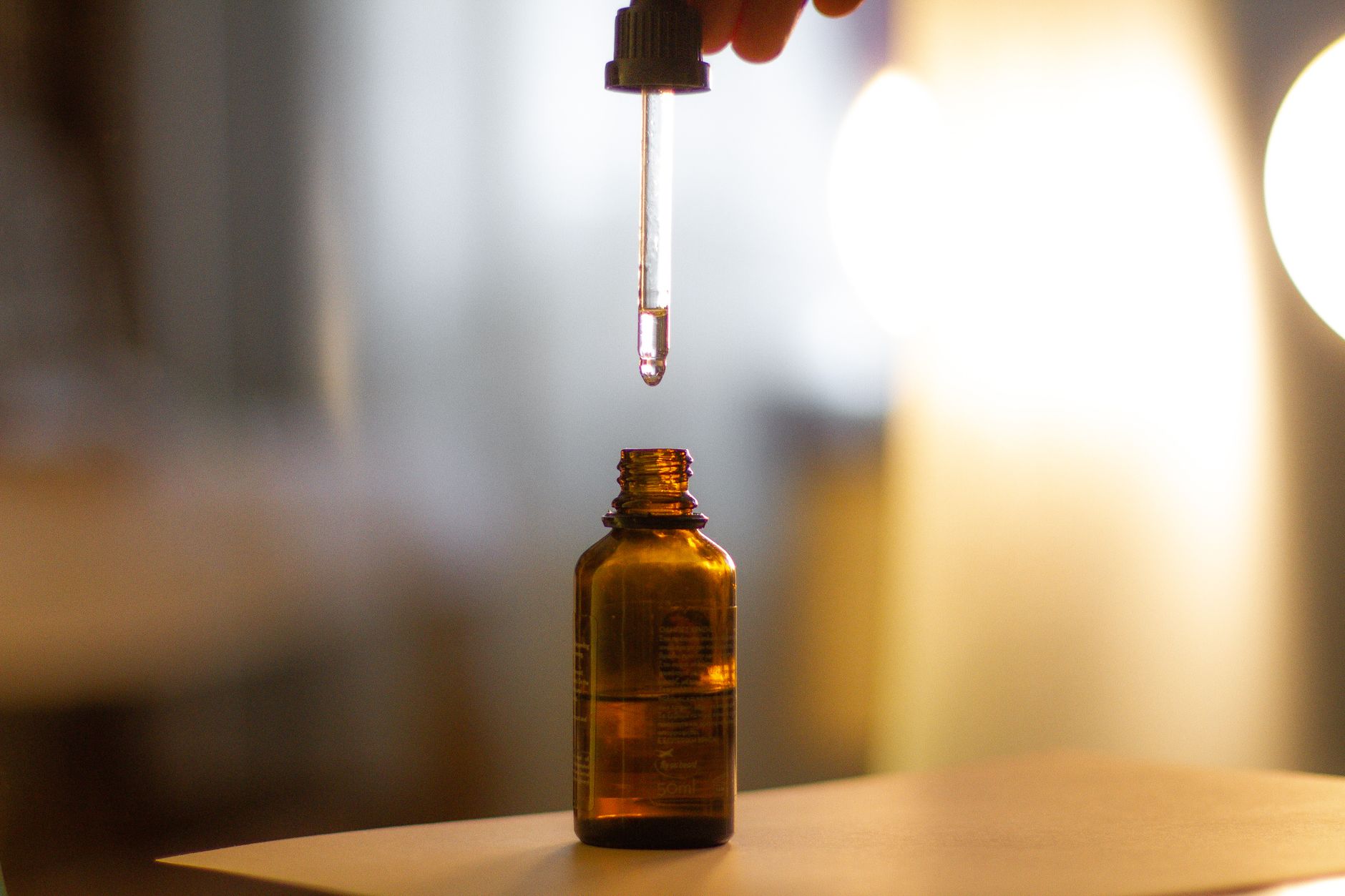
Arousal oils work through one main mechanism: increased blood flow to the genitals. That's it. When blood rushes to the clitoris and surrounding tissue, sensitivity spikes, natural lubrication increases, and everything just feels more switched on. The ingredients that genuinely earn their spot on the label are the ones that actively encourage that process. The fillers and fluff? They smell nice. That's about all.
Blood flow is the whole game.
So when you're scanning an ingredient list, the real question isn't "does this sound botanical and luxurious?" The question is: does this ingredient actually dilate blood vessels, trigger nerve endings, or create a physiological warmth response topically? If the answer is yes, it's earning its keep. If the answer is "it smells like a spa," you're paying for vibes, not results.
The Ingredients That Actually Do Something
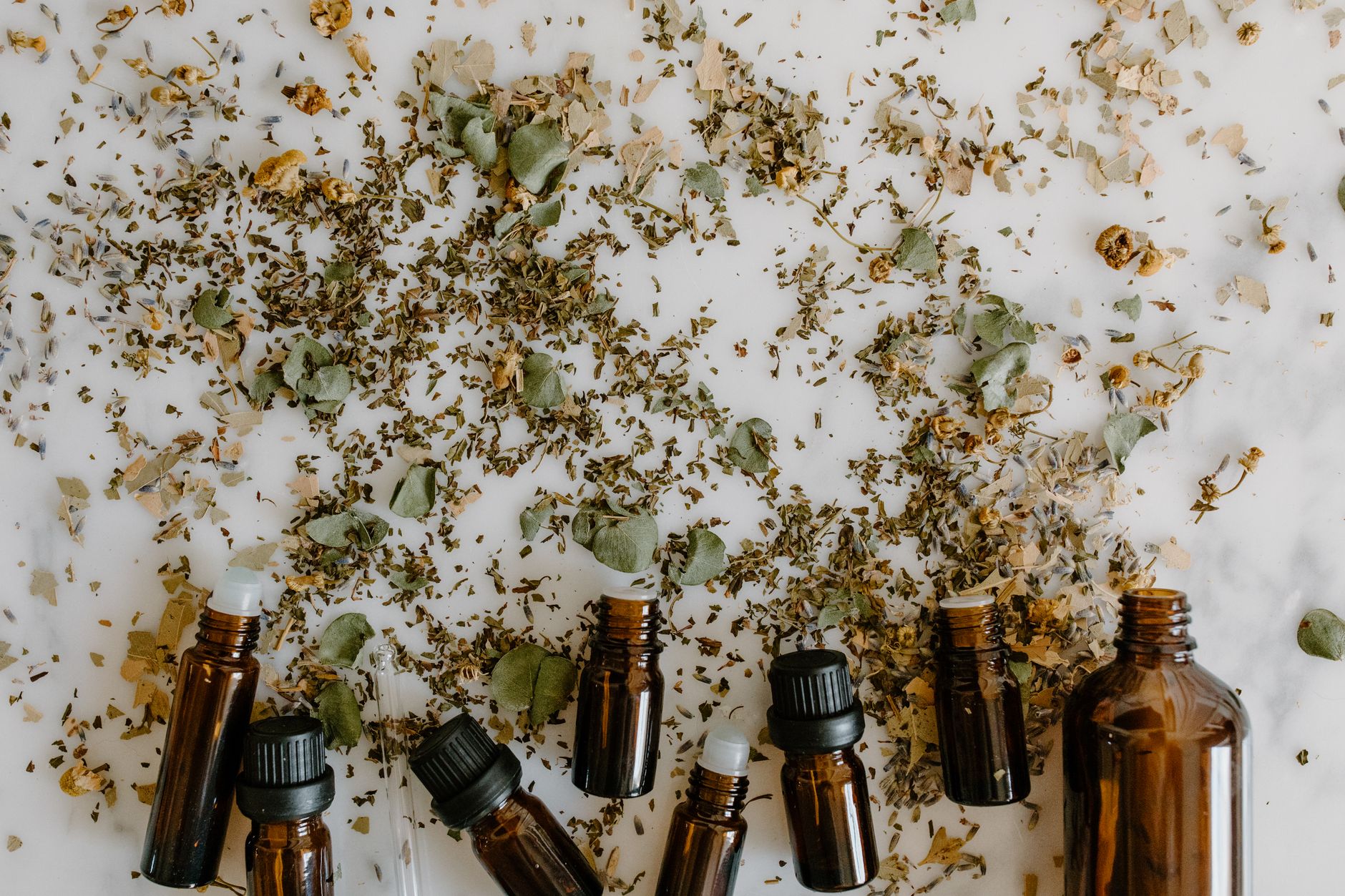
L-Arginine and L-Citrulline: The Nitric Oxide Duo
These two amino acids are the most scientifically supported ingredients in any topical arousal product. L-arginine stimulates the production of nitric oxide in the body, which causes blood vessels to dilate. Applied topically to the clitoris, this translates to measurably increased blood flow and heightened sensitivity. A 2025 study published in the journal Therapeutic Advances in Urology found that topical L-citrulline and L-arginine gel led to a measurable increase in clitoral blood flow within just five minutes of application (Pandit et al., 2025). That's not marketing copy. That's a measurable physiological response.
L-citrulline is the quieter partner in this pair. The body converts it into L-arginine, which makes it a kind of slow-release booster for nitric oxide production. Together, they create a cascade that is genuinely useful.
Menthol: The Tingle Has a Purpose
That cooling tingle you feel with certain arousal oils? It's not purely a sensory gimmick. Menthol activates TRPM8 receptors in the skin, triggering a temperature sensation that dramatically increases nerve sensitivity in the applied area. Research on topical clitoral compounds has shown that menthol also acts as a vehicle, helping other active ingredients like L-arginine absorb more effectively through mucous membranes. So menthol isn't just making things feel interesting. It's unlocking the door for other ingredients to get where they need to go. ✨
The concentration matters, though. Too much menthol tips from tingle into burn, and that's genuinely uncomfortable.
Peppermint, Ginger, and Cinnamon: The Warmth Trio
These botanicals have overlapping but distinct effects. Peppermint contains natural menthol compounds, so it brings the same TRPM8-activating properties. Ginger is a natural vasodilator, meaning it encourages blood flow on its own terms, and it has a gentle warming quality that many people find pleasant rather than sharp. Cinnamon works similarly, creating a mild heat response at the skin's surface that increases circulation in the area.
All three are well-tolerated by most people when used in diluted, skin-safe concentrations. If you see these in an oil's ingredient list alongside a carrier like MCT coconut oil, that's a genuinely thoughtful formulation.
CBD and Hemp Extracts: The Relaxation Layer
Here's where things get a little more nuanced. CBD doesn't directly cause arousal, and anyone claiming it does is overreaching. What it does do is reduce localized tension and anxiety, both of which are massive friction points when it comes to actually getting into it. When the nervous system isn't bracing itself, the body can receive sensation more openly.
Topical CBD also has mild anti-inflammatory properties, which can make everything feel more comfortable, particularly for people who experience any discomfort during intimacy. Think of CBD less as a spark and more as clearing the runway. If anxiety or tension is what's keeping arousal at a distance, it genuinely helps.
Kava Kava and Cardamom: The Supporting Cast
Kava kava has anxiolytic properties, meaning it reduces anxiety, and when applied topically it creates a mild numbing-then-sensitizing effect that some people find incredibly useful for getting out of their heads. Cardamom is more of a circulatory support ingredient with a warm, spiced scent. Neither is a star ingredient on its own, but in combination with the vasodilators above, they add a genuinely pleasant layer to the experience.
The Ingredients That Are Just Vibes
Lavender. Rose absolute. Jasmine. These smell beautiful. They contribute to a sensory experience that feels indulgent and intentional. But their direct physiological impact on arousal is minimal at best. Scent does influence mood, so there's a secondary effect there, but if you're paying a premium for a product that is 90% botanical fragrance and 10% actual vasodilators, you're essentially buying a very romantic lotion. That's fine if you know what it is. It becomes a problem when brands lean on the floral ingredient list to imply efficacy they can't deliver.
What to Look For on the Label
If you want an arousal oil that actually works, scan for at least two of the following before you commit: L-arginine or L-citrulline, menthol or peppermint extract, ginger or cinnamon, and a quality carrier oil like MCT coconut oil or jojoba. MCT coconut oil is particularly useful because it's lightweight, absorbs quickly, and doesn't disrupt vaginal pH the way heavier oils sometimes can.
One thing that matters as much as the ingredient list? The base. If the carrier oil is thick, occlusive, or heavily fragranced, it can interfere with how the actives penetrate. Lightweight carriers let the good stuff actually reach tissue.
And yes, if you're using clitoral vibrators alongside an arousal oil, you'll want to check compatibility. Most oil-based arousal products are not safe with latex and can degrade silicone toys. Glass or ABS plastic toys are your friends here.
How to Actually Use Arousal Oil
Timing is everything. Most oils need three to five minutes to start working, so applying and immediately expecting fireworks is a recipe for impatience. Apply a few drops to the clitoris and labia, let it absorb, and then ease in. Combine it with foreplay, breath, and genuine attention and the results are noticeably different.
Less is more with the actives, especially menthol and cinnamon. Start with a small amount and build from there. If something stings or feels too intense, wash it off with water and try a lower-concentration product next time. Your comfort zone is not a fixed thing; it shifts with every product and every body.
If you're exploring arousal-enhancing tools more broadly, pairing an oil with a quality vibrator for women can amplify both. The oil lowers the threshold for sensation, the vibrator does the rest. Many people report that using both together feels entirely different from using either alone.
For something that pairs beautifully with a sensory-forward experience, the Berri tapping clitoral massager is worth a look. Its gentle tapping motion works well with heightened surface sensitivity from an arousal oil, rather than overwhelming it.
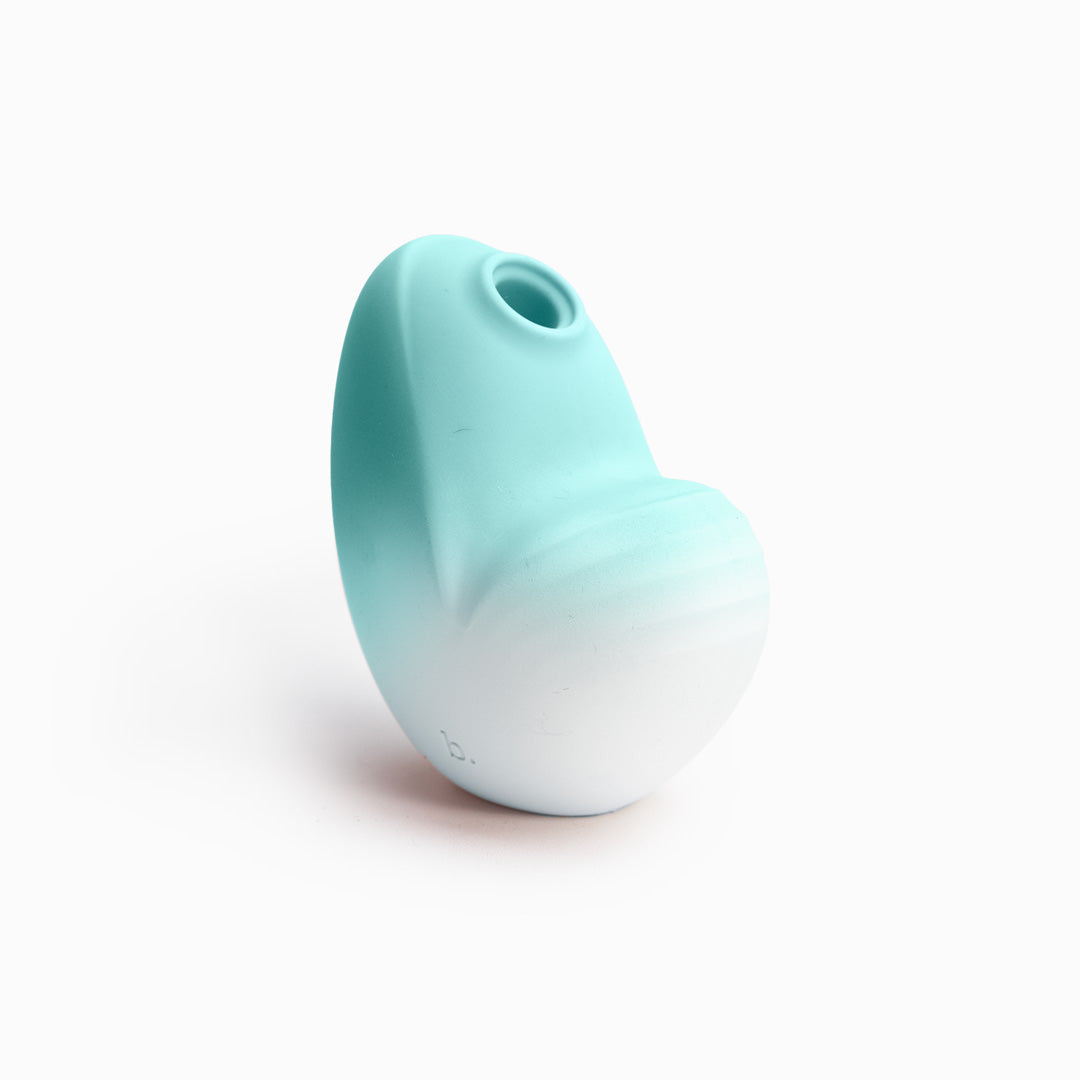
Speaking of amplified sensation, the Namii 2 combines clitoral suction and vibration in a dual-action format that works in remarkable harmony with arousal oils. The suction mechanism mimics the same blood-flow principle the oils use, so combining them is kind of like stacking the deck in your favor.
A Note on Skin Sensitivity
Genital tissue is some of the most sensitive tissue on your body. Patch testing is not optional, it's genuinely smart. Apply a tiny amount to your inner wrist first. If you notice redness, burning beyond a mild tingle, or any swelling, that product isn't for your chemistry. Some people react to cinnamon or high-menthol concentrations specifically. This isn't a failure. It's just information.
Also, if you're pregnant, nursing, or managing any kind of vulvar skin condition, run new topical products past a healthcare provider first. The ingredients in arousal oils are largely botanical, but botanical does not automatically mean benign at all concentrations.
Bottom Line
Arousal oils can be genuinely useful, and there's real science behind the best formulations. The difference between a product that works and one that just smells like a wellness retreat comes down to whether the ingredient list includes actual vasodilators and nerve activators, not just vibes in a bottle. Look for L-arginine, menthol, ginger, and a lightweight carrier. Skip anything that leads with florals and buries the actives in fine print.
You deserve a product that actually delivers. And now you know exactly what to look for.
If you want to explore more about how masturbation benefits your relationship, we've covered that too. Your solo pleasure practice and your partnered intimacy are connected in more ways than you might expect.
Want to make your journey even more exciting? I've handpicked some amazing toys and goodies at Hello Nancy that'll add extra sparkle to your intimate moments. (Here's a little secret — use 'dirtytalk' for 10% off!)
Frequently Asked Questions
What are the best ingredients in arousal oil for women?
The most effective ingredients are L-arginine, L-citrulline, menthol, ginger, and cinnamon. These work by increasing blood flow to genital tissue and activating nerve endings, which raises sensitivity and makes arousal easier to access. A lightweight carrier like MCT coconut oil helps these actives absorb efficiently.
Does CBD in arousal oil actually work?
CBD doesn't directly trigger arousal, but it can reduce localized tension, anxiety, and mild inflammation. For people whose arousal is blocked by stress or discomfort, CBD creates a more receptive physiological state. Think of it as clearing the runway rather than starting the engine.
How long does arousal oil take to work?
Most arousal oils need three to five minutes after application before the effects are noticeable. Apply to the clitoris and surrounding area, let it absorb, and allow time for the vasodilation to begin before expecting a strong response.
Is arousal oil safe to use with sex toys?
Oil-based arousal products are not compatible with latex or silicone toys, as the oil can degrade the material. Glass, ABS plastic, and stainless steel toys are safe to pair with oil-based formulas. Always check your toy's material before combining it with an oil-based product.
Can arousal oil cause irritation or a burning sensation?
Yes, some ingredients like cinnamon, high-concentration menthol, or peppermint can cause burning or stinging in sensitive tissue. A mild tingle is normal, but sharp burning is a sign to wash the product off and try a gentler formulation. Always patch test on the inner wrist first.
What is the difference between arousal oil and regular lubricant?
Lubricant reduces friction and is applied to ease comfort during penetration or external stimulation. Arousal oil is applied beforehand to increase sensitivity, blood flow, and the physiological readiness for arousal. They serve different purposes and can be used together in many cases.
What should I avoid in arousal oil ingredients?
Avoid products with synthetic fragrance, parabens, glycerin (which can disrupt vaginal flora), and petroleum-derived oils. Products that lead their ingredient list with florals and have only trace amounts of active vasodilators are mostly marketing rather than function. Read beyond the front label.
Can arousal oil help with low libido?
Arousal oils address physical sensitivity, not hormonal or psychological drivers of libido. They can make arousal easier to access in the moment, but they won't resolve underlying causes like stress, hormonal imbalances, or relationship dynamics. They're a useful tool, not a treatment.


