


 Add $12.00 to get Free Gift


Nobody hands you a manual. And yet here we are, wondering why the experience keeps falling flat when it could be absolutely electric.
Fingering is one of the most underrated, misunderstood, and honestly overlooked skills in the bedroom. Most people rush it, skip the warm-up, or treat it like a gateway to something "more important." Spoiler: this is the main event.
Let's fix that.
Why Fingering Deserves Your Full Attention

Here's something the culture gets catastrophically wrong. Fingering isn't foreplay. For millions of people with vulvas, manual stimulation is the main course.
A landmark study published in the Journal of Sex and Marital Therapy found that nearly 37% of women required clitoral stimulation to reach orgasm, compared with only 18% who said penetration alone got them there. That gap is huge. And it tells us everything about where our focus should actually be going.
The hands are precise instruments. They can adjust pressure instantly, change angle mid-motion, and respond to the softest signal from a partner's body. No toy, no matter how thoughtfully designed, can replicate that real-time feedback loop. That said, pairing fingers with quality clitoral vibrators can genuinely take things to another level when you're ready to explore further.
Getting good at this is one of the most generous things you can do for a partner. Full stop.
Before You Touch Anything: Setting the Stage

Arousal isn't a switch. It's a slow, building wave.
The biggest mistake people make is diving straight in before the body is ready. Physically, the vagina needs time to produce natural lubrication and for the internal tissue to engorge with blood. Skipping this stage is like trying to start a car engine in freezing weather with no warm-up. You might get there eventually, but it's going to be rough and uncomfortable.
Start with kissing. Take it seriously. Let it last longer than feels polite. Run hands over the body without going anywhere near genitals yet. Build anticipation until your partner is practically pulling you in. That tension, that aching want, is exactly what makes the orgasm explosive when it finally arrives.
Nail care matters more than you'd expect. Short, smooth nails are non-negotiable. File down any rough edges. Wash hands thoroughly before starting. These are not optional steps.
Understanding the Anatomy (Non-Boring Version)
Knowing what you're working with changes everything.
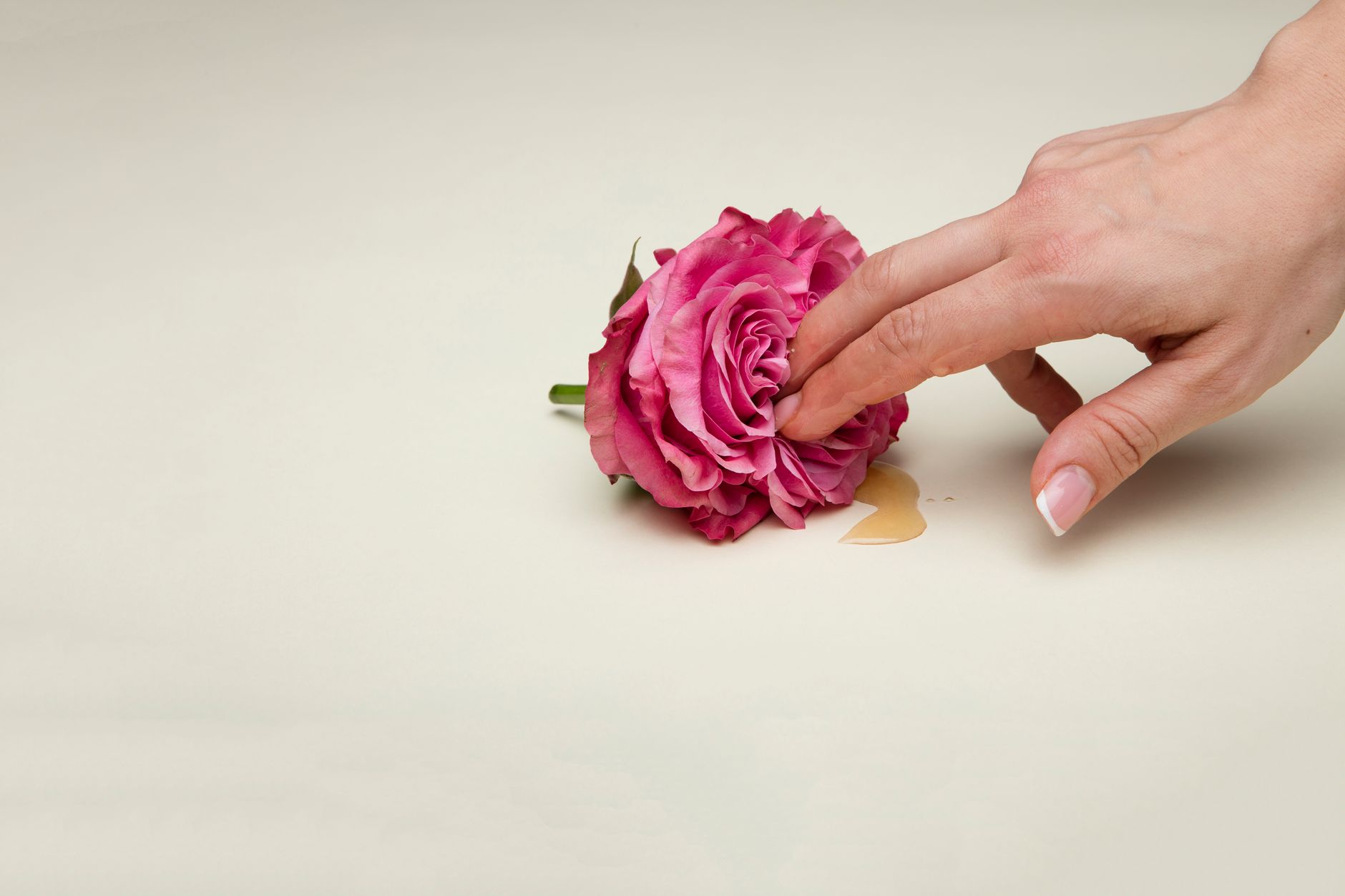
The clitoris is not just that small visible nub at the top of the vulva. It's actually a wishbone-shaped internal structure that extends around 10 centimeters into the body, wrapping around the vaginal canal. The external part you can see and touch is just the tip, literally. Stimulating it directly from the outside is powerful, but understanding that it has internal roots explains why internal pressure also feels so good.
The G-spot sits about 2 inches inside the vagina on the front wall, which is the side facing the belly button. According to Dr. Kate Balestrieri, a licensed psychologist and certified sex therapist, the G-spot is most likely the internal root of the clitoris rather than a completely separate structure. It tends to feel slightly rougher and spongier than surrounding tissue, almost like the ridged surface of the roof of your mouth.
Knowing both of these zones exist and roughly where they live means you're not fumbling in the dark. You have a map.
The Fingering Techniques That Actually Work

There's no single universal move. Every body is different. But some techniques have an unusually high success rate.
External Clitoral Stimulation First
Start outside. Always. Use one or two fingers to stroke the clitoral hood gently in slow circular motions. The hood is that soft fold of skin covering the clitoral glans. Direct contact on the glans itself can feel too intense early on, so working through or around the hood gives a more buffered, buildable sensation. Let your partner's reactions tell you whether to increase pressure or keep it light.
Consistency is the secret weapon here. Most people switch technique or speed right at the moment when repetition would have built an orgasm. Find what's working and stay there. Resist the urge to mix things up when the signals are good.
The Come-Hither Motion for the G-Spot
Once your partner is well-aroused and naturally wet (or with a generous amount of lube), insert one finger slowly and curl it toward you in a "come here" beckoning gesture. That curling motion is aimed directly at the front wall of the vagina where the G-spot lives.
You're looking for a slight textural change, a patch that feels a little rougher or more ridged than the smooth surrounding tissue. When you find it and apply firm, rhythmic pressure, many people describe it as an almost uncomfortably full sensation that quickly converts to intense pleasure. That fullness is actually a good sign. It means you've found the right spot.
Start with light, consistent strokes and let your partner's breathing, body tension, and vocalizations guide your pressure and pace. Some people prefer a faster, firmer flutter-stroke while others respond to slow, deep, deliberate pressure. Neither is wrong. Read the room, or rather, read the body.
Combining Both Zones Simultaneously
This is where full-body, shaking orgasms actually come from.
Use the fingers of one hand to work the G-spot internally while using your thumb, palm, or even the fingers of your other hand to maintain pressure on the external clit. This dual stimulation activates the clitoris from both inside and outside simultaneously, creating an intensity that neither approach can achieve alone. It takes coordination, but it's worth practicing.
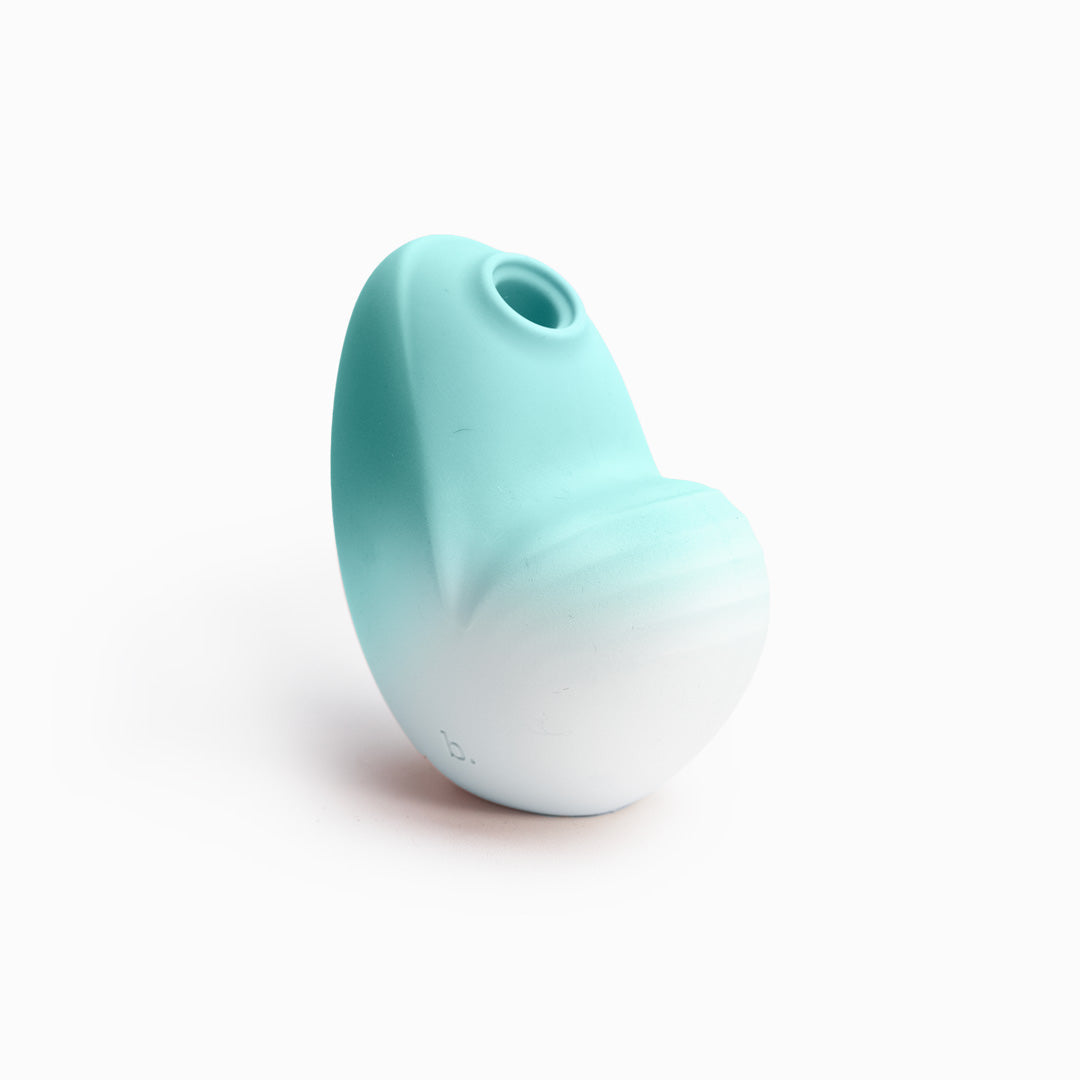
If coordination feels tricky, a clitoral suction and vibration toy like the Namii 2 can handle the external stimulation while your fingers focus on the G-spot internally. Think of it as teamwork between hands and technology.
Reading Your Partner's Body Like a Pro
Orgasms don't arrive from nowhere. They build through a series of very readable physical signals, and learning to spot them means you'll never stop too early again.
As arousal increases, breathing gets shallower and faster. The inner labia will darken slightly in color and swell. The vaginal walls produce more natural lubrication. Muscle tension increases across the thighs, stomach, and pelvic floor. Many people will involuntarily arch their back or press their hips toward your hand. These are all green lights telling you the technique is working. Keep going.
Right before orgasm, many people hold their breath momentarily. Some will grip the sheets, their partner's arm, or anything nearby. The pelvic floor muscles often flutter or tighten noticeably around your fingers. When these signs appear, this is not the time to slow down or switch things up. Maintain exactly what you're doing. Pressure, speed, location, all of it. Stay the course.
Common Mistakes That Kill the Moment
Let's be real about the things that quietly derail even the most well-intentioned session.
Changing technique every 30 seconds is the number-one orgasm-killer. It's tempting to try new things, but when a technique is clearly working, switching is like unplugging a phone that's at 98% battery. Patience is the actual skill. Asking too frequently mid-session in an anxious way can also break concentration for the person receiving. Check in naturally, read their body language, and ask open questions outside of the bedroom about what feels good.
Another underrated mistake is forgetting lube. Even when natural lubrication is present, adding a good quality water-based lubricant reduces friction and makes every motion more fluid and pleasurable. And going too hard too fast with internal pressure is a common error. The G-spot needs a body that's fully aroused and engorged to respond well. Rush it and you'll get discomfort, not pleasure.
Communication doesn't have to be clinical. Simple phrases like "does this feel good?" or "harder or softer?" normalize the conversation and make a partner feel seen rather than scrutinized.
The Squirting Question: What's Actually Happening
Squirting, sometimes called female ejaculation, is a topic that confuses a lot of people because the cultural mythology around it is enormous and mostly inaccurate.
Scientifically, the fluid released during squirting originates from the Skene's glands, which are located near the urethra. It's not urine, though it may contain trace amounts of urea. Not every person with a vagina will squirt, and that's completely normal. The capacity for it is anatomical, not a measure of how aroused someone is or how skilled their partner is. Putting pressure on a partner to squirt is counterproductive and honestly a bit unkind.
If it happens naturally during G-spot stimulation, wonderful. If it doesn't, the intense G-spot orgasm itself is the goal worth chasing. Some people experience deep, full-body shaking without any ejaculation at all, and that experience is just as valid and just as incredible.
Aftercare: The Part People Always Skip
Aftercare is not just for BDSM. It belongs in every intimate encounter.
After an intense orgasm, the nervous system goes through a significant transition. Endorphins spike and then gradually drop. Some people feel euphoric, others feel briefly emotional or vulnerable. The body temperature often rises and then drops quickly. Gentle physical contact like holding, soft touch, or simply staying present matters enormously in the minutes after a powerful orgasm. It signals safety and care.
Offering water, a blanket, or just quiet closeness costs nothing and means everything. It's also what makes a partner want to have that experience with you again.
For those curious about building a dedicated pleasure toolkit, exploring vibrators for women alongside manual skills creates a richer, more versatile intimate experience. And if you want to deepen the connection with a partner through shared exploration, couples toys designed for mutual pleasure are genuinely worth investigating.
Your pleasure and your partner's pleasure deserve the same thoughtfulness you'd bring to anything else you care about. If you've ever wanted to explore the edge of playful intensity with a partner, building strong fingering skills is one of the best foundations you can lay first.
Bottom Line
Fingering is a learnable skill. It rewards attention, patience, and a genuine interest in your partner's experience.
Start slow. Prioritize arousal before touch. Learn the anatomy. Use lube. Read the body instead of following a script. And when something is clearly working, stay with it until the finish line. The screaming, shaking, crying orgasms aren't magic. They're the result of someone actually paying attention.
You've got everything you need. Go be a generous lover. ✨
Want to make your journey even more exciting? I've handpicked some amazing toys and goodies at Hello Nancy that'll add extra sparkle to your intimate moments. (Here's a little secret. use 'dirtytalk' for 10% off!)
Frequently Asked Questions
How long should fingering last before she has an orgasm?
There's no fixed timeline, and chasing one creates pressure that actually delays orgasm. Most people with vulvas need 20 minutes or more of sustained arousal and stimulation. Focus on consistent technique and body signals rather than watching the clock.
What is the best finger position for G-spot stimulation?
Insert one or two fingers palm-side up and curl them in a "come here" beckoning motion toward the front wall of the vagina, about 2 inches in. You're looking for a slightly rougher, spongier patch of tissue. Apply firm, rhythmic pressure once you locate it.
Should I use lube when fingering my partner?
Yes, almost always. Even if your partner produces natural lubrication, adding a water-based lubricant reduces friction significantly and makes every motion more comfortable and pleasurable. It also prevents micro-irritation over longer sessions.
Why can't my partner orgasm from fingering even though she seems aroused?
The most common culprits are inconsistent technique, switching pressure or speed right as things build, or insufficient warm-up time before starting. Mental distraction or performance anxiety on either side can also suppress orgasm even when physical arousal is high. Slow down, stay consistent, and create a low-pressure environment.
What does a G-spot orgasm feel like compared to a clitoral orgasm?
Clitoral orgasms tend to feel more localized and sharp. G-spot orgasms are often described as deeper, fuller, and more wave-like, sometimes accompanied by full-body muscle contractions or a feeling of emotional release. Combining both types of stimulation simultaneously tends to produce the most intense result.
Is squirting the same as having an orgasm?
Not necessarily. Squirting (female ejaculation) can happen during orgasm, before it, or independently. It originates from the Skene's glands near the urethra and is not a requirement for an intense orgasm. Many people have powerful full-body orgasms without squirting at all.
How do I know if my fingering technique is actually working?
Watch for faster, shallower breathing, involuntary hip movement toward your hand, increased natural lubrication, muscle tension in the thighs and abdomen, and vocalizations. These are reliable physiological indicators that arousal is building well. If they appear, maintain your current technique without switching.
Can fingering alone cause a full-body shaking orgasm?
Absolutely yes. Shaking during orgasm is a natural nervous system response to intense pleasure. It often happens when both the internal G-spot and external clitoris are stimulated together over a sustained period. Consistent dual stimulation is the most reliable path to that full-body response.
What should I do after my partner has an intense orgasm from fingering?
Stay present and gentle. Offer soft physical contact, water, or a blanket. The body goes through a significant hormonal shift after intense orgasm and some people feel briefly emotional or vulnerable. Quiet closeness and warmth signal care and safety, and honestly make the whole experience more meaningful.


