Add $12.00 to get Free Gift


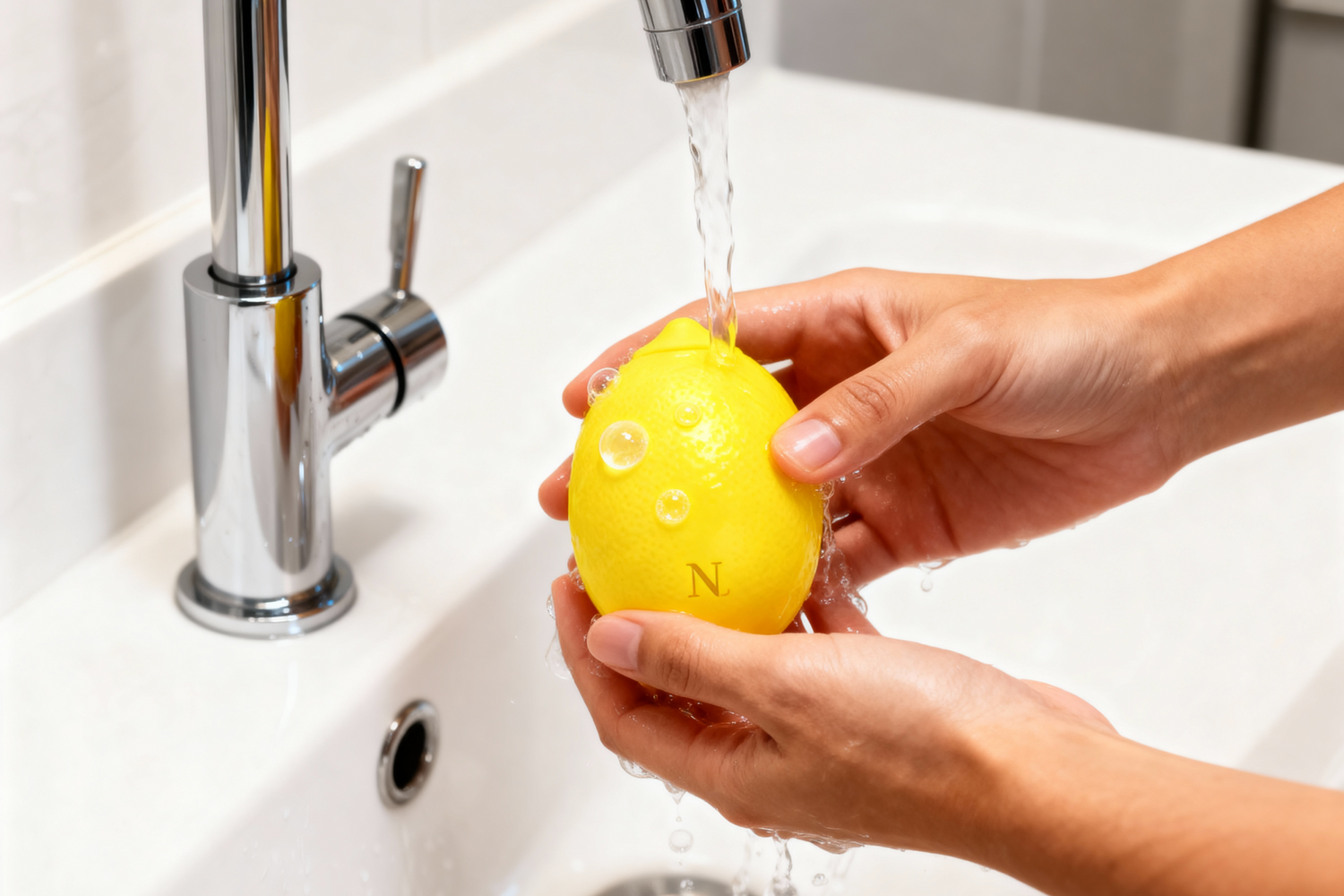
Let's talk about something we all think about but rarely discuss openly, keeping our intimate toys squeaky clean.
Nothing kills the mood faster than worrying about hygiene when you're in the middle of some personal pleasure time, and keeping your sex toys clean is a vital part of sexual health and pleasure. (Plus it prolongs their lifespan so you can enjoy them for longer!) Whether you're using a clitoral vibrator, dildo, or couples toy, knowing how to properly clean sex toys helps prevent irritation and possible infections after intimate moments.
If you've ever wondered "What's the safest way to clean my sex toys?" or "Can dirty toys cause infections?", this guide has you covered.
Why Sex Toy Cleaning Is Essential for Sexual Health
Sex toys come into direct contact with sensitive genital tissue, which means improper cleaning can introduce bacteria, fungi, and yeast into the body. Not a good vibe, particularly if you're prone to issues like BV or Thrush. If you want to understand more about BV, including causes, symptoms, and treatment, this Hello Nancy guide to bacterial vaginosis explains everything you need to know.
Not cleaning sex toys properly can lead to several risks and if toys are shared, there is a potential for transmitting sexually transmitted infections (STIs). Improper cleaning can also cause skin irritation or allergic reactions, and neglecting proper care may result in the faster breakdown and damage of toy materials.
Know Your Sex Toy Materials
This matters more than you think. Different materials require different cleaning methods. Understanding what your toy is made from is one of the most important steps in sex toy hygiene.
How to Clean Sex Toys Properly (Step-by-Step)
Preparing Your Toy for Cleaning
Before cleaning any sex toy, it's important to check whether it is fully waterproof or only splash-resistant. Electronic components should never be submerged unless clearly labelled as waterproof. Removing batteries or disconnecting charging cables before cleaning helps prevent damage and ensures safety.
Identifying the toy's material ahead of time will also help you choose the most appropriate cleaning method. Always follow the manufacturer's instructions when cleaning your toys to avoid damage.
Knowing your toy material matters more than you think. Different materials require different cleaning methods. Understanding what your toy is made from is one of the most important steps in sex toy hygiene.
Cleaning Non-Porous Sex Toys
Non-porous sex toys should be cleaned after every use using warm water and a mild, unscented soap. Washing thoroughly removes bodily fluids and bacteria, while rinsing well ensures no soap residue remains that could irritate sensitive skin. After washing, the toy should be dried with a clean, lint-free cloth and left to air-dry completely before storage.
Waterproof vibrators like the AVO clitoral massager make this process especially simple, allowing for thorough cleaning without compromising the toy's performance.
For deeper sanitisation, all silicone toys (like dildos without any electronics), stainless steel, or glass toys can occasionally be boiled for several minutes.
Cleaning Porous Sex Toys
Porous toys should be cleaned immediately after use with warm water and mild soap, taking extra care to rinse thoroughly. Moisture trapped in the material can promote bacterial growth, so allowing the toy to air-dry completely is especially important.
Even with diligent cleaning, porous toys cannot be fully disinfected. If a toy begins to smell unusual, feel tacky, or change colour, it should be replaced, as these are signs of material breakdown.

How to Clean Air Suction (Air Pulse) Sex Toys
Air suction and air pulse toys like Lem or Avo require a slightly different cleaning approach because they contain a small opening that directs pulses of air rather than direct contact vibration. After each use, gently rinse the nozzle area with warm water, taking care not to allow water to enter any air vents or charging ports unless the toy is clearly labelled as fully waterproof. Use a mild, unscented soap around the mouth of the suction opening, then rinse thoroughly to remove any residue. To help clear moisture, gently shake the toy nozzle-down and allow it to air-dry completely before storing. Never insert cotton swabs, brushes, or sharp objects into the air chamber, as this can damage the internal mechanism and compromise performance. Proper cleaning of air suction toys helps prevent bacteria buildup around the nozzle while ensuring the technology continues to work effectively and safely.
When You Should Clean Your Sex Toys
Sex toys should always be cleaned before first use, as manufacturing residues and dust may be present even on brand-new products. Cleaning after every use is essential, regardless of whether the toy is used solo or with a partner.
If a toy is used on different parts of the body, it should be cleaned between uses to prevent the transfer of bacteria. This is especially important when switching between anal and vaginal play. When sharing toys with a partner, thorough cleaning before and after use is non-negotiable for sexual health.
How to Store Sex Toys Safely
Proper storage is the final step in maintaining sex toy hygiene. Toys should be stored separately to prevent materials from reacting with one another. Using clean fabric pouches, dedicated storage cases, or original packaging helps keep toys dust-free.
Storing toys in a cool, dry place away from humidity reduces the risk of bacterial growth. Removing batteries from battery-operated toys also helps prevent corrosion and extends the toy's lifespan.
Special Hygiene Considerations
After a Vaginal Infection
If you have recently experienced a vaginal infection such as bacterial vaginosis or thrush, extra care should be taken with sex toys. Thoroughly cleaning all toys used before or during the infection is essential, and replacing porous toys may be the safest option.
For more guidance, this Hello Nancy article on bacterial vaginosis provides clear, evidence-based information:
https://hellonancy.com/en-gb/blogs/articles/bacterial-vaginosis-causes-symptoms-how-to-treat-it
Sharing Sex Toys
When sex toys are shared between partners, additional hygiene measures are necessary. Using condoms on toys and changing them between users can significantly reduce risk. Choosing non-porous toys that can be fully sanitised also makes shared play safer and more hygienic.
What to Avoid When Cleaning Sex Toys
Harsh chemicals such as bleach, alcohol, and strong disinfectants should never be used on sex toys, as they can damage materials and leave harmful residues.
Submerging toys that are not designed to be waterproof can permanently damage electronic components, and abrasive scrubbers should be avoided because they create tiny scratches in the material where bacteria can hide.
Frequently Asked Questions
Can I use baby wipes to clean my toys?
While baby wipes might seem convenient, they often contain ingredients like alcohol and fragrance that can damage toys and potentially cause irritation. Stick to mild soap and water or dedicated toy cleaners.
How often should I replace my sex toys?
This depends on quality and material. High-quality silicone, glass, or metal toys can last many years with proper care. Porous materials like TPE or jelly rubber should be replaced more frequently, typically every 6-12 months depending on use.
Can I share my toys with my partner?
Yes, but always clean thoroughly between users. For extra safety, use condoms on toys when sharing, especially with porous materials that can't be fully disinfected.
Is it normal for my silicone toy to attract lint and dust?
Absolutely! Silicone has a slight tackiness that naturally attracts dust. Rinse before use and store properly to minimize this issue.
My toy has started to smell funny. Can I save it?
A persistent odor often indicates bacterial growth or material breakdown. For non-porous materials, try a thorough cleaning. If the smell persists, it's safer to replace the toy, especially if it's made of a porous material.