Add $12.00 to get Free Gift



Let's be honest. Most sex guides were written as if only one kind of body exists.
They weren't written for you. Not for all of you. And that gap isn't just annoying. It's actually harmful, because pleasure is a human right. Every body. Every identity. Every configuration of self. This guide exists to fill that space with something real.
Why Trans-Inclusive Intimacy Starts with Language

The first thing we need to talk about isn't positions or toys. It's words.
Language shapes experience more than we realize. When a partner uses affirming language for your body parts, it can genuinely change how pleasure registers. Conversely, when someone defaults to language that doesn't match your gender, dysphoria can show up uninvited right in the middle of intimacy. That's not a mood killer. That's your nervous system doing exactly what it's supposed to do. Protecting you. So before any physical exploration begins, having a quick, low-pressure conversation about preferred terms for body parts, preferred pronouns, and preferred ways of being touched isn't just considerate. It's foreplay of the best kind.
And this matters for solo exploration too. The language you use with yourself internally shapes your relationship to your own body during pleasure. Choosing affirming words even in private thought is genuinely worth practicing.
Understanding Gender Dysphoria and Desire

Gender dysphoria and sexual desire can coexist. That's the part that often goes unsaid.
Just because certain body parts or certain activities trigger dysphoria doesn't mean desire goes away. It means the roadmap needs updating. Research published in the journal Transgender Health found that many trans and nonbinary people report significant improvements in sexual satisfaction when partners use gender-affirming language and approaches. The disconnect isn't about being broken. It's about mismatch between the body you have right now and the body you feel from the inside out.
Some trans people experience what's sometimes called "gender euphoria" during sex, when an experience actively reinforces gender identity rather than conflicting with it. That feeling? Absolutely worth chasing. It's one of the most affirming experiences available. Learning what creates euphoria versus what triggers dysphoria is genuinely some of the most useful self-knowledge you can gather.
Not everyone experiences dysphoria in the same way or with the same intensity either. Some trans people have a very specific list of triggers. Others have few or none at all. Neither experience is more valid than the other.
Solo Play as a Body Mapping Practice

Solo sex isn't a consolation prize. It's a legitimate practice.
For trans and nonbinary people especially, masturbation offers something that partnered sex sometimes can't: complete control over pace, touch, language, and experience. There's nobody else's assumptions in the room. You can take as long as you need to figure out what actually feels good in your body right now. Because trans bodies shift. Whether through hormone therapy, surgery, or simply through aging and emotional growth, what felt good two years ago might feel completely different today. Bodies on hormone therapy often experience changes in sensitivity, arousal patterns, and even in which areas respond most powerfully to stimulation. Staying curious rather than rigid about your own pleasure map keeps things interesting.
Using a clitoral massager or similar toy during solo exploration can help you identify new erogenous zones you hadn't fully mapped before.
Communicating with Partners: The Real Foreplay

Here's what nobody frames correctly. Asking for what you want is not vulnerability. It's confidence.
Telling a partner "I love being touched here but not there" or "can you use this word instead of that one" is some of the most powerful communication you can do in an intimate context. And for trans and nonbinary people specifically, this kind of explicit communication tends to produce dramatically better sex than hoping your partner figures it out. The Planned Parenthood sexual health resource for trans people explicitly affirms this: sex doesn't need to involve specific body parts or activities. It needs to involve what actually works for the people in the room.
If you're the cisgender partner in this dynamic, listen without jumping to defensiveness. The goal isn't to walk on eggshells. The goal is to actually be good in bed, and being good in bed means caring about what the other person experiences. Check in. Not just before. During.
For couples exploring toys together, communication takes on an extra layer of fun because you're negotiating what to try, how to use it, and what feedback to give in real time. That negotiation itself can be incredibly connecting.
Toys, Tools, and Trans Bodies
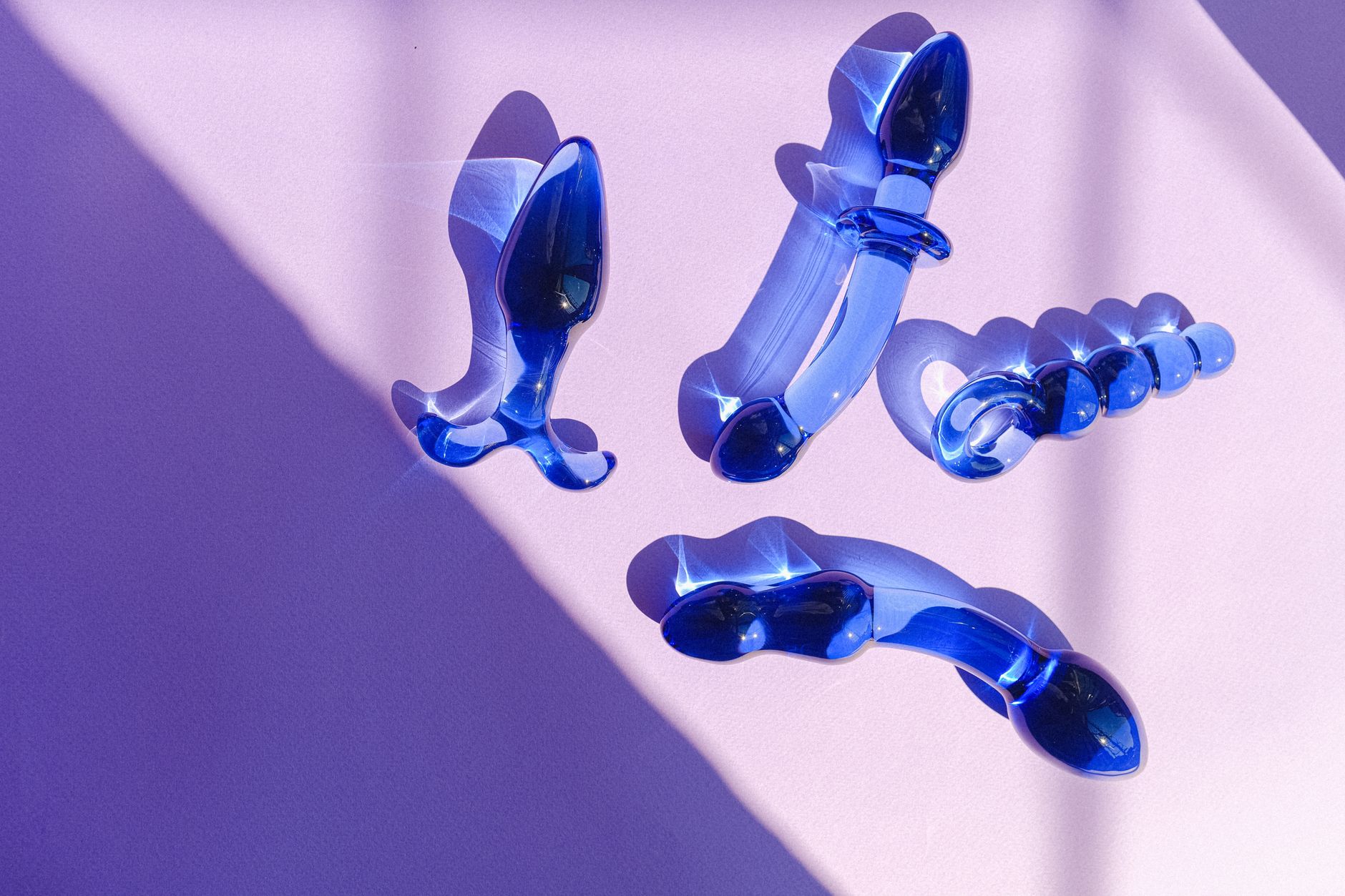
Pleasure tools are genuinely one of the most equalizing things in sexuality.
Toys don't make assumptions. They don't have expectations about what your body should look like or how it should respond. Vibrators and intimate massagers can be used on virtually any body part, regardless of what anatomy you have or what stage of transition you're in. External vibration in particular is incredibly versatile. The Berri Edging Clitoral Massager uses a tapping motion that works brilliantly for anyone exploring new sensitivity patterns, especially people on hormone therapy who are discovering shifts in genital sensitivity.
For trans women and transfeminine people, external stimulation toys that don't require erection to enjoy can be particularly freeing. For trans men and transmasculine people, especially those experiencing testosterone-driven sensitivity increases in the genital area, a toy with variable vibration settings lets you find exactly the right intensity without overshooting. For nonbinary folks and everyone in between, the beautiful truth is simply this: experiment without agenda.
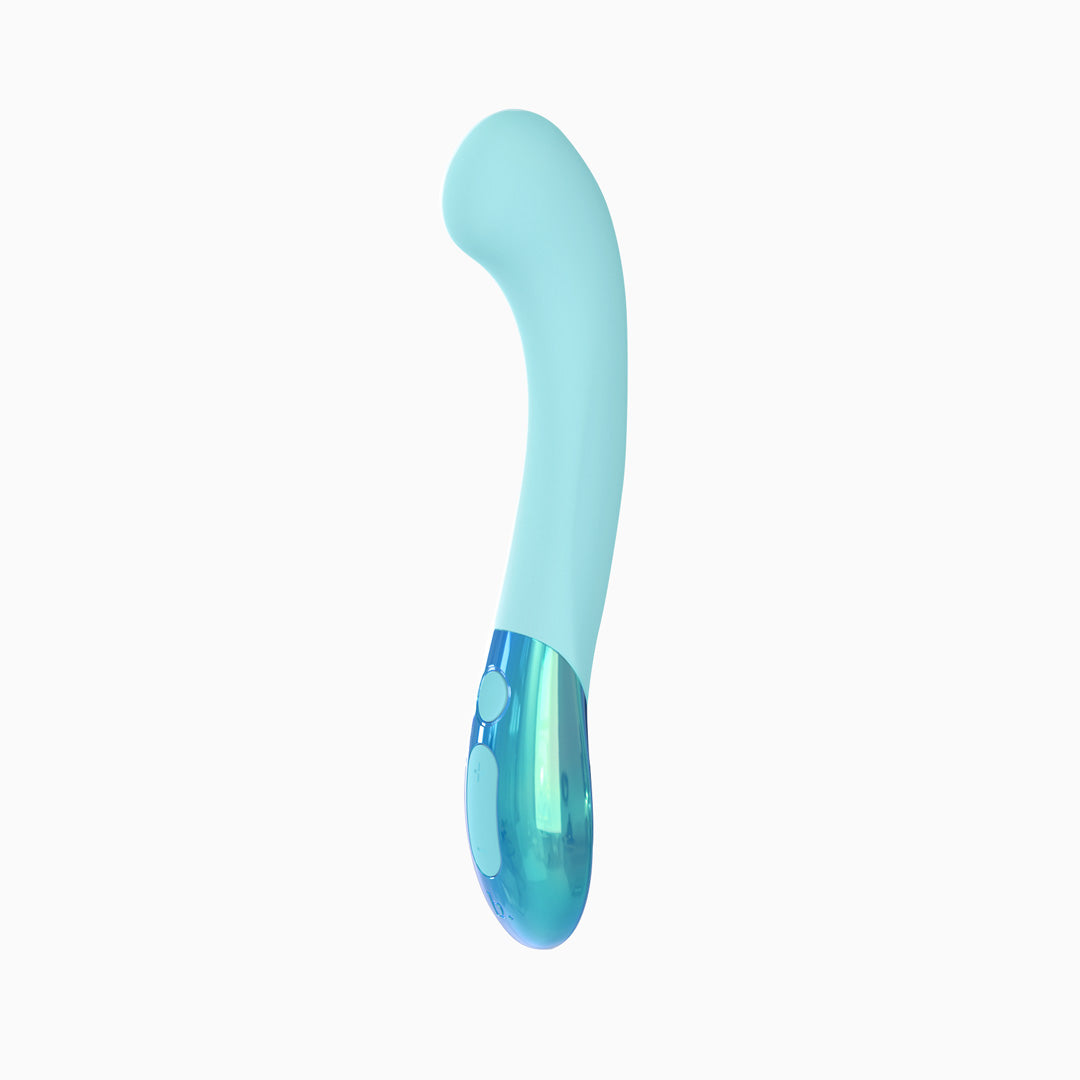
If you're curious about G-spot or internal stimulation, the Gii Glow G-Spot Vibrator is an elegant, body-safe option worth exploring on your own terms.
Navigating Sex After Gender-Affirming Surgery

Post-surgery intimacy has its own learning curve.
Whether you've had top surgery, vaginoplasty, phalloplasty, or any other gender-affirming procedure, your body is essentially a new landscape. Nerve pathways are rebuilding. Sensitivity distribution shifts. What felt like a reliable route to pleasure before surgery might feel completely different now, or it might feel better than ever. Give yourself permission to be a beginner again. This isn't regression. It's exploration.
Doctors generally advise a waiting period before resuming sexual activity post-surgery. Follow that guidance. But beyond the clinical window, take your time relearning your body without comparing it to what it was before. Many post-surgical trans people describe discovering entirely new erogenous zones they hadn't known existed before.
Pain during sex post-surgery should always be checked with your surgical team. Dilation routines, if relevant to your procedure, are part of sexual health maintenance. They aren't optional, and they aren't punishment. They're care.
Being a Good Partner to a Trans Person

Good partnership here isn't complicated. It's just uncommon.
It means doing the reading. Not outsourcing your entire education about trans experience to your partner, because that's exhausting for them. It means following their lead on body language and terminology without making it a big production every time you adjust. It means celebrating what your partner enjoys rather than trying to impose a template of what sex "should" look like. And crucially, it means checking your own discomfort at the door. If certain aspects of your partner's body make you hesitant, that's worth examining privately rather than expressing in a moment of intimacy.
For anyone wanting to deepen their understanding of communication and desire within queer relationships, the Hello Nancy blog has some genuinely useful resources, including a look at navigating complex feelings in intimate dynamics.
And if you're brand new to buying intimate products for yourself or a partner, the first sex toy buying guide on Nancy's blog is a genuinely helpful starting point.
Bottom Line
Pleasure isn't a reward for having the "right" body. It's something you're allowed to have now, exactly as you are.
The path to great sex for trans and nonbinary people is the same as for everyone else at its core: know yourself, communicate clearly, stay curious, and don't let anyone else's assumptions about your body dictate your experience. You deserve intimacy that affirms you. You deserve to feel good in your body, whatever form it takes right now. And you deserve partners. solo sessions. and tools that work with you, not despite you.
Want to make your journey even more exciting? I've handpicked some amazing toys and goodies at Hello Nancy that'll add extra sparkle to your intimate moments. (Here's a little secret. use 'dirtytalk' for 10% off!)
Frequently Asked Questions
How do I talk to a partner about gender dysphoria during sex?
Start outside the bedroom, when neither of you is in a vulnerable or aroused state. Keep it specific and practical: share which words feel affirming, which body parts you'd prefer touched or avoided, and what signals you'll use if something isn't working. A calm, matter-of-fact conversation makes it far easier to adjust in the moment without anyone feeling criticized.
Can trans people on hormone therapy still enjoy sex?
Absolutely. Hormone therapy changes sensitivity, arousal patterns, and sometimes the types of stimulation that feel best. Many trans people describe their post-HRT sex lives as significantly more satisfying once they've had time to explore what their body responds to now. Curiosity and patience are the most useful tools during this period.
What sex toys are best for trans bodies?
Toys with variable vibration speeds and external stimulation capabilities tend to be the most versatile across different anatomies and transition stages. External massagers, wand-style vibrators, and air-pulse toys are all highly adaptable. The most important thing is choosing body-safe silicone materials and starting with lower intensities while you map out your sensitivity.
How soon after gender-affirming surgery can I have sex?
This varies significantly depending on the type of procedure. Your surgical team will give you a specific timeline to follow. In general, most surgeons recommend waiting at least 6 to 12 weeks before any penetrative activity, though some external stimulation may be cleared sooner. Always follow your surgeon's specific guidance and attend all follow-up appointments.
Is it normal for gender dysphoria to affect libido?
Yes, completely. Dysphoria can significantly suppress desire, especially when it involves the body parts associated with sex. This is not a dysfunction. It's a normal response to psychological discomfort. Many people find that affirming experiences, whether solo or with a supportive partner, gradually help reconnect them with desire.
What does gender euphoria during sex feel like?
Gender euphoria during intimacy is described by many trans people as a deep sense of rightness, where their body feels congruent with their identity in a moment of pleasure. It can be triggered by affirming language from a partner, certain types of touch, or simply being seen fully as your gender during an intimate experience. Chasing that feeling is a completely valid sexual goal.
How can cisgender partners be more affirming during sex?
Use the language your trans partner has asked you to use, consistently and without making it feel like a chore. Follow their lead on which body parts to touch and how. Check in during sex with simple, low-pressure questions. And do your own reading and learning about trans experience so that your partner isn't carrying the full weight of your education.
Can nonbinary people use this guide too?
This guide is written for every body that falls outside the narrow traditional sex ed template, which absolutely includes nonbinary, genderfluid, agender, and all other gender-diverse people. The principles of body mapping, affirming communication, and curiosity-led exploration apply universally regardless of where you land on the gender spectrum.