Add $12.00 to get Free Gift


Somewhere between the browser tab you opened in private mode and the moment you closed it without buying anything, you realized you deserve better than guesswork. That's exactly why this guide exists.
Why Buying Your First Sex Toy Feels So Overwhelming

The sex toy market is genuinely enormous. In the United States alone, around 40% of buyers spend $100 or more on sex toys in a given year, according to Statista's 2024 market data. That's a lot of options fighting for your attention, and most of them come with zero honest guidance.
Here's the thing nobody tells you. Most people don't buy their first toy. They almost buy it, then talk themselves out of it because they don't know where to start.
You're not inexperienced. You're just under-informed. And that's a completely fixable problem, which is what we're here for.
Start With What Your Body Actually Wants

Before you open a single product page, ask yourself one question: where do you actually want sensation? External stimulation. Internal stimulation. Both. Somewhere else entirely. This is your starting point, and it matters more than any other factor.
Most people with vulvas find external stimulation to be the most reliable path to orgasm. If that sounds like you, clitoral vibrators are the obvious, research-backed starting point. They're beginner-friendly, low-intimidation, and wildly effective.
If you're curious about internal sensation, a small, smooth G-spot vibrator is a great second step. Not a first, typically. Start external, then explore.
For anyone with a penis, or anyone who enjoys anal play, the same rule applies: start small, go slow, and choose toys designed specifically for your body's anatomy.
The Material Question: What Your Toy Is Made Of Matters More Than You Think

This is the part most first-time buyers completely skip, and it's the most important section of this entire guide.
Experts consistently recommend toys made from medical-grade silicone, borosilicate glass, stainless steel, or ABS plastic. These materials are non-porous, meaning bacteria can't hide inside them. They clean properly. They don't leach chemicals into your body. That's the minimum standard your toy should meet.
Avoid anything labeled "jelly," "TPR," or "PVC" for internal use. These are porous materials that harbor bacteria even after washing, and some contain phthalates, which are chemical plasticizers linked to hormonal disruption. The toy might be cheap. Your health is not.
When in doubt, look for "body-safe" explicitly on the label, or buy from brands who are transparent about their materials. A vague ingredient list is a red flag.
Size, Power, and Noise: The Practical Stuff

Smaller is smarter when you're just starting out. A mini bullet vibrator is a perfect entry point because it's compact, pressure-targeted, and surprisingly powerful for its size. There's no learning curve, no complicated settings, just direct sensation where you want it.
Power levels matter too. Look for toys with at least three intensity settings. You want somewhere gentle to start, and room to explore upward. Single-speed toys feel limiting faster than you'd expect.
Noise is a real concern for a lot of people, especially in shared spaces. Most quality silicone toys at a respectable price point run whisper-quiet. If a product listing doesn't mention noise levels, check the reviews.
Rechargeable toys are worth the extra few dollars every single time. Disposable battery toys die at exactly the worst moment, and the ongoing cost adds up.
How to Choose Your First Toy by Body and Goal
Different bodies, different goals. Here's how to think about it.
If you're primarily interested in clitoral stimulation, something like the Berri tapping clitoral massager or a suction-style toy like the Lumii clitoral suction stimulator offers a completely different kind of sensation than classic vibration. Many people find air-pulse toys deliver orgasms faster than anything they've tried before.
If you're buying for use with a partner, a couples toy designed for shared use makes more sense than a solo toy. Look for something wearable or remote-controlled, like the Pixie, which lets your partner hold the controls.
If you have no idea what you want, that's genuinely fine. Buy something small, external, and body-safe. Learn what you like. Upgrade from there. Your preferences will become much clearer after just one or two experiences.
Lube Is Not Optional

If your toy arrives and you use it without lubricant, you're missing half the experience.
Water-based lube is your safe, universal choice. It works with every toy material, including silicone. Silicone-based lube, while longer-lasting, should never be used with silicone toys because it can degrade the material over time and void most warranties.
A small bottle of water-based lube costs a few dollars and dramatically improves both comfort and sensation. Add it to your cart when you buy your toy. You'll thank yourself later. And if you ever experience discomfort or dryness beyond typical, reading about natural vaginal dryness remedies can give you some genuinely helpful context.
Cleaning and Storage: The Boring Part Nobody Skips Twice
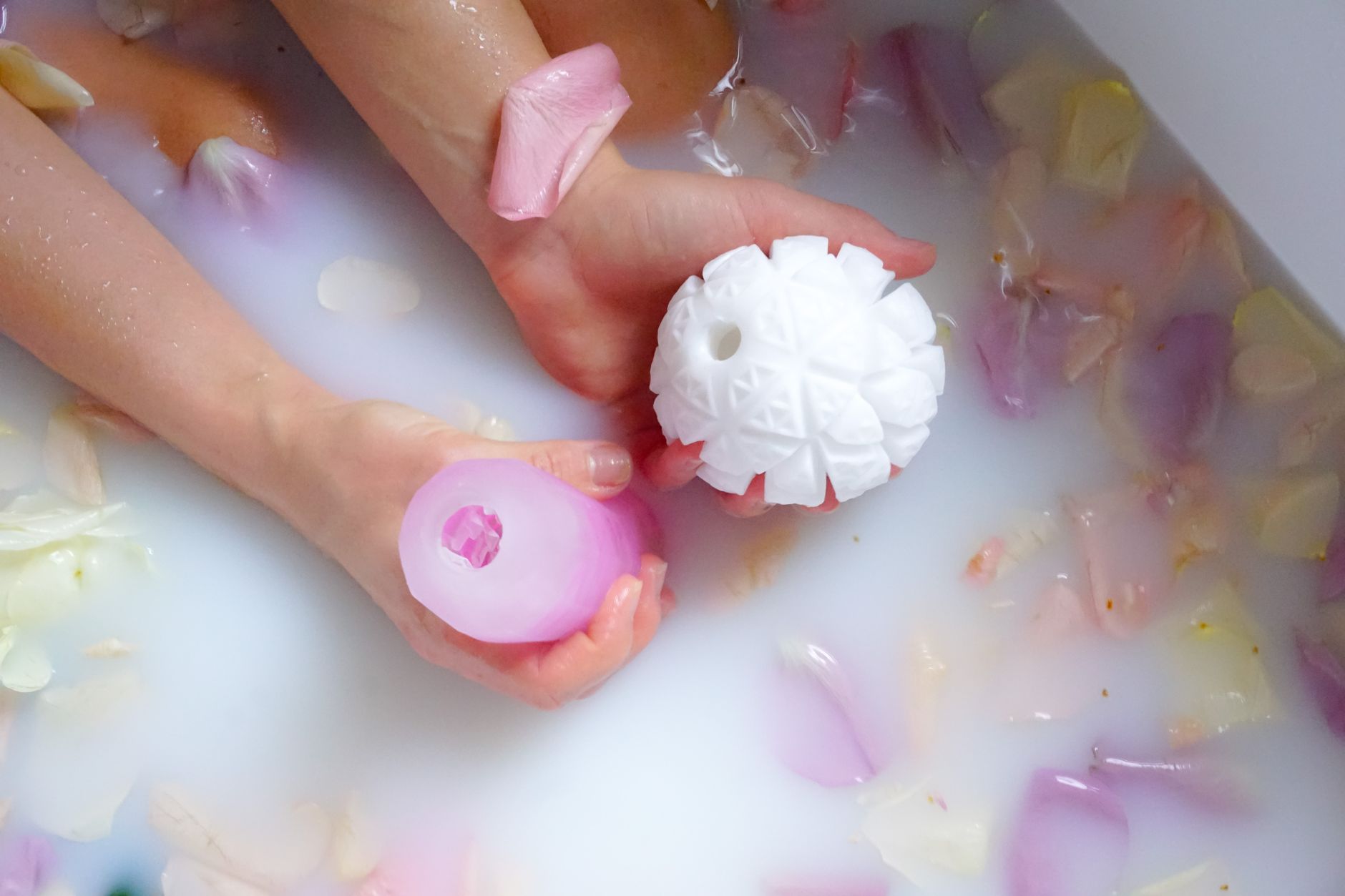
Clean your toy before the first use and after every subsequent one. For non-motorized silicone, glass, or metal toys, boiling in water for three minutes fully sterilizes them. For motorized toys, use warm water and mild soap, rinse thoroughly, and allow them to air dry completely before storing.
Never store toys touching each other without individual pouches or bags. Some silicone formulations react with each other over time and get tacky or sticky. Most quality toys come with a storage bag for exactly this reason.
Budget: What's Realistic and What's a Warning Sign
The under-$20 range is almost always a material safety compromise. Not always, but nearly.
A genuinely body-safe toy from a reputable brand tends to start around $40 to $60 for entry-level options. The $70 to $120 range gets you better motors, more settings, and materials you can trust completely. Think of it as a one-time investment in something you'll use for years. And if you're shopping at Hello Nancy's collection of vibrators, you're already in a curated space where every product passes a material safety bar.
Buying the cheapest option and hating the experience, then buying again, ends up costing more than buying something mid-range the first time. Learn from other people's mistakes on this one.
Shopping Without the Shame Spiral
You do not need to justify this purchase to anyone, including yourself. Buying a sex toy is a self-care decision in exactly the same category as buying a good skincare product or a decent pair of running shoes. It's you, investing in your own pleasure and wellbeing.
If the idea of anyone seeing your package makes you nervous, check whether the retailer ships in discreet, plain packaging. Most reputable brands do. Hello Nancy does.
And if you want to start exploring with a partner, reading something like full body foreplay techniques alongside your first toy purchase makes for a genuinely exciting evening of research.
Bottom Line
Your first toy doesn't need to be perfect. It just needs to be body-safe, sized right for a beginner, and chosen based on where you actually want sensation. Start there. Everything else is just upgrading.
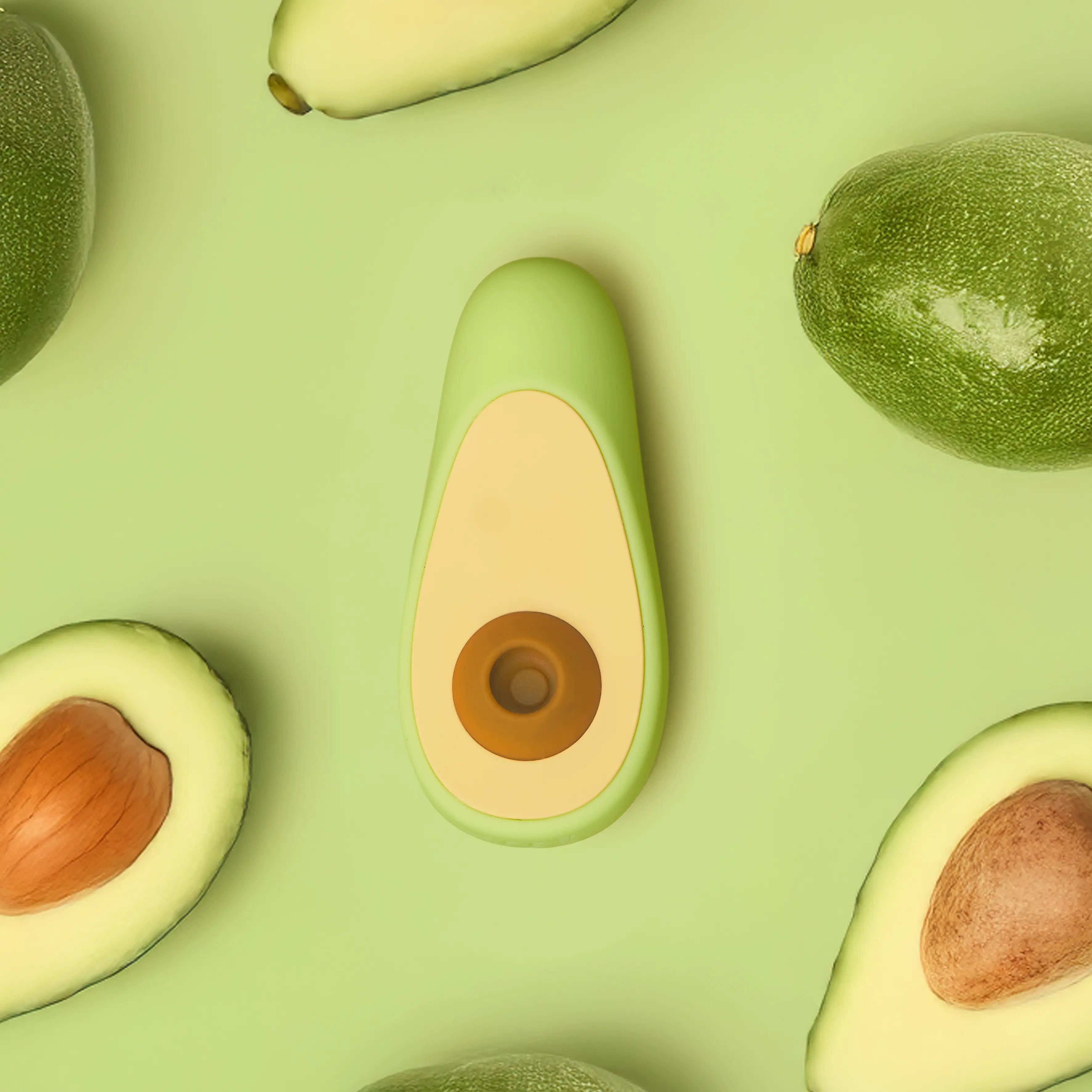
Want to make your journey even more exciting? I've handpicked some amazing toys and goodies at Hello Nancy that'll add extra sparkle to your intimate moments. (Here's a little secret — use 'dirtytalk' for 10% off!)
Frequently Asked Questions
What is the best first sex toy for beginners?
A small external clitoral vibrator is the most recommended starting point for most people. It's low-intimidation, delivers reliable sensation, and requires almost no learning curve. Something like a mini bullet vibe or a tapping clitoral massager works beautifully as a first experience.
What materials are safe for sex toys?
Medical-grade silicone, borosilicate glass, stainless steel, and ABS plastic are all considered body-safe. Avoid porous materials like jelly rubber, PVC, TPE, and TPR, particularly for internal use, as they can harbor bacteria and may contain harmful chemicals.
How much should I spend on my first sex toy?
A realistic budget for a quality, body-safe beginner toy is $40 to $80. This range covers reliable motors, safe materials, and enough features to grow with. Going cheaper usually means compromising on materials, which isn't worth it.
Can I use any lubricant with a silicone sex toy?
Water-based lubricant is safe with all toy materials, including silicone. Silicone-based lubricant should never be used with silicone toys because it can break down the material over time. When in doubt, water-based is always the right call.
How do I clean and store a sex toy safely?
Wash motorized toys with warm water and mild soap before and after every use, then let them air dry completely. Non-motorized silicone, glass, or metal toys can be boiled or run through a dishwasher for full sterilization. Store each toy separately in a clean pouch to prevent material reactions.
Is it embarrassing to buy a sex toy for the first time?
It's completely normal to feel a little awkward at first. Most reputable online shops ship in plain, discreet packaging with no identifying information on the outside. Once you've made the purchase, that initial nervousness disappears quickly.
What is the difference between a clitoral suction toy and a vibrator?
A vibrator delivers oscillating contact stimulation directly to the skin. A suction or air-pulse toy uses gentle airflow to create a contactless pressure sensation around the clitoris, mimicking oral stimulation. Many people find suction toys more intense, while others prefer the direct contact of a traditional vibrator.
Can couples use sex toys together?
Absolutely, and many couples find that adding a toy dramatically improves their shared experience. Wearable vibrators, remote-controlled options, and dual-stimulation toys are all designed with partnered use in mind. Communication before introducing a toy makes the whole experience smoother and more fun.
How do I know if a sex toy brand is trustworthy?
Look for brands that are transparent about their materials, offer clear cleaning instructions, and don't use vague terms like "body-friendly" without specifics. Certifications, honest customer reviews, and return policies are also good indicators that a brand stands behind their product.