Add $12.00 to get Free Gift


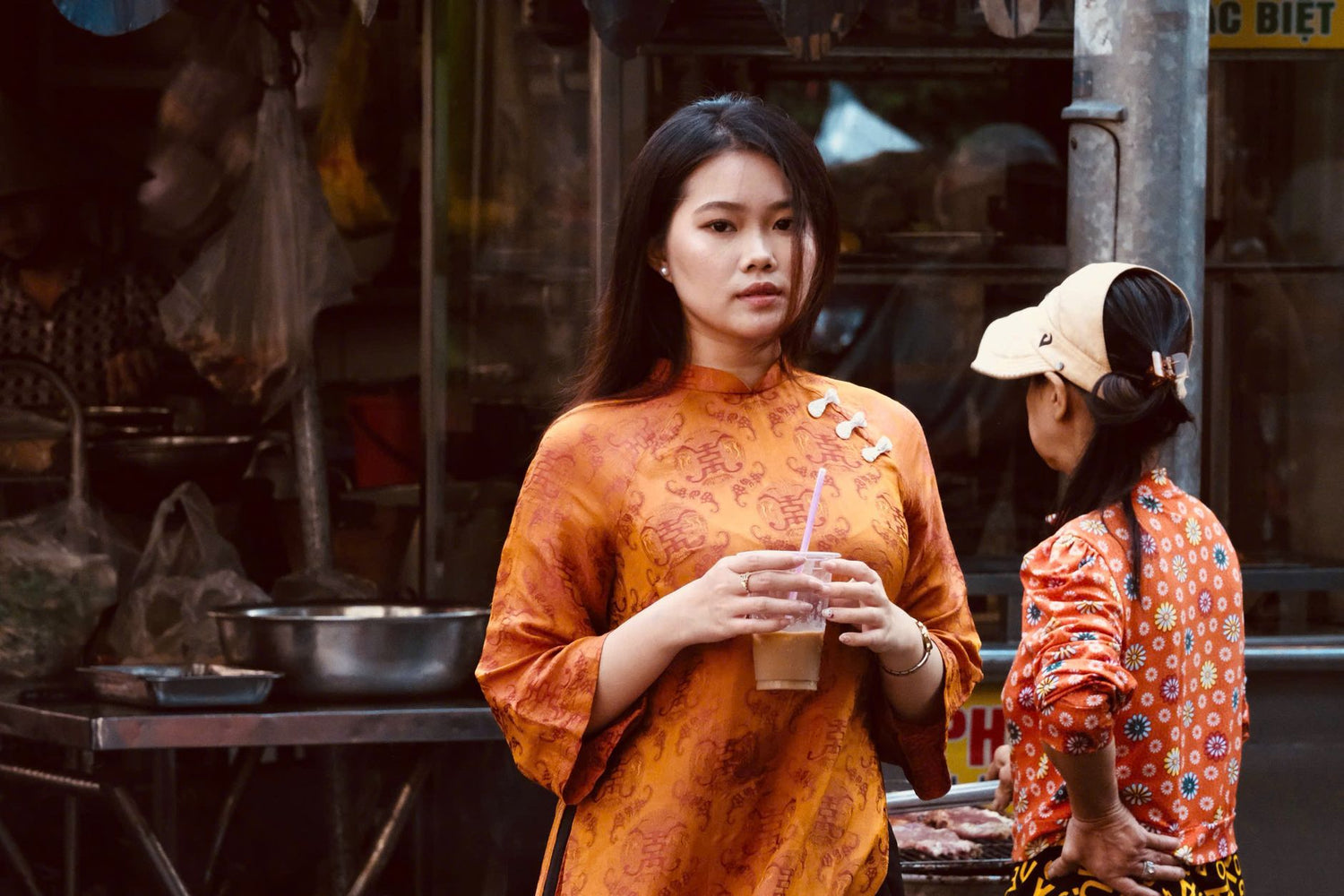
Some dates feel less like connection and more like an audition for a role you never agreed to play.
That particular exhaustion. The one where you finish a conversation and feel not seen, but catalogued. If you've dated as an Asian woman, you know exactly what I mean. And if nobody in your life has ever named it clearly, this is for you.
The "Compliment" That Isn't One
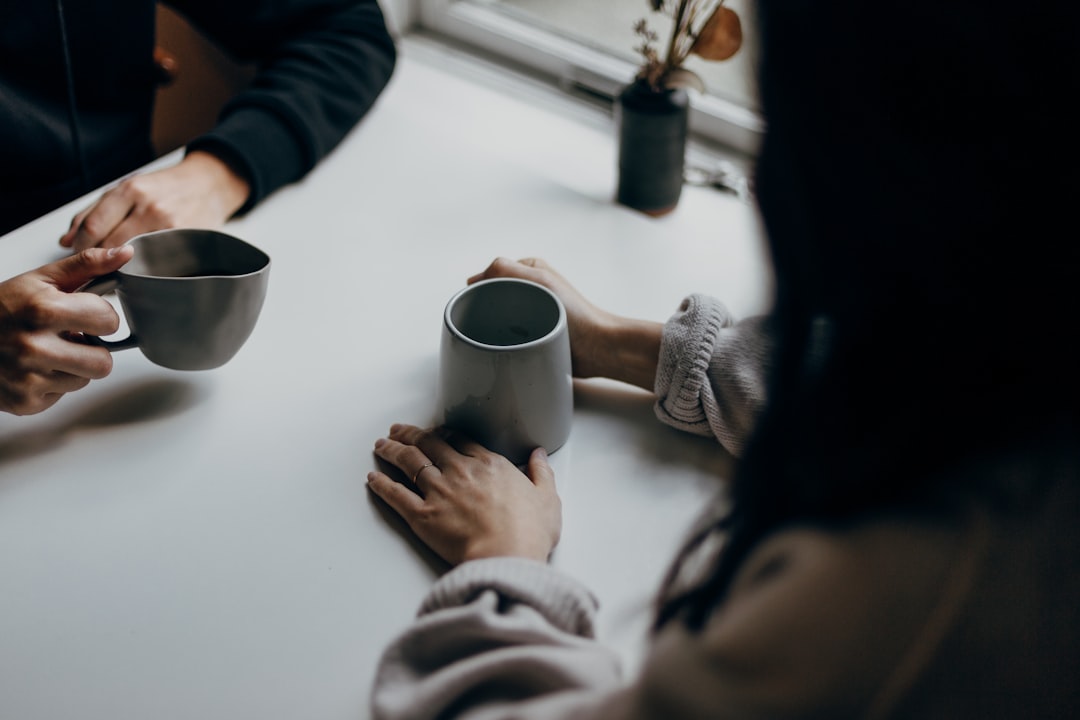
Here's the scenario most Asian women could write in their sleep. You're on a first date. Things seem fine. Then it arrives, delivered with a confident smile: "I've always been really into Asian women."
The person saying it genuinely believes this is a compliment. That's part of what makes it so disorienting. Because what they're actually saying is that a broad, sweeping category of millions of distinct people shares a trait they find appealing. Not you specifically. The category.
This is what researchers call the fetishization dynamic, and it runs a lot deeper than one clumsy opener on a Tuesday night. A 2018 study analyzing over 187,000 online daters found that Asian women were the most "desired" group among women across four U.S. cities. Sounds flattering until you sit with what "desired" actually means in a system built on stereotypes. Desired doesn't always mean valued. Sometimes it means exoticized.
The difference matters. A lot.
When You Become a Symbol Instead of a Person
Stereotypes about Asian women cluster around a few persistent myths. Quiet, submissive, exotic, hypersexual, or alternatively, cold and calculating. Often all of these at once, depending on what the other person needs to believe.
What's wild is how these projections arrive even from people who consider themselves progressive. You get asked where you're really from within twenty minutes. Your personality gets filtered through assumptions your date formed long before you opened your mouth. Being assertive reads as "aggressive" when the script called for soft-spoken. Having opinions disrupts a fantasy that was never about you to begin with.
This is gendered racism. Scholars like Gamst et al. (2023) use that exact term to describe how Asian American women experience discrimination that is simultaneously about gender and race, a compound pressure that neither "racism" nor "sexism" alone fully captures.
And it is exhausting to carry into every single new interaction.
The Invisible Pressure from Your Own Community
Nobody talks about the weight that comes from inside the house.
For many Asian women, dating outside their ethnicity carries its own complicated emotional tax. Families who never said a word about racism will suddenly have very strong opinions about who you bring home. Community gossip. The quiet implication that choosing a non-Asian partner is a form of cultural betrayal, or alternatively, that it signals you're chasing status. Recent research published in Sex Roles (2024) by Cascalheira & Smith explores how internalized racial hierarchies shape the dating preferences of Asian American women, showing just how many directions the pressure flows simultaneously.
You're navigating external stereotypes and internal community expectations at the same time. That's not a small thing to manage while also just trying to figure out whether someone is funny and kind.
Microaggressions and the "But I Didn't Mean It That Way" Defense
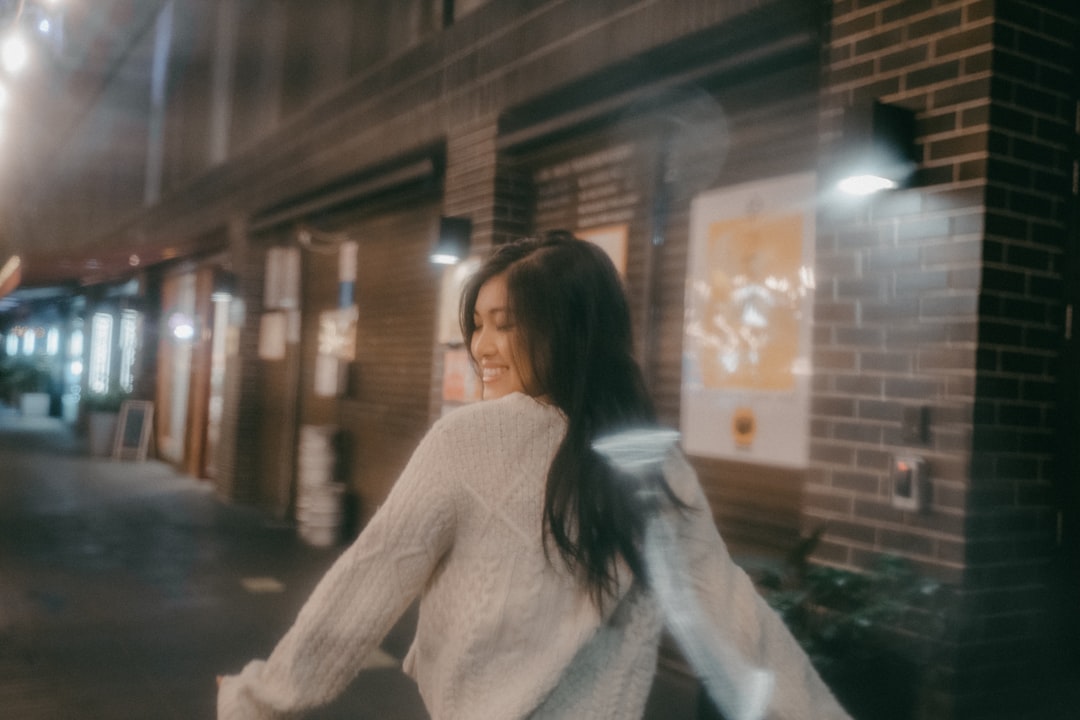
Microaggressions in dating are a specific kind of terrible because they come with built-in plausible deniability.
"Your English is so good." "You must be great in bed." "I've never dated an Asian woman before, this is so exciting." "You're not like other Asian girls." Each one lands like a small paper cut. Separately, maybe survivable. Together, over months and years of dating, they accumulate into something that genuinely changes how safe you feel being open with someone new.
The psychological literature on this is growing. Studies on gendered racial microaggressions in Asian American women consistently link repeated exposure to depressive symptoms and heightened relational anxiety. This isn't sensitivity. This is a documented stress response to a documented pattern.
You're not being "too much" for finding these things exhausting. You're having a completely rational reaction.
What Actually Healthy Dating Looks Like
Let me be direct: it looks like being bored by your ethnicity.
Not bored by you. By the fact that your ethnicity is treated as a feature rather than a background detail. Healthy partnership is when someone is fascinated by your specific brain, your particular laugh, the weird niche thing you're obsessed with. Your background is part of your context, not the headline of your dating profile. That shift in framing, from exotic object to full person, is actually not that complicated. It just requires your date to have done some self-reflection about why they're attracted to whom.
And it's completely reasonable to test for that self-awareness early. Asking "have you dated a lot of Asian women?" in a neutral tone and watching how someone responds tells you a lot about whether they've ever thought critically about their own patterns. Someone who pauses, reflects, and engages thoughtfully? Different energy than someone who beams like you've given them a gold star.
For the moments when dating feels like homework rather than joy, it helps to prioritize your own pleasure and presence first. Your joy is not a side effect of someone else's fantasy.
Setting Boundaries Without Feeling Like You're "Being Difficult"
Setting a boundary in dating while navigating racial dynamics can feel like defusing a bomb in slow motion.
You're managing your own feelings, the other person's potential defensiveness, the worry of being labeled "angry" or "oversensitive", and the general social pressure to keep things light and fun. It's a lot. But here's what I know: boundaries set early are so much lighter to carry than resentment built up over months.
A simple, direct "I'd prefer we focus on getting to know me as a person rather than what I represent" is not rude. It's information. Anyone who hears that and becomes defensive has just told you something useful. Anyone who hears it, pauses, and says "that's fair, tell me about yourself" has also told you something useful. Both are wins, honestly.
Pairing that self-advocacy with genuine self-knowledge makes everything cleaner. Knowing what you actually want from intimacy, from connection, from your own pleasure, before you enter a relationship means you're not outsourcing your sense of worth to someone else's validation.
The Question Nobody Asks: What Do You Want?
So much of the conversation around Asian women and dating centers on what other people do to them.
But here's the thing that often gets lost: what do you want? Not what does your family expect, not what the algorithm suggests, not what some study says about desirability metrics. What kind of relationship actually makes you feel like your fullest self? What kind of partner do you deserve, specifically? It's a different question from "who wants me?" and it's the one worth spending time with.
Rewiring from "am I desirable enough?" to "are they worthy of me?" is not arrogance. It's just an accurate reframe. You are not a niche preference to be unlocked. You are a person with a specific, unrepeatable interior life. Dating from that place changes everything.
And yes, your intimate pleasure is part of that picture too. Your body, your desire, your standards for how you want to be touched, literally and metaphorically, are not afterthoughts in the dating equation. They belong at the center of it. ✨
Community, Solidarity, and Finding Your People
One of the most underrated moves in dating as an Asian woman is building a community of people who get it without explanation.
Friends who understand why certain comments land wrong without requiring a twenty-minute breakdown of historical context. Spaces online and offline where your experiences are treated as legitimate rather than "overly complicated." This social infrastructure matters because dating is inherently vulnerable, and vulnerability is a lot safer when you have backup. Other Asian women who have navigated this and come out the other side with their standards intact are genuinely one of the most valuable resources available.
Sharing stories. Naming patterns. Calling out what's happening without softening it for other people's comfort. That is how the invisible becomes visible and how the unspoken becomes survivable.
Want a Little More Sparkle Along the Way?
Want to make your journey even more exciting? I've handpicked some amazing toys and goodies at Hello Nancy that'll add extra sparkle to your intimate moments. (Here's a little secret. Use 'dirtytalk' for 10% off!)
If you're exploring what your own pleasure actually looks like outside of anyone else's expectations, the Lem Clitoral Massager is a beautiful place to start. Designed with intention, genuinely satisfying, and completely yours.
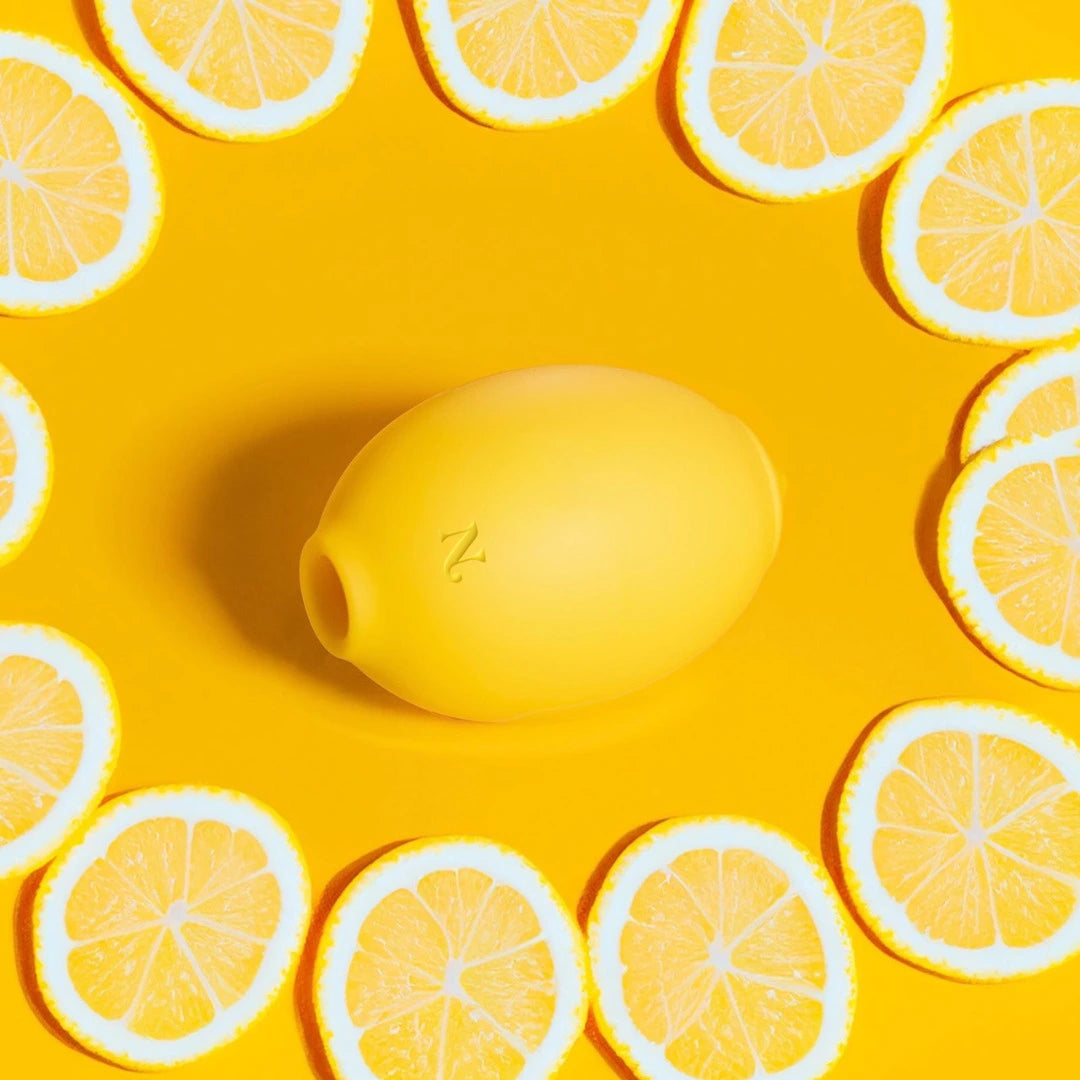
For days when the world has asked too much of you and you just want to come back to yourself, the Namii 2 Clitoral Suction and Vibrator from our Nancy x Biird collaboration delivers something genuinely special. Dual-action stimulation designed for the kind of pleasure that belongs entirely to you.
Bottom Line
Dating as an Asian woman means navigating layers that most people never have to think about. Fetishization. Community pressure. Microaggressions dressed as compliments. Stereotypes that arrive before you do.
None of that is your fault or your responsibility to fix. What you can do is know your worth clearly enough that someone else's limited imagination doesn't get to set the terms. Show up as the full, specific, unrepeatable person you are. Hold your standards. Let the right people rise to meet them.
You deserve connection that sees all of you. Not a version filtered through someone else's fantasy. All of you.
Frequently Asked Questions
What is the fetishization of Asian women in dating and why does it happen?
Fetishization happens when someone is attracted to a racial or ethnic group as a category rather than to an individual person. For Asian women specifically, this pattern is rooted in a long history of Western imperialism and media stereotyping that portrayed Asian women as exotic, submissive, or hypersexual. It persists today because those stereotypes are rarely examined or challenged by the people who hold them.
How can I tell if someone is genuinely interested in me or just fetishizing me?
Watch for whether the person engages with your specific personality, opinions, and experiences or keeps steering the conversation toward your ethnicity. Someone with a fetish tends to project qualities onto you before you've demonstrated them. A genuinely interested person is curious about the unpredictable, specific things that make you you.
Is it wrong to only date within my own ethnicity as an Asian woman?
Not at all. Dating preferences are personal and complex. The important thing is that your choices come from your own genuine desires and values rather than from external pressure or internalized hierarchies. There is no universally "right" answer here.
How do I respond to racial microaggressions on a date without ruining the mood?
You don't owe anyone a mood-preserving response to something that made you uncomfortable. A calm, direct "that's an interesting assumption. Where does that come from?" puts the reflection back on them without escalating. And honestly, how they respond to that question tells you everything you need to know about whether this is worth continuing.
What is gendered racism and how does it affect Asian women in relationships?
Gendered racism refers to discrimination that combines racial and gender bias simultaneously, producing a unique set of experiences that neither "racism" nor "sexism" alone fully describes. For Asian women in relationships, this can look like being expected to be passive because of racial stereotypes, being exoticized as a romantic partner, or having their assertiveness read as a personality flaw rather than a trait.
How do I deal with family pressure about who I date as an Asian woman?
Family pressure in this context is real and often rooted in genuine cultural pride alongside internalized racial hierarchies. Recognizing which is which can help. Setting clear, consistent boundaries about your autonomy, while showing respect for your family's culture in other ways, tends to work better than one dramatic confrontation.
Are dating apps worse for Asian women when it comes to fetishization?
Research suggests that dating apps can amplify racial preferences because the format encourages snap judgments based on visual profiles. A 2018 study of over 187,000 online daters found Asian women were among the most "messaged" groups, but that attention is not always rooted in genuine connection. Being strategic about which apps you use and how you frame your profile can help filter out some of the noise.
How can I protect my mental health while dating as an Asian woman?
Building a support network of people who understand your experiences without requiring explanation is genuinely protective. Taking breaks when dating feels depleting rather than energizing is healthy, not weak. And working with a therapist who has experience in racial and cultural identity, especially one familiar with Asian American experiences, can make a significant difference.