Add $12.00 to get Free Gift



It happened, and now you're staring at the ceiling wondering what that was about.
Maybe the tears came out of nowhere. Maybe you felt completely fine, maybe even wonderful, and yet there they were. Crying during sex is one of those experiences that catches people wildly off-guard, mostly because nobody ever warned them it was a thing that happens.
What Actually Happens in Your Body During Sex

Sex is a full-body chemical event. Your brain floods with oxytocin (the bonding hormone), dopamine (the reward signal), and a rush of endorphins. That is an enormous amount of neurological activity happening all at once, and your nervous system, which ordinarily keeps things calibrated, gets briefly overwhelmed.
Tears are one of the body's oldest pressure valves.
When emotion exceeds what the body can quietly contain, it overflows somewhere. Sometimes that's laughter. Sometimes it's shaking. And sometimes, in some of the most unguarded moments you'll ever have with another person, it's crying. The vulnerability that comes with physical intimacy pulls down the walls your nervous system normally keeps up. What spills out is whatever has been waiting behind those walls, whether that's joy, grief, relief, or something you don't even have a name for yet.
Crying During vs. Crying After Sex

These two experiences are distinct, and knowing which one you're having actually matters.
Crying during sex tends to happen at a peak of emotional intensity. Sometimes it arrives during a particularly tender exchange. Sometimes it hits at orgasm. Sometimes your partner looks at you in a way that bypasses every defense you have, and your body responds before your mind can catch up. It is almost always tied to something happening right now, in that moment, between you and whoever you're with.
Crying after sex is a separate phenomenon with its own clinical name: post-coital dysphoria, or PCD. Research published in the Journal of Sexual and Mental Health (Liberacka-Dwojak, 2021) describes it as tearfulness, melancholy, or a vague sadness that arrives after intercourse, even when the sex itself was good. The causes remain genuinely unclear, but hormonal drops after the peak of arousal, combined with the sudden return of the emotional armor we all wear daily, are considered strong contributing factors.
Neither version makes you broken.
The Emotional Release Explanation
Here's what nobody explains in any health class, ever. We are socialized to carry a lot, to function, to push through. Sex is one of the rare contexts where the body is actively invited to let everything down at once.
For people carrying chronic stress, unprocessed grief, or emotional weight they haven't had time to sit with, that invitation can unlock something genuinely large. Therapists often describe it as a cathartic release. The physical intensity of sex activates the same nervous system pathways that emotional processing uses. So sometimes the two responses merge. You reach a moment of complete physical release, and your system uses that exact same mechanism to process something emotional. You cry not because anything is wrong, but because your body is finally, briefly, allowed to exhale. If you've been wondering about how confidence shapes the way you experience pleasure, you'll find that emotional safety is at the center of all of it.
Pleasure, real pleasure, asks you to be completely present.
And being completely present means everything that was waiting in the background gets to show up too. That's not a flaw in the system. That is the system working exactly as intended. The best vibrators for women and intimate tools can deepen solo or partnered connection, but none of that changes the fact that the most powerful thing in the room is always your own nervous system.
When Tears Are Connected to Past Trauma

Sometimes the tears are a signal that something from your history has just been touched.
Past trauma, especially anything involving touch, intimacy, or consent, can be stored somatically in the body. A specific position, a scent, a sound, or the simple sensation of being very close to another person can trigger a memory or feeling that your conscious mind wasn't prepared for. The body remembers things the mind has filed away. This doesn't always feel like a flashback. It can be subtle: a wave of sadness, a feeling of smallness, or inexplicable tears with no clear thought attached.
If this resonates with you, exploring it with a somatic or trauma-informed therapist is genuinely worth it. Crying in these moments isn't a malfunction. It is your body asking for care and integration. Being able to stay present during sex becomes genuinely harder when unresolved material is surfacing, and that is a completely understandable place to find yourself.
Does Gender Play a Role?
Post-coital dysphoria and emotional tears during sex are too often framed as experiences exclusive to women. That framing is incomplete, and honestly a little unfair.
People of all genders experience this. Research on PCD has historically skewed toward female participants simply because of who was recruited for studies, not because of any actual gender-based difference in how it shows up. The stigma around men and masc-presenting people crying during sex means those experiences are dramatically underreported. When you grow up in a culture that gives you less permission to cry in daily life, the release during sex can feel even more destabilizing and harder to talk about afterward. Your tears don't become more or less valid based on your gender. They are physiological and emotional data, and that is all.
How to Handle It in the Moment
First: you do not need to apologize.
The instinct to immediately reassure your partner that nothing they did caused it is understandable, but it sends a confusing message to yourself. You are essentially rushing to manage someone else's comfort before you've even registered your own experience. Instead, breathe. Let the feeling move through you. If you're with a partner you trust, a quiet "I'm okay, this happens sometimes" is completely sufficient. You don't owe anyone a full emotional debrief in the middle of an intimate moment.
That said, communication afterward genuinely helps. Naming what you experienced, even roughly, creates intimacy rather than distance. Partners who feel clueless about what happened often retreat into worry, and a little transparency closes that gap quickly. If you and your partner want to build deeper emotional connection through physical intimacy, exploring couples toys together can be one small, playful way to start opening those conversations.
When to Take It More Seriously
Occasional crying during or after sex is normal. Frequent, distressing tears that leave you feeling genuinely dysphoric, ashamed, or disconnected from yourself deserve more attention.
If your experience of sex is regularly followed by intense sadness, intrusive thoughts, panic, or a feeling of deep shame that lingers, that pattern is worth exploring with a mental health professional. PCD that happens consistently is associated with higher levels of psychological distress and may be connected to anxiety, depression, or unprocessed relationship difficulties. Occasional tears from pleasure or emotional overwhelm are one thing. A pattern of distress is another, and you deserve support for it.
Your pleasure and your emotional wellbeing are not separate categories.
They are the same conversation. Exploring clitoral vibrators and pleasure tools can absolutely enrich your intimate life, but so can understanding your own emotional landscape. Both matter equally.
Wrapping Up
Crying during sex is not strange, broken, or embarrassing. It is one of the more honest things your body can do.
Sex asks you to be present and unguarded in a way that most of daily life doesn't. When you actually show up for that, fully, the body sometimes responds with tears. From joy, from relief, from emotional overwhelm, from old wounds finding their way to the surface. All of it is valid. All of it is information. Treat it with the same curiosity and care you'd offer a close friend who just told you the same thing happened to them. You deserve that gentleness too.
Want to make your journey even more exciting? I've handpicked some amazing toys and goodies at Hello Nancy that'll add extra sparkle to your intimate moments. (Here's a little secret: use 'dirtytalk' for 10% off!)
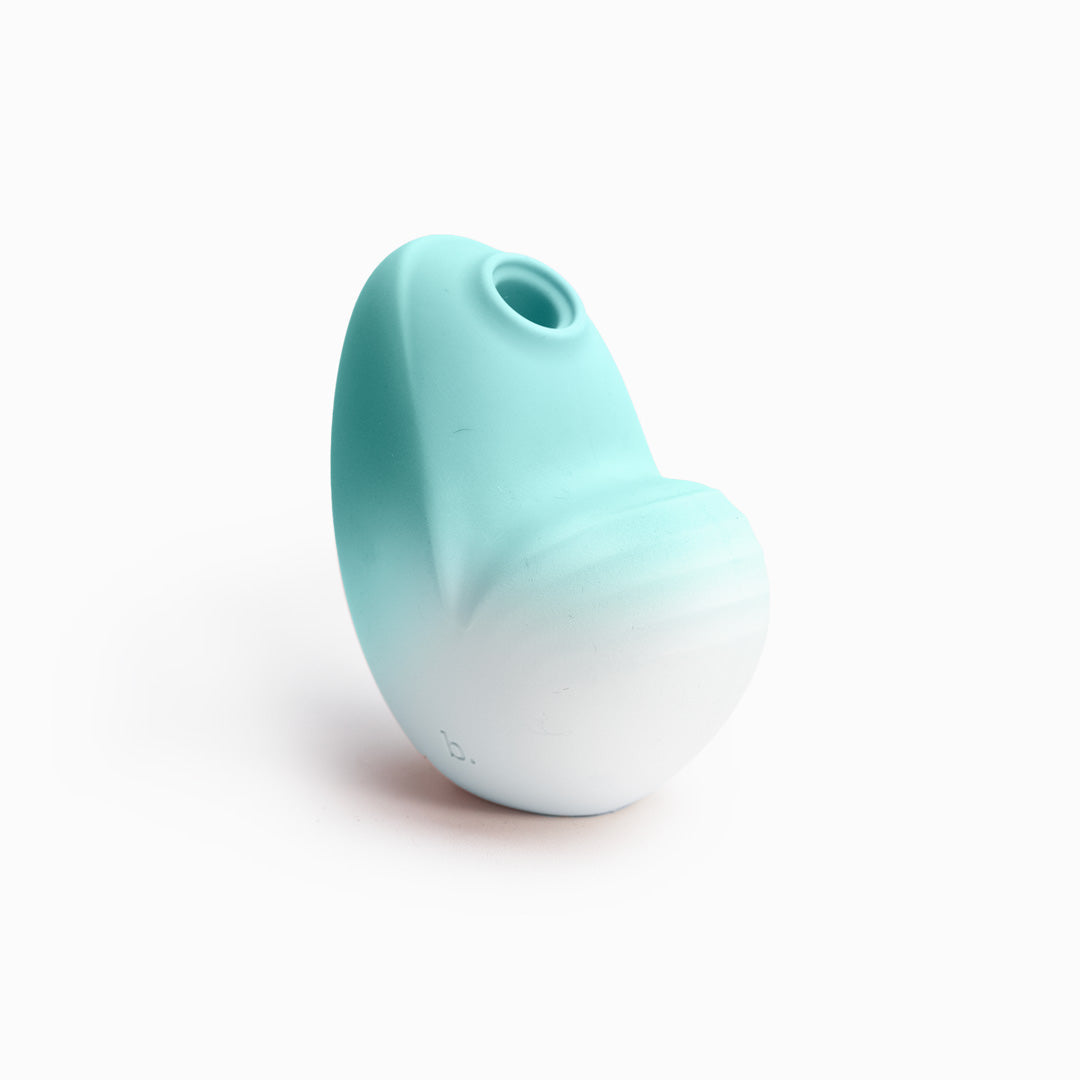
If you're looking for something that meets you where you are, the Namii 2 clitoral suction toy by Biird is designed with both physical sensation and emotional ease in mind. It's quiet, intuitive, and genuinely lovely to use whether you're solo or with a partner.
Frequently Asked Questions
Is it normal to cry during sex even when it feels good?
Yes, completely. Crying from pleasure or emotional overwhelm is a recognized physiological response. The hormonal surge during arousal and orgasm can trigger a release that expresses itself as tears, especially when the experience feels particularly intense or meaningful.
What is post-coital dysphoria and how common is it?
Post-coital dysphoria (PCD) is a feeling of sadness, tearfulness, or melancholy that arises after sex, even when the encounter was positive. Studies suggest it affects people of all genders, though it is underreported, particularly among men and non-binary individuals, due to social stigma around emotional expression.
Why do I cry after orgasm for no apparent reason?
The drop in hormones immediately after orgasm can cause a temporary emotional dip. Your nervous system has just experienced an intense peak and is returning to baseline. For some people that transition triggers unexpected sadness or tears, even without any negative emotional context attached to it.
Can past trauma cause crying during sex?
Yes. Trauma, especially involving touch or intimacy, can be stored somatically. During sex, a specific sensation, position, or level of closeness can surface a memory or feeling that wasn't consciously anticipated. If this happens regularly and feels distressing, working with a trauma-informed therapist is a genuinely helpful step.
What should I say to my partner if I start crying during sex?
A simple "I'm okay, this just happens sometimes" is enough in the moment. You don't owe an explanation mid-experience. Afterward, a brief, honest conversation helps your partner understand without over-dramatizing. Most partners respond well when they feel informed rather than confused.
Is crying during sex a sign of a deeper emotional problem?
Occasional crying is not a sign of a problem. However, if it happens consistently and is followed by intense shame, panic, or prolonged sadness, that pattern is worth exploring with a mental health professional. Frequency and distress level are what separate a healthy emotional release from something that needs more support.
Do men cry during sex too, or is it mostly women?
People of all genders cry during or after sex. Historical research has skewed toward female participants, but this reflects study design, not reality. The stigma around male emotional expression means men's experiences are significantly underreported, not that they don't happen.
Can crying during sex actually be a sign of deep emotional connection?
Absolutely. When you feel genuinely safe and connected with a partner, your nervous system allows a deeper level of vulnerability. Tears in that context can be a direct expression of how meaningful the experience feels. It is often a sign of presence and trust rather than distress.