


 Add $12.00 to get Free Gift


Most of us were never handed an instruction manual for our own heads. We just muddled through, wondering why we self-sabotage, why we snap at the people we love, or why a random smell sends us spiraling into 1998.
Here's the thing. Psychology isn't some dusty academic subject reserved for therapists and lecture halls. It's the map of everything happening inside you, right now, before you even realize it's happening.
What Psychology Actually Is (And Why It Matters to You)

Psychology is the scientific study of behavior, thought, and emotion. That definition is technically correct, but it doesn't capture what it actually feels like to use psychology in real life. It feels like finally having language for things you've experienced your whole life but couldn't name.
Think about confirmation bias. That's your brain's habit of seeking out information that confirms what you already believe and quietly ignoring everything that doesn't. You've done it today. So have I.
Understanding that this bias exists doesn't make you immune to it. But it does give you a split second of pause before you decide you're definitely right and everyone else is definitely wrong. That pause is where growth lives.
The Conscious vs. Unconscious Mind

Freud gets a lot of eye-rolls these days. Some of it is deserved. But the core idea he popularized, that most of what drives us operates beneath our conscious awareness, has held up remarkably well.
Modern neuroscience backs this up. Research into unconscious cognition confirms that our brains are constantly interpreting and organizing stimuli through the senses, all without asking our conscious permission first (EBSCO Research Starters, 2023). The conscious mind is basically the editor who shows up after the writer has already finished the first draft.
That's both humbling and kind of liberating.
It means that when you react in a way you later regret, you're not necessarily a bad person. You're a person whose unconscious mind made a snap decision before your prefrontal cortex could weigh in. The good news is that patterns can be interrupted. That's literally what therapy, mindfulness, and self-reflection are designed to do.
Core Branches of Psychology Worth Knowing
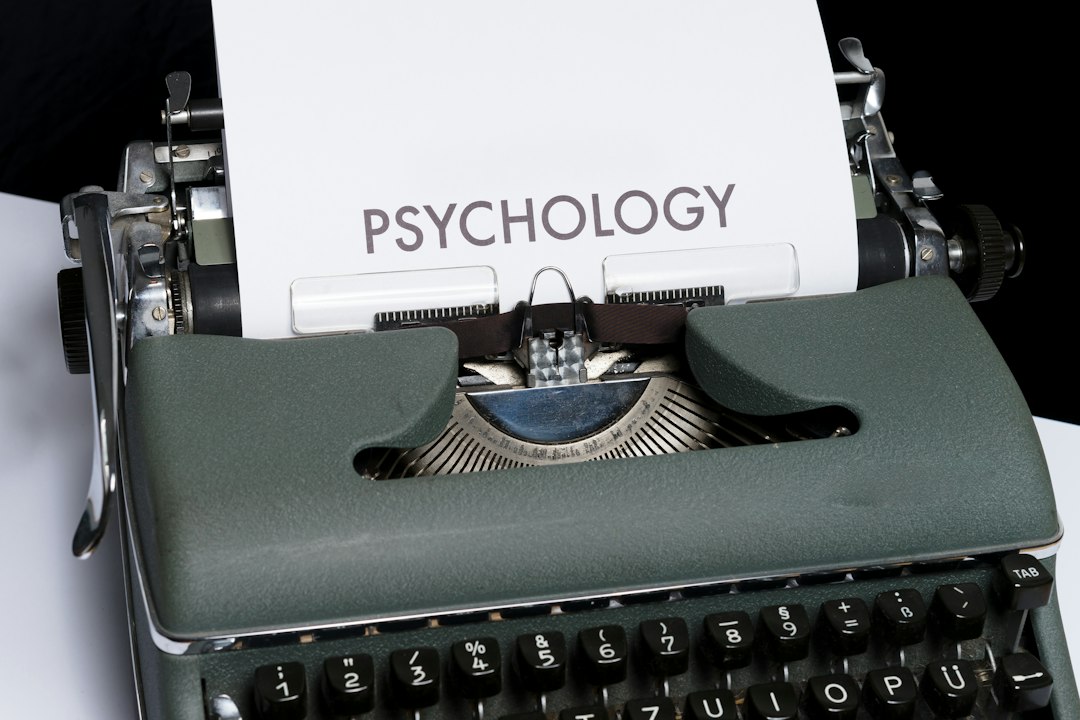
Psychology isn't one thing. It's a whole ecosystem of approaches, each zooming in on a different lens.
Cognitive psychology looks at how we think, remember, and solve problems. If you've ever wondered why you can remember every lyric to a song you heard at 14 but can't recall what you had for breakfast, that's cognitive memory research waving at you. Behavioral psychology, on the other hand, focuses on what we do rather than what we think. It gave us everything from exposure therapy to habit loops. Then there's social psychology, which studies how other people shape our thoughts and actions. Spoiler: they shape them way more than we like to admit.
Developmental psychology tracks how we change across a lifespan, from attachment in infancy to identity formation in adolescence. And humanistic psychology, the approach championed by Abraham Maslow and Carl Rogers, centers human potential, dignity, and the drive toward self-actualization. It's the branch that asks not just "what's wrong" but "what's possible."
Cognitive Biases: Your Brain's Shortcuts (That Sometimes Backfire)
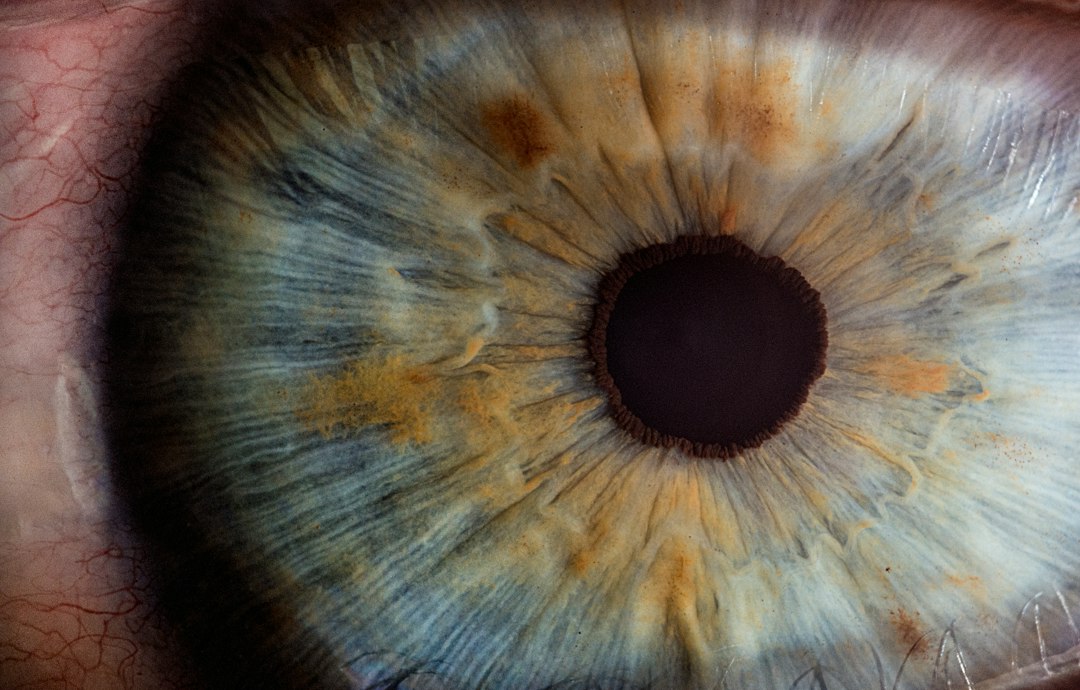
Your brain processes roughly 11 million bits of information every second. Your conscious mind handles about 40 of them.
To manage the gap, your brain runs on heuristics. Mental shortcuts. Fast judgments. These are mostly brilliant, honestly. They're why you don't have to consciously think about how to open a door or when to brake a car. But they also produce cognitive biases, systematic errors in thinking that feel completely logical from the inside.
The availability heuristic makes you overestimate the likelihood of dramatic events because they're easier to recall. The sunk cost fallacy keeps you in bad situations because you've already invested too much to walk away. And the fundamental attribution error leads you to explain other people's behavior through character flaws while explaining your own through circumstances. We all do this. Research published in Frontiers in Psychology (2023) highlights how pervasive cognitive bias is across decision-making, communication, and even economic behavior. Knowing your biases by name is the first step toward catching them in the act.
Attachment Theory and Why Your Relationships Feel Familiar

If you've ever felt confused by your own relationship patterns, attachment theory is about to feel like a revelation.
Developed by John Bowlby and later expanded by Mary Ainsworth, attachment theory proposes that the emotional bonds we form with our earliest caregivers create a kind of template. Secure attachment develops when caregivers are consistently responsive. Anxious attachment forms when responsiveness is unpredictable. Avoidant attachment emerges when emotional closeness was discouraged or unmet.
Here's where it gets interesting. These patterns don't stay in childhood. They show up in your adult intimate relationships, including your sexual and romantic partnerships, sometimes with frustrating precision. Recognizing your attachment style isn't about blame. It's about pattern recognition so you can actually make different choices.
Emotions Are Information, Not the Enemy

Somewhere along the way, a lot of us learned that emotions are problems to be solved or suppressed.
They're not. Emotions are data. Anger tells you a boundary was crossed. Sadness signals loss and the need for comfort. Anxiety is your nervous system flagging something it perceives as a threat, even if that threat is a work email. The issue isn't feeling emotions. The issue is acting on them before you've actually decoded the message.
This is where emotional regulation comes in. That's the ability to notice, name, and respond to emotions rather than simply react to them. It's a skill, not a personality trait. You can learn it at any age. Psychologists like James Gross have spent decades mapping how emotional regulation strategies, from cognitive reappraisal to situation selection, actually change outcomes in wellbeing, relationships, and even physical health.
How Psychology Connects to Your Body and Pleasure

This is the part that textbooks often skip.
Your psychology isn't separate from your body. The mind-body connection is well-established in research now, and it shows up clearly in areas like sexual wellbeing. Stress, shame, anxiety, and low self-worth don't just live in your head. They affect arousal, desire, and your ability to feel present in intimate moments. This is why understanding your own emotional landscape is genuinely relevant to your sexual wellbeing and pleasure.
When you understand your emotional patterns and feel more grounded in your body, everything changes. Pleasure becomes something you can actually access rather than chase. That's not a small thing. Clitoral vibrators and other intimate tools can support that exploration physically, but the psychological groundwork matters just as much.

If you're curious about tools that work with your body's rhythms, the Berri Edging Clitoral Massager is a genuinely thoughtful pick. It uses a tapping sensation that maps beautifully onto how arousal builds when you're relaxed and present rather than rushing toward an outcome.
The Psychology of Self-Compassion

Kristin Neff's research on self-compassion changed how psychologists think about mental health.
Self-compassion isn't self-pity. It isn't letting yourself off the hook. It's treating yourself with the same kindness you'd offer a good friend who was struggling. Neff's work shows that people with higher self-compassion are actually more motivated, more resilient, and more accountable than those who rely on harsh self-criticism. The inner critic you've been feeding thinking it makes you better? It's probably holding you back.
Self-compassion has three components: self-kindness, common humanity (recognizing you're not alone in your suffering), and mindfulness. That last one means observing your experience without over-identifying with it. It's genuinely one of the most practical shifts you can make in how you relate to your own mind.
Practical Ways to Use Psychology Basics Every Day

You don't need a psychology degree to use this stuff.
Name your emotions out loud or in writing. Research from UCLA found that simply labeling an emotion reduces its intensity, a process called affect labeling. Notice when you're catastrophizing and ask: what's the most realistic outcome here, not the worst one? Start catching your cognitive biases in everyday decisions. And pay attention to what triggers a strong reaction in you. Those reactions almost always point back to something worth understanding.
The relational aspect of wellbeing matters enormously here too. How you understand yourself changes how you show up for your partners, your friends, and yes, your own intimate life. Psychology basics aren't academic. They're deeply, personally useful.
Wrapping Up
Your mind is not your enemy. It's the most complex, responsive, deeply human thing you carry everywhere you go. Learning its basic mechanics doesn't shrink the mystery. It deepens it in the best possible way.
Want to make your journey even more exciting? I've handpicked some amazing toys and goodies at Hello Nancy that'll add extra sparkle to your intimate moments. (Here's a little secret — use 'dirtytalk' for 10% off!)
Frequently Asked Questions
What are the basic concepts of psychology everyone should know?
The core concepts include cognition (how we think and process information), behavior (what we do and why), emotion, motivation, and development. Understanding cognitive biases, attachment theory, and emotional regulation gives you the most practical foundation for everyday life.
What is the difference between the conscious and unconscious mind in psychology?
Your conscious mind is what you're actively aware of at any given moment. Your unconscious mind processes vastly more information beneath that awareness, including memories, emotional patterns, and automatic responses. Modern neuroscience confirms the unconscious is constantly at work organizing your experience without your direct input.
How do cognitive biases affect decision-making in everyday life?
Cognitive biases are mental shortcuts that feel logical but lead to systematic errors in judgment. They affect everything from how you assess risk to how you evaluate relationships. Simply learning the names of your most common biases, like confirmation bias or the sunk cost fallacy, helps you catch them before they drive your choices.
What is attachment theory and how does it affect adult relationships?
Attachment theory, developed by John Bowlby and Mary Ainsworth, holds that early caregiver relationships create emotional templates we carry into adulthood. Secure, anxious, and avoidant attachment styles shape how we bond, communicate, and react to intimacy in our adult partnerships.
Can understanding psychology basics actually improve mental health?
Yes, and the research is clear on this. Psychological literacy, knowing how your mind works, your emotional patterns, and your cognitive tendencies, is strongly linked to better emotional regulation and resilience. It doesn't replace therapy when therapy is needed, but it gives you practical tools to navigate daily stress and relationships more effectively.
What is emotional regulation and why does it matter in psychology?
Emotional regulation is the ability to notice, understand, and manage your emotional responses rather than being controlled by them. It's a learnable skill, not a fixed trait. Strong emotional regulation is linked to better relationships, mental health outcomes, and even physical health.
What are the main branches of psychology and what does each study?
The main branches include cognitive psychology (thinking and memory), behavioral psychology (actions and habits), social psychology (how others influence us), developmental psychology (change across the lifespan), and humanistic psychology (human potential and wellbeing). Each offers a different lens on the same complex human experience.
How does psychology relate to sexual wellbeing and intimacy?
Your psychological state directly shapes your capacity for pleasure and intimacy. Stress, shame, anxiety, and unexamined emotional patterns all affect arousal and connection. Understanding your own psychology, including your attachment style and emotional regulation habits, creates the foundation for a healthier, more fulfilling intimate life.


