Add $12.00 to get Free Gift


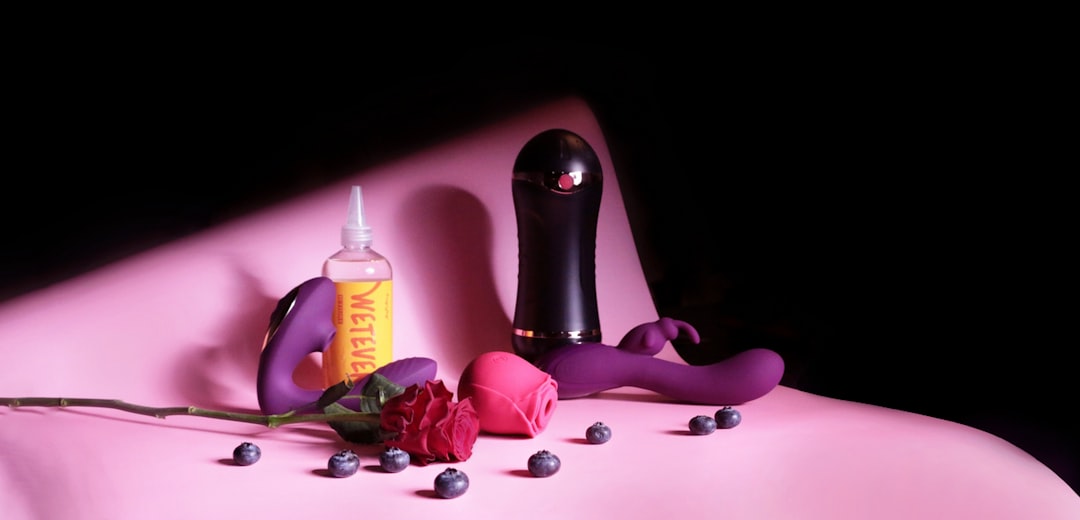
Shopping for your first vibrator can feel weirdly overwhelming for something that's supposed to feel good. There are approximately a thousand options, zero helpful guides that don't read like a medical pamphlet, and suddenly you're three tabs deep into Reddit at midnight.
You deserve better than that.
The good news is that picking your first toy isn't nearly as complicated as the internet makes it look. Once you understand a few key things about your own body and what you're actually looking for, the whole process clicks into place fast. This guide cuts through the noise and gives you a real, honest map for choosing a vibrator for women that actually suits you.
Why Your First Vibrator Matters More Than You Think
Your first experience with a vibrator sets the tone for how you explore pleasure going forward. A toy that's too intense, too complicated, or made from sketchy materials can genuinely put you off the whole experience before you've even given yourself a fair shot.
This isn't about picking the "best" toy in some universal sense.
It's about picking the right toy for where you are right now. Someone who's never used a vibrator before has completely different needs from someone who's been exploring for years. Research from Indiana University's Center for Sexual Health Promotion found that over 52% of women in the United States have used a vibrator, and those who do consistently report higher levels of sexual function and satisfaction. But that stat only means something when you're using a toy that actually fits your needs, not just the most popular one on a listicle (Herbenick et al., 2009).
Step One: Know What Kind of Stimulation You're After
Before you look at a single product, ask yourself one question. Do you prefer external stimulation, internal, or are you genuinely not sure yet?
If you're new to the whole thing, external is almost always the easier starting point. The clitoris has over 10,000 nerve endings and most of its structure sits outside the body. This is why clitoral vibrators are consistently the most recommended starting point for beginners. They're easier to control, less intimidating, and tend to produce results faster.
If you think you'd enjoy internal stimulation or want something that does both, that's completely valid too. Just aim for something smaller and simpler for your first experience. A sleek, non-intimidating shape with a modest size is your friend here.
Material Safety: The One Thing Nobody Talks About Enough
Here's the thing that genuinely surprises most first-time buyers.
Not all sex toys are made from body-safe materials. The adult toy industry is largely unregulated, which means some cheaper products contain phthalates, PVC, or other materials that can cause irritation, allergic reactions, or worse. This isn't meant to scare you. It's just something you need to know before you shop.
Always look for medical-grade silicone, ABS plastic, glass, or stainless steel. These materials are non-porous, easy to clean, and won't leach chemicals into sensitive tissue. If a toy's packaging doesn't mention what it's made from, that's a red flag. Stick to reputable retailers and brands that are transparent about their materials, and you'll be fine.
Size, Shape, and Why Simpler Is Almost Always Better
The urge to go big or go home is real. Resist it.
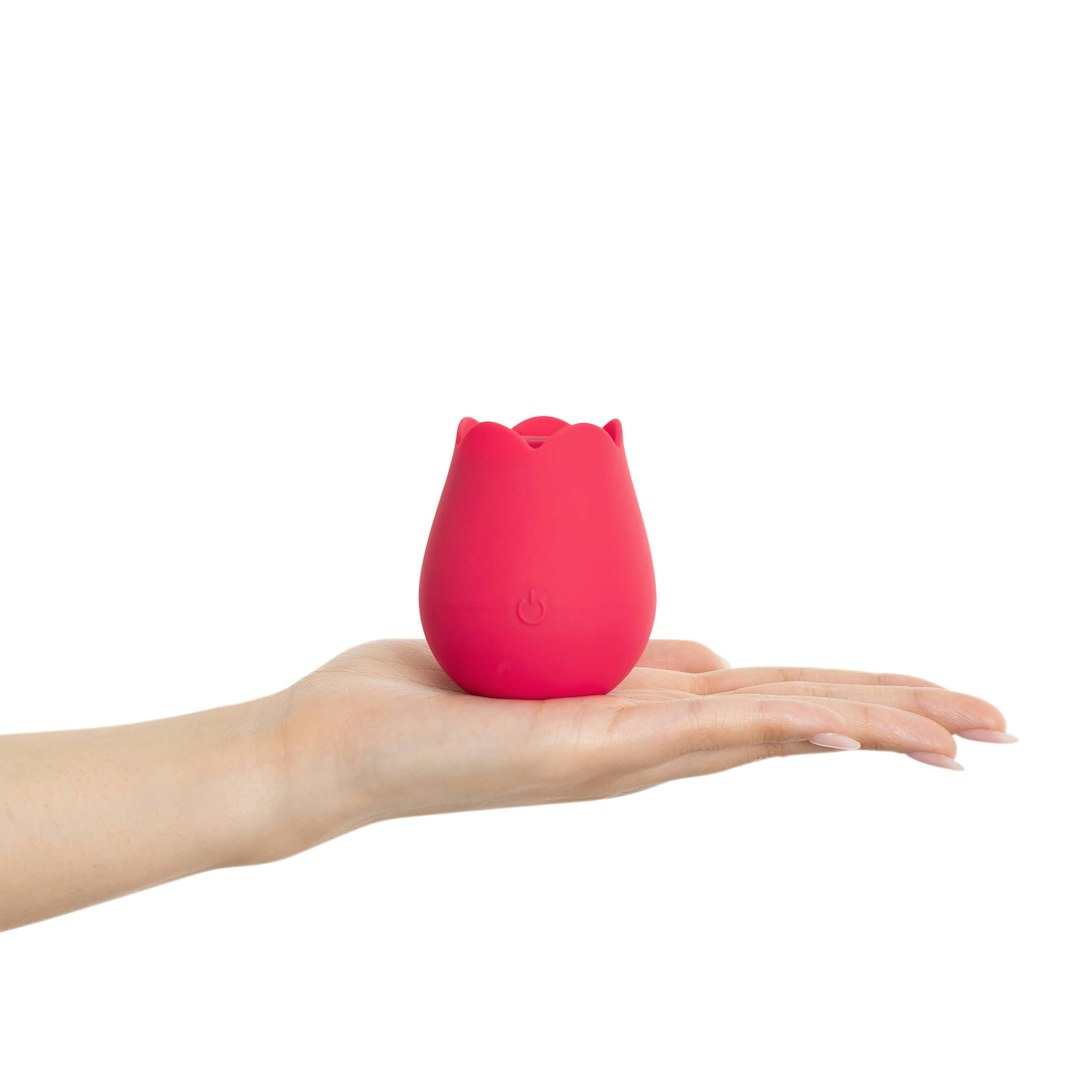
For a first vibrator, simpler is genuinely smarter. You want something that's easy to hold, easy to use one-handed, and doesn't require reading a 12-step instruction manual before you get started. A mini bullet vibrator is a classic recommendation for good reason. It's small, precise, and gives you pinpoint control over where and how you use it. If you want something with a bit more surface area and a playful personality, a compact clitoral massager like the lemon-shaped Lem massager delivers gentle, targeted stimulation without overwhelming intensity.
Shape matters more than most guides admit. Ergonomics affect how comfortable the toy is to hold during use. Look for something that fits naturally in your hand without requiring an awkward grip.
Intensity Levels and Why You Want Options

More intensity settings isn't just a marketing gimmick. It matters.
Your body's sensitivity changes depending on the day, your stress levels, where you are in your cycle, and a dozen other factors. A toy with multiple speed and pattern settings lets you dial in exactly what feels right in the moment rather than committing to one fixed frequency. For beginners especially, starting low and working up gradually is the whole game. If you jump straight to the highest setting on a powerful toy, you might find it numbing rather than pleasurable. That experience often makes people think vibrators "don't work" for them, when really they just started at the wrong setting.
Rechargeable vs. Battery-Powered: A Practical Breakdown
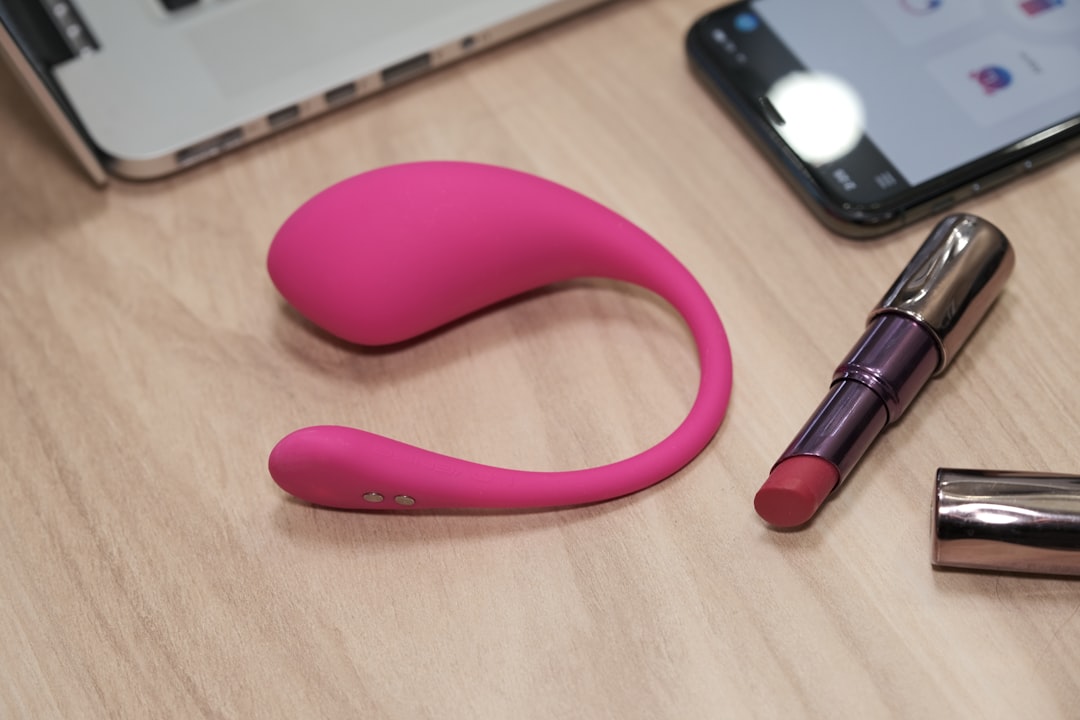
Rechargeable wins almost every time for first-time buyers.
Battery-powered toys have their place, but rechargeable options tend to offer more consistent, stronger motors. They also work out cheaper over time and you're never stuck hunting for a specific battery size at an inconvenient moment. USB charging has become the standard now for most quality toys, which means you can top it up from any laptop or plug adapter. If portability matters to you, look for a toy with a magnetic charging connector and a decent battery life per charge.
Noise Level: Because Your Business Is Your Business
Quiet matters. Full stop.
Even if you live alone, the anxiety of a loud toy is enough to break focus and pull you out of the moment entirely. Most quality silicone toys with high-grade motors run quietly, but it's worth checking reviews for noise level specifically. Some brands advertise "whisper quiet" motors and actually deliver on it. Others use that phrase loosely. Reading a few user reviews on noise specifically will save you a lot of stress before you commit.
What to Actually Spend on Your First Toy

Let's talk budget, because this comes up constantly.
The cheapest toys are almost never worth it. A $10 toy from a random online marketplace is likely made from questionable materials, has a motor that gives out within a few uses, and offers zero customer support. That said, you absolutely do not need to spend $200 on your first vibrator. The sweet spot for beginners is typically in the $40 to $90 range. At that price point, you can find toys made from body-safe materials, with solid motors, meaningful warranty coverage, and real company support behind them.
Think of it as an investment in knowing your own body. That's genuinely worth it.
How to Actually Use It Once You Have It
Start slow and give yourself time.
This sounds obvious but most people rush through their first experience because they're not sure what they're doing and feel a bit self-conscious about it. That's completely normal. Set aside real, unhurried time when you're relaxed and won't be interrupted. Try different spots, different speeds, and different pressures without any expectation of a specific outcome. You're learning, not performing. If you want a deeper dive, our guide on how to use a bullet vibrator covers beginner technique in genuine detail.
Also: use a water-based lubricant with any silicone toy. It makes everything feel better and protects the material.
For People Who Want to Explore With a Partner
If your goal is to bring a toy into shared play, that changes the criteria slightly.
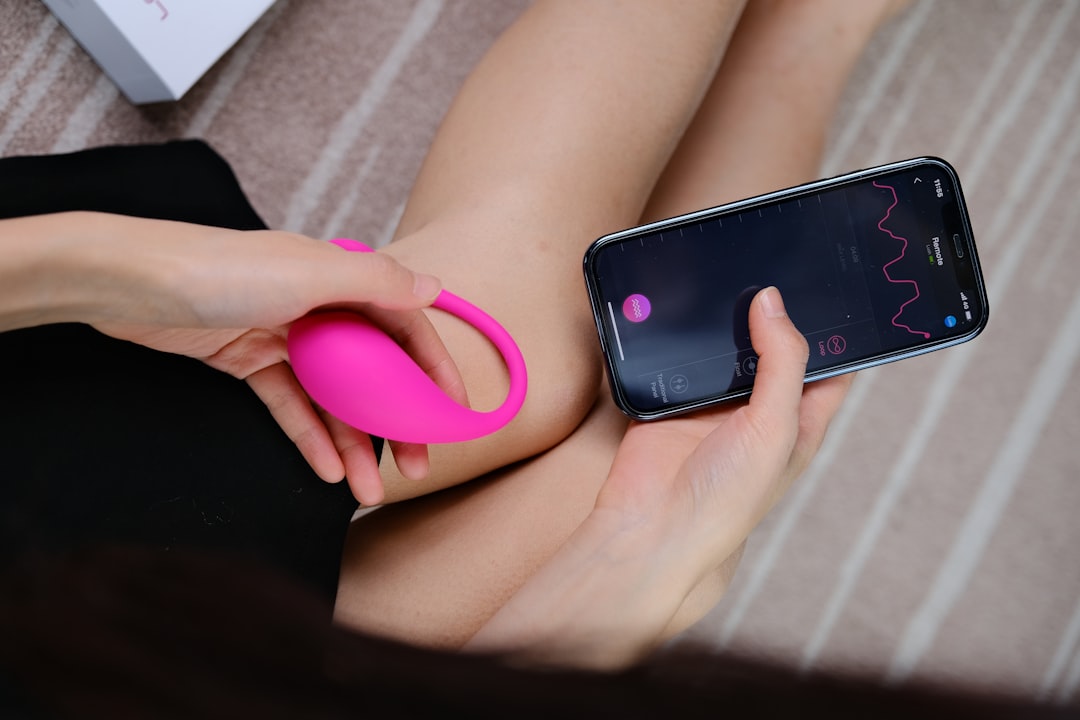
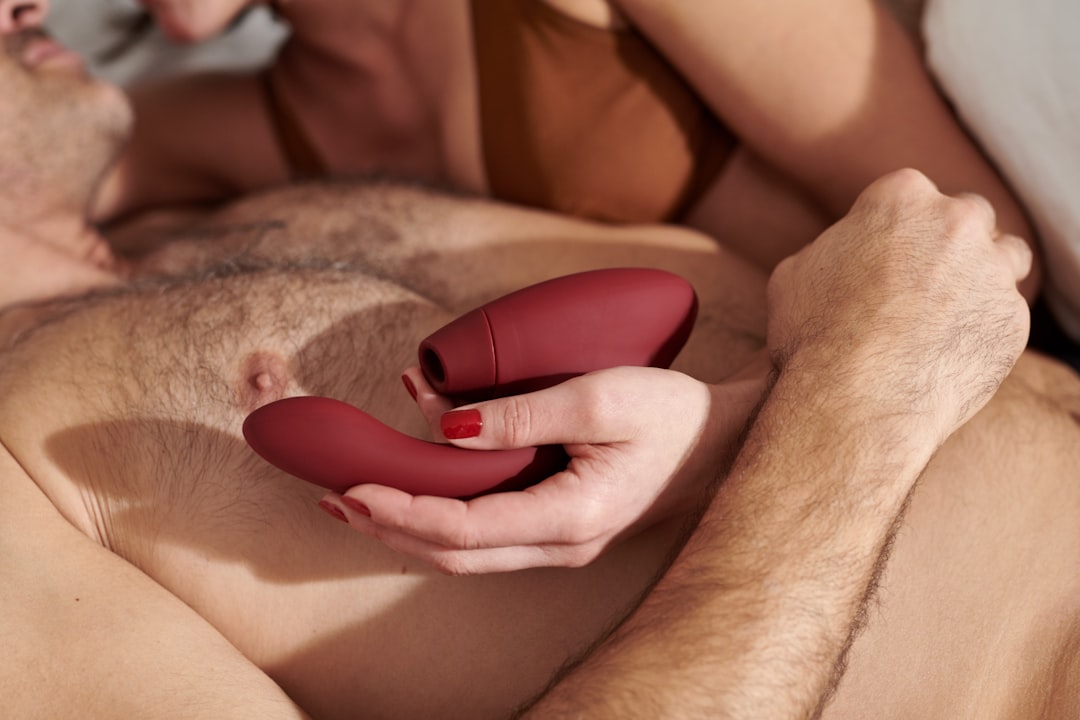
You'll want something that fits naturally between two bodies and doesn't require complicated positioning to use. A compact couples toy designed for shared use is different from a solo toy. A wearable option like the Pixie remote-controlled panty vibrator is specifically designed for exactly this scenario. It lets your partner control the experience from a distance, which adds a genuinely fun dynamic to the mix without requiring any complicated logistics mid-session.
Bottom Line
Choosing your first vibrator doesn't need to be stressful or embarrassing.
Know what kind of stimulation you're looking for. Prioritize body-safe materials. Pick something simple with multiple settings and a quiet motor. Don't underspend, but don't feel pressure to go premium either. Your pleasure is worth the investment, and the right toy is the one that meets you where you actually are right now, not where you think you "should" be.
Want to make your journey even more exciting? I've handpicked some amazing toys and goodies at Hello Nancy that'll add extra sparkle to your intimate moments. (Here's a little secret — use 'dirtytalk' for 10% off!)
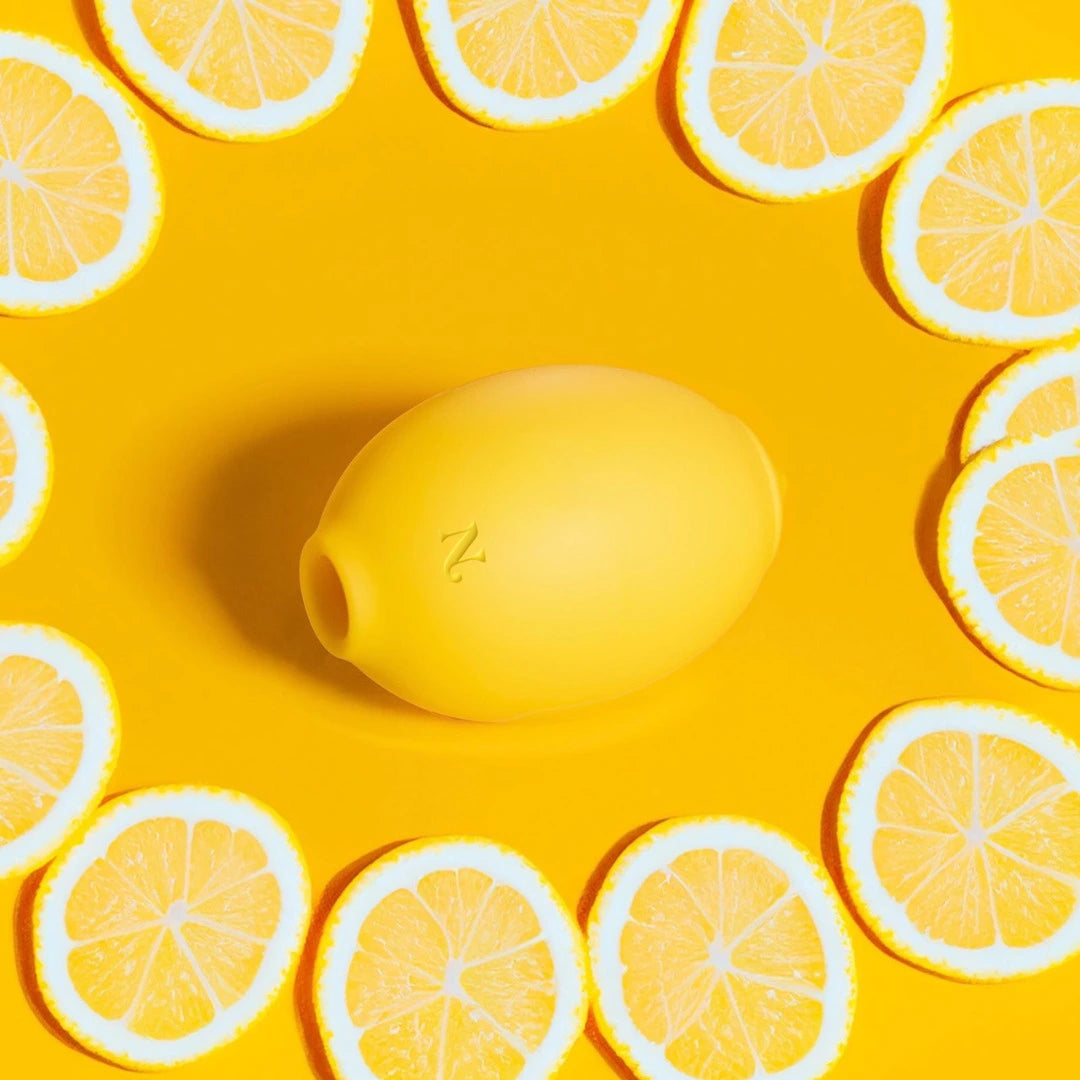
The Lem Clitoral Massager is one of my personal top picks for first-timers. It's shaped like an adorable little lemon, made from 100% body-safe silicone, whisper-quiet, and gives you the kind of gentle-but-effective stimulation that makes beginners wonder why they waited so long.
Frequently Asked Questions
What is the best type of vibrator for a complete beginner?
A compact clitoral vibrator or mini bullet vibrator is almost always the best starting point. They're easy to hold, straightforward to use, and give you precise control without any intimidating size or complexity. Once you know what you enjoy, branching out to other styles becomes much easier.
What materials are safe in a vibrator?
Medical-grade silicone, ABS plastic, borosilicate glass, and stainless steel are all considered body-safe. These materials are non-porous, hypoallergenic, and easy to clean properly. Avoid anything made from PVC, jelly rubber, or any toy whose material isn't clearly listed.
How much should I spend on my first vibrator?
Somewhere in the $40 to $90 range is the practical sweet spot for beginners. At this price, you get body-safe materials, a reliable motor, and decent brand support. Spending under $20 usually means cutting corners on safety or durability.
Should I use lubricant with a vibrator?
Yes, and specifically a water-based lubricant if your toy is silicone. Silicone-based lubricants can degrade silicone toy surfaces over time. Water-based lube is compatible with all toy materials, improves sensation, and makes the whole experience more comfortable.
Are vibrators safe to use every day?
For most people, yes. Regular vibrator use is not harmful and has no lasting negative effect on sensitivity when used normally. If you notice temporary numbness, simply take a short break and lower the intensity level next time.
Can vibrators desensitize you over time?
Temporary desensitization from prolonged high-intensity use is possible, but it is not permanent. Taking breaks and varying your intensity settings prevents this entirely. There is no clinical evidence that regular, moderate vibrator use causes lasting changes in nerve sensitivity.
What is the difference between a clitoral vibrator and a G-spot vibrator?
A clitoral vibrator is designed for external stimulation of the clitoris and surrounding vulvar area. A G-spot vibrator has a curved tip designed for internal use, specifically angled to reach the front wall of the vagina. Beginners often find external clitoral toys easier to start with.
How do I clean my vibrator properly?
Wash silicone, glass, or steel toys with warm water and a mild soap, or use a dedicated toy cleaner. Never submerge a toy with a charging port unless it's specifically rated as waterproof. Pat dry and store in a clean pouch or case away from other toys.
Is it normal to feel nervous about buying your first vibrator?
Completely normal. A lot of people feel awkward the first time, and that has nothing to do with you personally. It's just the result of pleasure being treated as taboo for most people's formative years. Buying from a reputable, discreet retailer helps, and the nervousness fades fast once you realize it's just a product designed to help you feel good.