再加 $12.00 即可获得 免费礼品


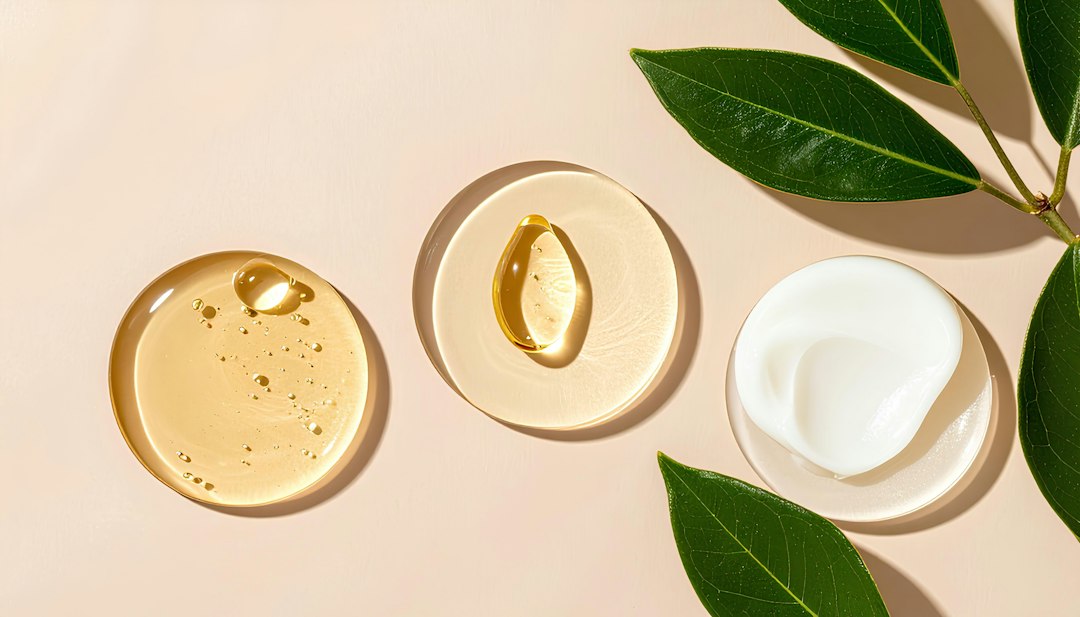
You found a half-used bottle of your favorite natural lube at the back of your nightstand. No judgment. But here's the thing nobody tells you upfront: that organic formula you paid extra for? It expires faster than the synthetic stuff.
This isn't a rumor. It's chemistry.
Why Natural Lubes Have a Shorter Shelf Life
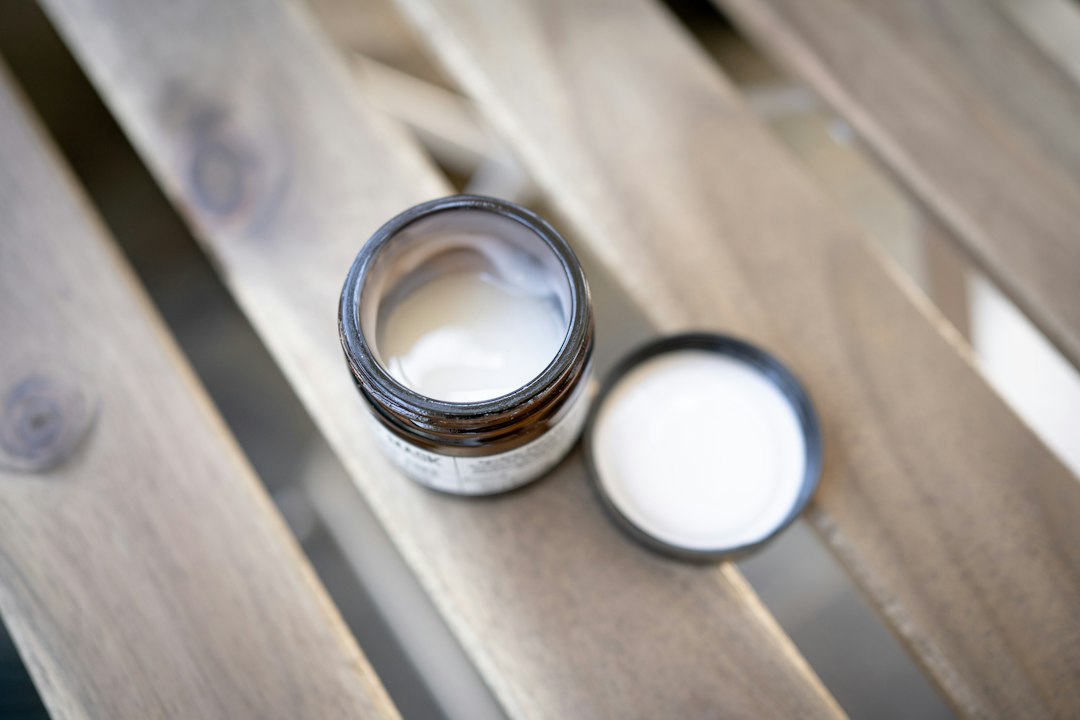
Conventional lubricants get their staying power from synthetic preservatives. Things like parabens and phenoxyethanol are really good at keeping bacteria and fungi from turning your lube into a petri dish. Natural and organic lubes, by definition, skip those ingredients. And without that chemical shield, the clock starts ticking faster. According to YES Labs, a certified organic lubricant brand, using purely organic ingredients means their product range has "a shorter shelf-life than if un-natural preservatives were used." That's a brand openly admitting it. That honesty matters.
Most standard lubricants last around one to three years. Many natural formulas? Closer to one year, sometimes less.
The exact timeline depends on what's actually in your bottle. Aloe vera-based lubes tend to be on the more delicate end since aloe is a plant gel and degrades fairly quickly once processed. Coconut oil, on the other hand, is surprisingly resilient. Virgin coconut oil can hold up for two to five years under good storage conditions, while refined versions sit around eighteen to thirty-six months. If your natural lube is primarily oil-based, you've got a bit more runway. But the moment a formula starts blending multiple botanical extracts, those individual expiration windows compound. The weakest ingredient pulls everything else down with it.
What Actually Goes Wrong When Lube Expires
Expired lube doesn't just stop working. It can actively cause problems.
When the preservative system breaks down in a natural formula, microbial growth becomes a real possibility. Bacteria and mold thrive in the warm, slightly moist environment of an opened bottle. Using a contaminated lube on sensitive genital tissue can disrupt your vaginal microbiome, trigger infections, or cause irritation and inflammation. And because natural lubes often contain plant oils and extracts, rancidity is also a concern. Rancid oils smell off and feel different on skin, but they can also cause localized inflammation. If you've ever noticed a weird smell from an old bottle or felt unexpected stinging during use, an expired product could be the culprit. It's always worth checking.
Colour changes, separation, unusual odour, and a texture that feels thicker or clumpy are your four main red flags.
How to Find the Expiration Date on Your Lube
Most personal lubricants use a PAO symbol, which stands for Period After Opening. It looks like a small open jar with a number and the letter "M" inside, like "12M" meaning twelve months after you first open it. Some products also print a "best before" or "use by" date directly on the packaging.
Natural lube brands sometimes skip the PAO in favour of a straight expiration date, especially if the formula is especially sensitive. If you can't find either one, that's actually a red flag on its own. Good brands are transparent about this.
Keep the box. Seriously. The expiration date is almost always printed on the outer packaging, and once you've tossed it, you're guessing.
Storage Habits That Actually Extend Shelf Life
Heat, light, and air are the three enemies of any natural formula.
Storing your lube in a bathroom cabinet sounds logical, but bathrooms cycle through heat and humidity every time someone showers. That environment accelerates breakdown, especially in plant-based ingredients. A bedroom drawer, away from direct sunlight and far from any heat source, is genuinely a better option. Keeping the cap tightly sealed between uses also matters more than people realize. Every time air gets in, oxidation begins. For oil-based formulas especially, that's the start of rancidity. And if you're decanting lube into a smaller bottle for travel, make sure that secondary container is clean and dry before it touches the formula.
Refrigeration isn't necessary for most lubes, but it doesn't hurt for very delicate botanical formulas.
Natural Lube vs. Synthetic Lube: Is the Trade-Off Worth It?
Honestly? For a lot of people, yes.
Synthetic lubes earn their longevity through ingredients that many people find irritating or want to avoid entirely, particularly those with sensitive skin, hormone conditions, or a preference for clean-beauty principles. The shorter shelf life of a natural lube is a real consideration, but it's manageable with the right habits. Buy smaller bottles if you're not a frequent user. Rotate your stock. Check dates before you open a new bottle. These are small adjustments that make the natural option totally viable.
If you're exploring other ways to deepen your pleasure practice alongside a good quality lube, pairing it with thoughtfully designed clitoral vibrators can genuinely elevate the experience. The right combination of lube and toy makes a noticeable difference.
Common Natural Lube Ingredients and Their Rough Shelf Lives
Knowing what's in your lube helps you understand what you're working with. Aloe vera gel, once extracted and processed, typically has a usable life of one to two years in a sealed formulation. Coconut oil lasts longer, often eighteen months to several years depending on refining. Jojoba oil is notably stable and can last two to five years. Shea butter sits around one to two years. Any formula blending multiple botanicals will generally follow the shelf life of its least stable ingredient. Reading the full ingredients list isn't just for people with allergies. It tells you something real about how long your product will stay safe and effective.
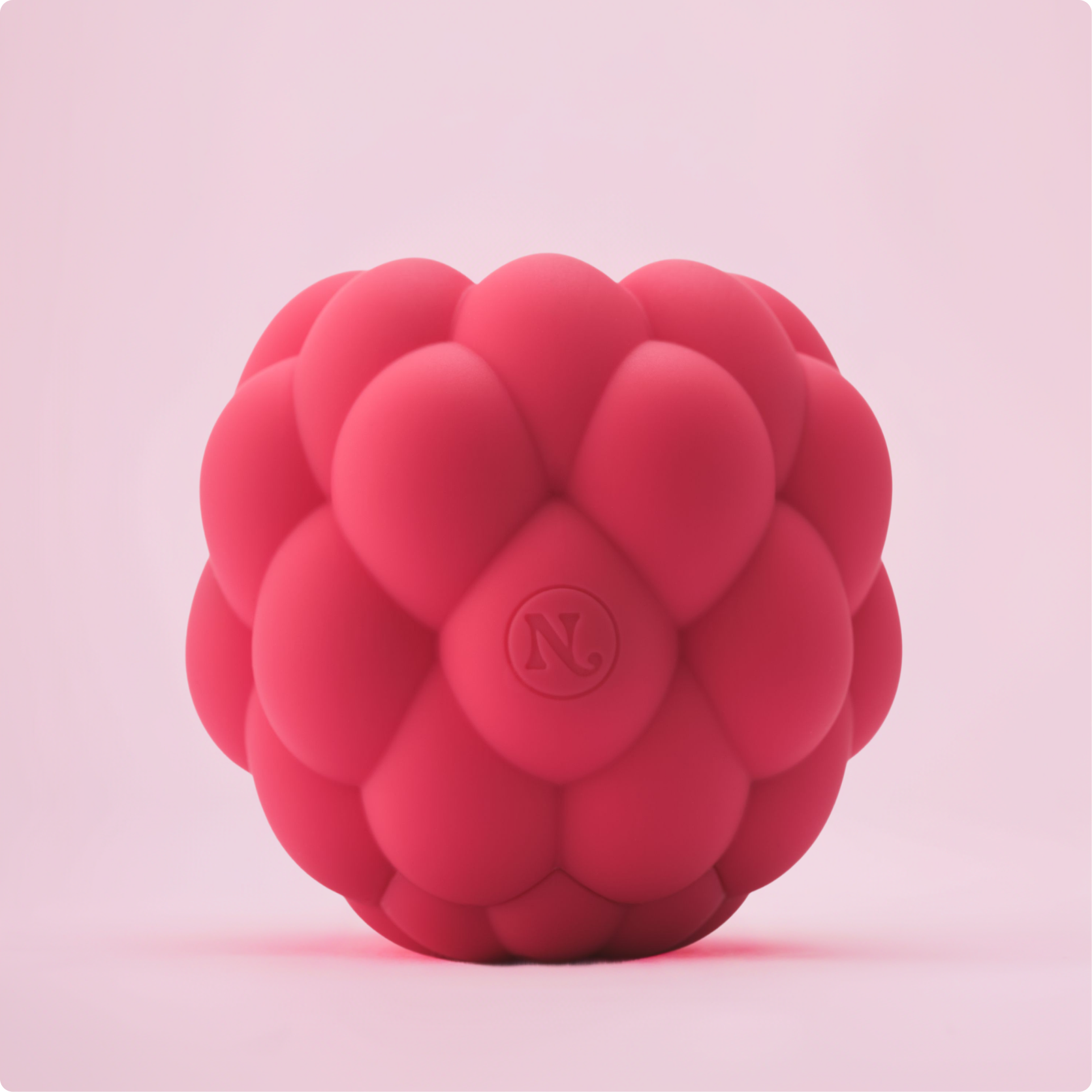
For people who love exploring their own pleasure and want products built with the same care for quality, the Berri edging clitoral massager is designed with body-safe materials that pair beautifully with water-based natural lubes.
And while we're talking about what goes into your body and onto your skin, it's worth reading up on why sex can suddenly feel painful. Sometimes expired or incompatible lube is the overlooked variable.
When to Throw It Out, No Exceptions
If the lube smells different from when you first opened it, throw it out. If the texture has separated or become grainy, throw it out. If there's any visible discoloration or cloudiness where there wasn't before, throw it out. If you've hit the PAO date and you're not sure when you opened it, throw it out. This isn't about being wasteful. It's about not introducing compromised ingredients into one of the most sensitive areas of your body. Your comfort and health genuinely deserve that level of care.
Trust your senses. They're better at this than you think.
Bottom Line
Natural lubes do expire faster. That's a real trade-off, not a marketing myth. But with a little awareness around storage, shelf life, and the ingredients in your formula, it's completely manageable. You deserve products built for women and all bodies that are honest about what they contain and how long they last. Reading the label, checking the date, and storing your lube with a bit of intention is genuinely one of the simplest ways to protect your intimate health.
Something small. Something worth knowing.
Want to make your journey even more exciting? I've handpicked some amazing toys and goodies at Hello Nancy that'll add extra sparkle to your intimate moments. (Here's a little secret — use 'dirtytalk' for 10% off!)
Frequently Asked Questions
Do natural lubes expire faster than regular lubes?
Yes, natural and organic lubricants generally have a shorter shelf life than synthetic ones. This is because they rely on gentler, plant-based preservatives or none at all, which means they break down more quickly once opened. Most natural formulas last around one year after opening, compared to two to three years for many conventional products.
How long does natural lube last after opening?
Most natural lubricants last between six months to one year after opening, depending on the formula. Oil-based options like coconut or jojoba oil tend to last longer than aloe vera or water-based botanical blends. Always check the PAO symbol on the packaging for the brand's specific guidance.
What happens if you use expired natural lube?
Using expired natural lube can introduce bacteria or degraded plant compounds to sensitive genital tissue, potentially causing irritation, inflammation, or infection. Rancid oils in expired formulas can also cause localized skin reactions. If your lube smells off, looks separated, or feels different, discard it immediately.
How can I make my natural lube last longer?
Store your lube in a cool, dark place away from humidity and direct sunlight. A bedroom drawer is better than a bathroom shelf. Keep the cap tightly sealed after every use to minimize air exposure, which drives oxidation and rancidity in plant-based ingredients.
Is coconut oil lube safe to use past its expiration date?
Coconut oil is one of the more shelf-stable natural lube bases, but it can still go rancid over time. If it smells sour, waxy, or unusual in any way, do not use it on your body. Virgin coconut oil typically lasts two to five years when stored correctly, but always trust your nose over the calendar.
Can expired lube cause a yeast infection or bacterial vaginosis?
It's possible. When a natural lube's preservative system degrades, microbial contamination becomes a real risk. Introducing compromised ingredients to vaginal tissue can disrupt the delicate pH balance and microbiome, potentially triggering yeast infections or bacterial vaginosis in susceptible individuals.
What is the PAO symbol on lube packaging?
PAO stands for Period After Opening. It's a small icon that looks like an open jar with a number inside, such as "12M", meaning the product is considered safe for twelve months after first opening. It tells you how long you can use the product once the seal is broken, not the total manufacturing shelf life.
Are aloe vera-based lubes less stable than oil-based lubes?
Generally, yes. Aloe vera is a water-rich plant gel that breaks down more quickly once processed, making it one of the more delicate bases in natural lubricants. Oil-based formulas using stable carriers like coconut oil or jojoba oil tend to have longer viable shelf lives when stored properly.
Should I refrigerate natural lube to make it last longer?
Refrigeration isn't necessary for most natural lubes, but it can help extend the shelf life of especially delicate botanical formulas. The more important factors are keeping the product away from heat, light, and air. A cool, dark drawer is usually sufficient for the majority of natural lube formulas.
How do I know if my natural lube has gone bad?
Trust your senses. A change in smell (rancid, sour, or just unfamiliar), a different texture (clumpy, grainy, or separated), or visible discoloration are all signs that your lube has degraded. If anything seems off compared to when you first opened it, the safest choice is to discard it and open a fresh bottle.