Add £9.00 to get Free Gift


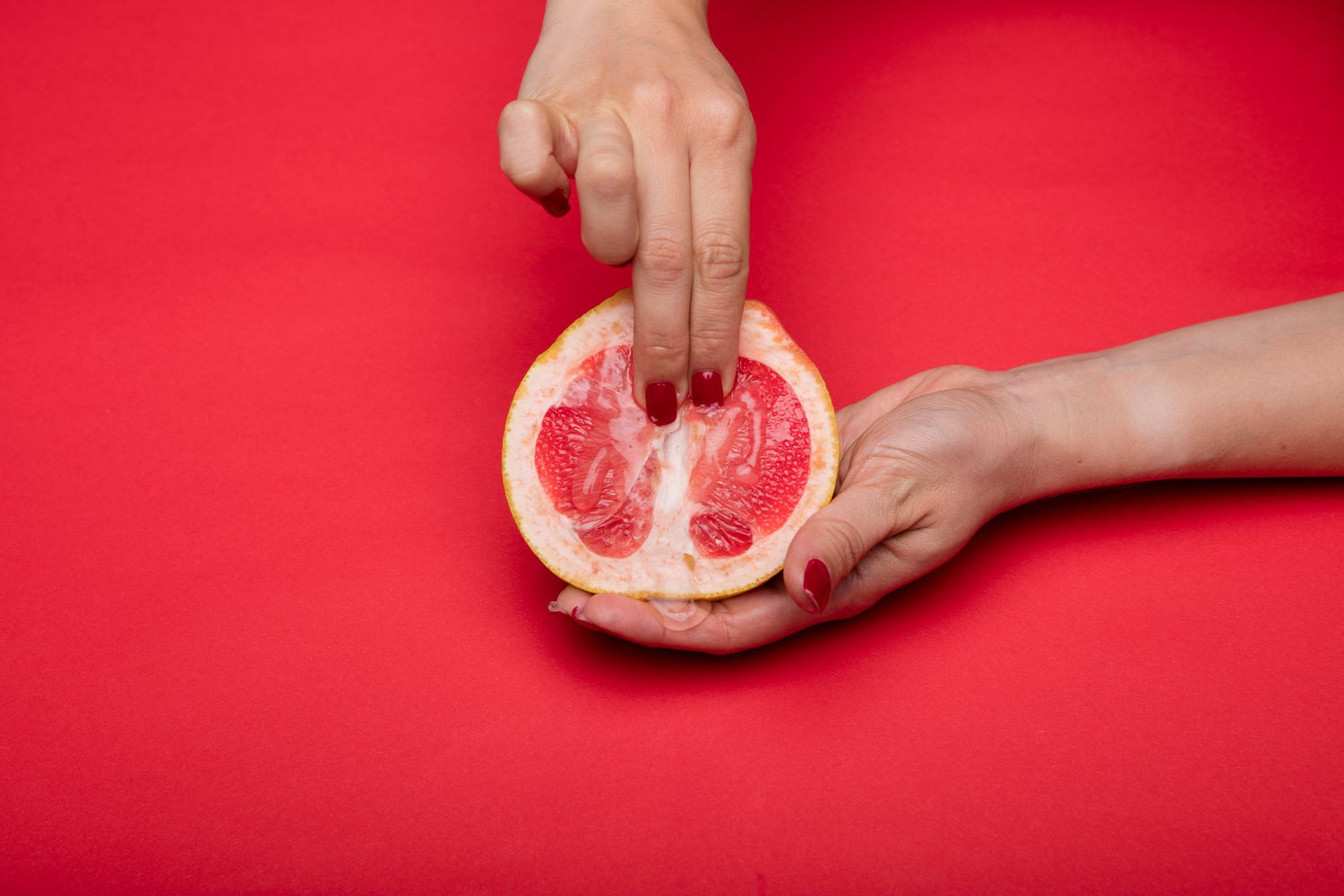
Nobody handed us a manual for this. And somehow, we all just winged it.
The one-finger-vs-two-fingers debate sounds like the kind of thing you'd figure out instinctively, but here's what actually happens: most people default to whatever they did the first time and stick with it forever. That's not exploration. That's autopilot. And your partner's body deserves better than autopilot.
Let's fix that.
Why the Number of Fingers Actually Matters

The vaginal canal isn't a uniform tube that responds identically to every input. It's layered with sensitive tissue, nerve clusters, and expandable muscle that responds differently depending on pressure, angle, and fullness. One finger versus two isn't just about size. It's about what kind of sensation you're creating and where.
Arousal changes everything, too.
When your partner is turned on, the vaginal walls swell slightly with increased blood flow, the cervix lifts, and the tissue becomes more receptive to pressure and movement. A body that's barely warmed up will respond very differently to two fingers than a body that's been simmering for twenty minutes. Understanding that context is step one.
The Case for One Finger: Precision Is a Superpower

One finger is your scalpel. It's focused, targeted, and gives you the most directional control of any manual technique.
Start here. Every time, without exception. One finger lets you map the internal terrain before committing to anything more. You can trace the anterior wall (that's the front wall, about two to three inches in, where the G-spot lives) without overwhelming the tissue. You can feel the difference between spongy, textured areas and smoother surrounding tissue. That textured ridge? That's where you want to spend time.
One finger also works beautifully for clitoral stimulation. If you're exploring the external clitoral hood and shaft, a single fingertip gives you surgical precision. You can isolate the exact spot your partner responds to without accidentally sliding off-target or applying pressure to the wrong area. Plenty of people find that clitoral vibrators were designed with this exact focused-stimulation principle in mind.
And honestly? For partners who are new to penetration, anxious, or simply prefer less fullness, one finger might be the only finger you ever need. That's not a limitation. That's listening.
When One Finger Shines
Use one finger when your partner is still in early arousal stages, when you're doing exploratory internal massage, when targeting the G-spot with precise "come hither" motions, or when your partner has indicated they prefer a more delicate touch. It's also the go-to technique when you're working with a partner who experiences vaginismus or general tension, since less stretching means more comfort and control.
The Case for Two Fingers: Pressure, Fullness, and That Different Kind of Pleasure
Two fingers open up a completely different conversation with the body.
Where one finger offers precision, two fingers offer presence. Together, they create a broader surface area against the anterior vaginal wall, which means more simultaneous contact with the G-spot and surrounding urethral sponge tissue. That tissue, when stimulated correctly, can produce an entirely different quality of sensation. Deeper. More diffuse. Fuller.
The "come hither" motion with two fingers is genuinely one of the most effective G-spot techniques available. According to anatomy resources, the G-spot sits roughly two to three inches inside the front vaginal wall, and pressing upward with two curved fingers creates consistent, rhythmic pressure across a wider stretch of that responsive tissue (SVAKOM, 2024). Add a little upward pressure and a slow curl, and you've got a technique that's hard to beat.
Two fingers also create a sense of fullness that many people find deeply satisfying during high arousal. Once the vaginal canal has naturally relaxed and expanded, that additional stretch feels like exactly the right fit.
When Two Fingers Work Best
Two fingers thrive after sustained arousal, when your partner is fully in the zone and the body has opened up naturally. They're excellent for G-spot-focused sessions, for partners who enjoy a sense of internal pressure, and for building toward more intense stimulation. If your partner asks for "more" mid-session, that's often your cue to transition.
Reading the Room: How to Know When to Transition
Here's the thing nobody talks about: the transition between one and two fingers is its own skill.
Rushing from one to two before the body is ready is probably the most common mistake. If your partner tenses, pulls back slightly, or their breathing shifts in a less-than-enthusiastic way, slow down. Return to external stimulation, use more lube, and wait. If they lean into you, vocalize, or physically guide your hand for more, that's your green light.
Communication doesn't have to be a full conversation mid-session. A simple "how does this feel?" or "want more?" takes three seconds and changes everything. Direct, clear check-ins build the kind of trust that makes partners feel safe enough to actually let go and enjoy themselves. Check out our guide on nail safety for fingering for the practical prep that makes all of this more comfortable, too.
Lubrication also determines everything here. Natural lubrication is great, but adding a quality water-based lube changes the entire texture of the experience, especially when you're increasing pressure or adding a second finger. Don't skip it.
Technique Details That Actually Make a Difference
Angle is everything, and most people underestimate it.
Whether you're using one finger or two, orienting your palm upward toward the front wall of the body gives you access to all the good stuff. The G-spot, the urethral sponge, the anterior fornix if you're going deeper. Fingers pointed downward, toward the back wall, are mostly passing through less responsive tissue. Flip your hand. Feel the difference immediately.
Rhythm matters as much as pressure. A steady, consistent "come hither" curl is often more effective than frantic motion. Think slow waves, not jackhammer energy. Start gently and build gradually, matching your pace to your partner's responses rather than your own assumptions about what should be working.
Depth is personal. Some people are intensely sensitive just inside the entrance, especially around the first one to two inches where the vestibular bulbs and lower vaginal tissue are clustered. Others respond more to deeper pressure. You won't know until you explore with intention and attention rather than speed.
For external clitoral work, pairing finger stimulation with something like the Berri edging clitoral massager can create a layered experience that feels completely different from manual touch alone. If you're working with a partner who loves combined internal and external stimulation, this combination is genuinely worth trying.
Vibrators for women designed for dual stimulation work on the same principle. They're built around the understanding that internal pressure plus external clitoral contact equals something most fingers can't replicate solo.
The Role of Your Partner's Anatomy and Preferences
No two bodies are the same.
Some people have a highly sensitive, easily located G-spot that responds to light pressure almost immediately. For others, G-spot stimulation requires sustained arousal and a particular angle before it becomes pleasurable. Some people simply don't find internal stimulation satisfying at all, and that's completely normal. What your partner's body actually responds to matters infinitely more than any general technique advice, including this article.
Ask. Experiment. Remember what worked. Build a map over time, not just a routine.
For partners who enjoy solo exploration, practicing with one finger first gives a detailed understanding of your own internal geography. That self-knowledge is genuinely useful. When you know what you like and where you like it, communicating that to a partner becomes much simpler. And checking out the science-backed benefits of masturbation might give you even more reason to invest in that solo research.
Combining Fingers with Toys and External Stimulation
Manual technique and toys aren't competitors. They're collaborators.
One of the most effective combinations is internal finger stimulation paired with a clitoral massager held externally. The internal pressure from your fingers activates the deeper tissue while the external toy handles the clitoris, which extends internally anyway. The two sensations interact in ways that feel genuinely different from either stimulation alone. Many people describe this combination as the most reliably pleasurable experience they've had.
Couples toys are built around this exact principle, and if you and your partner are exploring ways to layer sensation together, they're well worth looking into.
Wrapping Up
One finger vs two isn't really a debate. It's a progression. It's a vocabulary. One finger is your opening sentence, your careful introduction to what the body is feeling. Two fingers are where the story deepens, where pressure and fullness enter the narrative and change the whole tone.
Most of all, it's a skill you build through presence, attention, and genuine curiosity about your partner's responses. Not through speed, not through assumption, and definitely not through autopilot.
Your partner's pleasure is worth the slow read.
Want to make your journey even more exciting? I've handpicked some amazing toys and goodies at Hello Nancy that'll add extra sparkle to your intimate moments. (Here's a little secret, use 'dirtytalk' for 10% off!)
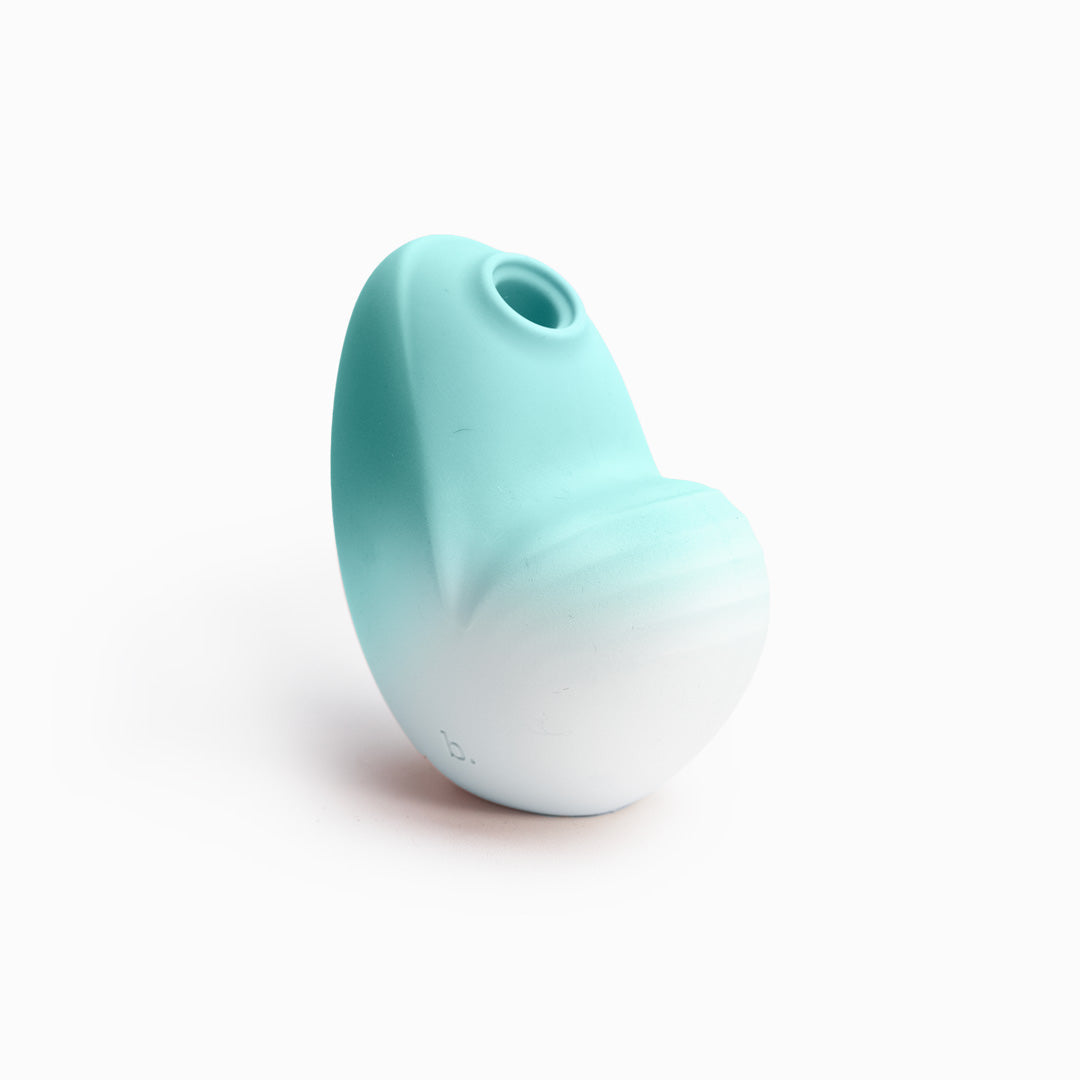
The Namii 2 is a gorgeous dual-action toy that pairs clitoral suction with vibration, perfect for those moments when you want to take the internal-plus-external combination to a whole new level.
Frequently Asked Questions
Should I always start with one finger before moving to two?
Yes, starting with one finger is almost always the better approach. It lets you gauge your partner's arousal level, explore the internal anatomy without overwhelming the tissue, and transition naturally when the body is ready for more.
How do I know when my partner is ready for two fingers?
Watch for physical cues like relaxed muscles, increased lubrication, deeper breathing, and your partner leaning into the touch rather than tensing. Asking directly is always valid too. "Want more?" is a complete sentence.
What is the best finger technique for G-spot stimulation?
The "come hither" motion is the most consistently effective technique. With your palm facing upward, insert one or two fingers and curl them toward the front wall of the body in a slow, rhythmic beckoning motion. The G-spot is typically located about two to three inches inside on the anterior wall.
Does using two fingers hurt if my partner is a beginner?
It can, if you move too fast or skip arousal buildup. Always use generous lubrication, start with one finger, and only add a second when the body has naturally relaxed. If there's any pain or resistance, slow down and return to external stimulation first.
Which finger position works best for one-finger clitoral stimulation?
Your index or middle finger with the pad (not the tip or nail) in contact gives the most control. Apply gentle circular or up-and-down pressure around the clitoral hood rather than directly on the exposed clitoris, especially before full arousal.
Is lube necessary when using fingers for internal stimulation?
Lube is always a good idea. Natural lubrication varies with arousal, stress, hormonal cycles, and hydration. Adding a water-based lubricant reduces friction, increases comfort, and makes the entire experience feel smoother for both partners.
Can I combine finger stimulation with a vibrator at the same time?
Absolutely, and many people find this combination more pleasurable than either technique alone. Internal fingers providing G-spot pressure while a clitoral toy works externally creates layered, simultaneous stimulation across different types of nerve-rich tissue.
How long should I spend with one finger before adding a second?
There's no fixed timer. Follow your partner's body. In general, spending at least several minutes in combined external and single-finger stimulation before adding more gives the body time to reach a higher arousal state where added fullness actually feels good rather than uncomfortable.
What finger angle is best for G-spot stimulation?
Palm facing upward, fingers angled toward the front wall of the body. This positions your fingertips against the anterior vaginal wall where the G-spot and urethral sponge tissue are located. Fingers angled downward mostly contact the posterior wall, which tends to be less sensitive for most people.