Add £9.00 to get Free Gift



Somebody should have given you a roadmap. Your body is changing, and nobody in your life sat you down to explain what that actually means for your sex life.
The conversation about aging erections is one we almost never have honestly. And that silence? It's doing real damage. Because when things start shifting below the belt, most people assume the worst, when really, a lot of what they're experiencing is just... biology being biology.
Let's get into it.
What Actually Happens to Erections as You Age

Erections are fundamentally a blood flow event. Arousal triggers a rush of blood into erectile tissue, and how efficiently that happens depends heavily on the health of your blood vessels, your nervous system, and your hormones. All three of these shift as decades pass.
Testosterone levels start a slow, gradual decline around age 30. By your 40s, you've typically lost 10 to 15 percent from your peak. By your 50s, that figure creeps toward 20 to 25 percent lower. This matters because testosterone plays a supporting role in libido, spontaneous arousal, and the frequency of those early-morning erections you may have stopped noticing. Gradual decline is completely normal. A sudden dramatic drop is worth a conversation with your doctor.
Here's the part nobody talks about.
The speed of erections changes. In your 20s, arousal could translate to a full erection in seconds. In your 40s and 50s, that same process might take longer, and it might require more direct physical stimulation rather than just mental arousal. That's not a malfunction. That's your nervous system operating on a slightly different timeline.
Firmness can also shift. Many men notice that erections in their 40s and beyond are slightly less rigid than they were at 25. This is tied to changes in vascular elasticity and nitric oxide production, the compound your body uses to relax blood vessel walls and allow increased blood flow. Think of it less as a problem and more as a signal about your cardiovascular health overall.
Morning Erections: The Underrated Health Indicator

Morning erections, technically called nocturnal penile tumescence, are your body's way of keeping the tissue oxygenated and healthy while you sleep. They happen during REM sleep cycles, usually three to five times per night in younger men.
As you age, REM sleep naturally decreases. Fewer REM cycles mean fewer overnight erections, which means fewer noticeable morning erections when you wake up. Men in their 50s can absolutely still experience morning erections, just less frequently than in their 30s. That's normal. What isn't normal is them disappearing entirely, especially if the absence is sudden.
A sudden loss of morning erections at any age is worth paying attention to.
Morning erections are largely independent of psychological arousal, which makes them useful as a rough gauge of physical erectile function. If they're happening at reduced frequency but still occurring, your plumbing is generally working. If they've vanished completely alongside other changes like fatigue, low mood, and reduced libido, that pattern might point toward low testosterone or a cardiovascular issue worth checking out.
The Refractory Period Gets Longer. Here's Why
After orgasm, there's a recovery window before another erection is possible. In your late teens and 20s, this might be minutes. By your 40s and 50s, that window can stretch to hours. Some men in their 60s find it can take a full day.
This is completely physiological. The refractory period is regulated by a mix of neurochemicals including prolactin and serotonin, which increase after orgasm and suppress arousal. As testosterone levels decline, those suppressive signals take longer to clear. The practical upshot is that planning and pacing become more part of your sexual experience than they used to be. That's not a downgrade. It's just a different rhythm.
And honestly, that different rhythm can open up a lot of new territory in how you and your partner connect.
When Aging Becomes Erectile Dysfunction
Age-related changes and erectile dysfunction are two different things, and conflating them causes unnecessary panic. ED affects roughly 1 in 10 men in their 40s, rising to over a third of men in their 50s, according to data from Bupa. Those numbers matter because they show both that ED is common and that plenty of men in those age brackets are not experiencing it.
Age-related changes look like gradual shifts over years: slightly longer time to erection, slightly reduced firmness, less frequent morning erections. ED looks like consistent inability to achieve or maintain an erection sufficient for sex, across multiple attempts and contexts.
The word "consistent" is doing a lot of work there.
One or two episodes of difficulty in a row? Completely normal and often tied to stress, alcohol, poor sleep, or anxiety about the very thing that's happening. A pattern that persists over several weeks without obvious lifestyle cause? That's worth a real conversation with a healthcare provider. ED is highly treatable, and getting ahead of it early matters.
What Actually Supports Erectile Health as You Age
The lifestyle factors that support erectile function are almost identical to the ones that support cardiovascular health. This isn't a coincidence. Your erection is essentially a blood pressure and blood flow event happening in miniature. Anything that keeps your heart and vessels healthy tends to keep your erections healthier too.
Cardiovascular exercise consistently ranks as one of the most evidence-supported interventions for erectile function. Sleep quality matters more than most people expect, because testosterone is primarily manufactured during deep sleep. Stress management is genuinely important since chronic cortisol elevation suppresses testosterone production. And alcohol, even moderate drinking, affects both testosterone levels and nervous system response.
If you're curious about how regular masturbation connects to overall sexual health, there's actually solid research suggesting that maintaining sexual activity, with a partner or solo, helps preserve blood flow to erectile tissue over time.
For those exploring pleasure with a partner, couples toys can genuinely help take pressure off performance expectations during this transition. When the focus shifts from achieving a specific outcome to shared sensation, both partners often report more satisfaction. Less pressure, more presence.
The Psychological Side Nobody Mentions
Anxiety about erections creates a feedback loop that makes erections harder to achieve. Full stop. The moment your brain adds "am I going to be able to do this?" as a background track to any intimate encounter, your sympathetic nervous system gets involved, and that nervous system is the exact opposite of what you need for arousal.
Performance anxiety doesn't care how old you are. But it tends to get louder when actual physiological changes start happening, because now the worry feels "justified." Breaking that loop usually requires a combination of things: honest communication with your partner, deliberate reduction of pressure around penetrative sex as the metric of success, and sometimes professional support.
A therapist who specializes in sexual health can be genuinely transformative. So can simply expanding what you consider a satisfying intimate experience.
If you want to explore more about how your sexual personality connects to your relationship patterns, this piece on what your bedroom preferences reveal is worth a read.
Toys, Tools, and Taking the Pressure Off
Something that genuinely helps during this phase is broadening the repertoire. When penetration becomes the only definition of satisfying sex, any variation in erection quality starts feeling like failure. But when pleasure includes clitoral vibrators, touch, oral, and other kinds of stimulation, the entire dynamic shifts.
For partners who have a clitoris, incorporating a quality vibrator for women into shared intimacy removes the expectation that one person's erection carries the entire weight of mutual pleasure. That's a genuinely useful reframe, and it tends to reduce performance anxiety significantly.
The Namii 2 clitoral suction and vibration toy is a great example of something that integrates beautifully into partnered sex, delivering dual air-pulse and vibration sensation that doesn't require anything from either partner except curiosity.
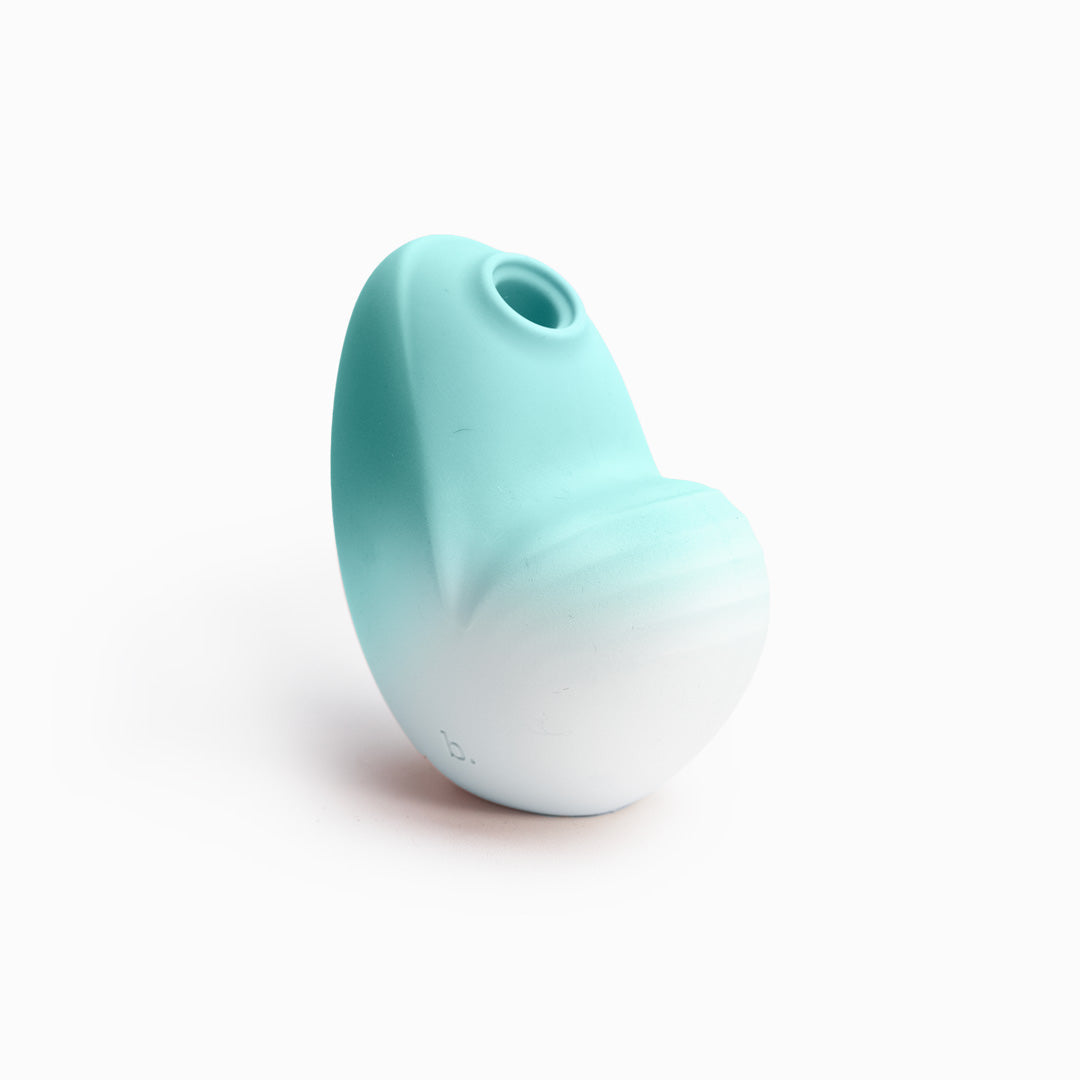
Shifting the focus from "achieving" to "exploring" is one of the most useful things you can do for your sex life in your 40s, 50s, and beyond. And you deserve a sex life that genuinely feels good, not one that's quietly organized around anxiety you never talk about.
Bottom Line
Your erections are going to change as you age. That's biology, not a verdict on your desirability or virility. Slower arousal, softer firmness, longer refractory periods, and fewer morning erections are all part of a normal trajectory. What matters is knowing the difference between gradual change and something worth investigating, staying curious instead of scared, and giving yourself credit for adapting.
Sex at 50 can be genuinely better than sex at 25. Not because the hardware is the same, but because you know yourself better, you communicate more clearly, and you've stopped pretending you don't have preferences.
That's not a consolation prize. That's the actual upgrade.
Want to make your journey even more exciting? I've handpicked some amazing toys and goodies at Hello Nancy that'll add extra sparkle to your intimate moments. (Here's a little secret. Use 'dirtytalk' for 10% off!)
Frequently Asked Questions
Is it normal for erections to be less firm as you get older?
Yes, completely normal. Reduced firmness in erections with age is tied to gradual changes in vascular elasticity, nitric oxide production, and testosterone levels. It's part of a natural, slow progression. Unless the change is sudden or accompanied by other symptoms, it doesn't indicate a medical problem.
At what age do erections start to change?
Most men begin noticing subtle changes in their 40s, such as needing more direct stimulation to achieve a full erection or finding that arousal takes slightly longer. These shifts typically become more noticeable in the 50s but vary widely depending on lifestyle, cardiovascular health, and hormone levels.
Why do I get fewer morning erections as I age?
Morning erections happen primarily during REM sleep cycles. As you age, REM sleep becomes shorter and less frequent, which means fewer overnight erections and fewer you notice on waking. Declining testosterone also plays a role. Reduced frequency is normal. A complete absence, especially if sudden, is worth discussing with a doctor.
What is the difference between age-related erectile changes and erectile dysfunction?
Age-related changes are gradual: slightly slower arousal, mildly reduced firmness, longer recovery times. Erectile dysfunction is a consistent inability to achieve or maintain an erection adequate for sex, across multiple attempts. Occasional difficulty is normal for almost everyone. A persistent pattern lasting several weeks without an obvious cause (like stress or alcohol) is the threshold where professional evaluation makes sense.
How long does the refractory period last in men over 50?
The refractory period, the recovery time needed before another erection is possible after orgasm, can range from several hours to a full day in men over 50. This is normal and physiological, driven by neurochemical changes after ejaculation combined with lower testosterone levels. It tends to lengthen gradually across decades rather than changing overnight.
Can lifestyle changes improve erectile function in older men?
Yes, and the evidence is strong. Regular cardiovascular exercise, quality sleep, reduced alcohol intake, stress management, and maintaining a healthy body weight all have measurable positive effects on erectile function. These same factors support cardiovascular health, which is closely linked to how well blood flows during arousal.
Does anxiety make age-related erectile changes worse?
Significantly, yes. Performance anxiety activates the sympathetic nervous system, which actively works against the arousal response. Once a man starts worrying about whether he'll get or maintain an erection, that worry often becomes self-fulfilling. Reducing pressure, communicating with a partner, and expanding what "satisfying sex" means are all practical and effective ways to break this cycle.
Is it normal to need more physical stimulation for an erection as you age?
Completely normal. Younger men can often achieve erections through mental arousal alone. As testosterone gradually declines and the nervous system's sensitivity shifts, direct physical touch becomes more necessary. This isn't a sign of dysfunction. It's just your body asking for a different kind of engagement, which can actually open the door to more intentional, connected intimacy.