Add £9.00 to get Free Gift


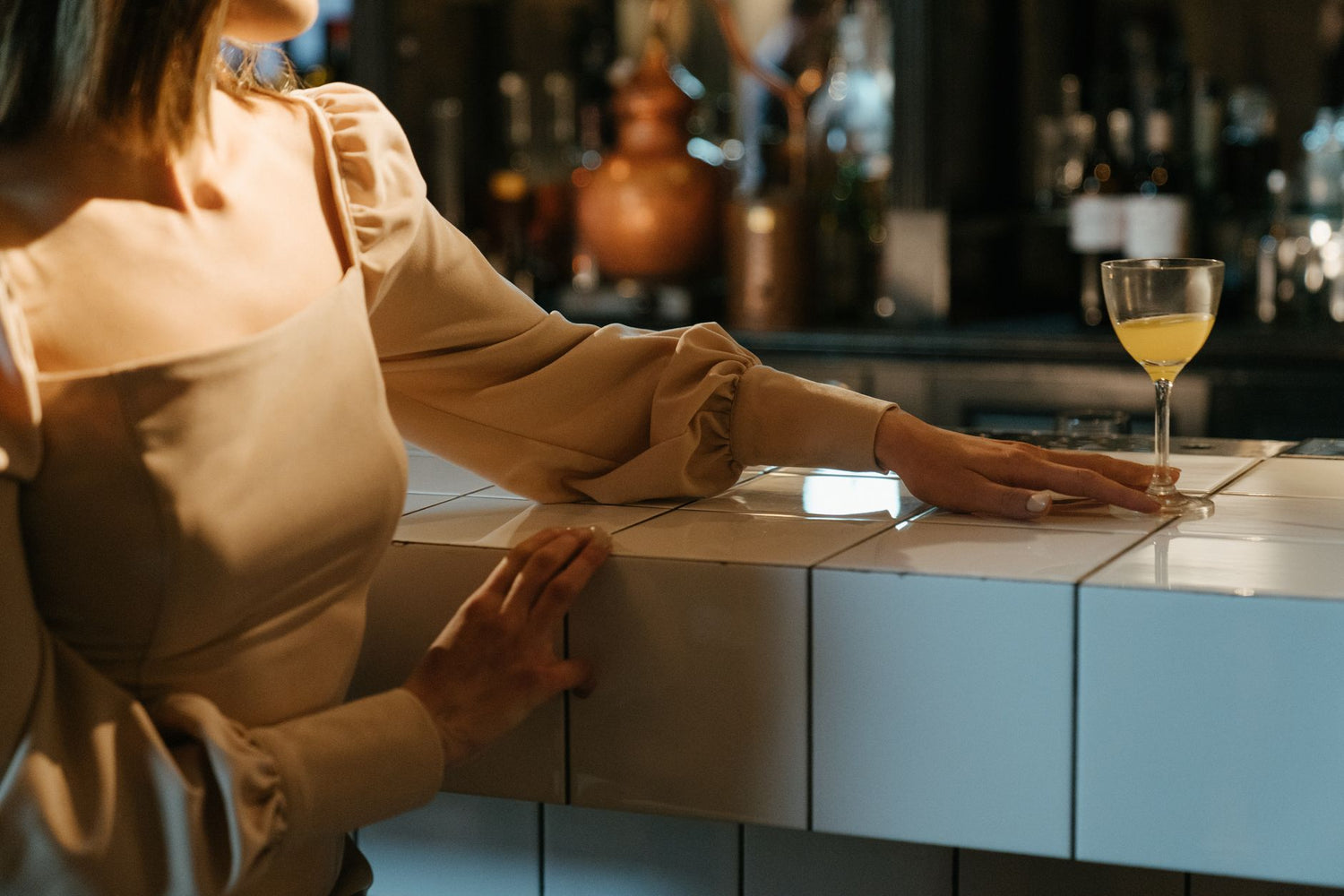
Somewhere between your last situationship and your current clarity, something shifted. Dating in your 30s isn't harder than your 20s. It's just different in ways you have to live through to understand.
The apps look the same. The butterflies feel the same. But you? You are absolutely not the same person who used to text back in under four seconds and call it "going with the flow."
You Know What You Want. That's a Feature, Not a Bug.
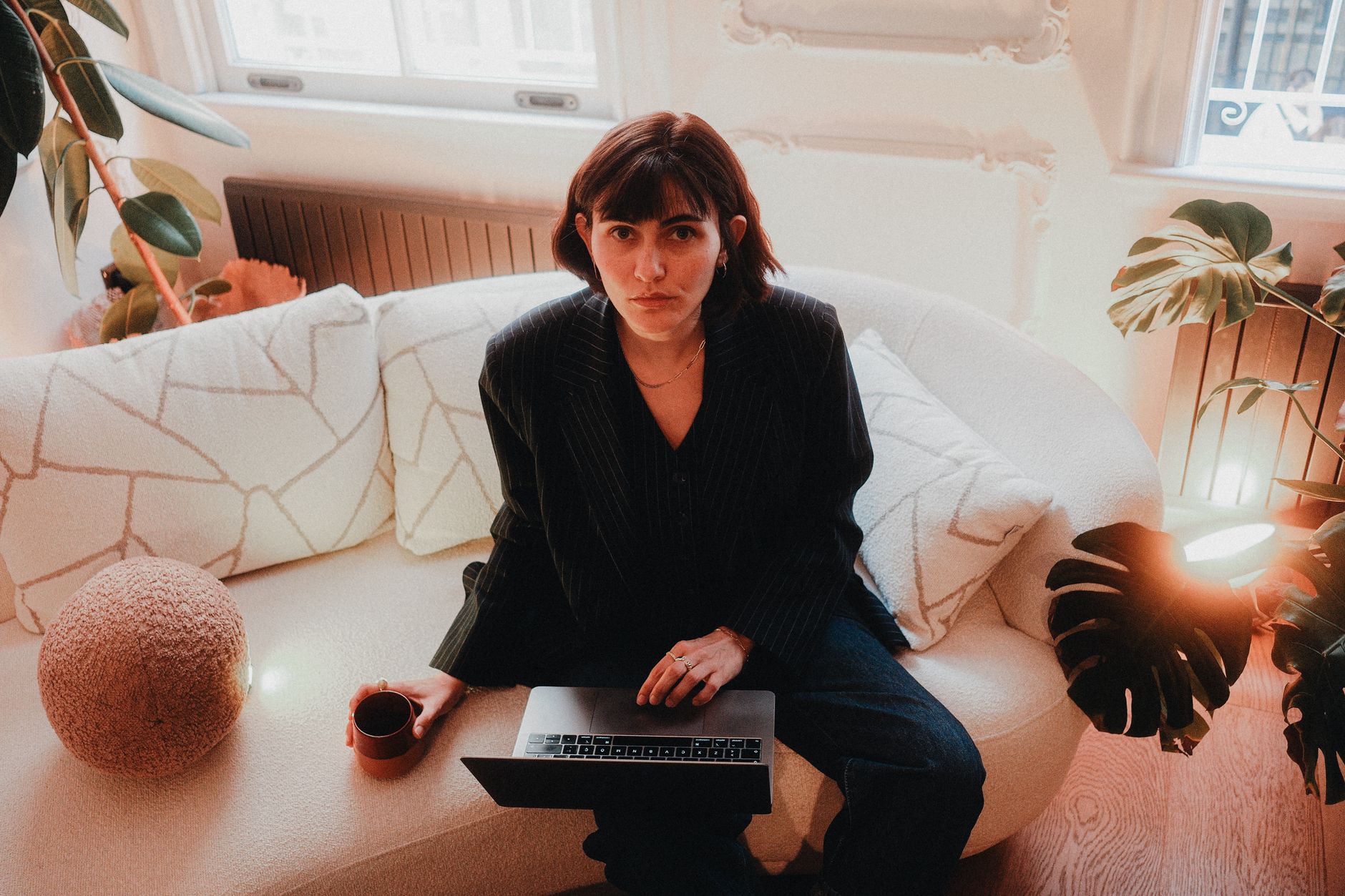
Here's the thing nobody celebrates enough. Knowing yourself is genuinely the sexiest thing that happens in your 30s. Research from the Pew Research Center shows there are roughly 19.8 million singles in their 30s and 40s in the US alone, which means the pool is still very real. What's changed is what you do with it.
You stop swiping right on potential. You stop convincing yourself that a person who never asks follow-up questions about your life will "eventually open up." Self-aware individuals are measurably more likely to set clear boundaries and express needs early in the dating process, according to research cited by Gottman & Silver (2015). That's not being picky. That's being efficient with your one wild life.
And honestly? The clarity feels good.
The Baggage Is Real. So Is the Growth.
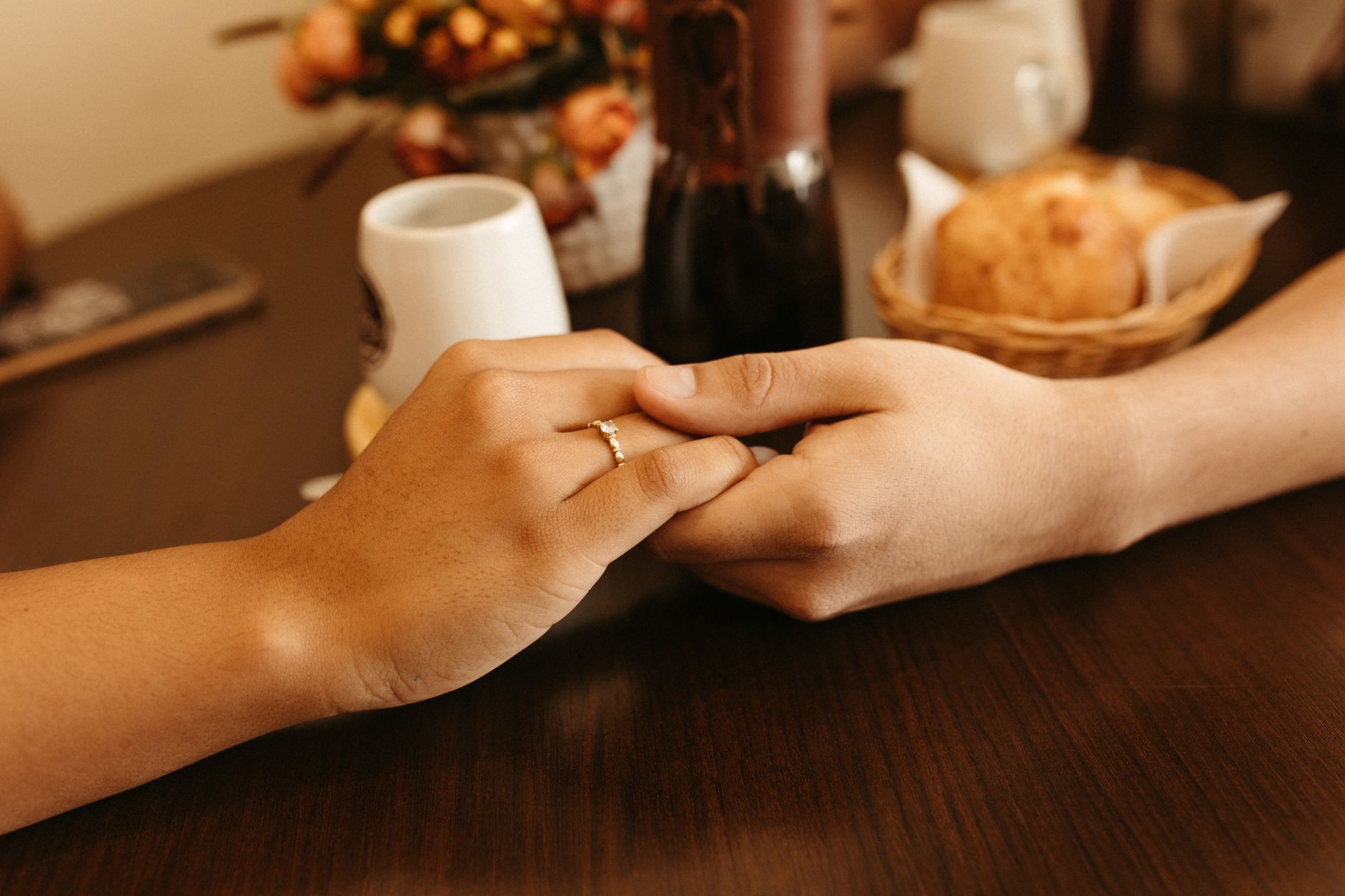
Every person you meet in their 30s comes with a story. A divorce. An ex they still accidentally follow on Instagram. A career pivot that cost them two years of sleep. A parent they lost, or a dynamic with family they're still untangling. This is not a warning. This is just the truth of being a fully formed human.
The difference between your 20s and now is that the baggage isn't something to hide anymore. You've started to name it. You've maybe even done therapy, or at least listened to enough podcasts to understand your anxiety and how it shows up in intimacy. That awareness changes everything about how you date.
You stop performing. You start actually showing up.
That said, meeting someone who's done an equal amount of inner work? That's genuinely rare. When you find it, it feels almost suspicious because it's so quiet and easy compared to what you used to call "passion."
The Timeline Pressure Is the Loudest Thing in the Room
Something nobody talks about honestly: the clock narrative is exhausting. Every third think piece, every well-meaning aunt, every algorithm-optimized article tells you that your 30s are the last chapter before some undefined door swings shut. That's simply not true, and it's worth saying out loud.
The pressure creates a specific kind of weird in dating. People rush toward "are you looking for something serious" in the first three messages. Dates start to feel like interviews. Someone can be perfectly lovely and still feel like they're checking boxes against a spreadsheet they made after a bad birthday.
The antidote is honestly just slowing down. Connections that are worth anything still need room to breathe. That hasn't changed. What you can do is be honest about what you want earlier, which actually saves everyone time and spares you months of misaligned energy.
Knowing how to genuinely make time for a partner matters far more than meeting some arbitrary deadline.
Sex in Your 30s Hits Different
This might be the most underrated upgrade of the decade. You're no longer performing for someone else's comfort. You know what you like. You're comfortable enough to actually say it. And if you're not quite there yet, you're at least aware that you deserve to get there.
Physical intimacy in your 30s becomes less about impressing and more about connecting. That shift sounds subtle, but it rewires the whole experience. Bodies feel less like props and more like, well, yours.
Exploring your own pleasure is part of this. Clitoral vibrators and other intimate toys stop feeling like a secret and start feeling like just another form of self-knowledge. Because they are. Understanding what your body responds to makes partnered sex better, communication clearer, and confidence tangible.
If you're single and dating, solo pleasure isn't a consolation prize. It's maintenance. It's information. It's yours.

Something like the Berri tapping clitoral massager is exactly the kind of tool that fits this chapter. It's thoughtful, it gives you control, and it reminds you that your pleasure is worth the same intentionality you're bringing to every first date.
The Dating Pool Feels Smaller. It Actually Isn't.
This is the fear that shows up around 2am when the app feels like a wasteland. The pool feels smaller because your standards are higher, not because the numbers dropped off a cliff. According to SSRS research published in 2024, nearly half of adults aged 30 to 49 have used a dating app or site at some point in their lives. The people are there.
What changes is that you stop tolerating ambiguity just to fill a space. That means some dates end at "nice to meet you" instead of second guessing for a week. That's not failure. That's efficiency with kindness.
And meeting people outside apps? Still works. Your social circle, a shared interest, a friend of a friend. The 30s version of a meet-cute is just a little less chaotic and a little more likely to stick.
Green Flags Hit Harder Than Red Ones Now
You used to overlook the good stuff while white-knuckling through red flags, hoping the chemistry would fix everything. Now the green flags stop you mid-sentence.
Someone who texts back in a reasonable window because they genuinely want to. A person who asks about something you mentioned three conversations ago. A date who listens. Not performs listening. Actually absorbs what you said and responds to it. These things used to feel baseline. Now you recognize them as rare and you lean in.
The vibrators for women you bought yourself, the therapy you finally committed to, the boundaries you learned to hold without apologizing. All of it feeds into this new ability to recognize someone who meets you where you are. That's not lowering the bar. It's knowing exactly where the bar lives.
Dating After Heartbreak in Your 30s
Heartbreak at 33 or 37 is not the same animal as heartbreak at 22. You've had more time with the person. You've built more shared life. You might have been close to something that looked like "the plan."
It can feel like grief for a future, not just a relationship. That's valid. And it takes longer than your 20-year-old self would have predicted. Give yourself the actual time instead of rushing to prove you're "fine" by getting back on an app within a week.
When you're ready, though, something interesting happens. You date with your full self, not a curated version built to avoid rejection. That's terrifying and also kind of beautiful.
If you've ever felt like your past has made intimacy harder to access, exploring sexual healing and its real impact on the body might be one of the more useful things you read this year.
Bottom Line
Dating in your 30s is messier than the Instagram version and better than the panic narrative suggests. You bring more to it. You ask for more from it. And sometimes the best date you go on leads to a six-month relationship that ends quietly and still counts as something real.
You are not behind. You are not running out of time. You are a person with a full life, looking for someone to add to it. That's a completely reasonable and beautiful thing to want.
Want to make your journey even more exciting? I've handpicked some amazing toys and goodies at Hello Nancy that'll add extra sparkle to your intimate moments. (Here's a little secret. Use 'dirtytalk' for 10% off!)
Frequently Asked Questions
Is dating in your 30s harder than in your 20s?
Not harder. Different. In your 30s you have clearer standards and less tolerance for ambiguity, which can make the process feel slower but actually saves you from wasting months on incompatible people. The self-awareness you bring to it is a genuine advantage.
How do you deal with timeline pressure when dating in your 30s?
Acknowledge that the pressure is largely cultural, not biological or factual. Be honest with yourself and your dates about what you're looking for, but resist the urge to rush natural connection just to hit a deadline. Meaningful relationships still need time to develop, even in your 30s.
Is the dating pool really smaller in your 30s?
Not as small as it feels. There are an estimated 19.8 million singles in their 30s and 40s in the US, and nearly half of adults in that age group have used a dating app. What feels like a shrinking pool is often just higher standards doing their job.
How do you start dating again in your 30s after a long-term relationship?
Give yourself real recovery time before re-entering the dating world. When you do start again, go slowly and resist the urge to fill the emotional gap quickly. Dating from a place of actual readiness, rather than loneliness or pressure, leads to far better connections.
What are the biggest green flags to look for when dating in your 30s?
Consistency, active listening, emotional availability, and the ability to communicate directly without games. In your 30s you're better at spotting these because you know what their absence cost you before. Someone who shows up reliably and engages genuinely is worth far more than high-voltage chemistry that burns out.
How important is sexual compatibility when dating in your 30s?
Very important, and in your 30s you're finally equipped to actually talk about it. You know your own body better, your communication is clearer, and you're less likely to sacrifice physical compatibility just to keep the peace. Bringing that honesty into early conversations saves everyone time.
Should I use dating apps in my 30s or try other ways to meet people?
Both work. Dating apps give you volume and intentionality, which matters when your social circle naturally narrows in your 30s. But in-person connections through shared interests, mutual friends, or community events still produce some of the most genuine connections. Don't rely exclusively on one channel.
How do you handle dating someone with kids in your 30s?
Go in with clear eyes and honest conversations early. Dating someone with children means there are schedules, emotional priorities, and a co-parenting dynamic that affects your relationship. It's absolutely workable if you're genuinely compatible and communicate openly, but it requires more intentionality than dating without those variables.