Adicione $12.00 para receber Oferta gratuita



You had a great time. Then you went to the bathroom and noticed a little blood. Now your brain is spiraling at 100 mph.
Take a breath. Spotting after rough sex is genuinely common, and in most cases your body is just reacting to friction the same way skin reacts to a scrape. That said, your body deserves a thoughtful answer, not a dismissive "you're fine."
Let's actually talk through it.
What "Spotting" Even Means Here

Spotting is light bleeding that shows up between periods or outside of your expected cycle. After rough sex, it usually looks like a small amount of pink or red on toilet paper, underwear, or a light smear. It's different from full period-level flow, and that distinction actually matters a lot.
When penetration is deep or vigorous, the vaginal walls and cervix experience repeated friction and pressure. The tissue inside is delicate and highly vascularized, meaning it has a lot of tiny blood vessels sitting close to the surface. A small abrasion or irritation to that lining can release a little blood without anything being seriously wrong.
This isn't a flaw in your body. It's just anatomy doing its thing.
The Most Common Reasons It Happens

Friction is the most obvious culprit. Without enough natural lubrication or added lube, the vaginal walls can experience micro-tears during intense sex. These are genuinely tiny and heal quickly, but they bleed a little in the moment.
Cervical contact is another big one. During deep penetration, a toy or partner can bump the cervix directly. The cervix has a dense network of blood vessels and very sensitive tissue, so even light contact during certain points of your cycle can cause spotting.
Then there's something called cervical ectropion. It's a condition where the delicate glandular cells that normally line the inside of the cervical canal migrate to the outer surface of the cervix. Those cells are fragile and blood-vessel-rich, meaning they bleed more easily after any kind of contact, including vigorous sex, a pelvic exam, or even a tampon. Many people who experience cervical ectropion don't even know they have it until a moment like this.
Hormonal fluctuations play a role too. Right around ovulation, the cervix becomes softer and more sensitive. If you had rough sex mid-cycle, that timing might explain why spotting showed up this time but not last month.
Is It Normal? Here's the Honest Answer
Occasional, light spotting directly after rough sex is considered normal by most gynecologists, and it typically resolves within a few hours.
The word "occasional" is doing real work in that sentence. If spotting happens every single time you have sex regardless of intensity, that's worth investigating. If it's heavy bleeding, comes with significant pain, or persists for more than 24 hours, those are signals to stop guessing and get checked out. Your body is incredibly good at flagging when something needs attention, and heavier or recurring bleeding after sex can sometimes indicate infections, polyps, hormonal imbalances, or in rarer cases, cervical changes that a gynecologist needs to see. None of those scenarios are reasons to panic, but they're absolutely reasons to book an appointment.
One good session of rough sex causing a little spotting? Usually nothing. A pattern? Time to talk to someone.
What Actually Helps (Before and After)
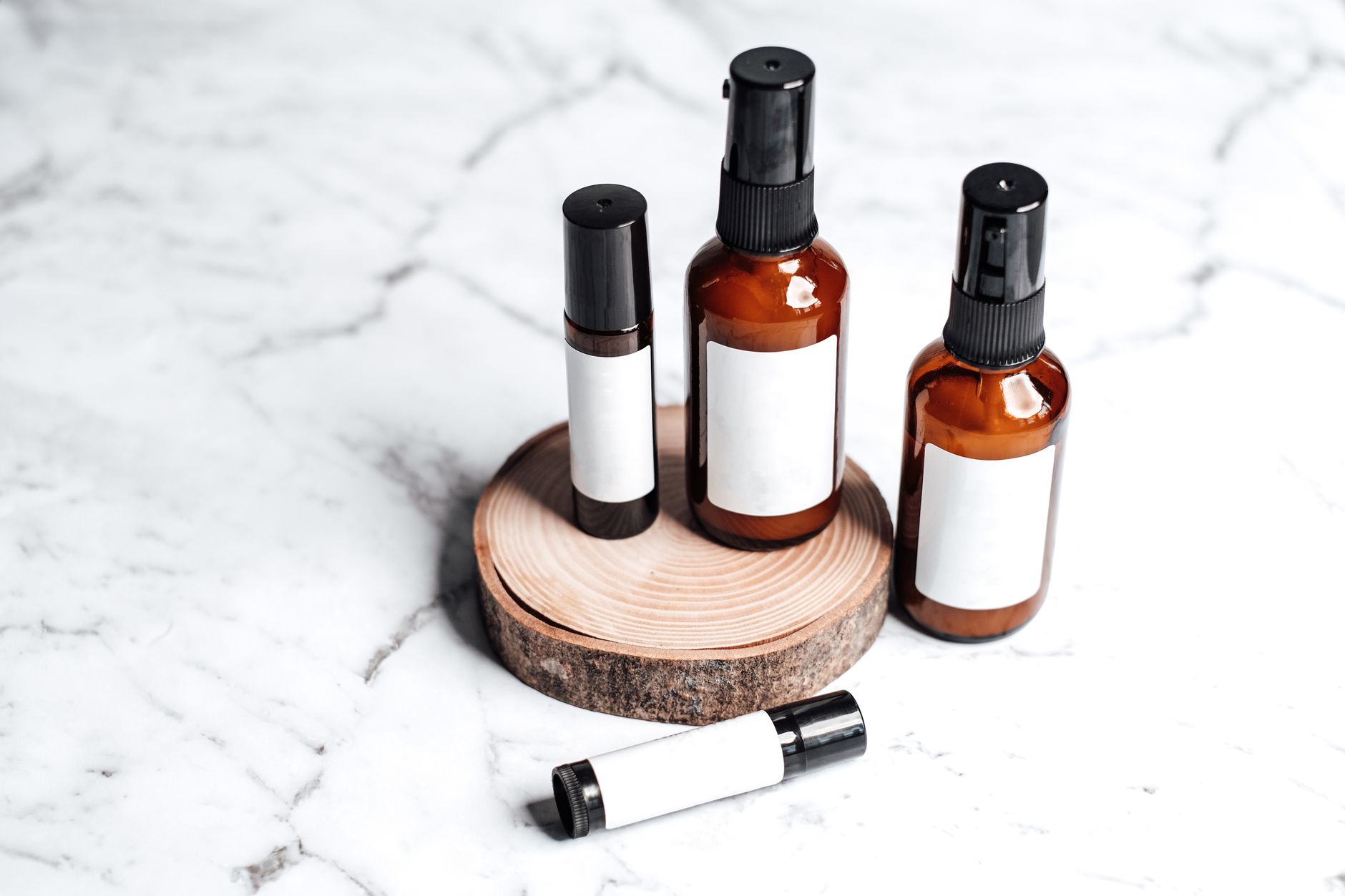
Lubrication is genuinely the simplest preventive tool you have. Using a quality lubricant reduces friction dramatically, which means less micro-trauma to vaginal tissue. This matters especially if you're postpartum, perimenopausal, on hormonal birth control, or just naturally run dry. All of those situations affect natural lubrication levels without any fault of your own.
Communication with your partner is the other half of the equation. Roughness is completely valid if that's what you enjoy. The goal isn't to sanitize your sex life. It's to build in check-ins so both of you know when something feels uncomfortable versus when it feels good. That difference protects everyone.
After you notice spotting, skip penetration for 24-48 hours. Give the tissue time to settle. If it's minor irritation, it'll calm down on its own.
And if something genuinely felt painful during sex rather than intense-but-good, pay attention to that signal. Reconnecting with your partner after a physically or emotionally intense experience sometimes means slowing down and checking in with what your body actually wants next.
When to See a Doctor (No Drama, Just Facts)
You should contact a healthcare provider if the bleeding is heavier than a light spot, if it comes with cramping or pelvic pain, if it happens consistently after sex, or if it's accompanied by an unusual discharge or odor. A single spotting episode with no other symptoms? Watch and wait is reasonable. But recurring post-sex bleeding is always worth at least a quick call to your OB-GYN or a sexual health clinic.
Still wondering about other causes of between-period bleeding? Medical literature consistently notes that post-coital bleeding (bleeding after sex) can be caused by vaginal dryness, cervical ectropion, hormonal changes, infections, polyps, pregnancy-related issues, or rarely, cervical or uterine cancer. The vast majority of cases are benign, but ruling out the others requires a professional.
You deserve a gynecologist who doesn't make you feel embarrassed for the question. If yours does, find a new one.
Your Pleasure and Your Safety Both Matter
Here's something worth saying directly: enjoying intense sex is not something you should have to justify or feel guilty about. The goal is for every experience to feel good on your terms, and understanding your body is part of that.
Clitoral vibrators are a beautiful alternative or addition during sessions where you want less internal friction but still want incredible sensation. If you're recovering from irritation or just want to explore something gentler, vibrators for women that focus on external stimulation can keep things deliciously satisfying while giving your body time to heal.
If you're exploring with a partner and want to diversify the experience, couples toys open up a whole world of sensation that doesn't require deep penetration to feel deeply good. The Pixie remote-controlled panty vibrator is a personal favorite for exactly that kind of play. It's wearable, hands-free, and built for shared fun without putting pressure on sensitive tissue.
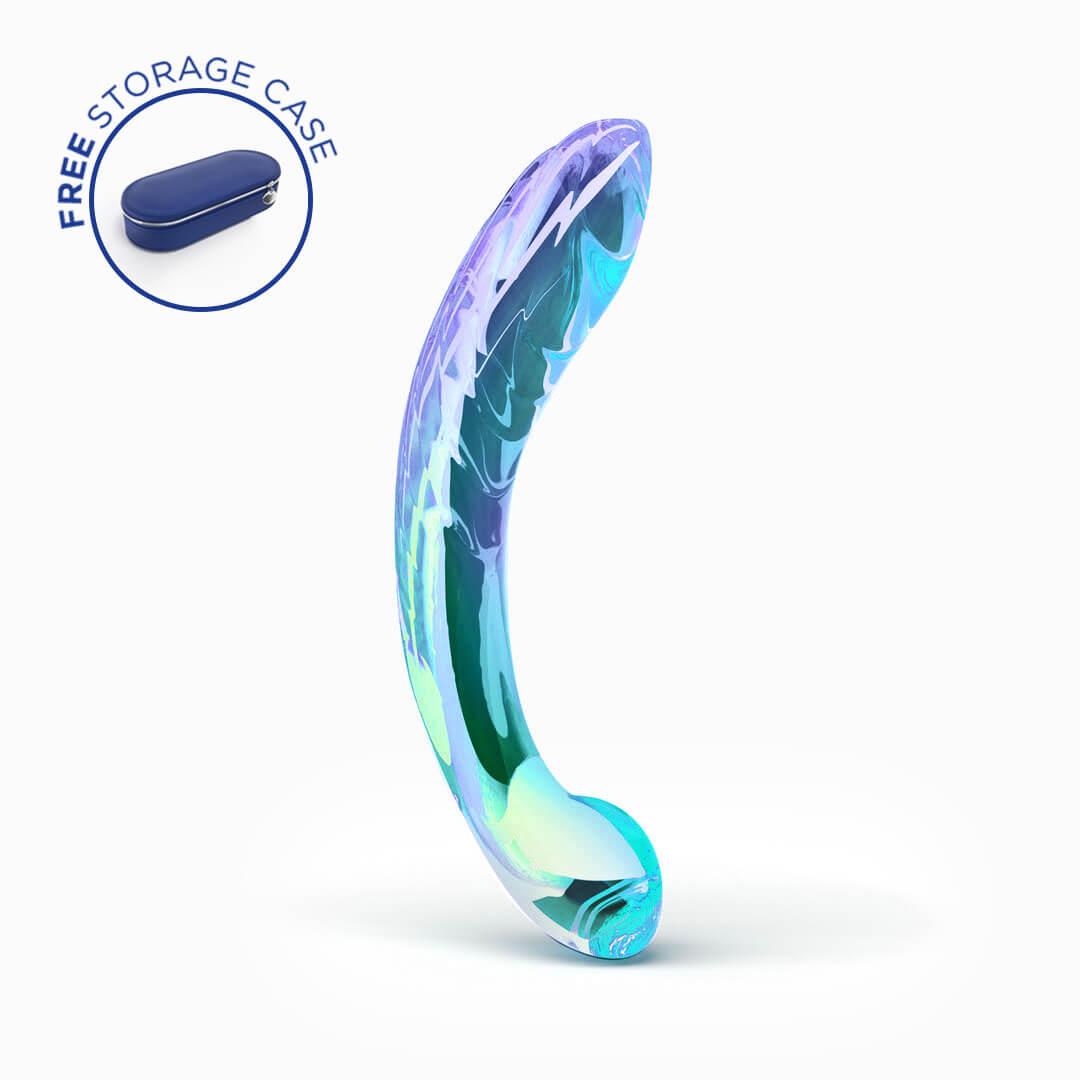
For anyone who loves internal stimulation but wants something smooth and body-safe on healing days, the Kalii glass G-spot dildo is worth knowing about. Glass warms to body temperature, creates no additional friction, and is compatible with any lubricant.
Want to make your journey even more exciting? I've handpicked some amazing toys and goodies at Hello Nancy that'll add extra sparkle to your intimate moments. (Here's a little secret — use 'dirtytalk' for 10% off!)
Frequently Asked Questions
Is spotting after rough sex always a sign something is wrong?
Not always. Light spotting immediately after vigorous sex is often caused by minor friction, micro-tears in vaginal tissue, or cervical contact. It usually resolves within a few hours. If it's heavy, painful, or happens repeatedly, that warrants a conversation with your doctor.
How long does spotting after rough sex typically last?
Minor spotting caused by friction or cervical contact typically stops within a few hours. If you're still seeing blood after 24 hours, or if the amount is increasing, it's worth getting checked out rather than continuing to wait.
Can deep penetration cause bleeding even without injury?
Yes. The cervix is a highly sensitive structure with many blood vessels near its surface. Contact during deep penetration, especially around ovulation when the cervix is softer, can cause light bleeding without any actual injury occurring. It can feel alarming but is often benign.
Does using lube prevent spotting after sex?
Using a good lubricant significantly reduces friction-related micro-tears, which is one of the main causes of post-sex spotting. It won't prevent spotting caused by cervical contact or conditions like cervical ectropion, but it eliminates one of the most common and preventable triggers.
What is cervical ectropion and can it cause spotting after sex?
Cervical ectropion is a common, usually harmless condition where delicate glandular cells from inside the cervical canal spread to the outer surface of the cervix. Because these cells are fragile and blood-vessel-rich, they bleed easily on contact, including during sex. Many people don't know they have it until they notice spotting.
Should I go to the emergency room if I spot after rough sex?
Light spotting alone is not an emergency room situation. However, if the bleeding is heavy (soaking more than a pad in an hour), is accompanied by severe pain, dizziness, or fever, those are signs to seek immediate care. Light spotting that stops on its own just needs a follow-up with your regular provider.
Can spotting after sex be a sign of an STI?
Certain sexually transmitted infections, particularly chlamydia and gonorrhea, can cause cervical inflammation that leads to bleeding after sex. If you're also noticing unusual discharge, burning, or pelvic discomfort, an STI test is a smart and responsible next step, not something to feel embarrassed about.
Is spotting after rough sex more common at certain points in the menstrual cycle?
Yes. Around ovulation, estrogen causes the cervix to become softer and more sensitive, making it more susceptible to contact bleeding. In the days before a period, low estrogen similarly makes vaginal tissue more fragile. Rough sex during either of these windows is more likely to result in light spotting than the same activity mid-cycle.