¥1,956 追加で 無料プレゼント をゲット


Your body has been trying to tell you something. You just haven't had the right words for it yet.
Anxiety disorders are the most common mental health condition on the planet, and yet so many of us spend years thinking we're just "overthinking" or "being dramatic." The racing heart before a meeting that shouldn't feel like a big deal. The lying awake at 2 a.m. running through every possible worst-case scenario. The knot in your stomach that never fully untangles. That's not a personality flaw. That's your nervous system misfiring, and it deserves proper attention.
Let's actually talk about what's happening.
What Are Anxiety Disorders, Really?
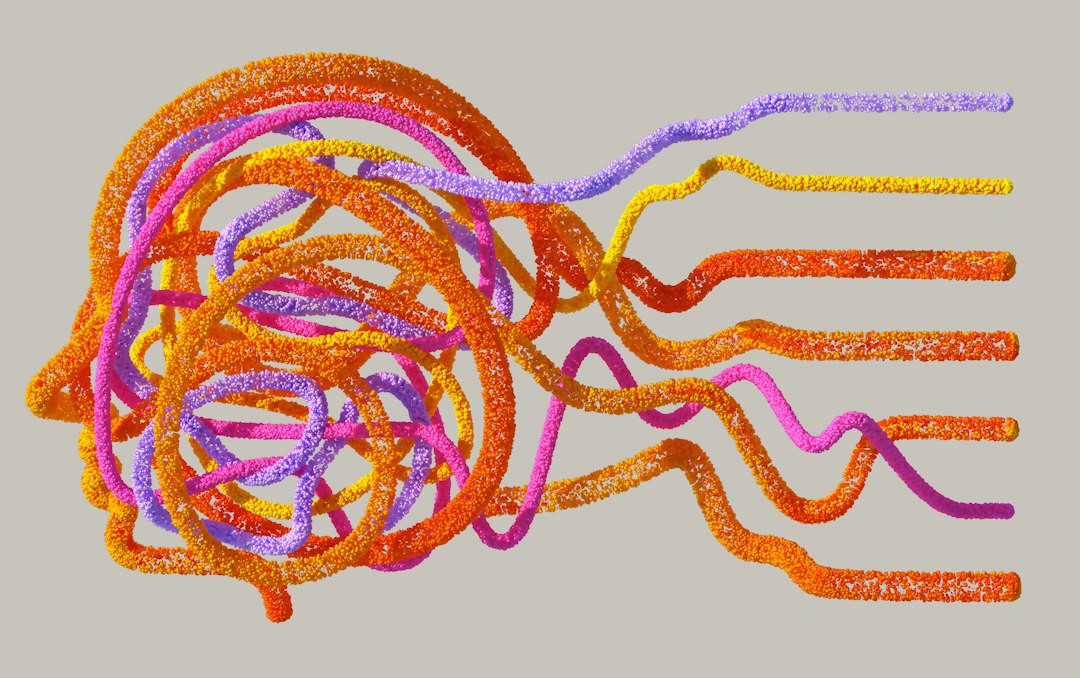
Anxiety as a feeling is completely normal. Fear before danger is your body doing its job. But an anxiety disorder is something different. It's when that alarm system gets stuck in the "on" position, triggering fear and dread in situations that don't actually warrant it.
There isn't just one kind.
Generalized Anxiety Disorder (GAD) is the kind that shows up everywhere and about everything. Work, relationships, health, money, that email you sent three weeks ago. Social Anxiety Disorder centers specifically on a fear of judgment in social situations. It's deeper than shyness. Panic Disorder involves repeated, intense panic attacks that can feel indistinguishable from a heart attack. Post-Traumatic Stress Disorder (PTSD) anchors anxiety to a specific traumatic event that the nervous system keeps replaying. And then there are specific phobias, Obsessive-Compulsive Disorder (OCD), and Separation Anxiety Disorder, all operating under the same umbrella of a hijacked threat response.
About 4% of the global population lives with an anxiety disorder at any given time, and in the U.S. alone, surveys from 2023 found that nearly 32% of women and 25% of men showed symptoms of anxiety disorder (CDC, 2023). That is not a niche problem. That is most of the people sitting in your waiting room.
Recognizing the Symptoms: More Than Just "Feeling Worried"
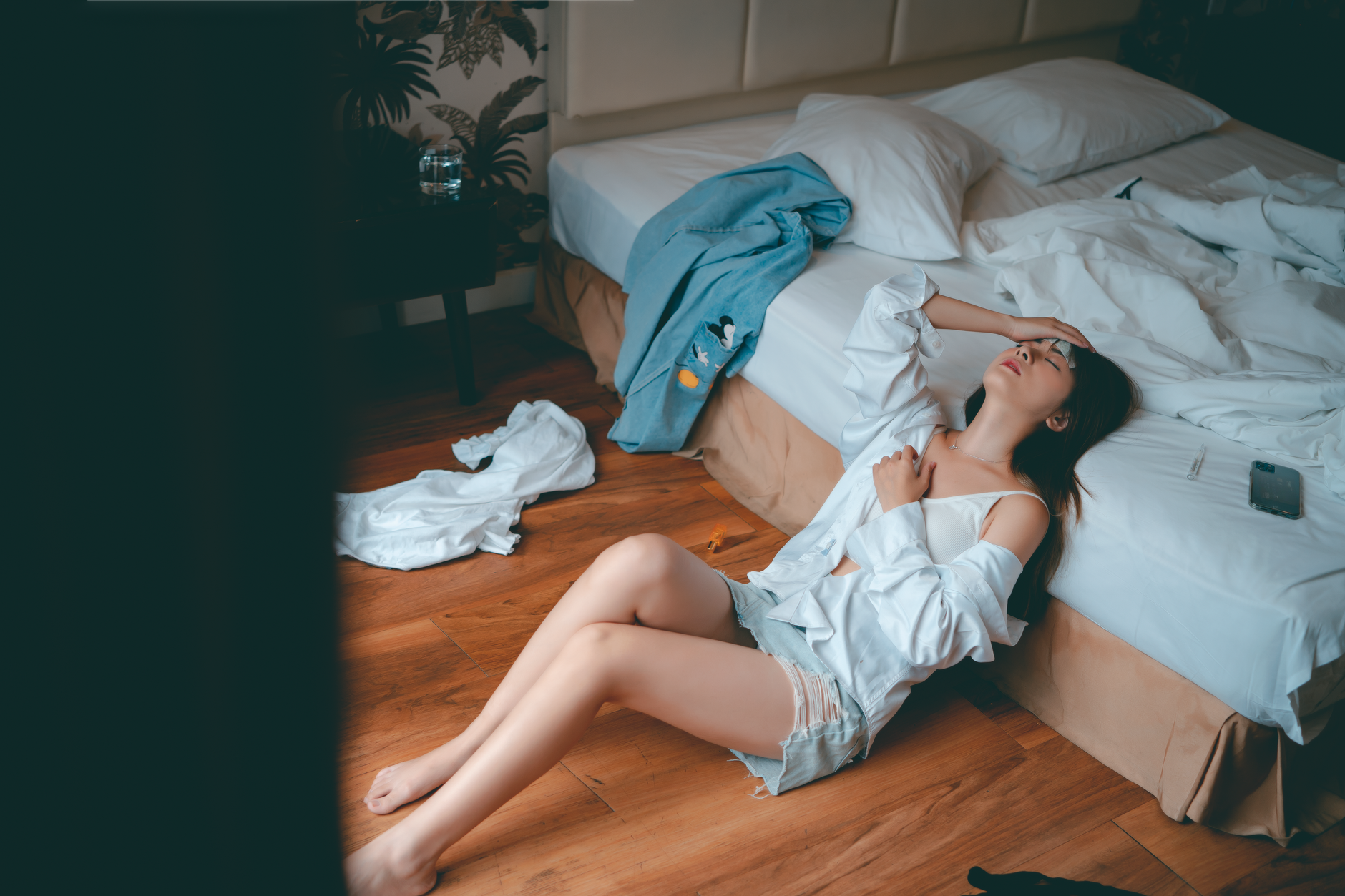
Here's the thing most people get wrong about anxiety. They think it's purely emotional. It isn't.
Your body is deeply involved. When anxiety fires up, the amygdala (your brain's alarm center) sends a distress signal, flooding your system with cortisol and adrenaline. Your heart rate spikes. Your breathing becomes shallow. Your muscles tense. Your digestion slows. Your brain narrows its focus to the perceived threat, making rational thought genuinely harder, not just metaphorically.
Mentally, anxiety often looks like relentless worry that feels impossible to control, difficulty concentrating, irritability, and a constant sense of dread without a clear cause. Sleep gets disrupted because a brain on high alert doesn't just switch off at bedtime.
Physically, the signals include chest tightness, headaches, nausea, frequent trips to the bathroom, dizziness, and muscle aches that your doctor can't pin on anything structural. Many people with anxiety spend years visiting specialists for physical symptoms before anyone connects the dots to mental health.
The tricky part? Symptoms vary wildly by person and by disorder type. Someone with social anxiety might look perfectly calm in a one-on-one conversation but fall apart before giving a presentation. Someone with GAD might function at a high level professionally while lying awake every night with a catastrophizing mind.
Why Anxiety Disorders Develop

It's never just one thing.
Genetics play a real role. If anxiety disorders run in your family, you have a higher baseline risk. But genetics aren't destiny. Brain chemistry matters too, particularly how your brain regulates neurotransmitters like serotonin, dopamine, and GABA. These chemicals manage mood, stress response, and that internal sense of calm that some people just seem to carry more easily than others.
Environment layers on top of biology. Childhood experiences with stress, instability, trauma, or chronic uncertainty can wire the nervous system toward hypervigilance. It's an adaptation that made sense in a difficult environment. It just doesn't switch off when the environment changes. Major life stressors, grief, chronic illness, and even hormonal shifts can also trigger or worsen anxiety disorders in people who already have a genetic predisposition.
Treatment That Actually Works

Good news: anxiety disorders are among the most treatable mental health conditions that exist.
Cognitive Behavioral Therapy (CBT) is the gold standard. Research published in the journal Dialogues in Clinical Neuroscience confirmed that CBT demonstrates efficacy in randomized controlled trials and effectiveness in real-world settings across multiple anxiety disorder types (Otte, 2011). The core idea is straightforward. CBT helps you identify the thought patterns that feed anxiety, challenge them, and practice new responses. It's not about positive thinking. It's about interrupting cognitive distortions with reality testing.
Exposure therapy, often used alongside CBT, gradually introduces you to feared situations in a controlled, supported way. It sounds counterintuitive to deliberately face what terrifies you. But avoidance is what keeps anxiety alive. Every time we avoid something anxiety has flagged as dangerous, we reinforce the fear response. Exposure breaks that loop.
Medication is a valid, evidence-based option too. SSRIs (selective serotonin reuptake inhibitors) and SNRIs are most commonly prescribed for anxiety disorders and work best when combined with therapy. Short-term use of benzodiazepines may be prescribed for acute symptoms, but long-term use isn't recommended because of dependency risks and the fact that they don't address root patterns.
Mindfulness-based approaches, like Mindfulness-Based Stress Reduction (MBSR), have solid research behind them too, particularly for GAD. They don't eliminate anxiety, but they fundamentally change your relationship with it, teaching you to observe anxious thoughts without immediately treating them as fact.
What You Can Do Right Now

Therapy and medication are the main event, but daily habits genuinely move the needle.
Sleep is not optional. Sleep deprivation and anxiety have a bidirectional relationship. Poor sleep worsens anxiety, and anxiety disrupts sleep. Prioritizing consistent sleep hygiene isn't a soft suggestion. Physical movement, even a 20-minute walk, reduces circulating stress hormones and boosts endorphins in ways that have measurable effects on anxiety levels. Breathwork and grounding exercises, like the 4-7-8 breathing technique or the "5-4-3-2-1" sensory grounding practice, give your nervous system an emergency off-ramp when it's spiraling.
Limit caffeine. That's genuinely uncomfortable advice to give, but caffeine is a stimulant that mimics anxiety symptoms and can trigger or worsen panic attacks, especially in people with existing anxiety disorders.
Connection matters more than most people realize. Isolation amplifies anxious thinking, while meaningful social contact (even digital, even brief) can interrupt a spiral. This is also worth mentioning for couples: anxiety can strain intimacy in real ways. If you're navigating how to reconnect emotionally and physically after a difficult period, treating the underlying anxiety is often the first step that makes everything else easier.
Anxiety and Intimacy: The Connection Nobody Mentions
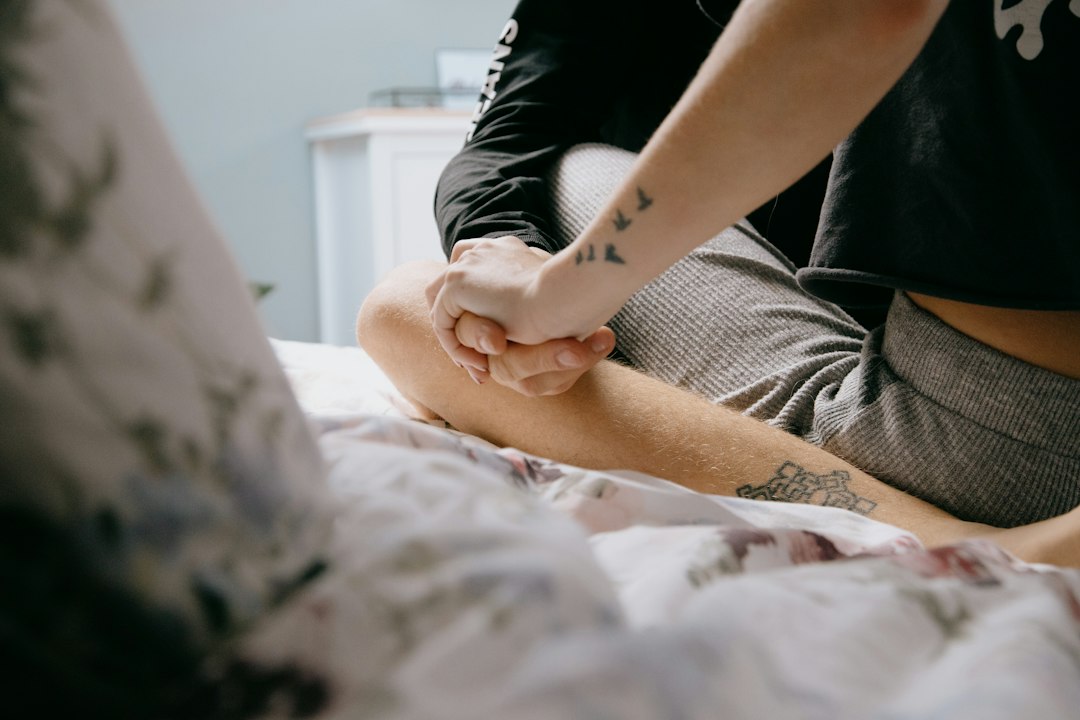
Anxiety affects your sex life. Full stop.
High anxiety activates the sympathetic nervous system, the "fight-or-flight" system, which is essentially the opposite of the parasympathetic state your body needs to feel arousal, presence, and pleasure. People with anxiety disorders frequently report lower libido, difficulty staying present during intimacy, and performance anxiety that creates a painful feedback loop. It's not a character flaw and it's not a relationship problem on its own. It's physiology.
This is one reason self-care routines that reduce overall nervous system load genuinely help in the bedroom too. Vibrators for women and other forms of solo pleasure can actually serve as effective decompression tools, helping a hyperactivated nervous system learn to shift into a more relaxed, embodied state. Pleasure and relaxation use the same neural pathways. Building more of one can help build more of the other.
For couples navigating anxiety together, using couples toys as a low-pressure way to stay connected physically can help reduce the performance pressure that anxiety tends to amplify. Play is a natural antidote to hypervigilance.
When to Seek Professional Help
If anxiety is interfering with your work, relationships, sleep, or ability to do things you used to enjoy, it's time to talk to someone. That's not a dramatic threshold. That's a practical one.
Start with your primary care physician if you're not sure where to begin. They can rule out physical causes (thyroid issues, for example, can mimic anxiety symptoms) and provide referrals. Many therapists now offer telehealth options, which removes the barrier of getting yourself into a physical office when anxiety already makes leaving the house feel hard.
Anxiety disorders are chronic but manageable. Many people with severe anxiety go on to lead full, low-anxiety lives after effective treatment. That's not a promise of easy. It's a promise that it's worth trying.
A Note on Mental Health as a Whole Practice
Managing anxiety long-term is less about one dramatic fix and more about an accumulation of small, consistent choices. Therapy, movement, sleep, connection, reducing stimulants, building a relationship with your own nervous system. If you want a deeper dive into sustainable wellness habits, the mental health guide for better wellness that actually sticks is worth bookmarking.
You're not broken. Your nervous system just learned some unhelpful patterns. And patterns, with the right support, can change.
Want to make your journey even more exciting? I've handpicked some amazing toys and goodies at Hello Nancy that'll add extra sparkle to your intimate moments. (Here's a little secret — use 'dirtytalk' for 10% off!)
If you're exploring how clitoral vibrators can support relaxation and body reconnection, the Berri Edging Clitoral Massager is one worth looking at. Its gentle tapping sensation is particularly good for people who are learning to stay present in their bodies.

Frequently Asked Questions
What is the difference between normal anxiety and an anxiety disorder?
Normal anxiety is a temporary, proportionate response to a genuine stressor that resolves once the stressor passes. An anxiety disorder is when that fear or worry is persistent, disproportionate to the actual situation, and significant enough to interfere with daily functioning, relationships, or quality of life.
What are the most common physical symptoms of anxiety disorders?
Common physical symptoms include rapid heartbeat, chest tightness, shortness of breath, dizziness, nausea, excessive sweating, muscle tension, headaches, and gastrointestinal issues. Many people are surprised to learn their chronic stomach problems or frequent headaches are rooted in anxiety.
Can anxiety disorders be cured, or just managed?
"Cured" is a tricky word. Many people with anxiety disorders achieve full remission through treatment, meaning symptoms are no longer present or no longer disruptive. Others manage anxiety as an ongoing condition with the right tools and support. Either outcome is a valid and achievable goal.
How long does CBT therapy take to work for anxiety?
Most people begin to notice improvement within 8 to 16 weekly sessions of CBT. Some disorders, like specific phobias, respond faster. GAD and PTSD may take longer. Progress isn't always linear, but CBT has some of the strongest evidence for lasting results compared to other anxiety treatments.
What type of anxiety disorder is the most common?
Generalized Anxiety Disorder (GAD) and Social Anxiety Disorder are among the most prevalent worldwide. GAD is particularly common because its worry tends to be broad and pervasive, touching nearly every area of daily life rather than being tied to one specific trigger.
Can anxiety disorders cause physical illness over time?
Yes. Chronic, untreated anxiety keeps the body in a prolonged stress response, which over time can contribute to cardiovascular issues, weakened immune function, digestive disorders, and sleep-deprivation-related health problems. Treating anxiety is as much a physical health decision as a mental one.
Is medication necessary to treat an anxiety disorder?
Not always. Many people achieve significant improvement through therapy alone, particularly CBT. Medication is most helpful when symptoms are severe enough to prevent engaging effectively in therapy, or as a longer-term support tool. The decision should always be made collaboratively with a qualified healthcare provider.
How does anxiety disorder affect relationships and intimacy?
Anxiety disorders frequently reduce libido, create emotional withdrawal, and generate conflict through irritability or avoidance behaviors. The physiological activation of anxiety directly suppresses the nervous system states needed for connection and arousal. Addressing anxiety often leads to meaningful improvement in relationship quality and intimacy.
What are the best self-help strategies for managing anxiety symptoms at home?
Consistent sleep routines, regular physical activity, limiting caffeine, breathwork techniques like 4-7-8 breathing, mindfulness practice, and maintaining social connection are all evidence-supported strategies. These don't replace professional treatment for clinical anxiety, but they meaningfully reduce the overall anxiety load and support any formal treatment you're doing.