Dodajte $12.00 za ostvarivanje Besplatan poklon


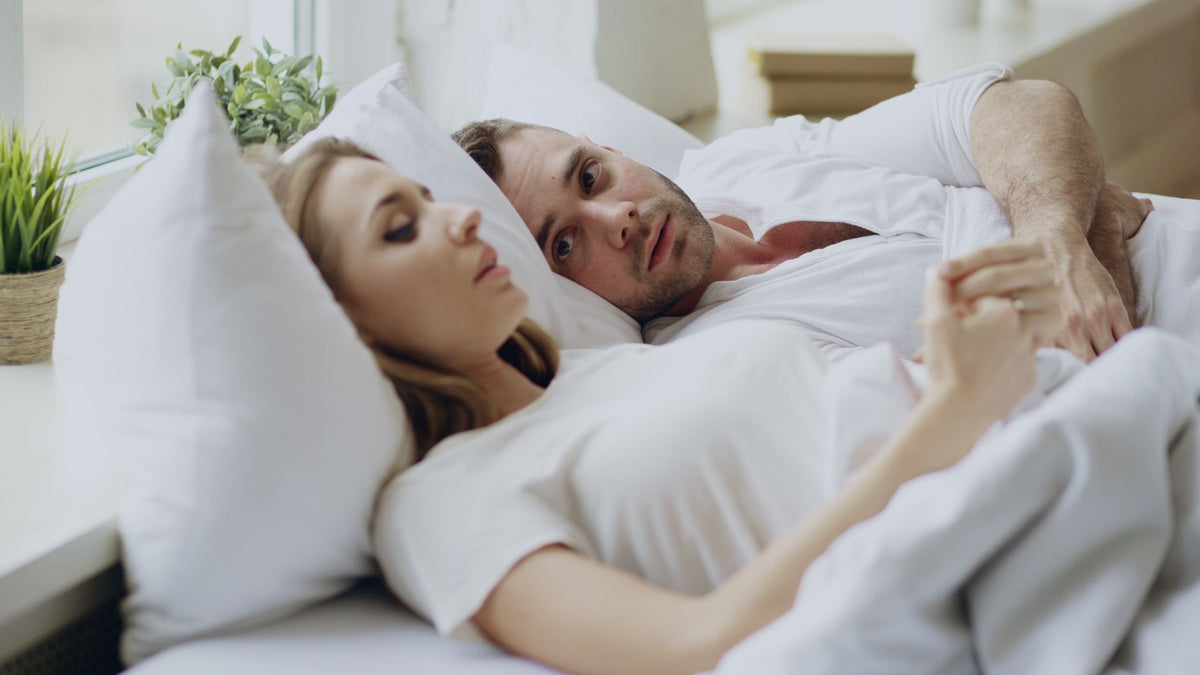
You didn't do anything wrong. One day it was just... gone.
That quiet panic of realizing you've lost all sex drive, and not knowing whether it's your body, your relationship, your mind, or some cruel combination of all three, is more common than anyone talks about openly. Research published in findings cited by News Medical found that 34% of women and 15% of men reported losing interest in sex for three months or more. That's not a niche problem. That's a lot of people sitting in confused silence.
So let's actually talk about it.
What "Low Libido" Actually Means (And What It Doesn't)

Libido is your body's internal signal for sexual desire. It's not about performance, frequency, or what you're "supposed" to want. It's simply the draw you feel toward intimacy, whether that's solo or shared.
Here's the thing most people miss: low libido isn't a character flaw. It's a symptom. Something upstream in your body or life is sending the wrong signal, and your desire is the first thing to quietly switch off.
Losing your sex drive doesn't mean you're broken, cold, or falling out of love. It means your nervous system is busy solving a different problem right now.
The Hormonal Culprits Nobody Mentions at the Doctor
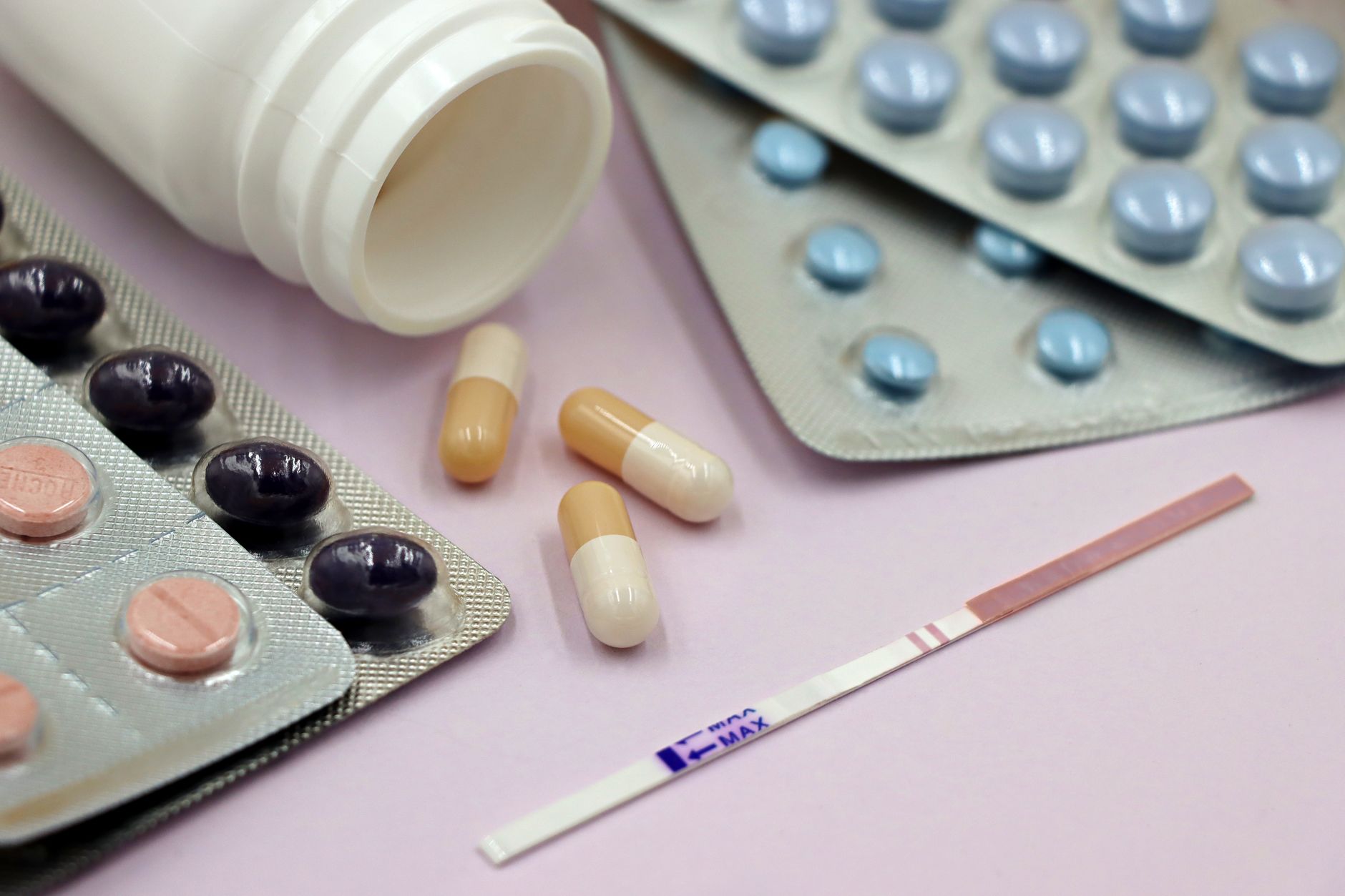
Hormones are essentially your libido's control panel. When they're in balance, desire flows naturally. When they're off, it's like someone quietly unplugged the router.
Testosterone gets all the press as a "male" hormone, but everyone has it, and everyone needs it for a healthy sex drive. Even small drops in testosterone can flatten desire quickly. For people with ovaries, estrogen and progesterone shifts during the menstrual cycle, perimenopause, or postpartum period can send libido into a full nosedive. These aren't minor fluctuations. They're profound biological resets that your doctor may gloss over in a ten-minute appointment.
Thyroid dysfunction is another major player that gets missed far too often. An underactive thyroid slows almost every system in your body, including your interest in sex as a woman, your energy, your mood. If you've had your hormones "checked" but no one tested your thyroid panel, ask again.
Prolactin is worth mentioning too. Elevated prolactin, which can happen postpartum or as a side effect of certain medications, actively suppresses sexual desire. It's your body's biological way of saying "not right now."
Stress, Anxiety, and the Brain's Libido Kill Switch

Your brain is your most powerful sex organ. That's not a metaphor. That's neuroscience.
When you're under chronic stress, your body floods itself with cortisol, the hormone designed to help you survive short-term threats. The problem is that cortisol directly suppresses sex hormones. Your nervous system makes a triage decision: threat response first, pleasure second. And if the stress never fully resolves, the pleasure circuit just... stays offline.
Anxiety operates on a similar mechanism. When your mind is running threat assessments 24/7, it has zero bandwidth for desire. This is why so many people with anxiety disorders or burnout describe their libido as simply "vanishing." It didn't vanish. It was reassigned.
Depression deserves its own mention here, because it's layered. Depression itself kills motivation and pleasure-seeking across the board, not just sexually. And then the medications used to treat it can compound the problem. It's a genuinely unfair catch-22, and it's worth having an honest conversation with your prescriber about it.
The Medication Effect: When the Cure Mutes the Desire
This one deserves a whole conversation on its own.
SSRIs and SNRIs (the most commonly prescribed antidepressants) are well-documented libido suppressors. They work by increasing serotonin, which is genuinely helpful for mood, but serotonin and sexual desire are in a kind of metabolic competition. More serotonin often means less dopamine-driven desire. According to Cleveland Clinic, antidepressants, antipsychotic medications, and blood pressure drugs are all established causes of reduced sex drive. If you started a new medication and noticed your desire dropping around the same time, trust that observation. It's real and it's documented.
Blood pressure medications, particularly beta-blockers, can also significantly dampen clitoral sensitivity and arousal. Hormonal contraception is another common and underacknowledged factor. Certain pills lower free testosterone levels, and for some people, that change is dramatic.
Never stop any medication on your own. But do talk to your doctor, because there are often alternatives or dosage adjustments that can preserve both your mental health and your desire.
Relationship Dynamics and Emotional Safety

Sometimes the cause isn't inside your body at all.
Emotional safety is a prerequisite for desire, particularly for people who experience more context-dependent arousal. If there's unresolved conflict, a lack of intimacy outside of sexual moments, or a growing sense of disconnection from your partner, desire pulls back accordingly. This isn't withholding. It's your nervous system protecting you.
Attachment styles play a role here too. Someone with an anxious attachment style might experience desire surges early in a relationship and then feel it plateau as the relationship becomes more secure but less "activated." Someone avoidant might disconnect during emotionally intense periods. These patterns aren't destiny, but they are worth recognizing.
If you want to explore more about how to reconnect with a partner when desire feels distant, that's a genuinely helpful place to start the conversation.
Lifestyle Factors That Quietly Drain Your Desire
Sleep deprivation is one of the most underrated libido killers out there.
Studies have linked poor sleep directly to lower testosterone levels in all genders. One night of bad sleep won't wreck your desire, but chronic sleep debt accumulates fast. Add poor nutrition, sedentary habits, and alcohol use on top of that, and your body is essentially running on fumes with nothing left to invest in desire.
Alcohol is a particularly interesting one, because it lowers inhibitions in the short term while actually suppressing sexual response physiologically. Regular heavy drinking disrupts hormone production over time and dulls sensitivity. It gives the illusion of desire while quietly stealing the real thing.
Exercise, done in the right amounts, genuinely supports libido. It improves circulation, boosts testosterone, and reduces cortisol. But overtraining, specifically the kind that pushes your body into a chronic stress state, can flip the effect and tank your drive instead.
When to Actually Talk to a Doctor
If your low libido has lasted more than a few weeks and doesn't have an obvious trigger like a new medication or a stressful life event, it's worth getting bloodwork done. Ask specifically for a full hormone panel including testosterone (free and total), estrogen, thyroid function (TSH, T3, T4), and prolactin. Many standard "checkups" won't include these unless you ask.
A sex-positive therapist or a healthcare provider who specializes in sexual health can be genuinely transformative here. This isn't a "just relax" situation. Your desire matters, and it deserves a real investigation.
Reconnecting With Yourself First
Sometimes rediscovering desire means starting solo.
Self-exploration without pressure, without a goal, can help you identify what still creates even a flicker of sensation when other things feel flat. Couples toys can gently re-open that door when you're ready to explore with a partner again, but there's real value in going slowly and meeting yourself where you actually are right now. Desire tends to follow safety, and safety starts with you.
If you're curious about what gentle stimulation can feel like without pressure, the Lem Clitoral Massager is a beautiful starting point. It's designed with softness in mind, not performance.

Remember: rebuilding desire after losing it is not a race. Some people find their drive returns naturally once a stressor resolves. Others need medical support, therapeutic work, or simply permission to slow down and stop performing desire they don't feel yet.
You are not behind. You are not broken. You are figuring something out, and that counts.
Bottom Line
Losing your sex drive is almost never about one thing. It's usually a convergence: hormones dipping, stress spiking, a medication side effect layering on top of a sleepless week layering on top of an unresolved argument. The good news is that every one of those causes is identifiable. And most of them are addressable.
Start by naming what changed. When did you notice the shift? What else changed around that time? Your timeline is your best diagnostic tool, and you're the expert on your own body.
Want to make your journey even more exciting? I've handpicked some amazing toys and goodies at Hello Nancy that'll add extra sparkle to your intimate moments. (Here's a little secret, use 'dirtytalk' for 10% off!)
Frequently Asked Questions
Why have I suddenly lost all interest in sex?
Sudden loss of sex drive is usually triggered by something specific: a new medication, a hormonal shift, a stressful life event, or the onset of depression or anxiety. It can also follow illness, major life transitions, or unresolved relationship tension. Tracking when it started and what else changed around that time is the most useful first step.
Can antidepressants cause complete loss of sex drive?
Yes, and it's one of the most common side effects of SSRIs and SNRIs. These medications raise serotonin levels, which can suppress dopamine-driven desire and reduce physical arousal. If this is happening to you, speak with your prescriber. There are often alternatives or dosage adjustments that can help.
What hormones affect sex drive in women?
Testosterone, estrogen, progesterone, prolactin, and thyroid hormones all play a role. Many people are surprised to learn that testosterone is essential for libido in women too, not just men. Even small imbalances in any of these can noticeably affect desire.
Does stress really cause low libido?
Absolutely. Chronic stress floods your body with cortisol, which directly suppresses sex hormones. Your nervous system prioritizes survival over pleasure when it perceives an ongoing threat. This is a physiological response, not a personal failing.
Can birth control pills lower sex drive?
Yes. Certain hormonal contraceptives reduce levels of free testosterone, which can significantly dampen desire in some people. Not everyone experiences this effect, but if you noticed a shift after starting hormonal birth control, it's a very real connection worth discussing with your doctor.
How do I get my sex drive back naturally?
Prioritizing sleep, reducing alcohol, managing stress through movement or therapy, and addressing relationship tension are all evidence-backed starting points. For some people, desire returns naturally once the underlying cause is resolved. For others, medical support or hormone therapy may be appropriate.
What blood tests should I ask for if I have low libido?
Ask for a full hormone panel including free and total testosterone, estrogen, progesterone, prolactin, and thyroid function (TSH, T3, T4). Many routine checkups won't include these automatically, so it's worth being specific when you ask your doctor.
Is low sex drive normal during perimenopause?
It's extremely common, though that doesn't mean you have to simply accept it. During perimenopause, estrogen, progesterone, and testosterone all shift significantly. These hormonal changes can reduce desire, cause vaginal dryness, and affect arousal. Treatment options exist and are worth exploring with a healthcare provider who specializes in menopause.
Can relationship problems cause low sex drive?
Yes, and this is especially true for people whose desire is more responsive than spontaneous. If emotional safety, trust, or connection has eroded in a relationship, desire often follows. Therapy, both individual and couples-based, can be genuinely effective here.