Add ₱778.80 to get Free Gift



Your body remembers everything. That's not a threat. It's actually the starting point for getting yourself back.
Sexual trauma recovery is one of the most deeply personal journeys a human being can take. And yet, so many survivors feel like they're doing it wrong, too slow, too messy, not healed enough. Let me say this clearly: there is no timeline here. There is only your timeline.
This article is for anyone who has experienced sexual trauma and is ready, even just a little bit curious, about what it might feel like to reconnect with pleasure and intimacy again. We'll talk about the real stuff: why your body reacts the way it does, what healing actually looks like, and how to move forward without betraying yourself in the process.
Why Sexual Trauma Lives in the Body (Not Just the Mind)

Here's something that gets overlooked constantly. Trauma isn't just a memory stored in your brain. It's a physical imprint.
When something overwhelming happens, your nervous system does exactly what it was designed to do: it protects you. It might freeze. It might dissociate. It might fight or flee. These responses are brilliant survival mechanisms. But after the threat is gone, that same nervous system can stay stuck in protection mode, which means your body might respond to intimacy, touch, or arousal with alarm, even when you consciously know you're safe.
This is why survivors often experience disconnection during sex, difficulty with arousal, or sudden emotional flooding that seems to come from nowhere. It's not a character flaw. It's not brokenness. It's your nervous system doing its job, just a bit too enthusiastically, a bit too late.
Somatic therapists call this "incomplete defensive responses," the idea that your body never got to finish its trauma reaction. Research from somatic trauma therapy literature confirms that approaches focusing on body sensation alongside talk therapy consistently show stronger outcomes for sexual trauma survivors than traditional cognitive methods alone (Levine, 2010). Bringing the body back into the conversation isn't optional. It's essential.
This is also why practices like sensate focus, which rebuilds a relationship with physical sensation without any performance pressure, can be so transformative for people on this journey.
Reclaiming Your Body: Where Healing Actually Starts
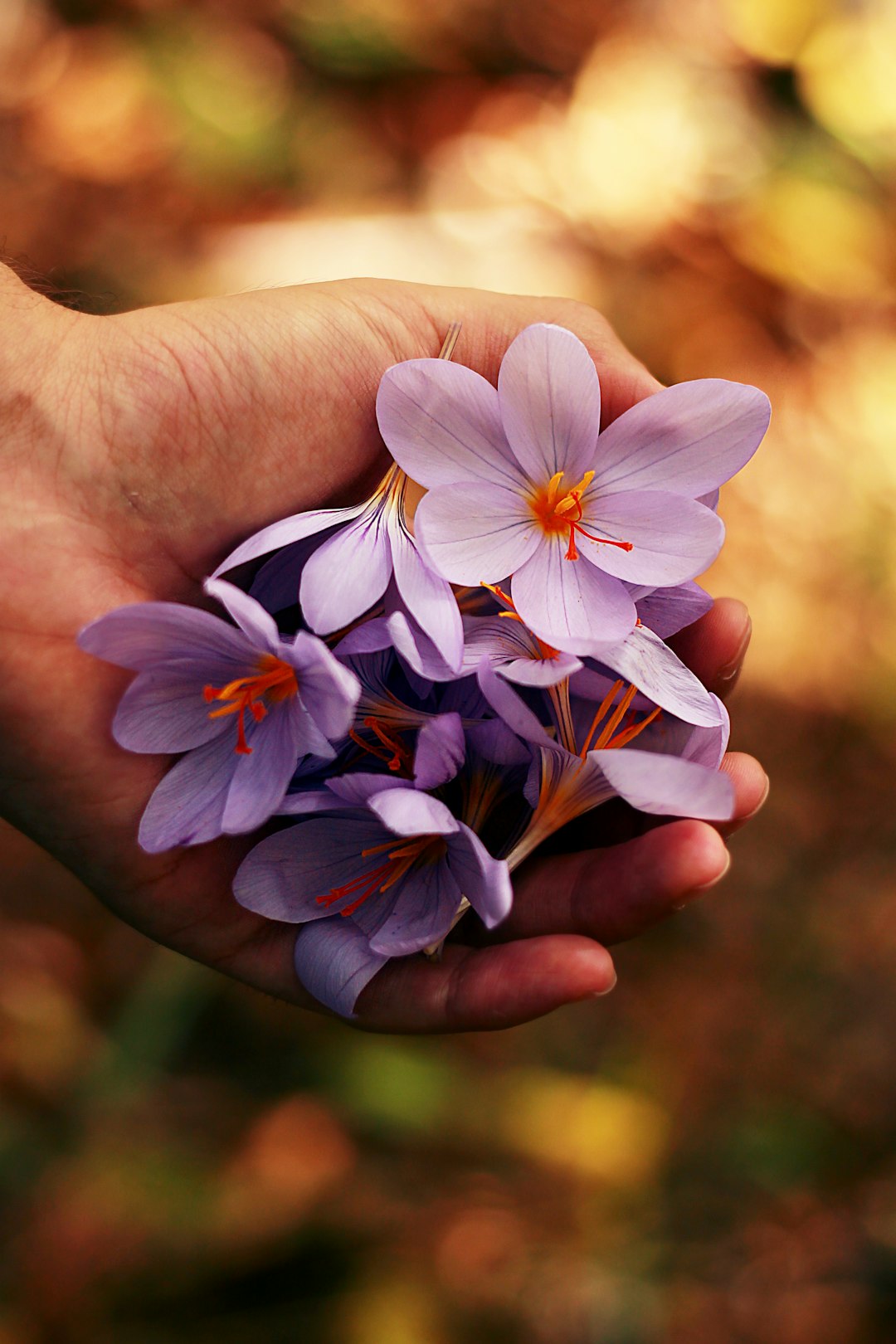
Reclaiming your body doesn't start with sex. It starts with noticing.
Sensation mapping is one of the gentlest tools in trauma recovery. The practice is exactly what it sounds like: you slowly, intentionally, and without any agenda, explore what different types of touch feel like on neutral parts of your body. Your arms. Your hands. The back of your neck. You're not building toward anything. You're just relearning that your body can receive sensation without bracing for danger.
This is intimacy with yourself first. And that's not a consolation prize. It's the foundation.
Think of it as updating your body's software. The old programming says "touch equals threat." The new programming, built slowly through safe, chosen, consensual experience, says "touch can also equal warmth, pleasure, and safety." You're not erasing the old file. You're creating new ones that eventually become the default.
Mindfulness plays a huge role here too. Not the kind where you empty your mind and float away, but the grounded kind, where you stay present in your body even when things feel uncomfortable. You notice discomfort without immediately fleeing from it. You practice staying, just for one more breath, and then another. Over time, that window of tolerance, the zone where you can be present in your body without tipping into panic or numbness, expands. Slowly. And then all at once.
Intimacy After Trauma: The Honest Truth About Partners & Trust

Trust after trauma doesn't come back all at once. It comes back in sentences.
If you're navigating intimacy with a partner, the most important thing you can do is talk before you're in the moment. Not during, not after. Before. This might mean saying something as simple as: "I'm going to need us to go slowly. And if I need to stop, I need to know that's completely okay." That one conversation can change everything. It tells your nervous system that this situation is different. That you have agency here.
Communication isn't just helpful, it's genuinely healing. When you speak your needs and they are respected, your brain starts filing that experience under "safe" rather than "threatening." Repeated experiences of being heard and honored in intimate contexts literally begin to rewire the neural pathways that trauma disrupted. This is the neuroscience of consent playing out in real life.
If your partner struggles to understand what you're going through, that's worth addressing with support. Couples therapy with a trauma-informed therapist can be enormously helpful, not because anything is broken in your relationship, but because your partner may simply not have the tools yet. And you deserve a partner who's actively building those tools.
If anxiety during sex is something you navigate regularly, know that you're not alone in this, and that concrete strategies exist to help you stay grounded and present without forcing yourself through it.
Redefining Pleasure on Your Own Terms
Pleasure isn't something you have to earn back. It's something you already own.
One of the most insidious effects of sexual trauma is the way it can make pleasure feel complicated, guilty, or even dangerous. Some survivors feel numb. Others feel flooded with emotion when pleasure starts to build, which can feel destabilizing. Both are completely normal responses. And both can soften over time.
Redefining what pleasure means to you is part of the work. Maybe pleasure right now looks like a long bath with music you love. Maybe it's dancing alone in your kitchen at midnight. Maybe it's exploring vibrators for women solo, on your own schedule, with zero pressure and full control. Pleasure doesn't have to look the way you were taught it should look. It just has to feel good to you.
Self-exploration in a solo context is often one of the most empowering steps in sexual trauma recovery. It puts you entirely in charge. There's no one else's needs to manage, no performance to deliver. Just you and your own body, getting reacquainted on your terms. If guilt comes up during self-exploration, that's worth examining with a therapist or exploring through resources like overcoming masturbation guilt. That guilt is not a signal that you're doing something wrong. It's often just old messaging that no longer belongs to you.
If you're looking for a gentle starting point, something body-safe, intuitive, and designed with real pleasure in mind, the Lem Clitoral Massager is worth exploring. It's soft, simple, and beautifully unintimidating.

Setting the scene matters too. Lighting, scent, music. These aren't indulgences. They are nervous system regulators. When you intentionally create an environment that feels safe and pleasant, you're sending your body an explicit message: this is different. This is yours.
Finding Support: Therapy, Community & Professional Help

Healing sexual trauma is not a solo sport. Please don't try to do it alone.
Trauma-informed therapy is the gold standard for sexual trauma recovery. Look for therapists who specifically name trauma, sexual trauma, or somatic approaches in their specialties. EMDR (Eye Movement Desensitization and Reprocessing), somatic experiencing, and Internal Family Systems (IFS) are three modalities with strong evidence bases for trauma recovery. Not every modality works for every person, so give yourself permission to try more than one until something clicks.
Community also heals. Whether that's a survivor support group, an online forum, or a trusted friend who gets it, connection with others who understand your experience can be profoundly validating. Trauma thrives in isolation. Community is its antidote.
Books can be powerful too. Titles like Bessel van der Kolk's work on trauma and the body have genuinely changed how survivors understand their own experience. Reading other people's stories, seeing your own reflected back, can break the shame that often wraps itself around sexual trauma and makes it harder to heal.
And finally, clitoral vibrators and other intimate tools can be meaningful parts of a recovery journey when used intentionally and without pressure. They're tools, not solutions. But in the right context, a gentle, body-affirming tool in the hands of someone reclaiming their pleasure? That's genuinely powerful.
Building a New Relationship with Your Body: Practical Starting Points

Practical doesn't mean easy. But it does mean doable.
Start with breath. Seriously. Slow, deliberate breathing activates the parasympathetic nervous system, the part responsible for rest, safety, and connection. Before any moment of intimacy, even solo, take three long exhales. This isn't spiritual fluff. It's basic neuroscience. Your exhale tells your nervous system to downregulate, to step back from alert and into ease.
Next, name your boundaries clearly to yourself before sharing them with others. What feels okay right now? What doesn't? Boundaries in recovery aren't permanent rules. They're current preferences. They shift. They expand. The point isn't to build a wall but to build a fence with a gate that only you control.
Pace is everything. If something starts to feel overwhelming during intimacy, whether solo or partnered, pause. Breathe. Reassess. The ability to pause and return, rather than push through or shut down completely, is one of the most important skills you can build. It teaches your nervous system that you are the one in charge now. Not the trauma.
Pairing that with couples toys or solo tools, when the time feels right, can add a playful, low-pressure layer to the reconnection process. There's no rule that says healing has to be serious all the time.
Wrapping Up: You Are Already in the Process of Healing
You don't have to be fully healed to start reclaiming pleasure. You just have to be willing to begin.
The fact that you're reading this means something. It means some part of you is still reaching toward yourself, toward safety, toward the kind of intimacy that feels good rather than frightening. That part of you is right. Pleasure is your birthright. Connection is your birthright. Healing, however it looks for you, is absolutely yours to have.
Be patient with your body. It's been working so hard to protect you. Now you get to teach it that it's safe to feel good again. That is not a small thing. That is everything.
Want to make your journey even more exciting? I've handpicked some amazing toys and goodies at Hello Nancy that'll add extra sparkle to your intimate moments. (Here's a little secret, use 'dirtytalk' for 10% off!)
Frequently Asked Questions
How long does sexual trauma recovery take?
There is no universal timeline. Recovery depends on the nature of the trauma, the support available, and where someone is in their healing journey. Some people notice significant shifts within months of starting trauma-informed therapy; for others, the process unfolds over years. The goal isn't speed. It's sustainable, genuine reconnection with yourself.
Can sexual trauma cause physical symptoms during intimacy?
Yes, absolutely. Survivors commonly experience physical responses like pain, numbness, muscle tension, nausea, or dissociation during intimate moments. These are physiological trauma responses, not signs of personal failure. Working with a trauma-informed therapist and, where appropriate, a pelvic floor specialist can help address these symptoms directly.
Is it normal to feel nothing during sex after trauma?
Emotional or physical numbness during sex is one of the most common experiences among sexual trauma survivors. It's the nervous system's way of protecting you from overwhelming sensation. It doesn't mean you're permanently broken or that pleasure is gone forever. Gentle, non-pressured re-engagement with sensation, often starting outside sexual contexts entirely, can gradually bring feeling back.
What type of therapy is best for sexual trauma recovery?
EMDR, somatic experiencing, and Internal Family Systems (IFS) are among the most evidence-supported approaches for sexual trauma. That said, the most effective therapy is ultimately the one that feels safe and right for you. A trauma-informed therapist who specializes in sexual trauma is your best starting point, and it's okay to try more than one modality or practitioner before finding the right fit.
How do I tell a partner about my sexual trauma?
You share only what feels safe and right to you, and only when you're ready. You don't owe anyone your full story. Start with what you need, not what happened: "I need us to go slowly," or "I may need to pause and that has nothing to do with you." A partner who responds with care and curiosity rather than frustration is a partner worth trusting with more over time.
Can masturbation help with sexual trauma recovery?
For many survivors, solo self-exploration is one of the most empowering parts of recovery because it's entirely on your terms. There's no one else's needs or reactions to manage. That said, it's not for everyone at every stage. If it brings up guilt, shame, or distress, that's worth exploring with a therapist rather than pushing through alone.
What is somatic therapy and how does it help sexual trauma survivors?
Somatic therapy focuses on the body's physical responses to trauma rather than only the cognitive or emotional ones. Techniques include breathwork, body scanning, movement, and tracking physical sensations to help the nervous system process and release stored trauma. For sexual trauma specifically, it can help survivors reconnect with their bodies as places of safety and sensation rather than threat.
How do I set boundaries around intimacy during trauma recovery?
Think of boundaries not as permanent walls but as current preferences that you're allowed to update. Start by knowing your own "yes" and "no" before entering any intimate situation. Practice naming them out loud to yourself first. Then, communicate them clearly and early with any partner. Boundaries respected consistently over time are one of the most powerful healing experiences available.