Add RM50.04 MYR to get Free Gift



Your head is louder than your body. And that disconnect is exactly what sexual performance anxiety feels like.
It sneaks in right when you want it gone the most. One anxious thought spirals into another, and suddenly you're miles away from the moment you actually wanted to be in.
What Sexual Performance Anxiety Actually Is

Sexual performance anxiety is the cycle of fear and worry that shows up before or during sex. It's not a character flaw. It's not a sign that you're broken. It's your nervous system doing exactly what nervous systems do when they feel threatened: flooding you with cortisol and pulling blood away from exactly where you need it.
Research suggests that somewhere between 5% and 25% of people report anxiety surrounding sex, with prevalence being slightly higher in younger age groups (Capogrosso et al., 2023, ESSM Position Statements, PMC).
That's a staggering number of people silently suffering through something that has real, evidence-based solutions.
Why Your Brain Becomes the Biggest Obstacle in Bed

Here's the kicker. Anxiety and arousal use some of the same biological pathways. A little nervous excitement can actually heighten desire in people who are already sexually confident. But for someone caught in a performance anxiety spiral, that same arousal energy gets redirected entirely toward fear of failure.
The brain essentially gets hijacked.
Instead of focusing on erotic cues, on your partner's breath, on pleasure, on sensation, your attention narrows onto one terrifying question: "What if it goes wrong?" Psychologists call this spectatoring. You step out of your own body and watch yourself from the outside, judging your performance in real time. Sex researcher Dr. William Masters noted decades ago that this evaluative mindset is one of the primary psychological barriers to healthy sexual function.
Once that observer mode kicks in, physical responses like erection, lubrication, and arousal become harder to access. Not impossible. Just harder. And the harder you try to force them, the further they retreat.
The Causes Nobody Talks About Honestly

Body image is one of the biggest drivers of sexual performance anxiety, and it barely gets airtime. Worrying about how your body looks, sounds, or moves during sex is genuinely exhausting. It pulls focus away from sensation and redirects it toward self-surveillance.
Past sexual experiences matter too.
A single humiliating or painful encounter can rewire how your nervous system interprets intimacy. Your brain files it under "dangerous" and starts bracing for impact every time a similar situation arises. This isn't weakness. It's the brain doing its job of protecting you, just a little too aggressively.
Relationship dynamics play a huge role as well. Unresolved tension, communication gaps, or feeling unseen by a partner can create a low-grade emotional stress that makes vulnerability during sex feel genuinely unsafe. Add in the insane pressure of porn-shaped expectations about stamina, size, and performance, and you've got a recipe for chronic anxiety. Cultural messaging about what sex is "supposed" to look like has done enormous damage to real people having real, human, imperfect sex.
Finally, generalized anxiety disorders and depression frequently show up as reduced libido or sexual dysfunction. The mind-body connection here is direct and well-documented.
How It Shows Up Differently for Different Bodies
For people with penises, performance anxiety often shows up as difficulty getting or maintaining an erection. This gets misread as a physical problem when the cause is almost entirely psychological. Premature ejaculation is another common manifestation, driven by the nervous system being in full high-alert mode.
For people with vulvas, the picture looks different but is just as real.
Anxiety commonly leads to reduced natural lubrication, difficulty reaching orgasm, or even vaginismus, where the pelvic floor muscles involuntarily tighten in response to anticipated pain or stress. Many vulva-owners report feeling "in their head" and disconnected from their body during sex. That dissociation isn't random. It's a stress response. And it responds beautifully to the same mindfulness-based approaches that help anxious brains in every other context.
Solutions That Are Actually Grounded in Reality
Cognitive behavioral therapy, or CBT, is the gold standard here. Research from both the International Society for Sexual Medicine and multiple clinical studies confirms that CBT is highly effective for sexual performance anxiety. It works by identifying the specific thought patterns that trigger the anxiety spiral and systematically replacing them with more accurate, grounded beliefs.
Therapy isn't the only path.
Mindfulness-based approaches have shown real promise too. The practice of staying present in your body, noticing sensation without judgment, is essentially the antidote to spectatoring. Even five minutes of daily breathwork has been shown to lower baseline cortisol levels, which directly reduces the physical symptoms of anxiety during sex. If you want to explore that further, our guide on breathing techniques for better orgasms breaks this down beautifully.
Sensate focus exercises, developed by Masters and Johnson, are another powerful tool. The idea is simple: take intercourse completely off the table and spend time exploring touch purely for curiosity and sensation, with zero pressure for anything to happen. It reprograms the association between intimacy and pressure.
Communication with your partner is non-negotiable. Telling someone you trust, "I get in my head sometimes during sex," can cut the anxiety in half. Shame thrives in silence. Naming the thing strips it of a lot of its power.
For solo exploration, using vibrators for women can be a genuinely helpful way to reconnect with your own body, on your own terms, without any performance pressure at all. Getting comfortable with your own responses means you're less likely to feel lost during partnered sex.
Rebuilding Intimacy When Anxiety Has Been Running the Show

Rebuilding trust with your own body takes time. That's the honest truth, and it deserves to be said plainly.
Start small. Lower the stakes. Sex doesn't have to mean intercourse. It can mean closeness. It can mean presence. It can mean whatever you and your partner decide it means on any given night. Removing the goal entirely is often what allows the goal to naturally happen again.
Using quality couples toys during intimacy can take pressure off both partners by shifting the focus from "performing" to exploring together. When pleasure becomes a shared curiosity rather than a solo test, the whole dynamic changes.
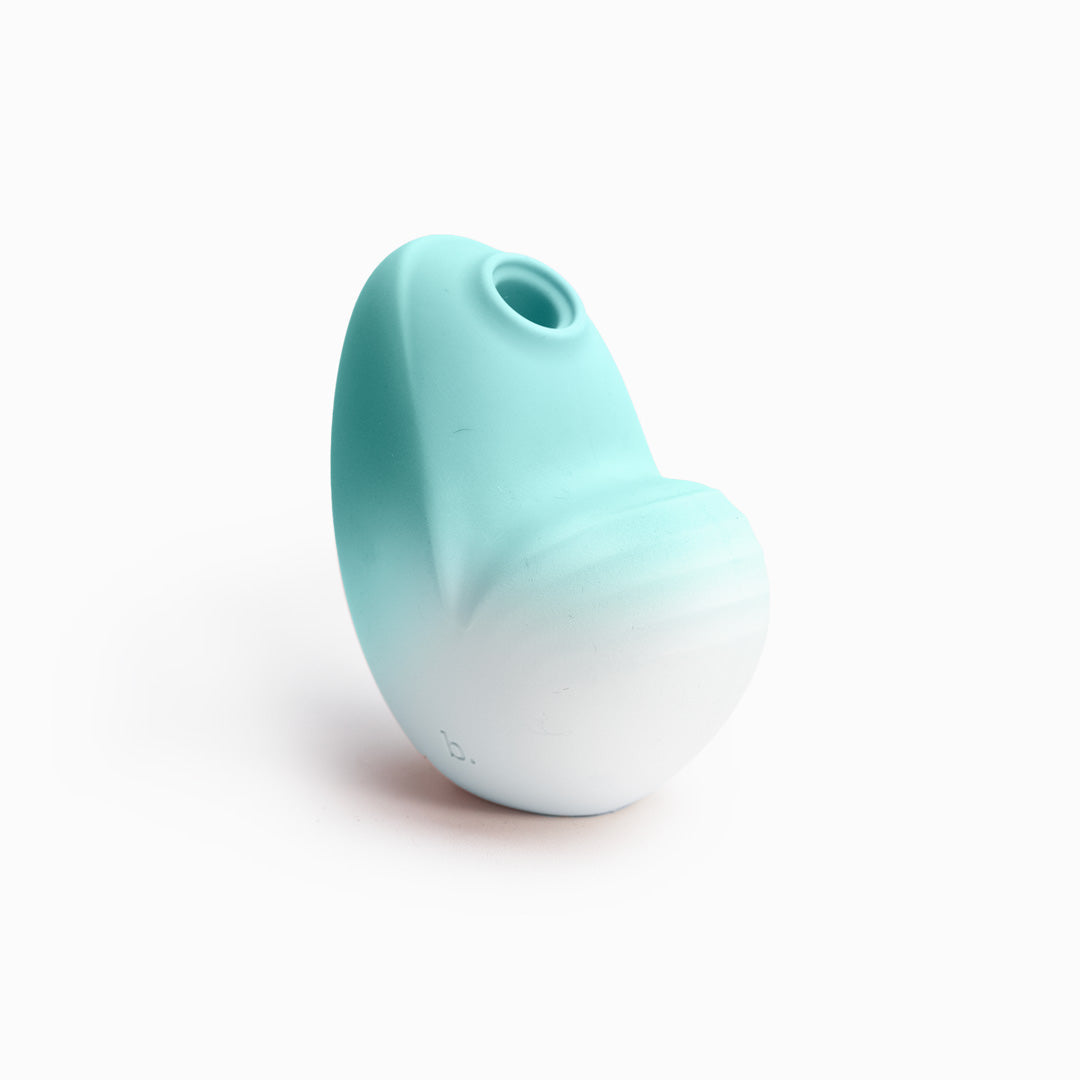
The Namii 2, a dual-action clitoral suction and vibration toy, is a brilliant option for couples who want to keep pleasure playful and take the pressure off anyone needing to "perform." It invites both partners into the experience rather than putting one person in the spotlight.
If you're rebuilding after a painful experience, our article on physical aftercare tips after intimacy is worth bookmarking. Caring for yourself after sex, especially when you're healing, is part of the recovery too.
And if you want to work on the emotional side of things with a partner, understanding what you actually need from each other is the foundation. Our piece on things you should never say in relationships is a good place to start that conversation.
When to Reach Out for Professional Help
If anxiety around sex has been present for more than a few months and is affecting your relationship or your sense of self, talking to a sex therapist or psychologist is genuinely worth it. There's no threshold of "bad enough" you need to hit first. You deserve support before it becomes a crisis.
A GP or urologist can also rule out any physical contributors, especially if erectile issues are involved. Getting that medical clearance often reduces anxiety significantly on its own. Because knowing something is psychological, not physical, gives you a clear path forward.
Bottom Line
Sexual performance anxiety is incredibly common, deeply human, and highly treatable. Your pleasure matters. Your confidence matters. And so does your peace of mind in the bedroom.
You're not failing at sex. You're a person with a nervous system that learned to be cautious. The work is simply teaching it that intimacy is safe again.
Want to make your journey even more exciting? I've handpicked some amazing toys and goodies at Hello Nancy that'll add extra sparkle to your intimate moments. (Here's a little secret, use 'dirtytalk' for 10% off!)
Frequently Asked Questions
What causes sexual performance anxiety in men?
Sexual performance anxiety in men is most commonly driven by fear of erectile dysfunction, body image concerns, past negative sexual experiences, and unrealistic expectations shaped by pornography. Psychological factors account for the majority of cases, particularly in younger men. Stress, relationship tension, and generalized anxiety disorders are also frequent contributors.
Can sexual performance anxiety affect women too?
Absolutely. Sexual performance anxiety is just as common in women, though it often shows up differently. Women may experience difficulty with lubrication, trouble reaching orgasm, or involuntary pelvic floor tension. Feeling disconnected from the body or "in your head" during sex is a classic sign.
Is sexual performance anxiety a mental health condition?
It's not classified as a standalone mental health disorder, but it sits at the intersection of anxiety and sexual dysfunction. It often co-occurs with generalized anxiety disorder, depression, or relationship difficulties. A psychologist or sex therapist can provide a proper assessment and treatment plan.
What is the best therapy for sexual performance anxiety?
Cognitive behavioral therapy (CBT) is the most well-researched and recommended approach for sexual performance anxiety. It targets the negative thought loops that fuel the anxiety cycle. Mindfulness-based practices and sensate focus exercises are also highly effective, especially when combined with open communication with a partner.
How does sexual performance anxiety cause erectile dysfunction?
When anxiety activates the body's stress response, cortisol and adrenaline redirect blood flow away from the genitals and toward the muscles. This physiologically makes erections harder to achieve. The more a person fears this happening, the more their nervous system stays in high-alert mode, creating a self-reinforcing cycle.
Can sexual performance anxiety go away on its own?
Sometimes, yes. When the anxiety is tied to a specific temporary stressor (a new relationship, a stressful period at work), it can resolve naturally once that stressor passes. However, chronic or deeply rooted performance anxiety rarely improves without some intentional intervention, whether that's therapy, mindfulness practice, or honest communication with a partner.
What does spectatoring mean in sexual performance anxiety?
Spectatoring is the experience of mentally stepping outside your body during sex and observing yourself critically, as if you were an audience member judging your own performance. It was identified by sex researcher Dr. William Masters as a key psychological barrier to sexual function. It pulls attention away from pleasure and sensation, making arousal much harder to access.
How can I talk to my partner about sexual performance anxiety?
Keep it low-pressure and outside the bedroom. Choose a calm, relaxed moment and frame it as something you're working through, not a verdict on your relationship. Something as simple as "Sometimes I get really in my head during sex and I wanted to tell you" opens the door without placing blame. Vulnerability like this almost always brings partners closer, not further apart.
Are there self-help strategies for overcoming sexual performance anxiety?
Yes, and they genuinely work for many people. Daily mindfulness or breathwork, solo exploration to reconnect with your body without pressure, removing the goal of intercourse temporarily, and journaling to identify your specific triggers are all effective starting points. If self-help doesn't move the needle after a few weeks, that's a clear sign professional support will help.