Add RM50.04 MYR to get Free Gift



Something quietly shifts when a sex life goes from electric to... fine. Nobody announces it. It just happens, and suddenly "fine" starts feeling like a lot.
The good news? You don't need a dramatic reinvention. You need a nudge. A few intentional choices, stacked on top of each other, change everything. This list is exactly that.
Why Routine Is the Real Desire Killer

Here's what's happening in your brain when sex starts feeling predictable. The dopamine system. the very circuit that makes desire feel urgent and exciting. responds intensely to novelty. When your brain encounters something new and rewarding, the nucleus accumbens lights up. When it encounters the exact same sequence for the forty-seventh Tuesday in a row, it barely flickers.
Researcher Helen Fisher's work confirms this. Novelty, doing new things or old things in new ways, is one of the most reliable ways to boost dopamine and reignite attraction. That's not a self-help platitude. It's neuroscience.
So spicing things up isn't about being unsatisfied. It's about working with your brain instead of against it.
Start Outside the Bedroom

Desire doesn't begin when clothes come off. It starts hours earlier, sometimes days earlier, in the small moments that tell your partner you're thinking about them.
Send a text in the middle of the afternoon that has nothing to do with logistics. Not "can you grab milk" but something that makes them smile sideways at their phone and feel wanted. Anticipation is one of the most underrated foreplay tools available to you, and it costs nothing.
Try flirting again. Not performatively. Just the small, low-stakes version you did early on, a glance held a beat too long, a hand on the lower back when walking past. It sounds almost too simple. But simple is exactly what eroded.
Plan something new together outside the bedroom entirely. Research consistently shows that couples who share novel experiences, whether that's a cooking class, a spontaneous road trip, or even just a new restaurant, report higher relationship and sexual satisfaction. The excitement of the experience cross-wires into attraction for each other.
Communication Is the Unsexy Thing That Makes Everything Sexier

Ask your partner what they actually want. Not in a clinical way. In a curious, genuinely interested way. "Is there something you've been wanting to try?" is a sentence that opens more doors than most people realize.
A 2024 study published in the Journal of Sex Research found that on days when couples reported better-than-usual sexual communication, both partners experienced significantly higher sexual satisfaction. That same day. The link is that direct.
Try sharing one fantasy. Just one. You don't have to act on it. Sometimes naming it is enough to shift the energy between two people. And occasionally, you discover your partner has been quietly hoping for the exact same thing.
If conversation feels awkward, start with a question game in bed. Low stakes. No judgment. You'll be surprised where "what's one thing we've never done that you're curious about" takes you.
Change the Location, Change Everything

The bedroom is comfortable. That's also its problem.
Book a hotel room for a night, even a modest one nearby. The unfamiliar setting removes every domestic association. The laundry pile doesn't exist. The to-do list doesn't follow you in. You are just two people in a new space, and your nervous systems respond accordingly.
If a hotel feels like too much, rethink the rooms you already have. The living room after midnight. The kitchen counter. The shower with actual intention rather than hurried efficiency. Location change is a fast, free way to interrupt autopilot.
Slow Down (Seriously, Slower Than That)

Most people rush. They rush because they're tired, or because they think the goal is the destination, or because vulnerability at a slower pace feels almost too exposed.
Try this. Set a timer for ten minutes and agree that nothing "counts" for those ten minutes. Just touch. Just explore. No pressure, no agenda. What happens when you remove the finish line is remarkable. Your body relaxes, your attention sharpens, and suddenly things feel genuinely good rather than efficiently executed.
Slowing down is also one of the most effective ways to make orgasms more intense and more accessible. The research on breathwork and arousal bears this out. Your nervous system needs time to actually arrive.
Introduce Sensation Play

Blindfolding your partner costs exactly nothing and changes the entire sensory experience. When one sense is removed, the others sharpen dramatically. Touch that would feel pleasant becomes electric.
Ice, feathers, warm massage oil, a soft scarf across skin. These are low-commitment ways to explore sensation play without needing any special equipment or prior experience. Start simple. Ask for real-time feedback. Build from there.
Temperature play in particular. alternating between warmth and coolness on the skin. is consistently one of the most well-received introductions to sensation exploration for people who are new to it. The contrast itself is the point.
Bring in a Toy (No, It's Not Awkward)
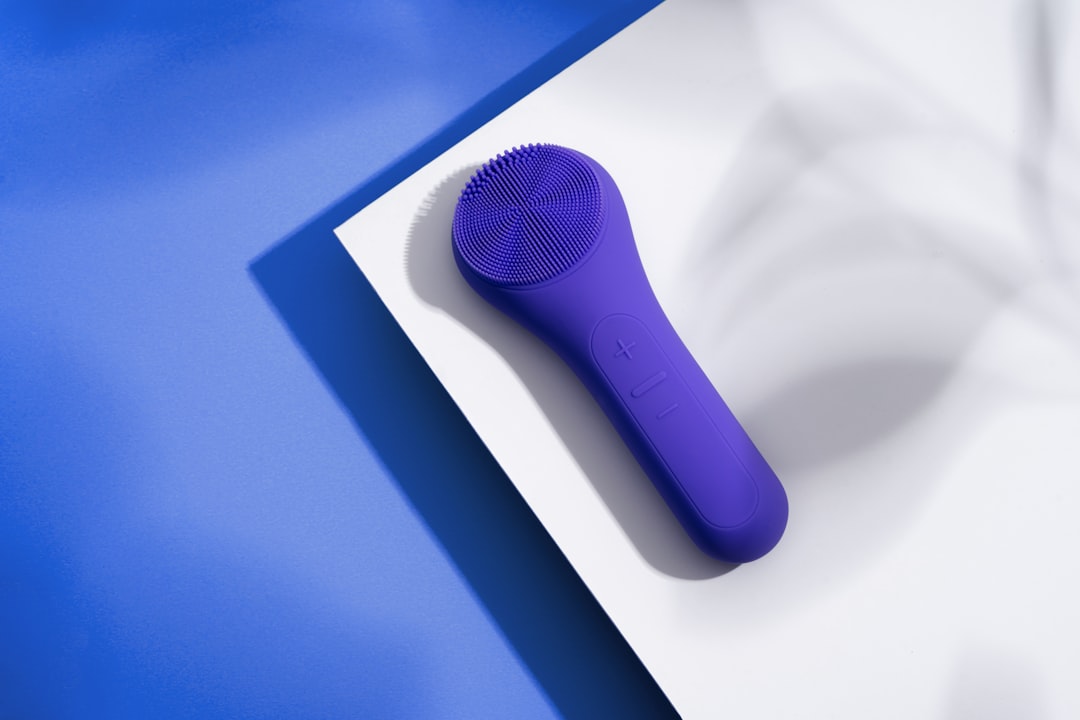
Let's be honest about something. Many people avoid introducing toys into partnered sex because they worry it implies something is missing. It doesn't. It implies you want more. That's a very different thing.
Couples toys have become genuinely sophisticated. They're designed to enhance shared experiences, not replace anyone. The Berri Edging Clitoral Massager, for example, adds tapping clitoral stimulation that most partnered positions simply can't deliver on their own. Using it together becomes part of the intimacy, not a detour from it.

If you're shopping for clitoral vibrators together, make it a shared activity. Look at options, talk about what sounds interesting. The conversation itself is part of the fun.
Explore Fantasy Without Pressure

Fantasy is not a blueprint. It's a landscape you're allowed to wander around in without committing to building anything.
Share a fantasy framed as "I've thought about this but don't know if I'd ever want to actually do it." That framing removes pressure immediately. You're not making a request. You're opening a window. Most partners respond with curiosity rather than alarm when the stakes are lowered like that.
Role play is another entry point that gets dismissed too quickly. It doesn't have to be elaborate. Two sentences of setup. Different names. A small fictional premise. The psychological shift that creates is genuinely surprising.
Schedule Sex Unapologetically

Scheduling sex has a reputation problem it doesn't deserve.
People resist it because it sounds clinical. But think about what scheduling actually does. It signals priority. It creates anticipation. It removes the negotiation-at-11pm-when-you're-exhausted dynamic that kills more intimate moments than almost anything else. Knowing something is planned gives you the entire day to mentally arrive. That's not less romantic. That's more.
Treat the scheduled evening the way you'd treat a dinner reservation you're genuinely looking forward to. Dress for it. Create a mood beforehand. Show up ready rather than ambushed by the spontaneity that never actually came.
Use Your Words During (Not Just Before)

Verbal expression during sex is wildly underused by most people.
Telling your partner what feels good, in real time, is not just communication. It's erotic. It's directing something. It's being present enough to notice and name what's happening in your body. Partners consistently report that hearing genuine, real-time feedback is one of the most arousing things that exists. Not performance. Actual presence.
You don't need a script. "That's really good" is enough to start. Then, as you get more comfortable, you can get more specific. More specific is almost always better received.
Read or Watch Something Erotic Together

Sharing erotica, whether written, audio, or visual, shifts the energy in the room in a way that's hard to manufacture otherwise.
Audio erotica in particular has exploded in popularity. Apps and podcasts dedicated to it have built massive audiences because it hits differently than visual content. It leaves more to imagination. It tends to center the full experience rather than just the visual. And listening to something together while you're both present creates a shared experience you then bring into your own.
Start with something lower-stakes if the idea feels vulnerable. Read a scene from an erotic novel aloud. See how the room changes.
Prioritize the Lead-Up (Foreplay Is Not Optional)

Here's something physiology makes non-negotiable. Many bodies need significantly more time than others to fully arouse. Not as a preference. As biology.
Arousal non-concordance is a real phenomenon: the body and mind can be out of sync, and rushing past the lead-up stage almost guarantees that disconnect. Longer, slower, more attentive foreplay isn't just kind. It's the difference between sex that feels transcendent and sex that just... happened.
Give the lead-up the same attention you give the main event. Probably more.
Try a Different Time of Day

Most people default to night. Night is when you're exhausted, when your brain is full, when every distraction from the day has stacked up.
Morning sex sidesteps all of that. Testosterone levels peak in the morning for most people, energy is higher, and there's something about the unhurried, slow-waking quality of early morning that creates a completely different pace. Afternoon, on a lazy weekend, is even better. Try it once. You'll understand immediately.
Add Music (Intentionally)
Silence is underrated. But intentional music is something else entirely. Creating a playlist you both like specifically for intimate moments changes the sensory environment in the room without any effort. It also provides a subtle audio cue that tells your nervous system: this is different from the rest of the day.
Be More Generous With Touch Outside of Sex
The couples with the most satisfying sex lives tend to touch each other constantly, and most of that touch has nothing to do with sex. Hand-holding. Shoulder rubs. Sitting close. Non-sexual physical affection keeps the channel open. When touch is only associated with a destination, the body starts bracing instead of opening.
Research from the South Denver Therapy 2025 report on intimacy found that daily emotional closeness, including physical affection and self-disclosure, was strongly linked to overall relationship satisfaction. The touch is the thing. All of it, not just the obvious kind.
Revisit What You Actually Like

Tastes change. What worked at 25 might not be what works at 35, and that's not a problem. It's just an update that never got installed.
Spend time, genuinely, exploring what you currently enjoy, not what you historically enjoyed. Solo exploration matters here. Knowing your own body well enough to guide a partner is one of the most powerful gifts you can give both of you. Vibrators for women designed for solo use often become the research that makes partnered sex substantially better.
Experiment With Eye Contact
Held, intentional eye contact during sex is both deeply intimate and surprisingly intense for many people. It's vulnerable. That vulnerability is often exactly where connection lives. If you normally close your eyes, try keeping them open. The shift is quiet but significant.
Remove Performance Pressure Entirely
Sexual performance anxiety is one of the most common barriers to genuine pleasure, and it feeds itself. Worry about performance creates exactly the conditions that prevent it. The body can't fully relax and respond when the mind is auditing. Acknowledging this openly with a partner often dissolves more tension than any technique. If sexual performance anxiety has been showing up for either of you, naming it is the first and most important move.
Take Care of Your Body (Not for Looks)
Exercise, sleep, hydration, reduced alcohol. These are not wellness-influencer talking points. They are directly connected to libido, arousal, and physical sensation. A body that's rested and reasonably looked-after simply responds better. This isn't about aesthetics. It's about being present in your own skin enough to actually feel what's happening.
Invest in Aftercare

What happens after matters more than most people realize. Physical aftercare, the quiet attention you pay to each other's comfort and emotional state after intimacy, is part of the experience. Not a coda to it.
People who feel genuinely held after sex report higher overall sexual satisfaction, stronger emotional connection, and more desire to repeat the experience. Aftercare doesn't have to be elaborate. Five minutes of closeness. A glass of water. A soft question about how they're doing. It counts.
Try the Wearable Vibrator Option
If novelty is the goal, a remote-controlled panty vibrator like the Pixie is one of the more delightfully subversive options available. Partner controls it. You're out somewhere ordinary. The anticipation and mild absurdity of the situation is its own kind of foreplay. It's playful in the best way.
Stop Waiting Until You're in the Mood
Desire doesn't always arrive first. For many people, arousal is responsive rather than spontaneous. Meaning it shows up in response to stimulation, not before it. Waiting to feel desire before initiating intimacy is like waiting to feel hungry before cooking. Sometimes you just start, and the appetite follows.
Be Explicit About What You Don't Want
Knowing what's off the table clears the space for everything that isn't. Paradoxically, clear limits create more freedom, not less. When both partners feel genuinely safe that nothing will happen that they haven't consented to, they relax in a way that opens doors. Consent architecture isn't just ethical. It's erotic.
Make a Shared Bucket List
Sit together, separately write five things you're curious about or want to try, then compare. Overlap is where you start. Non-overlap is information. The process of making the list is itself an intimate, revealing conversation that most couples never have. Even if you never act on a single item, you'll know each other better after it.
Bottom Line
None of this requires being someone you're not. It requires being a little more intentional than you have been lately. That's it. Pick one thing from this list. Just one. Try it this week. Then notice what shifts. A sex life that genuinely works isn't built in a grand gesture. It's built in twenty small ones, stacked quietly over time.
Want to make your journey even more exciting? I've handpicked some amazing toys and goodies at Hello Nancy that'll add extra sparkle to your intimate moments. (Here's a little secret. use 'dirtytalk' for 10% off!)
Frequently Asked Questions
How do you spice up your sex life when you've been together for years?
Long-term couples benefit most from novelty and intentional communication. Try introducing a new experience monthly, whether that's a different location, a toy, or a shared fantasy conversation. The goal isn't to pretend you're new to each other. It's to keep genuinely curious about each other.
What are the best ways to spice up sex life without spending money?
Location changes, morning sex, intentional eye contact, slowing down, verbal feedback during sex, and fantasy sharing all cost exactly nothing. Many of the most effective changes are behavioral and attitudinal, not product-based.
Is it normal for sex to get boring in a long-term relationship?
Completely normal, and it's rooted in neuroscience. The brain's dopamine response to familiar stimuli diminishes over time, which is why novelty is so powerful for reigniting desire. This doesn't mean something is wrong with your relationship. It means your brain is functioning as expected.
How do you bring up wanting to spice things up without making your partner feel inadequate?
Frame it as curiosity and addition, not critique. "I've been thinking about something I want to explore with you" lands very differently than any version of "I've been feeling unsatisfied." Desire-forward framing keeps the conversation in collaborative territory.
Do sex toys really help spice up a couple's sex life?
Yes, and the research supports it. Couples who use toys together consistently report higher sexual satisfaction. The key is choosing something together and framing it as a shared experience rather than an external fix.
How often should couples try something new in bed?
There's no magic number, but introducing one new element per month is a manageable, low-pressure rhythm for most couples. Even small variations, a new location, a different time of day, a new type of touch, count as novelty to your nervous system.
What role does communication play in a satisfying sex life?
A central one. A 2024 study found that better-than-usual sexual communication predicted higher sexual satisfaction for both partners on the same day. Verbal feedback during sex, open conversations about fantasies, and honest discussions about what isn't working are among the highest-return investments a couple can make.
Can scheduling sex actually make it better?
Counterintuitively, yes. Scheduling creates anticipation, removes the awkward late-night negotiation, and signals mutual priority. Couples who plan intimacy often report feeling more desired and more prepared than those relying on spontaneity that rarely materializes.
What is responsive desire and how does it affect libido?
Responsive desire means arousal shows up in response to stimulation rather than appearing spontaneously beforehand. Many people have this style of desire and don't realize it. Understanding it changes everything because it means initiating even when you don't "feel like it" often leads to genuine desire once you begin.