Add RM50.04 MYR to get Free Gift



Nobody taught you this. Not in sex ed, not in any conversation you probably had growing up. But your breath is one of the most powerful tools for unlocking deeper, fuller, more whole-body orgasms.
Seriously. Just your breath.
Why Breathing and Orgasms Are More Connected Than You Think

Here's something that blew my mind when I first learned it. Your pelvic floor and your diaphragm move together, almost like dance partners. When you inhale deeply, your diaphragm drops and your pelvic floor naturally relaxes. When you exhale, both lift. They're literally synchronized. Which means the way you breathe during sex is directly shaping how much tension, sensation, and release your body can access.
Most of us hold our breath right before orgasm. It's almost reflexive. We grip, we tense, we clench everything. And while that can sometimes push you over the edge, it also caps the experience. You get a short, sharp peak instead of a long, rolling wave.
Research backs this up beautifully. A 2024 study published in Applied Sciences found that diaphragmatic breathing therapy significantly changed pelvic floor muscle activity and improved sexual satisfaction scores in participants (Plopa & Makarowski, 2024). The diaphragm and pelvic floor aren't separate systems. They're teammates.
What Breath-Holding Actually Does to Your Pleasure

Think about the last time you were close. Did your shoulders creep up toward your ears? Did your jaw clench? Did you forget you even had a respiratory system?
That's the breath-hold pattern, and it's almost universal.
When you hold your breath, you activate the sympathetic nervous system. That's the fight-or-flight branch. It's great for survival. It is genuinely not great for orgasms. The sympathetic system narrows your experience, keeps sensation localized, and makes your muscles contract rather than flow. You end up working against yourself right at the moment you most want to let go. Shifting into parasympathetic mode — the rest-and-digest, open-and-receive state — is what allows sensation to travel through the entire body rather than staying stuck in one spot.
Slow, intentional breath is the switch.
The Orgasm Breath: How to Actually Do It
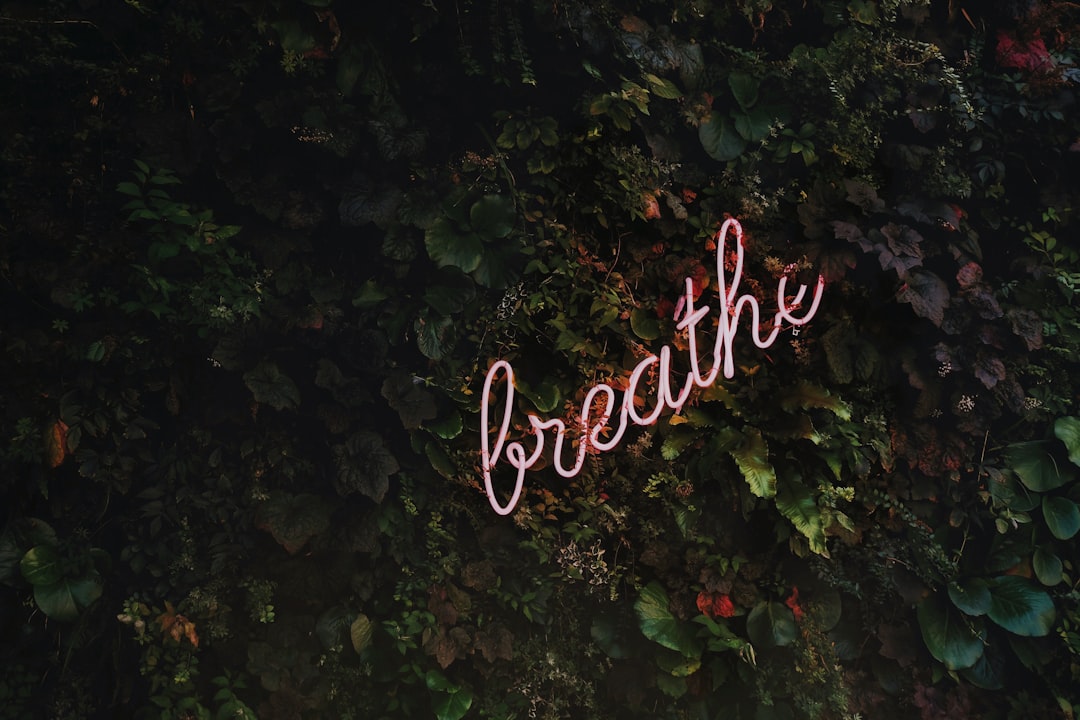
Sex educator Nadège describes what she calls the "orgasm breath" as two quick inhales followed by a long, exaggerated exhale. Adding a slightly open mouth or even letting the tongue relax forward on the exhale helps release jaw tension, which travels all the way down the body. It sounds almost silly until you try it, and then it makes complete sense.
But that's one technique. There are a few worth knowing.
The first is diaphragmatic belly breathing, which is the foundation for everything else. Place one hand on your chest and one on your belly. Breathe in slowly through your nose, letting only the lower hand rise. Hold for a beat. Exhale through your mouth for twice as long as your inhale. That extended exhale is where the parasympathetic magic happens. Practice this outside of sexual contexts first — in the morning, before bed, in the shower. It needs to feel natural before you can use it when you're aroused and distracted.
The second is circular breathing. No pause at the top of the inhale and no pause at the bottom of the exhale. Continuous, looping breath. This is a technique used in tantric traditions and by somatic therapists specifically to build and sustain arousal rather than cap it. What it does physically is keep oxygen moving consistently through the body, prevent the tension-lock that comes with held breath, and allow sensation to spread outward from the genitals into the belly, chest, and limbs. Some people describe this as the difference between a firecracker and a bonfire.
The third is synchronized breathing with a partner. If you have a partner in the room, matching your breath to theirs creates a co-regulation effect. Your nervous systems start to sync. The intimacy deepens. And because you're both breathing consciously, neither of you is defaulting to the hold-and-grip pattern.
Bringing Breath Into Your Actual Sex Life (Not Just a Yoga Class)

Knowing this is one thing. Remembering it when you're in the moment is another.
Start small. Before anything else happens, take three slow belly breaths with your partner (or alone). Just three. It sets the tone of the entire experience, signals your nervous system that this is a safe space for pleasure, and gets you out of your head and into your body. It takes about twenty seconds and the shift is remarkable. If you also enjoy exploring your own body solo, pairing conscious breathing with your favorite clitoral vibrators can completely change the quality of sensation you experience.
When you feel arousal building, that's the moment to consciously choose breath over grip. Instead of tensing your whole body, soften your jaw, drop your shoulders, and exhale slowly. Let the sensation spread rather than concentrating it. This takes practice. Your nervous system has years of the other pattern. Be patient with yourself.
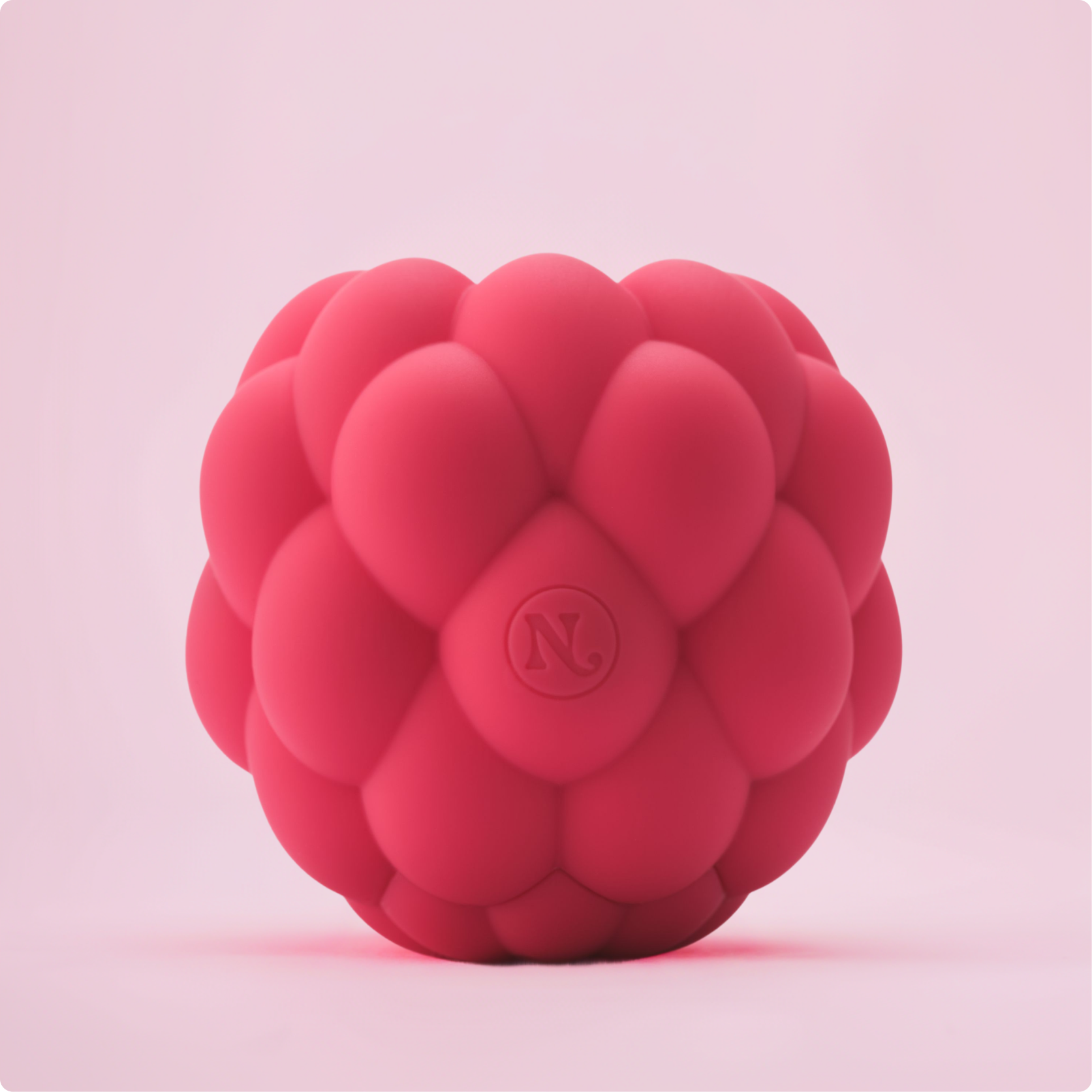
For those who want to explore a toy that makes staying in that open, receptive state even easier, the Berri edging clitoral massager is worth looking at. Its tapping stimulation is gentle enough to use during slow, deliberate breathing without overwhelming the body, which makes it a genuinely good partner for this kind of practice.
Another layer worth adding: sound. Letting yourself make sound during sex, even just a sigh, forces an exhale. And forced exhales break breath-holding. Sound and breath are inseparable. If you're someone who tends to go very quiet and still during sex, experimenting with even small vocalizations can completely change your breathing pattern without you having to think about it directly.
Building a Breathwork Practice That Actually Sticks

Here's the honest truth about breathwork: it only works if you practice it when you're not having sex.
Your nervous system doesn't learn new patterns under pressure. It falls back on old ones. The way to change what happens in your most intense moments is to wire a new pattern during calm, low-stakes ones. Five minutes of diaphragmatic breathing each morning is genuinely more valuable than reading every article about this topic (including this one).
If you're someone who enjoys a movement practice like yoga, you already have a head start. The sensual body awareness you build on a mat translates directly into sexual experience. Bodies that are practiced at following sensation rather than controlling it tend to have a much easier time with this.
Also: breathwork can stir up emotions. This is normal and not something to power through or dismiss. If you notice sadness, or sudden anxiety, or unexpected laughter while practicing, those are signs your nervous system is releasing something it's been holding. Be kind to yourself. Read up on physical aftercare so you know how to tend to yourself after intense experiences.
For Couples: Making This a Shared Practice

Breathwork in intimacy is genuinely one of the most underrated things couples can explore together.
Trying a simple synced breathing exercise before intimacy. Sit facing your partner. Match their breath rhythm for three to five minutes. Don't talk. Just breathe together. What tends to happen is a settling, a softening. The distance between two people who've had a stressful week starts to dissolve. And because both nervous systems are now regulated, you enter the sexual experience already open rather than needing the first ten minutes just to land in your body.
For solo explorers, the same principle applies. Creating a consistent pre-pleasure ritual that includes a few minutes of breath sets your body up for an entirely different experience than jumping straight from your phone screen to trying to get yourself off. The transition matters. Your body needs a moment to switch gears, and breath is the fastest, most reliable gear-shift there is.
Nasal breathing during intimacy also deserves a mention. Research from the Buteyko Clinic notes that nasal breathing activates the olfactory nerve, which is linked to increased enjoyment of sex and even higher frequency of orgasms. Your nose is doing more work than you think.
Bottom Line
Your breath was always there. Available, free, and quietly waiting for you to use it.
The gap between the orgasms you've had and the ones your body is capable of isn't necessarily about technique, toys, or partners. Sometimes it's just about whether your nervous system is open or closed. Whether you're gripping or releasing. Whether you trust yourself enough to exhale all the way.
Want to make your journey even more exciting? I've handpicked some amazing toys and goodies at Hello Nancy that'll add extra sparkle to your intimate moments. (Here's a little secret — use 'dirtytalk' for 10% off!)
Exploring vibrators for women alongside a conscious breathing practice can genuinely transform your experience. Start with the breath. Let everything else follow.
Frequently Asked Questions
Can breathing techniques really make orgasms more intense?
Yes, and the mechanism is physiological, not mystical. Slow, deep breathing activates the parasympathetic nervous system, which allows the body to fully relax into sensation rather than gripping through it. Studies on diaphragmatic breathing and pelvic floor function confirm a direct link between breath patterns and sexual satisfaction.
What is the orgasm breath technique?
The orgasm breath involves two quick inhales through the nose followed by one long, exaggerated exhale through the mouth. It's a somatic technique designed to release tension, soften the nervous system, and move the body from a contracted, anxious state into an open, receptive one.
Why do I hold my breath before orgasm and is that bad?
Breath-holding before orgasm is completely normal and almost universal. It activates the sympathetic nervous system and can help trigger a quick climax. The downside is it tends to localize sensation and shorten the experience. Learning to exhale through the peak instead of holding can lead to longer, more full-body orgasms over time.
What is circular breathing during sex?
Circular breathing means inhaling and exhaling in a continuous loop with no pauses at either end. Used in tantric and somatic practices, it keeps oxygen flowing through the body consistently during arousal and prevents the tension-lock that comes with held breath. Many people describe orgasms experienced with circular breathing as spreading through the entire body rather than staying concentrated.
How does diaphragmatic breathing affect the pelvic floor during sex?
The diaphragm and pelvic floor move in sync. When you take a deep diaphragmatic inhale, the pelvic floor naturally descends and relaxes. When you exhale, both lift together. This coordinated movement means shallow or held breathing keeps the pelvic floor chronically tense, which can restrict sensation. Deep belly breathing literally creates more freedom and space for pleasure.
How can couples use breathing techniques together to improve intimacy?
Synced breathing before or during intimacy helps both partners co-regulate their nervous systems, creating a sense of closeness and safety. Sitting face-to-face and matching each other's breath for a few minutes before sex can dissolve tension and help both people arrive in the experience more fully present.
Can nasal breathing during sex improve orgasms?
Research suggests nasal breathing activates the olfactory nerve, which is associated with enhanced enjoyment during sex and potentially more frequent orgasms. Breathing through your nose during intimacy also tends to slow your breath down naturally, which supports that parasympathetic, open state the body needs for deeper pleasure.
How long does it take to see results from practicing breathwork for better orgasms?
Most people notice a difference within a few weeks of consistent daily breathwork practice (five to ten minutes a day). The key is building the pattern outside of sexual contexts first so the nervous system can access it under arousal. Some people experience a noticeable shift the very first time they try conscious breathing during sex.