Add RM49.92 MYR to get Free Gift



That "£8 vibrator" on a marketplace site looks fine. Maybe even cute. But here's what the product listing will never tell you: what it's actually made of, and what that material is quietly doing to your body.
This matters more than most people realize.
The sex toy industry is one of the least regulated consumer product categories in the world. Unlike the packaging on your shampoo or your kitchen sponge, adult toys in most countries face no mandatory safety testing, no required ingredient disclosure, and no governing body checking whether the materials touching your most sensitive skin are actually safe. That gap is wide enough for a lot of genuinely harmful stuff to slip through.
Why "Cheap" and "Dangerous" Often Go Together
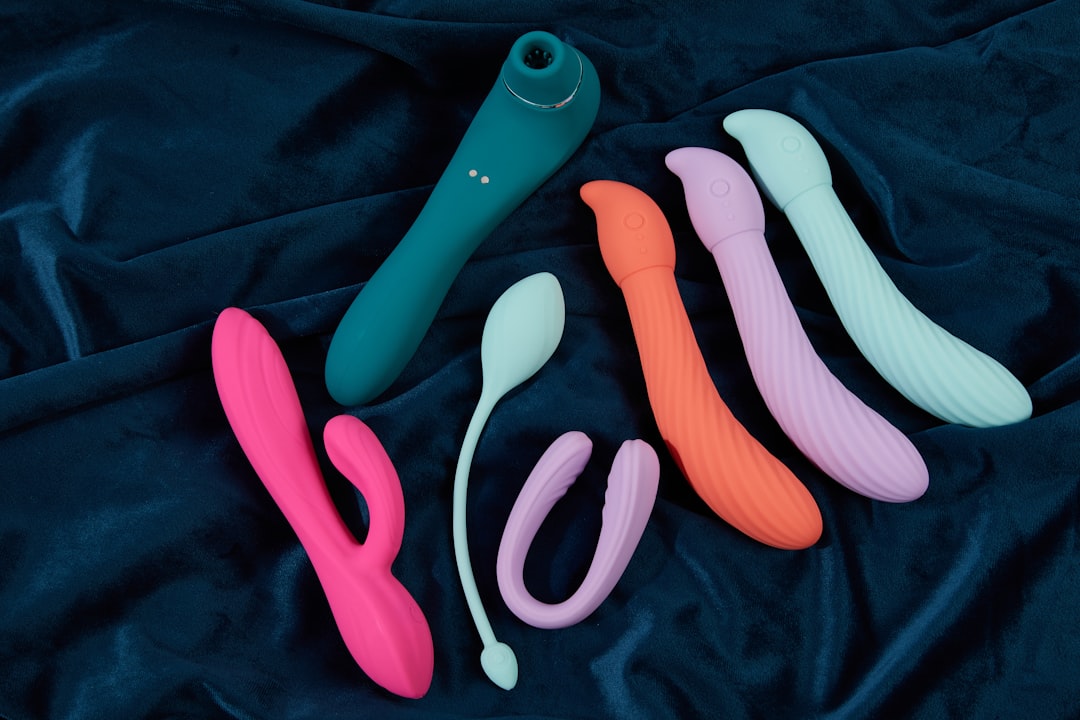
Let's be clear: price alone isn't the villain here. The real issue is materials. And cheap toys almost always use cheap materials.
The biggest offender is a category called "jelly rubber" or "PVC" toys. These are made pliable with a class of chemicals called phthalates. Research published in a 2024 study in the journal Chemosphere found that phthalates can leach out of sex toys during use, and some phthalate compounds are classified as endocrine disruptors, meaning they interfere with your hormone system. That's not a scare tactic. That's a documented chemical reaction happening against your body's most absorbent tissue.
Phthalates aren't the only problem.
Many bargain-bin toys are also made from TPE or TPR (thermoplastic elastomers or rubbers) without any quality control. These materials are porous. That means bacteria, mold, and other microorganisms can hide inside the material itself, not just on the surface. Washing the toy with soap and water doesn't fix this. The contamination lives deeper than your cleaning can reach.
The Porous Problem: Why Cleaning Isn't Enough
Portal surfaces are where things get genuinely icky. A porous sex toy is essentially a sponge for bacteria, yeast, and STI-causing pathogens.
Here's what happens: you use a toy, clean it, put it away. It looks fine. But inside those microscopic pores, residue remains. Next use, that residue has potentially grown. Over time, this can cause recurring yeast infections, bacterial vaginosis, or irritation that you might chalk up to something entirely different. If you've been dealing with mysterious recurring infections, your toy material might be worth investigating.
No amount of scrubbing fully sterilizes a porous toy. You simply cannot reach what lives inside.
What Safe Materials Actually Look Like

The good news? Body-safe materials absolutely exist, and once you know what to look for, shopping gets a lot simpler.
Medical-grade silicone is the gold standard. It's non-porous, hypoallergenic, flexible, easy to sterilize (you can boil it or run it through the dishwasher), and holds up to repeated use without degrading. It doesn't leach chemicals, it doesn't harbor bacteria inside, and it feels genuinely good against skin. Borosilicate glass and stainless steel are also excellent options. They're non-porous, compatible with all lube types, and practically indestructible when used correctly. Hard ABS plastic (the same used in many household electronics) rounds out the safe list.
Materials to avoid include jelly rubber, PVC, "cyberskin", "ultraskin", and any toy that lists its material vaguely as "rubber" or "novelty material."
That vague labeling is often intentional.
If a brand can't tell you what their toy is made from, treat that as a red flag rather than a quirk. Body-safe brands are proud of their materials. They list them clearly because transparency is part of the value they're offering. If you want to go deeper on this, our guide on body-safe sex toy materials walks through exactly what to look for (and what to quietly bin).
The "It Smells Weird" Red Flag

Trust your nose on this one.
If you open a toy and it has a strong chemical smell, that smell is the phthalates and other plasticizers literally off-gassing into the air. What you smell, your body also absorbs. A toy that smells strongly of rubber, chemicals, or plastic isn't just unpleasant. It's communicating something real about what it's made of. Body-safe silicone toys have virtually no scent at all. Glass and steel have no scent. If your toy smells like a new shower curtain, it probably shares ingredients with one.
This smell test is one of the easiest ways to screen a toy before it gets anywhere near your body.
What About Cheap Batteries and Motors?
Material safety gets most of the attention, but cheap electrical components deserve a mention too.
Low-quality motors can overheat. Poor battery compartments can corrode and leak. USB charging toys made with substandard cables and charging circuits can be a fire risk if left charging unattended. These risks are less common than material toxicity, but they're real. A good rule of thumb: if a toy feels hot during use (not warm, but genuinely hot), stop using it immediately.
Spending a little more often means a motor that lasts, a charge that holds, and a product that was designed by people who thought about the person using it.
How to Shop Smart Without Spending a Fortune
Being safe doesn't mean spending hundreds of dollars. It means knowing where to look.
Start with the material label. "100% medical-grade silicone" should appear explicitly, not just "silicone-like" or "silky soft." Look for brands that publish their certifications or testing information. Vibrators for women from dedicated pleasure brands tend to be transparent about materials because their customers are asking for it. The Lem Clitoral Massager, for example, is made with body-safe materials and comes from a brand that actually discloses what it is. That kind of transparency shouldn't be rare, but it still is in many corners of the market.
Also consider the retailer. Buying from a curated adult retailer is very different from buying from a general marketplace where anyone can list anything with any description they want.
If a deal looks too good to be true, your body is probably paying the difference somewhere.
One More Thing: Lube Compatibility
Even a body-safe toy can become a problem if you use the wrong lube with it.
Silicone-based lubricants can degrade silicone toys over time, making them break down, become sticky, and release particles you don't want inside your body. Always use water-based lube with silicone toys. Glass and metal toys are compatible with all lube types, which is one of the reasons a lot of people love them. If you're exploring something like the Kalii Glass G-Spot Dildo, you have complete lube freedom. That's a practical plus, not just a luxury.
Wrapping Up
Your body deserves better than a mystery material and a vague ingredient list. Cheap sex toys aren't dangerous because they're cheap exactly. They're dangerous because the corners that get cut are the ones that matter most: materials, testing, and transparency. Once you know what non-porous, body-safe materials look and smell like, you can shop confidently at almost any price point. Start with the label. Trust your nose. Buy from brands that are proud of what they make.
Clitoral vibrators made with medical-grade silicone exist at accessible price points. Couples toys from reputable brands offer the same reassurance. You don't have to choose between your budget and your safety. You just have to know where to look.
Want to make your journey even more exciting? I've handpicked some amazing toys and goodies at Hello Nancy that'll add extra sparkle to your intimate moments. (Here's a little secret. Use 'dirtytalk' for 10% off!)
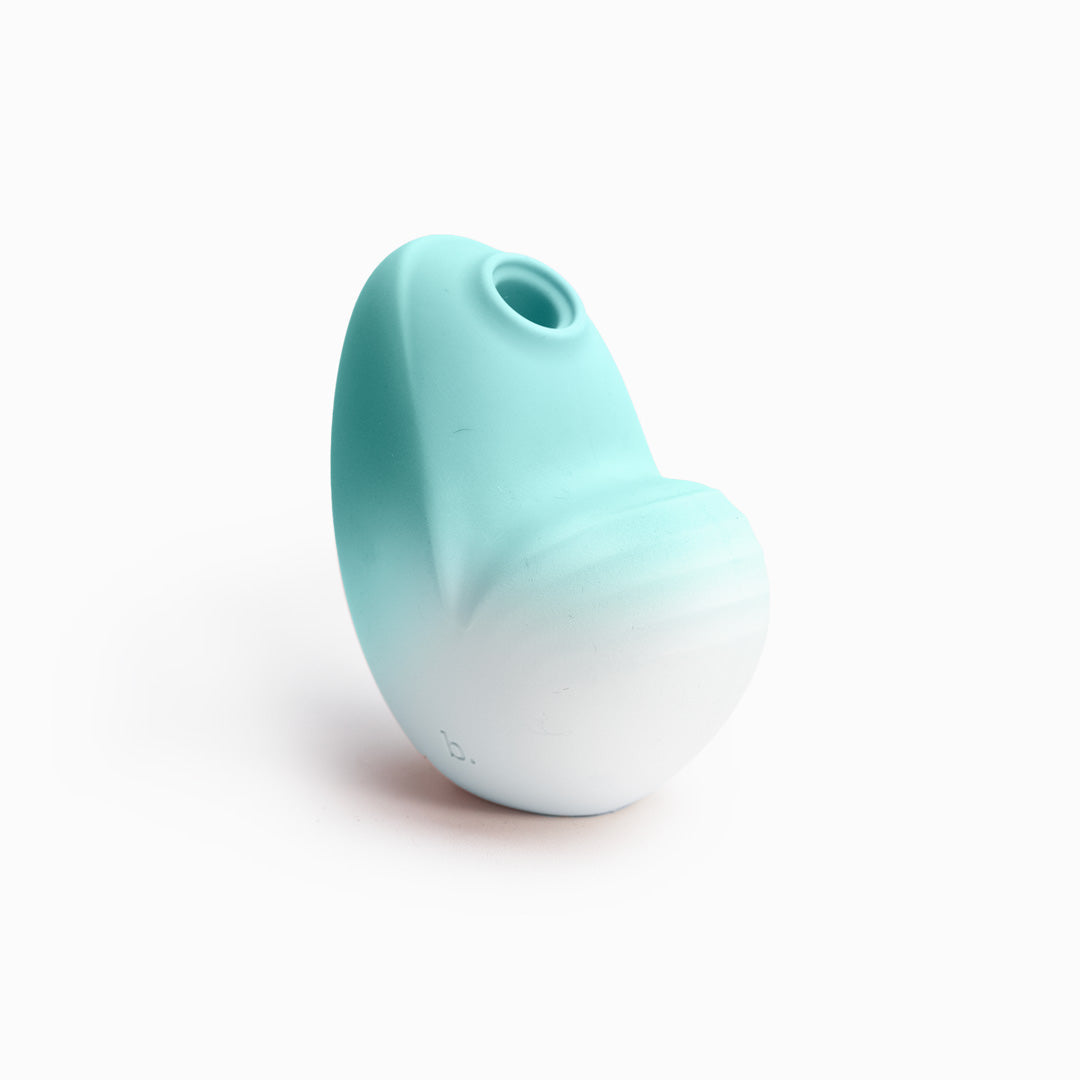
The Namii 2 is a beautiful example of what body-safe design actually looks like: medical-grade silicone, clearly labeled, from a brand that publishes its material specs. It's a dual-action clitoral suction toy that delivers on both safety and sensation, which is exactly the combination your body deserves.
Frequently Asked Questions
Are cheap sex toys from Amazon or AliExpress safe to use?
Not reliably, no. Many toys on general marketplaces use vague material labeling like "rubber" or "novelty material" because they contain phthalates, PVC, or other potentially harmful compounds that reputable brands would never disclose proudly. If the toy doesn't clearly state "100% medical-grade silicone," borosilicate glass, stainless steel, or ABS plastic, approach with caution.
What are phthalates and why are they dangerous in sex toys?
Phthalates are chemical plasticizers added to soft rubber and PVC toys to make them flexible. They're classified as endocrine disruptors, meaning they can interfere with hormone function in the body. Because sex toys contact highly absorbent mucous membranes, the exposure risk is higher than with other consumer products.
Can a porous sex toy cause infections?
Yes. Porous materials like jelly rubber and low-quality TPE harbor bacteria, yeast, and pathogens inside the material itself. These cannot be fully removed by surface cleaning. Repeated use of porous toys can cause or worsen recurring infections including bacterial vaginosis and yeast infections.
How can I tell if a sex toy is body-safe without testing it in a lab?
Start with the smell test: body-safe silicone, glass, and metal have almost no scent. A strong chemical or rubber smell is a warning sign. Next, check the material label for explicit terms like "100% medical-grade silicone" or "borosilicate glass." Finally, buy from dedicated pleasure brands that publish their material information openly rather than general marketplace sellers.
What lube should I use with silicone sex toys?
Always use water-based lubricant with silicone toys. Silicone-based lubes can degrade the surface of silicone toys over time, causing breakdown and stickiness. Glass and metal toys are compatible with all lube types including silicone-based and oil-based formulas.
Is TPE or TPR safe for sex toys?
It depends heavily on the quality and formulation. TPE and TPR are porous materials by nature, which means they can't be fully sterilized. High-quality TPE from reputable manufacturers may be free of phthalates, but the porous quality remains a hygiene concern. For the highest safety, medical-grade silicone remains the preferred choice.
Are sex toys regulated by any government body?
In most countries, no. Sex toys are typically classified as "novelty items" rather than medical devices, which means they bypass the safety testing requirements applied to other consumer products. This is precisely why material literacy matters: you can't rely on a regulatory body to vet what's on the shelf.
What are the safest sex toy materials to buy?
The four universally accepted body-safe materials are 100% medical-grade silicone, borosilicate glass, surgical stainless steel, and hard ABS plastic. All four are non-porous, easy to clean, and free from the plasticizers found in cheaper materials. When in doubt, stick to one of these four.