Add ¥1,938 to get Free Gift


Some of us walked into our first sexual experiences carrying a body that didn't quite feel like ours yet. That's not a small thing. And nobody was handing out maps.
Gender-affirming sex is about building intimacy that fits you — your body, your language, your comfort level, your pleasure. It's not a checklist. It's a conversation you have with yourself first, and then with the people you choose to be close to.
What "Gender-Affirming" Actually Means in Bed

Let's get this straight right away. Gender-affirming intimacy isn't a niche concept reserved for people in transition. It's the idea that sex should work with your gender identity, not against it. For transgender, nonbinary, and gender-nonconforming people, this often means actively negotiating which parts of the body get touched, how they're touched, and what language gets used in the process. But honestly? Every person benefits from this framework. Knowing what makes you feel seen and respected in intimate spaces is just good sex practice.
Research published in the Archives of Sexual Behavior found that gender dysphoria significantly impacts sexual engagement and satisfaction for many trans masculine and nonbinary individuals. That's not surprising. When your body feels misaligned with who you are, the vulnerability of sex can amplify that disconnect in painful ways. The antidote isn't avoidance. It's intention.
So what does intention look like here?
The Language of Your Body: Naming Things Your Way

Words carry weight, especially in intimate moments. One of the simplest and most powerful acts in gender-affirming sex is using the body language that feels right to you. Some people prefer "chest" over "breasts." Some prefer entirely personal terms for their genitals. Some want parts of their body simply not acknowledged at all during sex.
This isn't about being difficult. It's about not being pulled out of the moment by a word that jars.
Sexual health educator and therapist Rae McDaniel, a gender and sex therapist based in Chicago, emphasizes that partners who take the time to learn preferred anatomical language help create an environment where trans and nonbinary people feel genuinely safe. As Gay Times reported in their coverage of gender-affirming intimacy, "people can feel quite alienated" if a partner treats their body as something to be figured out rather than celebrated. Getting the language right is step one. It costs nothing and changes everything.
If you're the non-trans partner here, ask before the moment, not during. A simple "Is there anything you'd like me to call different parts of your body?" said outside the bedroom is one of the sexiest things you can do. Curious, not clinical.
Mapping Comfort: Which Parts of the Body Are In Play

Not every body part needs to be part of sex. Full stop. Gender-affirming intimacy often involves a conscious conversation about which zones are welcome and which aren't. This can change session to session, too, and that's completely normal.
For many trans and nonbinary people, certain body parts can be sources of dysphoria that flare unpredictably. What felt okay last week might not feel okay today. Building flexibility into your sexual dynamic isn't a flaw in the relationship. It's actually a sign of real trust.
Practical things that help: keeping some clothing on, using a binder or chest binder during intimacy if that's affirming, dimming lights, or focusing stimulation on areas that feel fully comfortable. There's no rule that says everything must be accessible all the time. Great sex can happen with enormous creativity and with gentle, thoughtful boundaries.
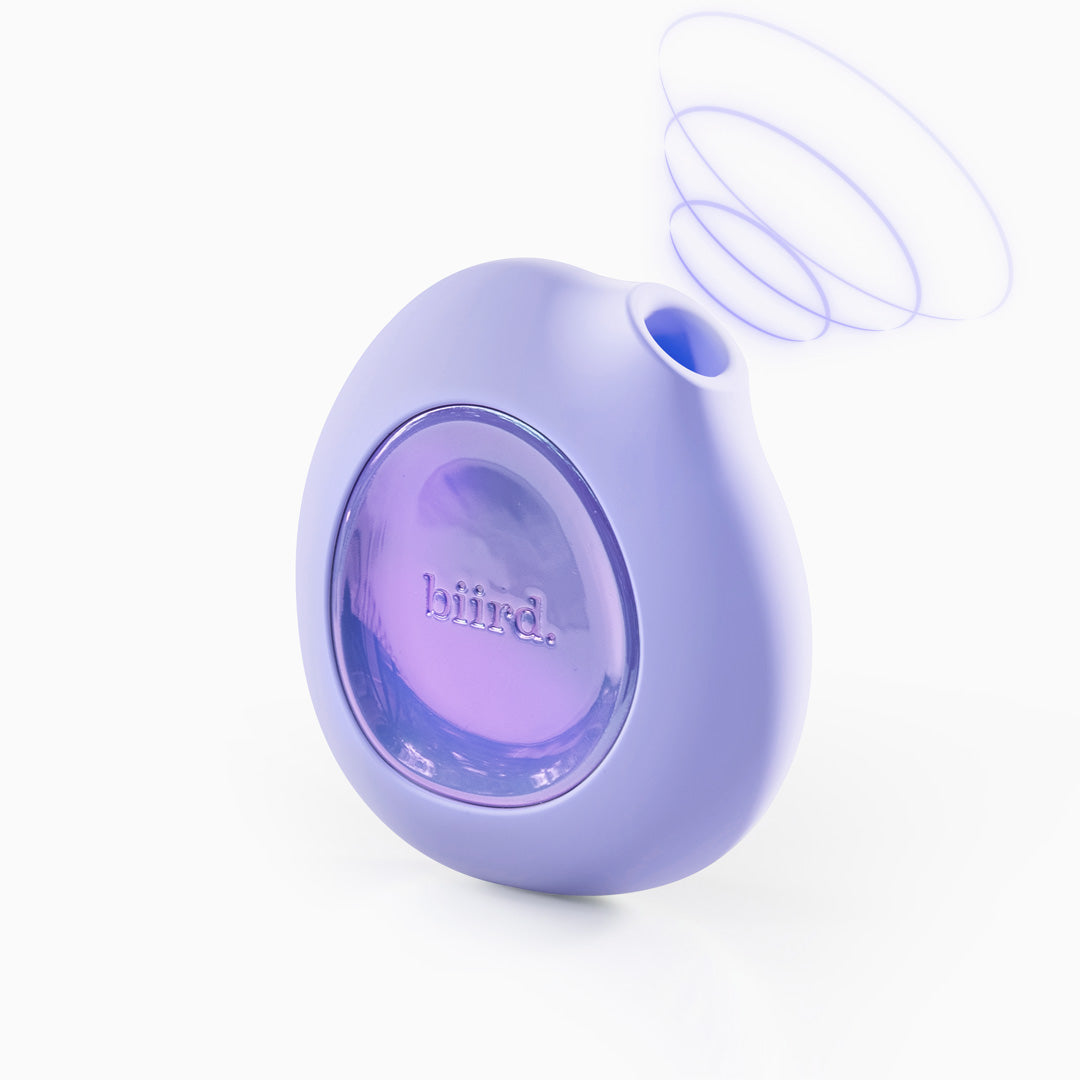
If you're exploring vibrators for women or any toy alongside gender-affirming intimacy, look for tools that can be used externally, that don't require positioning the body in ways that feel exposing, or that center the kind of stimulation you actually want. The Lumii clitoral suction stimulator is a lovely example of a contactless clitoral toy that works beautifully without requiring a specific anatomical framing. Pleasure that's yours, on your terms.
Talking to Your Partner: The Conversations Worth Having

Here's where most people stall. The conversation feels too serious, too clinical, too much like it'll kill the vibe. But here's the thing about honesty with a partner you trust: it almost always deepens intimacy rather than disrupting it.
Start small. You don't need a formal debrief. Before intimacy, a quick check-in that sounds like "I want this to feel good for both of us, is there anything on your mind before we start?" opens space without pressure. After sex, a gentle "How was that for you?" matters more than most people realize. You're building a feedback loop together, one that makes the next time better and the time after that even better still.
For trans and nonbinary people communicating their needs, it helps to know you're not responsible for educating your partner on all things gender during sex. Your partner can (and should) read, research, and come informed. Your job in the moment is just to communicate your experience, not to manage theirs. If a partner reacts with confusion or discomfort to reasonable requests about your body, that's important information about the relationship itself.
And if you haven't had a chance to read about getting in the mood when you're struggling, that post offers genuinely grounded tools that pair beautifully with what we're exploring here.
Solo Intimacy as Affirmation Practice

Solo sex is often where gender-affirming intimacy begins. Before you can communicate your needs to a partner, it helps to know them yourself. Masturbation for trans and nonbinary people can be an act of profound self-discovery. It can also be complicated by dysphoria, by inherited shame, or by simply not knowing where to start.
Give yourself permission to explore with zero performance pressure. Use whatever clothing, props, lighting, or fantasies make your body feel like yours. Try toys that focus on sensation rather than anatomy. Clitoral vibrators are a brilliant starting point because they deliver pleasure without requiring you to engage with parts of yourself that might feel complicated right now. Pleasure doesn't have to be earned through discomfort first.
If your relationship with your body has been fraught, be patient with yourself. This kind of exploration is genuinely slow work sometimes, and that's okay.
Toys, Tools, and What Actually Helps

The right toy can be genuinely transformative for gender-affirming intimacy. And the wrong one can feel alienating. So how do you choose?
Focus on function over form. Look for toys that stimulate sensation rather than replicate anatomy. A tapping clitoral massager like Berri works beautifully here because it delivers rhythmic stimulation without positioning you into a particular gendered framework. If you're exploring with a partner and want something you can enjoy together, couples toys designed for shared pleasure offer a lot of flexibility regardless of what bodies are involved. The goal is always the same: sensation that feels good, in a body that feels like yours.

For partners looking to be genuinely supportive: let the trans or nonbinary person in your life lead. Follow their cues. Ask clarifying questions before sessions, not during. Celebrate whatever brings them pleasure without attaching it to body parts or gender narratives.
Gender Euphoria: The Opposite of Dysphoria, and How to Chase It

We spend a lot of time talking about managing dysphoria. Let's talk about the opposite. Gender euphoria is that warm, electric feeling of being fully, viscerally yourself. It happens during sex when a partner uses the right name for a body part, when you look in the mirror and see you, when sensation maps onto identity in a way that feels completely aligned.
Chasing euphoria is a completely valid sexual goal. More than that, it's a worthy one.
You can actively cultivate it. Figure out the conditions under which you feel most like yourself. Is it a certain kind of lighting? A specific role you play? Language a partner uses? Clothing you keep on? Once you identify those conditions, building them into your intimate life isn't indulgent. It's intentional pleasure design. You deserve that.
When Dysphoria Shows Up Uninvited

Sometimes, despite all the preparation, dysphoria arrives mid-intimacy anyway. It can feel like a sudden emotional wall. Like the wind going out of the room.
That's not failure. It's your nervous system flagging something, and it deserves a kind response, not frustration. Having a plan helps: a safe word or signal with your partner, an agreement that either person can pause without it being A Big Thing, a post-pause check-in ritual that feels gentle rather than interrogative. These aren't emergency protocols for broken relationships. They're infrastructure for good ones.
And afterwards, if you need time alone, or to talk, or to just watch something comforting on TV together — that's valid recovery. Intimacy includes the space around sex, not just the act itself. If you find that dysphoria is consistently disrupting your intimate life, working with a gender-affirming therapist or sex therapist can genuinely help. That's not a last resort. It's smart self-care.
Wrapping Up: Your Pleasure Belongs to You
Gender-affirming intimacy isn't a destination you arrive at. It's an ongoing practice of knowing yourself, communicating honestly, and choosing partners who show up with curiosity instead of assumptions. You don't have to have everything figured out before you deserve good sex. You just have to be willing to advocate for your own experience, one honest conversation at a time.
Your pleasure matters. Not theoretically. Right now, in the body you have today.
Want to make your journey even more exciting? I've handpicked some amazing toys and goodies at Hello Nancy that'll add extra sparkle to your intimate moments. (Here's a little secret — use 'dirtytalk' for 10% off!)
Frequently Asked Questions
What does gender-affirming sex mean for transgender people?
Gender-affirming sex means building intimate experiences that align with a person's gender identity rather than working against it. This can include using preferred body language, deciding which body parts are involved, and creating conditions where a person feels seen and comfortable. It's a practice of intentional pleasure, not a fixed rulebook.
How do I ask my trans partner what they're comfortable with sexually?
Ask before the moment, not during. A calm, curious conversation outside the bedroom works best. Try something like "Is there anything you'd like me to know about how you like to be touched, or words you prefer?" Keep it open, warm, and pressure-free. Then actually listen and remember what they share.
Can gender dysphoria affect sexual pleasure and arousal?
Yes. Research confirms that gender dysphoria can significantly impact sexual engagement and satisfaction. When the body feels misaligned with identity, intimacy can amplify that disconnect. But with the right communication, language, and boundaries in place, many trans and nonbinary people build deeply satisfying intimate lives.
What are the best sex toys for gender-affirming intimacy?
Focus on toys that center sensation over anatomy. External clitoral stimulators, suction toys, and compact vibrators are popular because they deliver pleasure without requiring engagement with body parts that might feel dysphoric. Look for tools that give you control over intensity, placement, and stimulation type.
What is gender euphoria and how can I experience it during sex?
Gender euphoria is the opposite of dysphoria. It's that warm, full-body feeling of being completely yourself. During sex, it can be sparked by a partner using the right language, wearing affirming clothing, or simply feeling fully seen by someone. You can actively cultivate it by identifying what conditions make you feel most like yourself and intentionally building them into your intimate life.
How do I handle gender dysphoria that appears during sex?
Having a plan helps enormously. Agree on a safe word or signal with your partner before things start, and make sure pausing is treated as completely normal. Aftercare matters too. Give yourself time to decompress, talk if you want to, or simply rest. If dysphoria consistently disrupts your intimate life, a gender-affirming sex therapist can offer real, practical support.
Do nonbinary people need gender-affirming practices during intimacy?
Absolutely, yes. Gender-affirming intimacy applies to anyone whose gender identity doesn't align with how they're typically perceived or treated. For nonbinary people this can mean negotiating specific language, touch, and roles that feel right. Every body and every identity deserves sex that respects who they are.
Can masturbation help with gender affirmation?
Yes, and powerfully so. Solo exploration lets you figure out your own needs without any performance pressure. You can experiment with lighting, clothing, language, and sensation on your own terms. It's often the first place trans and nonbinary people discover what kind of touch actually feels affirming to them.