Add £9.00 to get Free Gift



Somebody had to say it out loud, so here we are. The curiosity has been there for a while. You've googled it at midnight, closed the tab, and then googled it again.
And honestly? You're in very good company. Research suggests that around 45 to 60% of the general population has fantasized about at least one BDSM-related activity (Pitagora, 2013). The fantasy is common. The confusion about where to start is even more common.
This guide is here to fix that.
What Actually Is BDSM? (Let's Get the Basics Right)

BDSM stands for Bondage & Discipline, Dominance & Submission, and Sadism & Masochism. It's an umbrella covering a huge range of activities, from very mild sensory play all the way to more structured power dynamics.
The three letters you actually need to memorize first aren't B, D, or S. They're S, S, and C: Safe, Sane, and Consensual. Everything in this world is built on those three pillars. Without them, it's not kink. It's just harm.
Consent is the engine. A safe word is the brake. You need both before you touch a single piece of equipment.
Why a Starter Kit Approach Actually Works

Jumping straight into the deep end is the fastest way to have a bad time. A starter kit approach lets both partners explore curiosity at a low-stakes pace, building communication and trust with each new thing you try. It's not about limiting yourself. It's about building a foundation that makes the whole thing actually enjoyable rather than awkward.
Think of it like learning to cook. You don't start with a five-course tasting menu. You start with scrambled eggs and a decent pan.
Your kit doesn't need to be expensive, elaborate, or intimidating. It needs to be intentional.
The Essentials: What Belongs in Every Beginner's BDSM Kit

Soft Restraints: Start Gentle, Not Rigid
Velcro cuffs or satin ties are the go-to starting point for bondage beginners. They're adjustable, they can't cut off circulation the way rope can if used carelessly, and they release instantly if either partner gets uncomfortable. Metal handcuffs look great in movies and are genuinely terrible in practice for first-timers. They can pinch, they can tighten, and fumbling for a tiny key under pressure is nobody's idea of a good time.
Start soft.
A Blindfold: The Easiest Sensation Hack
Removing one sense amplifies everything else. A simple satin blindfold is probably the most accessible piece of sensory deprivation gear you can own. It costs almost nothing, requires zero skill, and immediately changes the energy in a room.
The receiving partner can't anticipate what's coming next. That uncertainty is exactly the point.
A Tickler or Sensation Tool: Light Before Heavy
Feather ticklers, soft silicone floggers, or even just an ice cube work beautifully here. Sensation play explores the full spectrum between pleasure and mild discomfort, and starting light lets you map each other's responses before escalating anything. There's so much information you can gather from running a feather across skin.
You're basically doing research. Fun research.
A Reliable Vibrator: Because Pleasure Is the Whole Point
Here's something people often forget about BDSM scenes. Pleasure is still the goal. Power play and physical sensation work best when they're building toward something good, not just intense. Adding a quality vibrator to your kit keeps genuine pleasure central to everything you're doing. A clitoral vibrator is one of the most versatile tools you can have in any kit, BDSM-adjacent or not.
If you want a product that genuinely delivers here, the Berri edging clitoral massager is worth your attention. Its tapping and vibrating combination is well suited to drawn-out, teasing scenes where edging is part of the dynamic.

Building tension slowly with sensation is genuinely what BDSM beginners often don't realize is available to them. The women's vibrators category has a lot of options that work beautifully within a power-play context, so don't overlook this piece of the kit.
A Safe Word: Not a Toy, But the Most Important Item in the Kit
This isn't optional. A safe word is a pre-agreed signal that pauses or stops the scene immediately, no questions asked, no ego involved. The classic system is a traffic light: Green means keep going, Yellow means slow down, Red means stop completely. Simple, memorable, and effective under pressure.
Some pairs also use a physical signal, like dropping a held object, for situations where speech isn't possible. Plan it before you need it.
Things to Skip When You're Just Starting Out
Rigid metal restraints without quick-release mechanisms are a skip. So are nipple clamps with no tension control, heavy impact tools like thick paddles or canes, and anything involving the neck area. These require significantly more knowledge about anatomy and safety before they belong in anyone's kit.
Leave them for later.
It's also worth skipping gag devices early on. A gag removes the ability to use a vocal safe word, which means you need a very robust non-verbal alternative already established and practiced. That's not a beginner conversation.
Communication Before, During, and After a Scene

Negotiation before a scene isn't unsexy. It's actually one of the most intimate things you can do with a partner. You're explicitly saying: here's what I want, here's what I'm curious about, here's where my limits are right now. That kind of radical honesty is rare in most relationships.
Aftercare matters just as much as the scene itself. Some people need physical closeness after intense play. Others need space, water, a snack, or just a quiet moment. Talk about it ahead of time. Don't assume.
If you want to explore the psychological dimensions of what can happen after an intense scene, our deep-dive on sub drop is genuinely helpful reading for anyone new to power dynamics.
Materials, Hygiene, and Toy Care
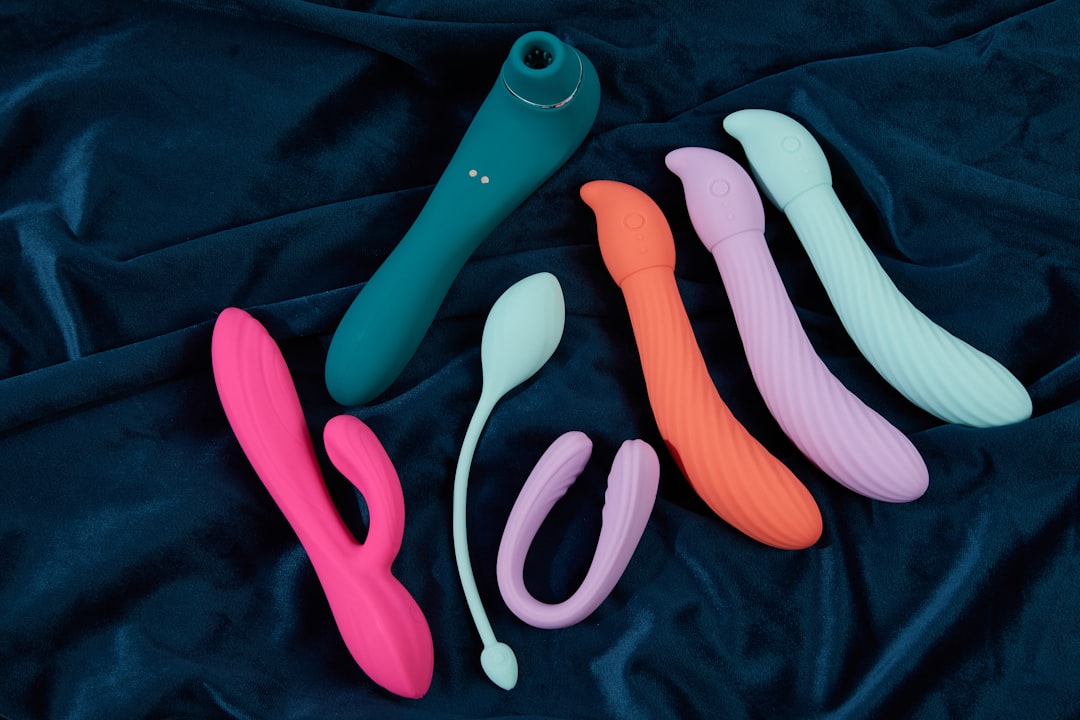
Body-safe materials are non-negotiable, even in a budget kit. Look for silicone, ABS plastic, stainless steel, and borosilicate glass. Avoid anything described as "jelly" or "rubber" without further specification. These materials are porous, harbour bacteria, and can cause irritation even with regular cleaning.
Clean restraints between sessions. Wipe down hard toys with a toy-safe cleaner or mild soap and water. Store everything in separate pouches if possible, because material cross-contamination is a real thing. This isn't overthinking. It's just hygiene.
Building Slowly: How to Expand Your Kit Over Time
Once you've worked through your starter essentials and feel genuinely comfortable with communication, consent, and basic safety, you can start to add. Light bondage tape, a small paddle, temperature play tools, or a remote-controlled panty vibrator for power-play scenarios outside the bedroom are all natural next steps for curious explorers. The couples toys collection is a great place to browse when you're ready to level up together.
There's no rush. The best kit is one you've actually used, talked about afterward, and refined based on what you both discovered.
Every piece you add should come with a conversation.
Bottom Line
BDSM isn't a niche for a specific type of person. It's a broad spectrum of play that millions of people enjoy safely every day. The beginner's job isn't to figure it all out at once. It's to pick a few low-stakes tools, communicate honestly, and pay attention to how both partners actually respond. That's it.
Start small. Communicate often. Adjust as you go. The rest follows naturally.
Want to make your journey even more exciting? I've handpicked some amazing toys and goodies at Hello Nancy that'll add extra sparkle to your intimate moments. (Here's a little secret. Use 'dirtytalk' for 10% off!)
Frequently Asked Questions
What is the best BDSM starter kit for absolute beginners?
A good beginner BDSM kit includes soft velcro restraints, a satin blindfold, a sensation tickler, and a reliable vibrator. Add a clearly agreed-upon safe word system before anything else. Keep it simple and build gradually as your communication and comfort grows.
Is BDSM safe for beginners with no experience?
Yes, when approached with proper communication and safety guidelines. Starting with mild, low-risk activities like blindfolds and light restraints keeps the risk minimal. The key is always having a safe word, checking in regularly, and never skipping the pre-scene negotiation conversation.
What is a safe word and why does every beginner need one?
A safe word is a pre-agreed signal that immediately pauses or stops a BDSM scene. It exists so either partner can exit the dynamic at any moment without ambiguity. The traffic light system (Green/Yellow/Red) is the most commonly recommended starting point because it's intuitive and quick to use under pressure.
What BDSM toys should beginners avoid?
Beginners should avoid rigid metal restraints without quick-release mechanisms, heavy impact tools like canes or thick paddles, and anything involving the neck. Gags are also best left until a reliable non-verbal safe signal is thoroughly practiced. These items require more anatomical knowledge and communication experience than a first kit demands.
What is aftercare in BDSM and do beginners need it?
Aftercare is the process of caring for both partners emotionally and physically after a scene. It can include cuddling, hydration, quiet time, or reassurance. Yes, beginners absolutely need it. Even mild play can bring up unexpected feelings, and checking in afterward builds the trust that makes ongoing exploration healthy.
How do I introduce BDSM to a partner who has never tried it?
Start with an honest, low-pressure conversation outside the bedroom. Share what you're curious about and ask what they'd be open to exploring. Framing it around mutual pleasure rather than performance takes most of the intimidation out. A blindfold or soft restraints are easy, low-stakes starting points that most people are genuinely comfortable with.
What materials are safe for BDSM toys and restraints?
Body-safe materials include medical-grade silicone, ABS plastic, stainless steel, and borosilicate glass. Avoid porous materials labeled "jelly" or unspecified rubber, as they harbor bacteria and cannot be fully sterilized. For restraints, look for cotton, nylon webbing with velcro release, or genuine leather from reputable sources.
Can BDSM play be done solo without a partner?
Sensory play elements like blindfolds and vibrators can absolutely be explored solo. However, restraints require a second person for obvious safety reasons. Solo exploration is a genuinely useful way to understand your own responses to sensation before introducing a partner to the dynamic.