Add £9.00 to get Free Gift



Some relationships get romanticized into something almost unrecognizable. And 24/7 D/s is right at the top of that list.
If you've stumbled down the rabbit hole of dominant/submissive dynamics and found yourself wondering whether the full-time version is something you actually want, or whether it's even sustainable, this is the article I wish someone had handed me years ago. No fantasy, no judgment. Just the real stuff.
What 24/7 D/s Actually Means (Not the Fantasy Version)

A 24/7 D/s dynamic is exactly what it sounds like. One person holds dominance and the other holds submission, not just during scenes or bedroom play, but as a continuous, lived structure in the relationship. The dominant partner leads. The submissive partner follows. Around the clock, across daily life, through grocery runs and bad days and boring Tuesdays.
Here's what it is not: it's not one person bossing the other around endlessly while the other silently suffers. That's abuse with BDSM branding.
A healthy 24/7 dynamic is built on a foundation of radical consent, explicit negotiation, and what researchers sometimes call "consensual power exchange" (CPE). Dunkley & Brotto (2020) explored how BDSM-identified individuals often engage in more deliberate consent communication than the general population, which makes sense. When you're designing the architecture of your entire relationship around power, you get very precise about the blueprints. The structure has to be agreed upon, regularly revisited, and genuinely wanted by both people at every level.
That word "genuinely" is doing a lot of heavy lifting there.
The Myths That Get People Into Trouble

Let's name the biggest one first: the idea that the dominant partner holds all the power. This gets peddled everywhere from Tumblr to poorly written fiction, and it's categorically false. In a D/s dynamic that functions, the submissive partner holds enormous power. They set the limits. They hold the safeword. They choose to yield, every single day, which means they can also choose to stop.
The dominant role is not a throne. It's closer to a responsibility.
Another myth worth dismantling is the fantasy that 24/7 means intense kink all the time. Real full-time D/s looks a lot like regular life most of the time. One partner might pour the other's coffee every morning. There might be rules around sleep schedules, language, or how certain decisions get made. The power exchange is embedded in routines, not performances. The "scenes" are often small, quiet moments, not theatrical events. If you went in expecting drama every day and got domestic steadiness instead, you'd burn out within months.
And the third myth? That it works without mental and emotional labor. It requires the most intentional communication of almost any relationship structure I've encountered.
Negotiation: The Actual Engine of the Whole Thing

Before a 24/7 dynamic begins, there's a conversation. Then another one. Then several more.
These negotiations cover everything from limits (hard and soft), protocols and rituals, how public behavior is handled, what happens during illness or emotional crisis, how career and social obligations fit in, and how either partner can pause or dissolve the dynamic if needed. Nothing is assumed. Everything is named.
This is where a lot of people rush because the excitement is high and the patience is low. But skipping thorough negotiation in a full-time D/s relationship is like building a house and skipping the foundation. It'll look fine for a while. Then one storm hits.
Revisiting the agreements regularly is just as important as the initial negotiation. Relationships evolve. People change. What felt right at the start of year one might feel constraining or insufficient by year three. Regular check-ins, sometimes called "renegotiations," are what keep the dynamic alive rather than just technically intact.
The Dominant's Side Nobody Talks About

Dominant partners carry a weight that doesn't get nearly enough airtime in mainstream BDSM conversation.
Holding space for another person's submission, consistently, with attentiveness and integrity, is genuinely demanding work. A good dominant is reading their partner constantly. They're tracking energy levels, emotional states, subtle cues that signal all is well or something has shifted. They're making decisions with someone else's wellbeing embedded in every choice. That responsibility doesn't clock out.
Dominant burnout is real. It happens when the emotional labor accumulates without acknowledgment, without reciprocal care, or without enough room for the dominant to have their own vulnerable moments. Submissive partners expressing care, appreciation, and checking in on their dominant's experience isn't "breaking the dynamic." It's what makes the dynamic sustainable.
If you're the dominant in or considering a 24/7 structure, build in your own care needs from the start. Not as an afterthought.
When 24/7 D/s Meets Real Life

Real life does not pause for power dynamics.
Illness, job stress, family emergencies, mental health dips, financial strain: all of these land inside a 24/7 dynamic just as they land inside any relationship. The difference is that in a D/s framework, there needs to be explicit agreement about how the structure bends, or pauses, when life gets heavy.
Many long-term practitioners use what's informally called a "vanilla mode" or a temporary "suspension of protocol." This doesn't mean the relationship itself pauses. It means both people agree that for now, the power structure steps aside to let the humans inside it take care of each other in whatever way they actually need. Some couples find this dissolving and jarring. Others find it the most intimate expression of the dynamic there is, because it proves the structure exists to serve the people, not the other way around.
For couples exploring broader intimacy tools alongside a D/s dynamic, couples toys can add a layer of play to power exchange scenes in a way that feels collaborative and joyful. The Pixie remote-controlled panty vibrator is a genuinely fun example: control handed over in a playful, physical way, and with an off switch always in the submissive's hands.
Green Flags in a 24/7 Dynamic

Not every D/s dynamic deserves the full-time label, and knowing the difference matters.
Healthy 24/7 structures share some common markers. Both partners can clearly articulate what they get from the dynamic, not just what they give. The submissive partner's needs, pleasure, and growth are treated as priorities, not afterthoughts. The dominant partner is consistently self-reflective and welcomes feedback. Safewords or pause systems exist and are genuinely respected. Neither person feels shame or secrecy about the core of what they've built together.
And crucially: both people have a life outside the dynamic. Hobbies, friendships, individual identities. A D/s relationship that swallows a person's entire self wholesale is not a relationship structure. It's enmeshment wearing a collar.
Red Flags That Look Like Depth

Some of the most dangerous dynamics are the ones that sound the most devoted.
"I gave up everything for them" is not a testament to submission. It's a warning sign. "They decide everything for me because I trust them completely" sounds like depth until you ask whether that trust was built slowly over time with evidence, or handed over all at once to someone who demanded it quickly. Speed in power exchange is almost always a red flag, not a sign of rare compatibility.
Watch for dynamics where the dominant's needs are centered entirely and the submissive's needs are framed as the dominant's to manage rather than their own to voice. Watch for structures where the submissive has no functioning exit, emotionally, financially, or socially. And watch for relationships where questioning the dynamic at all is treated as a failure of submission.
If you find yourself reading this and quietly recognizing something, that recognition matters. There are excellent resources and communities that support people navigating complicated D/s situations. You're allowed to look.
Is 24/7 D/s Right for You?

Honest answer? Most people who are drawn to 24/7 D/s are actually drawn to something adjacent: deep intentionality in a relationship, a structure that makes them feel safe or purposeful, a partner who truly sees them in their role.
Those needs are completely valid. And they can absolutely be met without a full-time structure.
Part-time D/s, scene-based power exchange, or simply a relationship with very defined roles in certain areas of life can offer everything that pulls you toward the idea, without requiring the level of sustained negotiation and emotional infrastructure that 24/7 genuinely demands. There's no hierarchy of seriousness here. Choosing a framework that fits your actual life is the sophisticated move.
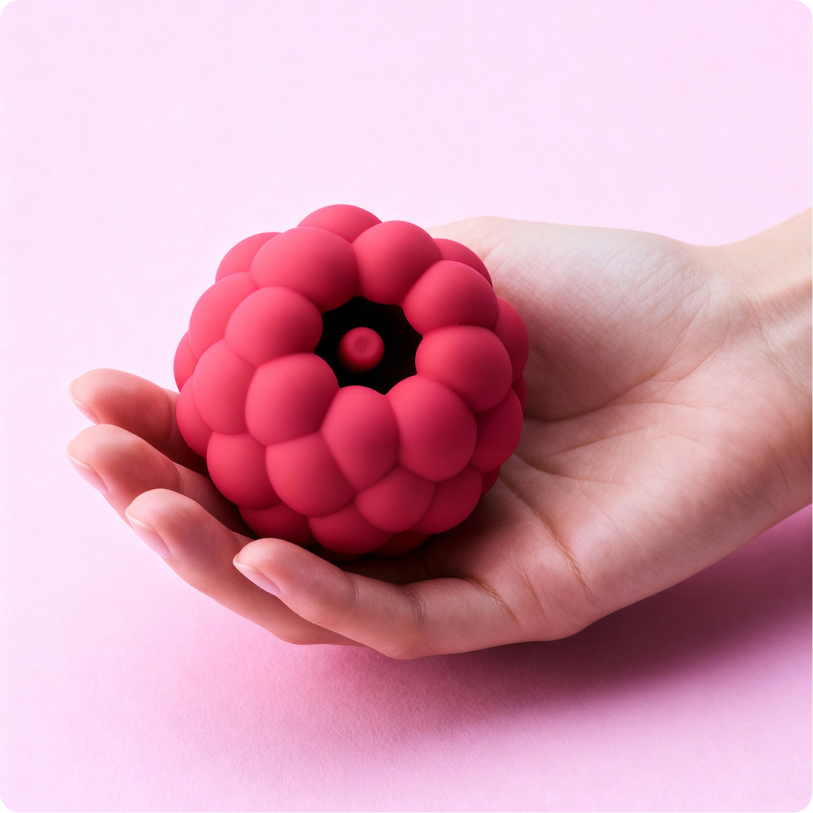
If you do want to explore vibrators for women or other intimate tools as part of your power exchange play, products like the Berri edging clitoral massager are designed with deliberate, controlled stimulation in mind, which maps beautifully onto scenes built around restraint and release.
For those who know this is the path, go slowly. Build the vocabulary before you build the structure. Find community with people who've been living it for years, not just weeks. Read, talk, and above all, keep checking in with yourself and your partner about whether the dynamic is still serving both of you.
The sexiest version of a 24/7 D/s relationship isn't the most intense one. It's the most honest one.
Want to make your journey even more exciting? I've handpicked some amazing toys and goodies at Hello Nancy that'll add extra sparkle to your intimate moments. (Here's a little secret. Use 'dirtytalk' for 10% off!)
Frequently Asked Questions
What is a 24/7 D/s relationship and how is it different from a regular BDSM dynamic?
A 24/7 D/s (dominant/submissive) relationship means the power exchange dynamic is present continuously in daily life, not just during scenes or play sessions. Unlike scene-based BDSM, it shapes routines, decisions, and the overall relational structure around the clock. It requires deep negotiation, ongoing communication, and genuine mutual consent to function well.
Can a 24/7 D/s relationship be healthy long-term?
Yes, absolutely. Long-term 24/7 D/s relationships can be emotionally fulfilling, stable, and deeply intimate when both partners engage with genuine consent, regular renegotiation, and mutual care. The key difference between a healthy dynamic and an unhealthy one is whether both people retain their autonomy, voice, and ability to exit or pause the structure.
How do you negotiate a 24/7 D/s dynamic before starting?
Negotiation should cover hard and soft limits, daily protocols and rituals, how public life is handled, crisis and illness contingencies, and a clear process for pausing or ending the dynamic if needed. Many practitioners write these agreements down and revisit them every few months. Rushing this process is one of the most common mistakes new couples make.
What is dominant burnout in a D/s relationship?
Dominant burnout happens when the dominant partner's emotional labor, decision-making responsibility, and constant attentiveness accumulate without adequate rest, acknowledgment, or reciprocal care. It can lead to withdrawal, resentment, or the collapse of the dynamic entirely. Preventing it requires both partners to treat the dominant's needs as equally important within the relationship structure.
Does a 24/7 D/s relationship mean the submissive has no power?
Not at all. The submissive partner holds significant power: they set the limits, hold the safeword, and choose to yield each day, which means they can also choose to stop. Submission is an active, ongoing choice, not a permanent surrender of agency. A dynamic where the submissive truly has no power is not consensual exchange. It's coercion.
What does vanilla mode mean in a 24/7 D/s relationship?
Vanilla mode is an informal term for temporarily suspending the D/s protocols during illness, emotional crisis, family emergencies, or times when the structure needs to step aside. Both partners agree in advance how and when this happens. It doesn't mean the relationship is broken. It means the structure serves the people inside it, not the other way around.
How do I know if a 24/7 D/s dynamic is right for me?
Ask yourself whether you're drawn to the lived structure itself or to what it represents: safety, intentionality, deep role clarity. Many people find that part-time or scene-based D/s meets those needs without the full infrastructure a 24/7 dynamic requires. If the full-time version genuinely appeals, take time to explore it slowly, build vocabulary, find community, and negotiate thoroughly before committing.
What are red flags in a 24/7 D/s relationship?
Key red flags include rapid demands for total submission before trust is established, a dominant whose needs are always centered while the submissive's are minimized, no functional way to pause or exit the dynamic, and treating any questioning of the structure as a failure of submission. A fast-moving power exchange that skips negotiation is one of the most consistent warning patterns practitioners and researchers identify.