Add 800.40؋ to get Free Gift

Bondage for Beginners
A Gentle Introduction


If the word "bondage" makes you think of dungeons and leather — take a breath. The reality is much gentler, much more common, and much more about connection than you might expect.
Bondage is one of the most widely practiced forms of kink. Research consistently shows that a significant portion of adults have fantasized about being restrained or restraining a partner. If you're curious, you're in very good company.
This guide is for anyone who's thought "I might be into that" but doesn't know where to start. No experience required. No judgment. Just honest, practical information to help you explore safely and confidently.
What Is Bondage, Really?
Bondage is the practice of consensually restraining a partner (or being restrained) for erotic pleasure. That's it. No whips required.
At its core, bondage is about three things:
Trust
Allowing someone to limit your movement requires deep trust. That vulnerability can feel incredibly intimate — often more so than the physical act itself.
Sensation
When you can't move or see, every other sense intensifies. A light touch becomes electric. Anticipation builds in ways that free movement simply can't replicate.
Power Exchange
One person gives up control; the other takes it on. Both roles require intention, communication, and care. Both can be deeply fulfilling.
Bondage exists on a massive spectrum. A silk blindfold during foreplay is bondage. So is elaborate rope work. You get to decide where on that spectrum feels right for you.
Safety First: The Non-Negotiable Rules
Before anything else — safety. This isn't optional. It's the foundation everything else is built on.
Consent Is Non-Negotiable
Consent in bondage must be:
- Enthusiastic — Both partners genuinely want this, not just "going along with it"
- Informed — Both partners understand what's about to happen before it happens
- Ongoing — Consent can be withdrawn at any moment, for any reason, no questions asked
A "yes" at the start doesn't mean "yes" forever. Check in frequently, especially your first few times.
Safe Words: The Traffic Light System
Safe words exist so that "no" and "stop" can be part of play without confusion. The most widely used system:
Green
Everything's good. Keep going.
Yellow
Slow down. Ease up. I need a moment.
Red
Full stop. Everything stops immediately. No exceptions.
Agree on safe words before you begin. Practice saying them out loud — it shouldn't feel awkward when it matters.
Two Frameworks Worth Knowing
SSC (Safe, Sane, Consensual) — The classic framework. Activities should be physically safe, involve sound judgment, and have full consent from everyone involved.
RACK (Risk-Aware Consensual Kink) — Acknowledges that all activities carry some risk. The emphasis is on understanding and accepting those risks together, rather than pretending risk doesn't exist. Many experienced practitioners prefer RACK for its honesty.
The Golden Rule
Never leave a restrained partner alone. Not for a phone call. Not to answer the door. Not for any reason. If someone can't free themselves, you stay with them. Period.
Keep safety scissors within arm's reach whenever you use any kind of binding.
5 Beginner-Friendly Activities to Start With
You don't need gear, experience, or a manual. These five activities are gentle entry points that let you explore power dynamics and heightened sensation with minimal risk.
Blindfolds — The Simplest Entry Point
Remove one sense and the others sharpen dramatically. A silk scarf, a sleep mask, or even a tie works perfectly. The blindfolded partner can't predict what's coming next — a kiss, a touch, a whisper — which creates anticipation that amplifies every sensation.
Start here if: You want something low-commitment that makes a noticeable difference.
Silk Scarves for Light Wrist Restraint
Loosely tying a partner's wrists together (in front of them, not behind) with a silk scarf gives the feeling of restraint without any real restriction. They could pull free if they wanted to. That's the point — it's about the sensation of surrendering control, not actually being trapped.
Key rule: Always fit two fingers between the binding and skin. Never restrict circulation.
Sensation Play — Ice, Feathers, and Fingertips
Sensation play explores how different textures and temperatures feel on skin. Run an ice cube slowly down their spine. Trace a feather across their inner arm. Alternate between warm breath and cool air. When paired with a blindfold, even the lightest touch can feel incredibly intense.
No gear needed. Your kitchen and bedroom already have everything you need.
Power Exchange Through Verbal Commands
Bondage doesn't require physical restraints at all. Telling your partner "don't move your hands" creates psychological restraint — the thrill of obedience, the tension of wanting to move but choosing not to. Give simple, clear directions: "Keep your eyes closed." "Don't make a sound." "Stay exactly where you are."
Why it works: It builds the dynamic without any equipment, letting both partners feel the power exchange.
Using a Timer to Build Anticipation
Set a timer for 5 or 10 minutes. During that time, the restrained or blindfolded partner receives sensation — but doesn't know what's coming or how long it will last. The timer creates a container: a defined beginning and end that makes the experience feel safe and bounded. When the timer goes off, you debrief together.
Why it works: It removes the "how long will this go on?" anxiety that can affect beginners.
Essential Gear Guide for Beginners
You don't need to spend a fortune. Here's what actually matters when you're starting out.
Soft Rope or Silk Ties
Recommended for beginners. Forgiving, easy to untie, less intimidating. Look for braided cotton or bamboo rope — 6mm width is a good starter. Avoid anything too thin (cuts into skin) or too thick (hard to tie).
Blindfolds
A proper blindfold that blocks light completely elevates the experience over a makeshift scarf. Padded satin with adjustable straps won't slip and stays comfortable for extended wear.
Quick-Release Buckles
If you use manufactured restraints, ensure they have quick-release mechanisms. In a moment of panic, pain, or distress, you need to free your partner in seconds — not minutes. Non-negotiable.
Safety Scissors
EMT shears (available at any pharmacy) for cutting rope or fabric in an emergency. Keep them within arm's reach whenever you use any binding. This is not optional equipment.
What to Avoid as a Beginner
- Zip ties or tape on skin — Can cut off circulation, impossible to remove quickly
- Rope around the neck — Never. Not even loosely. Serious risk of injury.
- Anything that restricts breathing — Breath play is the highest-risk activity and should never be attempted by beginners
- Cheap novelty handcuffs — No quick-release, can jam, can injure wrists
- Rigid metal restraints — Can bruise and malfunction. Save these for when you have more experience.
Whatever toys or tools you use, make sure everything is body-safe and properly cleaned before and after each use.
How to Bring It Up with Your Partner
This is often the hardest part — not the doing, but the asking. Here are conversation starters that actually work:
The Casual Opener
"I read something interesting about bondage today. Have you ever been curious about trying anything like that?"
The Desire Framing
"I've been thinking about what it would feel like if you blindfolded me. Would you be open to trying that sometime?"
The Mutual Exploration
"I'd love for us to explore something new together. Could we talk about what kinds of things we're each curious about?"
The Media Prompt
After watching a scene in a show or film: "Did that scene do anything for you? I think I'd be curious to try something like that."
Tips for the Conversation
- Choose a neutral, low-pressure moment (not during or right before intimacy)
- Lead with curiosity, not demands
- Make it clear there's no pressure — "I'd love to, but only if you're genuinely interested too"
- Listen to their response without defensiveness. "Not right now" is a valid answer.
- Start with the mildest version of what you want. A blindfold is an easier yes than a full restraint setup.
Common Fears Addressed
If you've been holding back because of any of these concerns, you're not alone — and the reality is more reassuring than you might expect.
| The Fear | The Reality |
|---|---|
| "Wanting bondage means something is wrong with me." | Completely false. Interest in bondage is a normal variation of human sexuality. Research confirms that people who practice BDSM show no higher rates of psychological issues than the general population. |
| "It always has to be painful." | No. Bondage is about restraint and sensation, not pain. Many bondage activities involve zero pain. Pain play is a separate category that you never have to explore. |
| "One person is always dominant." | Roles are completely fluid. Many couples switch between dominant and submissive roles. Some prefer one role, others enjoy both. There's no rulebook. |
| "It requires expensive gear." | A blindfold and a silk scarf from your dresser drawer cost nothing. The most important tools are communication, trust, and imagination. |
| "If I try it and don't like it, something's wrong." | Not everything is for everyone. Trying something and deciding it's not your thing is healthy self-knowledge, not failure. |
Aftercare: The Most Important Part Nobody Talks About
Aftercare is what happens after a bondage scene ends. It might be the most important part of the entire experience — and it's the part most beginners skip.
After any form of bondage or power exchange, both partners can experience a "drop" — a shift in hormones, a vulnerability hangover, or simply the intensity catching up. Aftercare is the process of bringing each other back to baseline.
Physical Aftercare
- Remove all restraints gently — check for marks, numbness, or discoloration
- Offer water and a light snack (blood sugar can drop)
- Provide a warm blanket — body temperature often drops after intensity
- Gentle physical contact: holding, stroking hair, skin-to-skin
- Check circulation in any areas that were restrained
Emotional Aftercare
- Verbal reassurance: "You were amazing." "I loved that." "You're safe."
- Debrief together: What felt good? What didn't? What would you change?
- Allow space for unexpected emotions — laughter, tears, silence are all normal
- No rushing. Stay present as long as needed.
- Check in the next day. Processing isn't always immediate.
Aftercare is for both partners. The person in the dominant role needs care too — holding space for someone's vulnerability is emotionally demanding. Take care of each other.
Add Sensation to Your Play
Once you're comfortable with the basics of bondage and power exchange, adding a sensation toy can elevate the experience.

The Lem — A Natural Fit for Power Exchange
The Lem by Hello Nancy is designed with 12 intensity levels, meaning the partner in control can tease with level 1 or escalate to level 8 — giving them real control over their partner's pleasure. Combined with a blindfold and light restraints, the unpredictability of when and how it's used creates exactly the kind of heightened anticipation that makes bondage exciting.
Explore the Lem →Pair it with the communication and safety practices from this guide, and you've got a deeply intimate experience built on trust. Just make sure to clean your toys before and after every use.
Frequently Asked Questions
Is bondage safe?
Yes, when practiced with proper communication, consent, safe words, and the safety guidelines in this guide. Start simple, communicate constantly, and never skip aftercare. The key risks come from restricting circulation, leaving a restrained partner unattended, or skipping the conversation about boundaries beforehand.
Do I need to identify as "kinky" to try bondage?
Not at all. Plenty of people incorporate light bondage — like a blindfold during foreplay — into otherwise conventional intimacy. You don't need a label, a lifestyle change, or a leather outfit. A silk scarf and honest communication are all you need.
What if my partner says no?
Respect it completely. Don't pressure, guilt, or ask again immediately. They may come around on their own, or they may not — both outcomes are valid. The conversation itself is a form of intimacy, even if the answer isn't what you hoped for.
Can bondage actually improve a relationship?
Many couples report that the deep communication required by bondage — talking about desires, boundaries, and fears — strengthens their overall intimacy, even outside the bedroom. The trust-building aspect often carries over into other areas of the relationship.
What's the difference between bondage and BDSM?
BDSM is the umbrella term that includes Bondage & Discipline, Dominance & Submission, and Sadism & Masochism. Bondage is one component. You can explore bondage without engaging with any other aspect of BDSM.
Is it normal to feel nervous the first time?
Completely normal. Nervousness is a sign that you care about doing it right. Go slow, communicate openly, and give yourself permission to laugh, pause, or stop whenever you need to. There's no performance standard to meet.





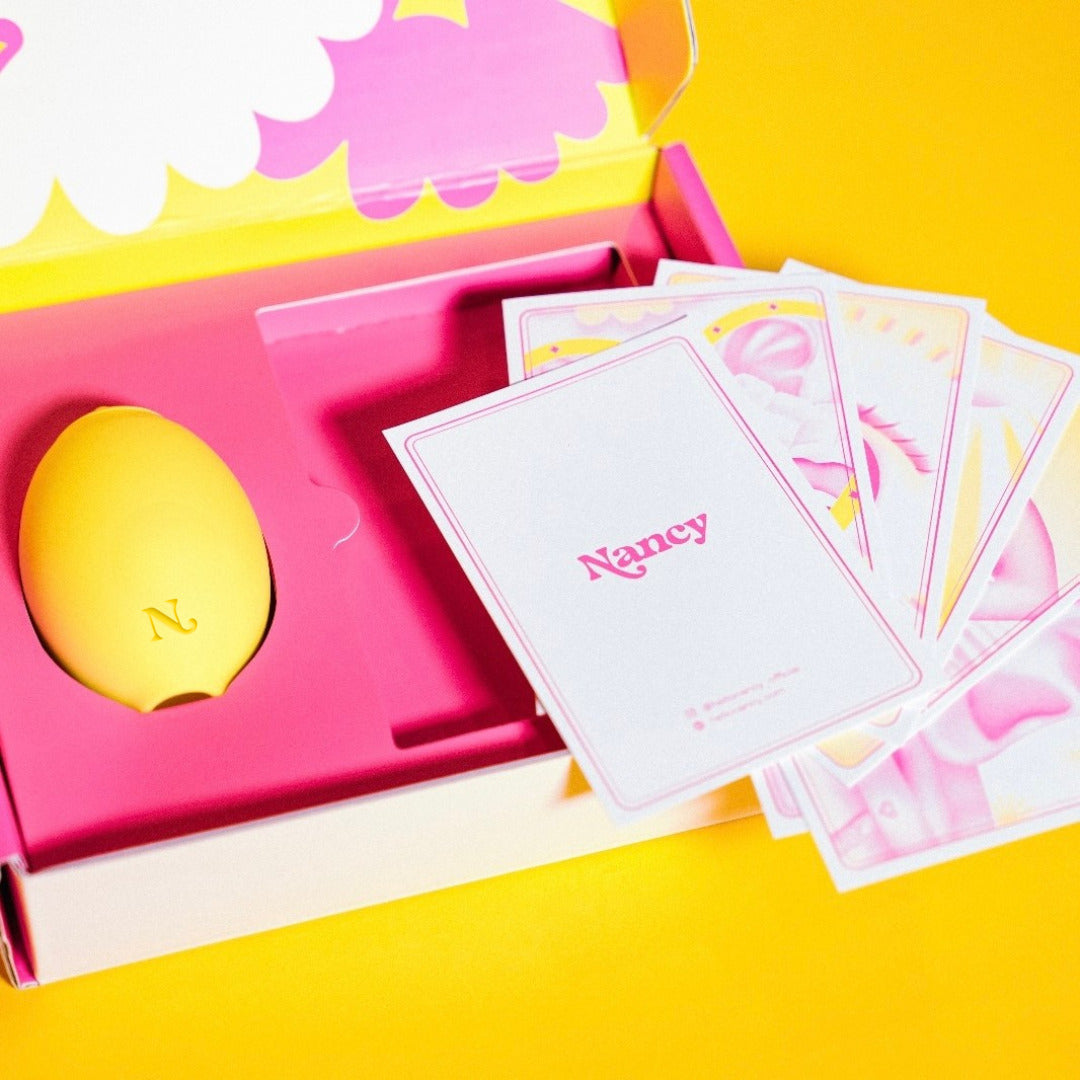


Lem Clitoral Massager
Meet Lem - your zesty new playmate for intimate moments. This clitoral massager is perfect for those exploring air suction bliss for the first time, promising longer, more powerful and deeply satisfying orgasms. This happy little lemon combines pleasure with discretion. Featuring 12 unique intensities and patterns, Lem is an ideal choice for those looking for a fresh twist.
✨ Discreet shipping
✨ 30-day satisfaction guarantee
✨ Limited stock
Specifications:
- Material: Medical-grade silicone
- Waterproof: IPX7
- Battery: Rechargeable via USB-C
- Run time: Up to 60 minutes
- Noise level: < 50dB
- 10 unique patterns
How to use:
- Charge fully before first use
- Apply water-based lubricant
- Press the power button to turn on
- Cycle through modes to find your rhythm
- Clean with warm water and mild soap after use








As someone who values discretion in intimate products, there couldn’t be a more perfect choice. It's quiet, efficient, and the lemon design is a really clever disguise. The suction feature is unlike anything I've tried before and honestly I can’t get enough of it.
TBH, Lem has rocked my world more than a few times now (and even with my husband)! It has definitely made an impression on me... a bit of a wet one too, hehe
I'm addicted. Lem sucks and pulls in the wildest way. It's enough to get you moaning. Then the air suction hits just right, and bam, when you come, it feels like it's drawing the orgasm right out and keeps the throbbing going way longer. Soooo good!
Meet the family
Air-suction pulses designed to find your sweet spot. So good, you'll scream.
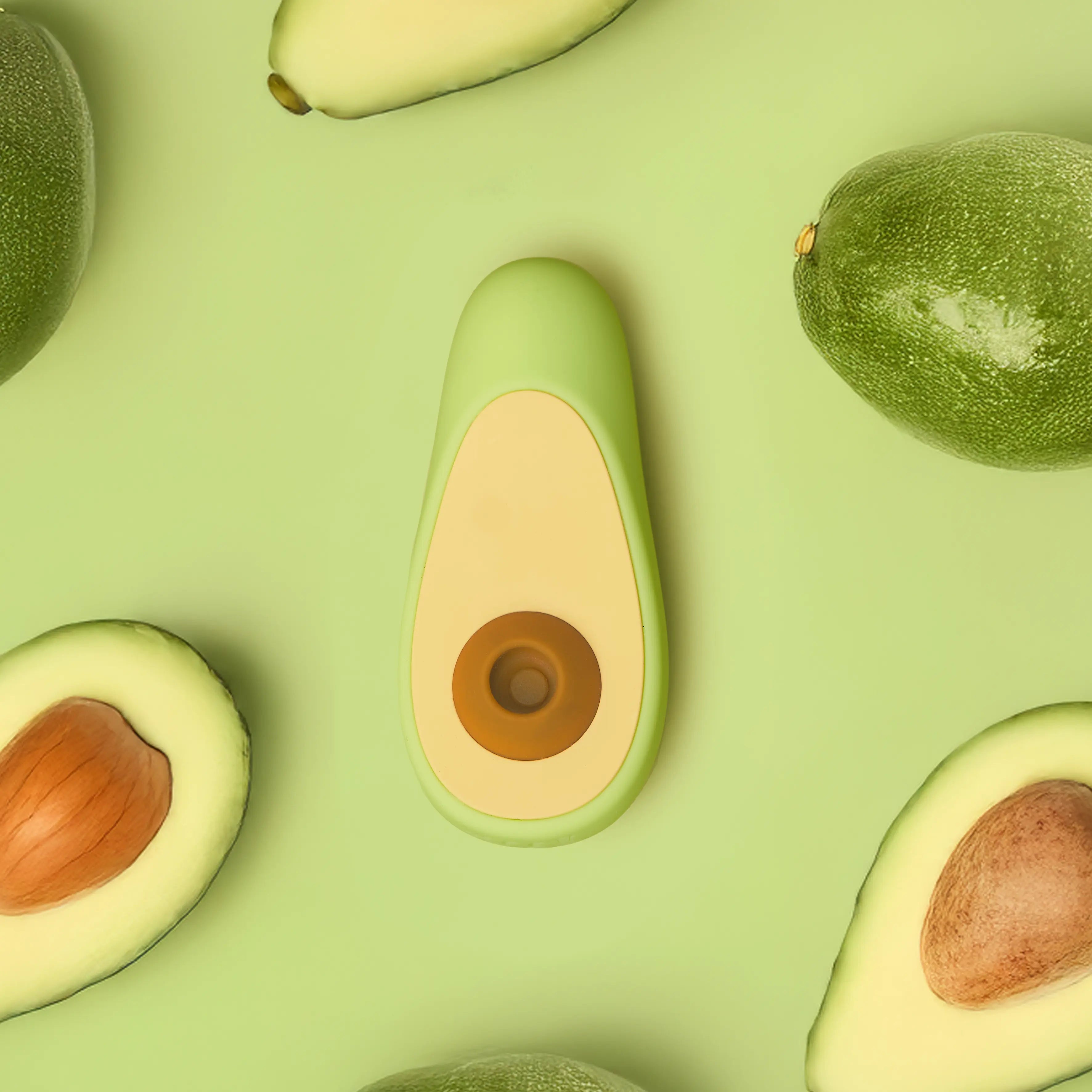
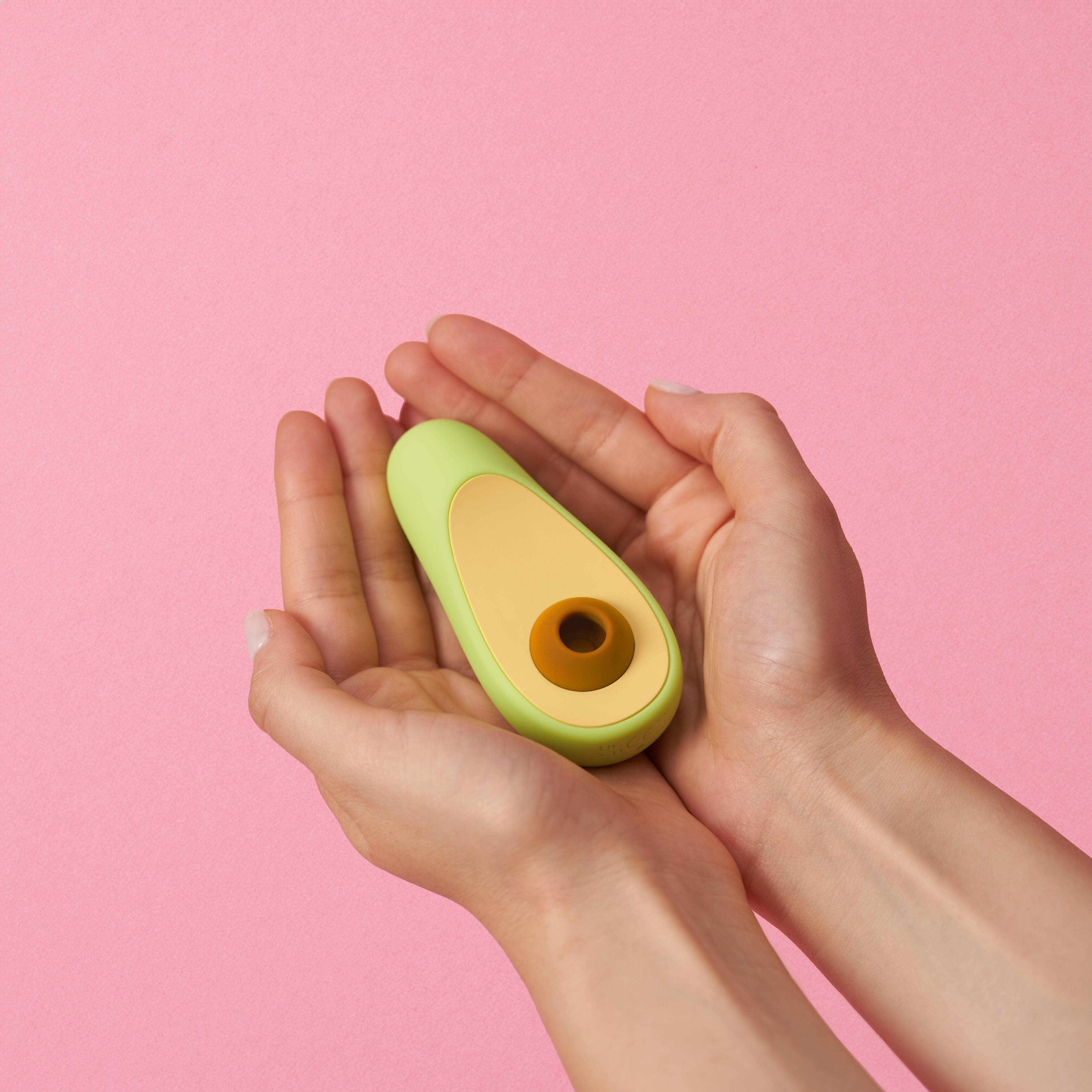
A turbocharged clit suction with unmatched sensations for deep, powerful stimulation.

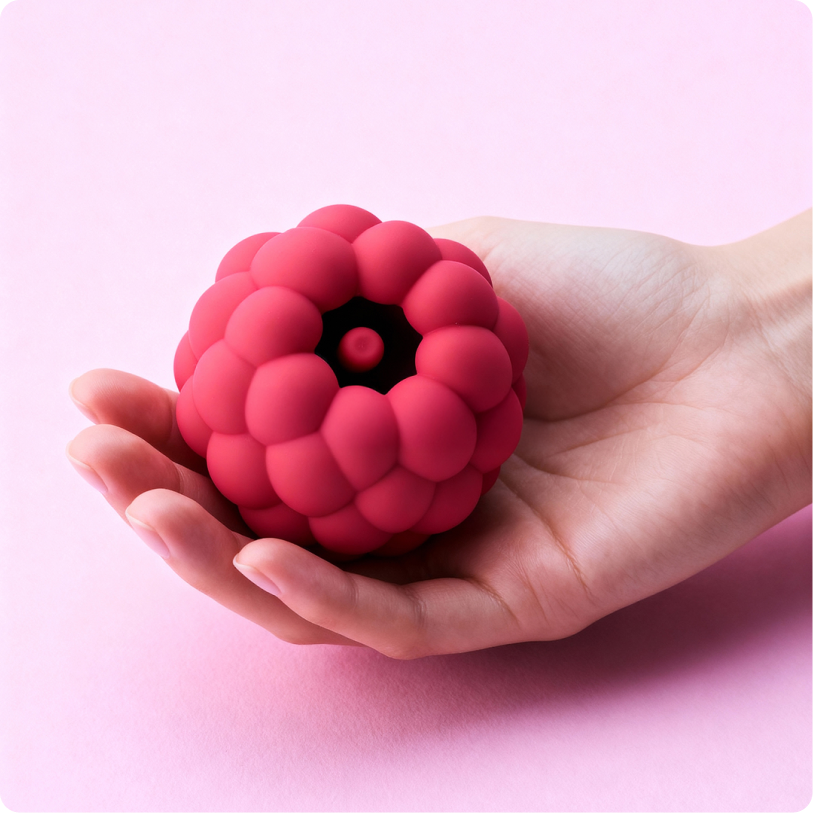
Rhythmic tapping designed for edging, a slow build, and a deeper finish.