Add 807.60؋ to get Free Gift


Somebody, somewhere, is lying awake right now replaying a moment where they reached over and turned the light off. Not because they were tired. Because they were scared.
The "lights on or off" debate sounds trivial on paper. It sounds like a preference, like whether you prefer a window seat on a plane. But ask most people honestly and you'll find it's loaded with years of self-criticism, comparison, and a quiet, persistent belief that their body is somehow not ready to be seen.
The Real Reason You're Reaching for the Switch
Let's be honest about what's actually happening. When someone flips the light off before sex, it's rarely about mood. It's almost always about not wanting to be seen. Seen with the soft belly. The stretch marks. The part that jiggles. The scar from the surgery three years ago that you still haven't made peace with.
Body image is doing a lot of heavy lifting in your bedroom. Research published in the Journal of Sexual Medicine found that sexual satisfaction was predicted by high body esteem and low frequency of appearance-based distracting thoughts during sex, even after controlling for sexual functioning status (Pujols, Meston, & Seal, 2010). Read that again. It's not just about how you perform. It's about what your brain is busy doing while you're in bed.
That mental commentary is the real intimacy killer.
What Darkness Actually Does (Hint: Not What You Think)

Here's something worth sitting with. Darkness doesn't actually make you feel safer. It just postpones the conversation your nervous system is trying to have with you. When you turn the light off, the anxiety about being seen doesn't disappear. It tends to go underground, quietly shaping how present you can actually be.
Presence is the whole point.
Think about the most connected intimate moments you've had. Chances are, you weren't cataloguing your thighs. You were there, in your body, tuned into another person. That's not a lighting situation. That's a nervous system situation, and no amount of dimming will fix it if the root is deep self-criticism. The good news? Presence is something you can actually practice, and it doesn't require a perfect body to start.
The Body Image and Pleasure Connection Nobody Talks About

A qualitative study on midlife women found something really telling: women who felt self-conscious about their bodies reported significant negative impacts on their sexual satisfaction, while women who felt confident described better sexual satisfaction even when their bodies had changed substantially (Winterich, 2003). The body didn't have to be "perfect." The relationship with the body had to be workable.
That's a completely different goal.
Perfect is a fantasy that keeps moving. Workable is something you can actually get to. And here's where the lights-on-or-off thing stops being about lighting at all. It becomes a proxy for "do I trust myself enough to be seen right now?" That question is worth taking seriously, because navigating body changes with confidence in intimate moments is a skill, not a fixed personality trait.
How to Actually Get More Comfortable Being Seen

Nobody builds confidence by flipping the lights on cold turkey. That's not how this works. Comfort with being seen is usually built in smaller moments that you stack over time.
Start with what actually feels good. Dim lighting, a single candle, fairy lights strung across a headboard. These aren't compromises. They're legitimate choices that many people genuinely prefer. The point isn't to blast yourself with fluorescent light to prove something. The point is to notice what the decision is actually based on. Is it honest preference, or is it avoidance?
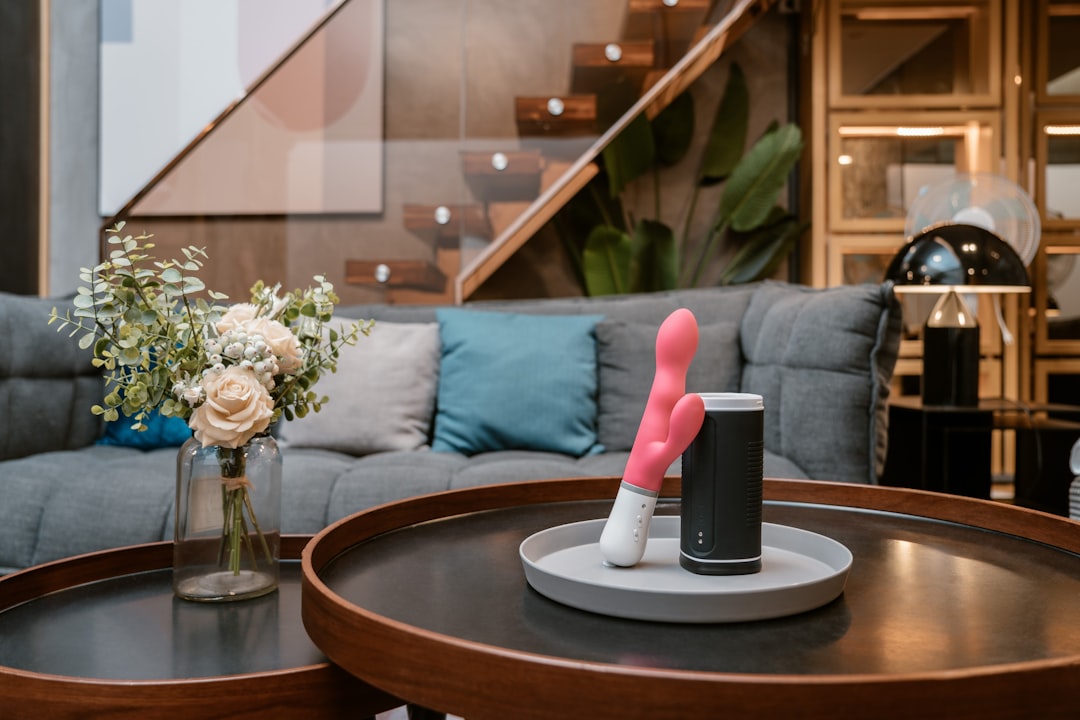
Sensory focus is genuinely transformative here. Tuning into touch, warmth, breath, and connection rather than visual self-assessment is a technique backed by sex therapists and mindfulness researchers alike. When your attention is in your hands and your heartbeat, it's not on your stomach. This is something you can practice during solo exploration just as much as partnered intimacy. Tools like the Berri edging clitoral massager are designed specifically to help you stay present in sensation, which is the whole skill we're talking about here.

Self-touch, unhurried exploration, and getting genuinely curious about what your body enjoys. These are the building blocks. Browsing through vibrators for women designed with your pleasure as the entire point is itself a small, quiet act of prioritising yourself.
What Your Partner Actually Sees (Spoiler: Not What You Think)

Here's something genuinely useful to sit with. When someone is attracted to you and present with you, they are not running the same critical internal analysis that you are. They are not cataloguing the parts you'd rather hide. They're responding to warmth, to energy, to the way you laugh, to the fact that you're there with them.
Your partner's experience of you is radically different from your experience of yourself.
The voice that says "turn the light off so they don't see X" is your voice. It's not theirs. And while that doesn't make it magically quiet, it does mean you're solving for a problem that mostly exists in your own nervous system. Which, again, is actually good news, because your nervous system is something you have much more access to than you might think. For couples wanting to explore that connection together, couples toys can be a genuinely playful way to shift the focus from how you look to how you feel.
The Honest Answer to the Lights On or Off Question
The actual answer is: whatever you genuinely want. Not whatever keeps you safest from being seen. Not whatever pre-empts the anxiety. What you actually want.
For some people, that's candles and soft golden light. For others it's bright and unguarded. For many, it's something that shifts over time as trust builds, both with a partner and with themselves. All of those are valid. The goal isn't to perform confidence. The goal is to find your way toward honest presence, even if it takes a while.
If the lights-off habit is driven by genuine aesthetic preference, keep it. If it's driven by the fear that your body isn't enough as it is right now. Well. That's the thing worth working on. Because your body is already enough. It just hasn't been told that clearly, and often enough, yet.
And learning how to experience more pleasure during sex is much more about mindset and body connection than about any external condition, including the lighting.
Wrapping Up
The lights-on-or-off debate was never really about lighting. It's a stand-in for a much bigger conversation about worthiness, visibility, and whether you believe you deserve to be fully present in your own pleasure. You do. Start there.
Want to make your journey even more exciting? I've handpicked some amazing toys and goodies at Hello Nancy that'll add extra sparkle to your intimate moments. (Here's a little secret. Use 'dirtytalk' for 10% off!)
While you're there, exploring clitoral vibrators designed with genuine care for your pleasure is a solid place to start building that sensory-first mindset.
Frequently Asked Questions
Is it normal to want the lights off during sex?
Completely normal. Many people prefer lower lighting during sex, and for a wide range of reasons including comfort, mood, or self-consciousness. The key is being honest with yourself about whether it's a genuine preference or a form of avoidance rooted in body insecurity.
How does body image affect sexual satisfaction?
Research consistently links positive body image with higher sexual satisfaction. When people feel more at ease in their bodies, they're more mentally present during sex, which directly improves the experience. Negative body image tends to create distracting internal commentary that pulls you out of the moment.
Can mindfulness help with feeling more comfortable during sex?
Yes, and it's one of the most evidence-supported approaches. Focusing on physical sensation, breath, and connection rather than appearance helps redirect attention away from self-criticism. Many sex therapists recommend sensory focus exercises as a core part of building intimacy confidence.
How do I get more comfortable being seen naked by a partner?
It usually starts with smaller, lower-stakes moments of visibility rather than a dramatic leap. Building comfort with your own body through solo time, self-exploration, and genuinely pleasure-focused activities helps. Trust with a partner also builds gradually through communication, not just shared experience.
Does my partner really notice the parts of my body I'm self-conscious about?
Almost certainly not in the way you think. When someone is genuinely attracted to you and engaged in the moment, they're responding to warmth, energy, and connection. The critical internal monologue you experience is usually not reflected in how your partner actually perceives you.
What lighting is actually best for sex?
Whatever you genuinely prefer. Warm, dim light like candles or amber lamps tends to feel comfortable for most people and is often described as flattering and relaxing. The "best" lighting is the one that helps you feel most present, not the one that feels like a performance of confidence.
Can using sex toys help improve body confidence during intimacy?
They can, yes. Toys that encourage sensory focus and pleasure exploration help shift attention from appearance to physical sensation, which is exactly the mental shift that builds intimacy confidence over time. Solo exploration with a vibrator or massager is a low-pressure way to start building that body connection.
Is body image insecurity during sex something that can be improved over time?
Absolutely. Body image is not fixed. It responds to how you talk to yourself, how you engage with your own body, and the quality of the relationships you're in. Therapy, mindful intimacy practice, and simply prioritising pleasure over performance all contribute meaningfully over time.