Add 807.60؋ to get Free Gift

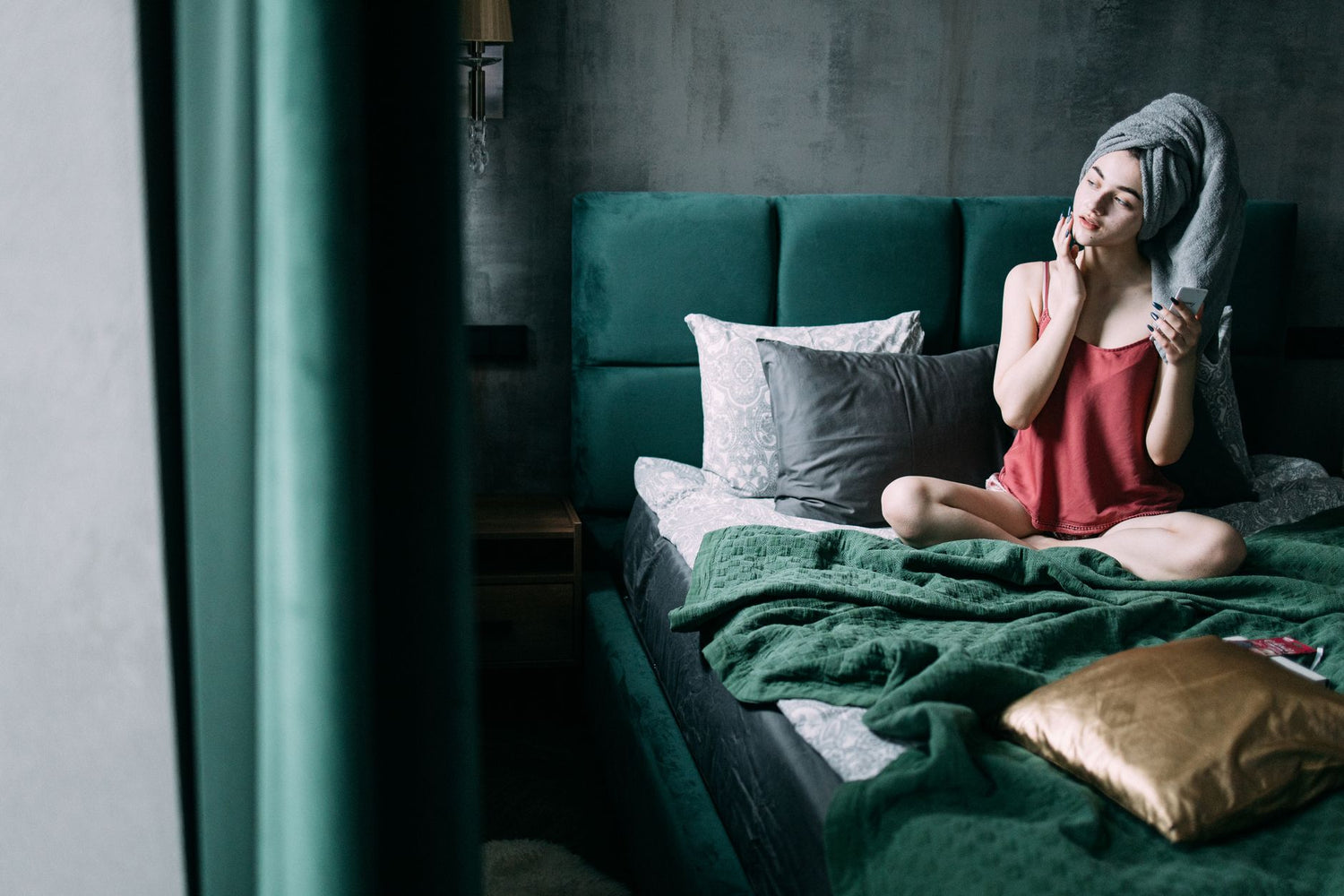
Somewhere between your third unanswered email and your second interrupted night of sleep, self-care stopped feeling like a choice and started feeling like a joke. You know you need it. You just can't figure out where to put it.
Here's the part nobody says out loud: the people who need self-care the most are exactly the ones who feel like they have no time for it.
That's not a coincidence. When life piles up, the first thing we drop is ourselves. We treat our own needs like optional line items in a budget that's already in the red. And then we wonder why we feel so empty, so brittle, so perpetually behind. The exhaustion becomes background noise. The overwhelm becomes our personality. But it doesn't have to stay that way.
Why "I Don't Have Time" Is the Wrong Diagnosis

Let's get honest about something. The real problem isn't time. It's permission.
Most of us grew up watching the people we admired grind themselves into dust and call it strength. Rest was earned. Taking a bath in the middle of the day felt shameful. Saying "I need a moment" sounded like weakness. So now, even when we do have a spare fifteen minutes, we fill it with a task we "should" do. We scroll guiltily. We clean something that didn't need cleaning. We do anything except actually rest.
According to the Mental Health UK Burnout Report 2025, a staggering 91% of adults experienced high or extreme levels of stress at some point over the last year. Ninety-one percent. That means nearly everyone around you is white-knuckling it through the week, convinced they're the only one falling apart (Mental Health UK, 2025). The problem isn't individual failure. It's a collective permission crisis.
Self-care doesn't need to be earned. It needs to be scheduled like anything else that matters.
The Magic of Micro-Moments (And Why Small Is Not Sad)
Stop picturing a spa day. That's not what this is about.
Micro self-care is the practice of inserting tiny, intentional moments of recovery into the gaps that already exist in your day. We're talking two minutes while the kettle boils. A sixty-second body scan at a red light. Three deep breaths before you open a stressful email. These moments feel laughably small. That's the point. Research on habit formation consistently shows that pairing new behaviors with existing routines (a technique called "habit stacking") dramatically increases the chance you'll actually do them. You don't create new time. You use the time you already have, differently.
Think about the space between waking up and checking your phone. Even one intentional minute there changes the chemistry of your morning.
Redefining What Self-Care Actually Looks Like
Self-care isn't always bubble baths and face masks, though those are genuinely lovely.
It's canceling a plan that was already draining you before it started. It's eating lunch away from your desk, without your phone, for fifteen full minutes. It's saying no to a group chat that makes you feel worse every time you open it. It's recognizing that staying present with your own body is a radical act when everything around you demands your attention elsewhere.
Self-care also lives in your pleasure. Not in a frivolous sense. Pleasure is a genuine nervous system regulator. When we experience joy, physical comfort, or sensory delight, our bodies shift out of survival mode. That matters. That's biology, not indulgence.
How to Actually Build a Self-Care Practice When You're Stretched Thin

Start with an audit, not an overhaul.
For one day, notice where your energy goes. Not your time. Your energy. There's a difference between spending two hours on a task that fills you up and spending twenty minutes on something that completely hollows you out. Once you see your actual energy map, you can start protecting small pockets of it for yourself.
Then pick one thing. Not a morning routine with seventeen steps. Not a forty-five-minute yoga practice. One thing you will do for yourself today that has nothing to do with productivity. Drink your coffee while it's still hot. Take your shoes off and stand on grass. Moisturize slowly, without rushing. These aren't placeholder self-care. They're real. And if enjoying your own body is something you've been putting on the back burner, that counts as self-care too. Fully.
Boundaries are the container that makes everything else possible. Without them, any self-care practice you build will just get colonized by someone else's needs within a week. You don't have to be aggressive about it. Just consistent. "I'm not available after 8pm" is a complete sentence. So is "I need a minute before I can answer that."
Finally, resist the urge to optimize your self-care. This is not a performance. It's not content. It doesn't need to be aesthetic or Instagram-ready or impressive to anyone, including yourself. The moment you start judging your rest by how productive it looks, you've missed the entire point.
When Your Body Is the One Asking for Attention
Your body keeps score. You've probably heard that. But here's what it means in practice.
Every time you skip a meal, ignore the tension in your shoulders, or push through exhaustion with caffeine, your body registers it. Not as strength. As threat. And a body operating in chronic low-grade stress has a very hard time experiencing pleasure, connection, or joy. It's too busy staying alive.
Bodywork, movement, physical pleasure — these aren't luxuries. They're how you signal to your nervous system that it's safe to come down from high alert. If you're looking for a gentle place to start, vibrators for women that prioritize body pleasure can be a genuinely powerful tool for stress relief and self-reconnection. Orgasm triggers a cascade of feel-good neurochemicals including oxytocin, dopamine, and serotonin. That's not trivial. That's medicine in the original sense of the word.
If you're curious about exploring that kind of pleasure-as-care, the Lem Clitoral Massager from Hello Nancy is a beautiful place to begin. It's intuitive, body-safe, and designed with real pleasure (not just novelty) in mind.
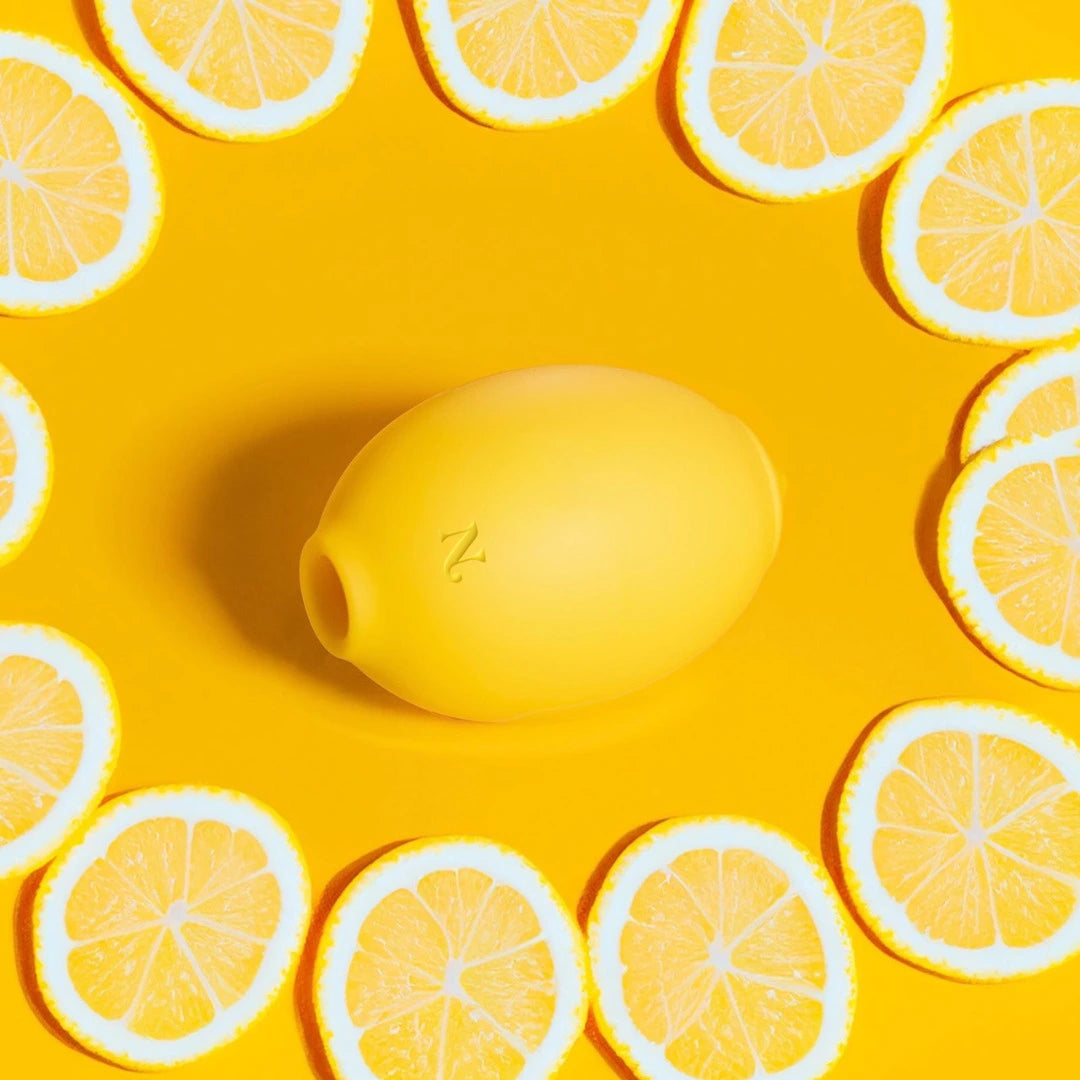
Pleasure is a form of presence. And presence is the opposite of overwhelm.
What Nobody Tells You About Consistency
You will miss days. That's not failure. That's a Tuesday.
The goal of a self-care practice isn't perfection. It's return. You build the habit not by never breaking it, but by coming back to it without drama after you do. Self-compassion, it turns out, is not soft or self-indulgent. It's actually one of the strongest predictors of long-term mental health. Researchers at University of Texas, Austin, Dr. Kristin Neff's landmark work on self-compassion demonstrates that treating yourself with the same kindness you'd offer a friend in distress is directly linked to lower anxiety, greater emotional resilience, and better motivation (Neff, 2003).
That means the way you talk to yourself about your self-care practice matters as much as the practice itself. "I haven't meditated in a week, I'm hopeless" is just more stress. "I didn't get to it this week, let me try again tomorrow" is recovery.
You're not behind. You're just getting started again.
Building a Self-Care Toolkit That Actually Fits Your Life
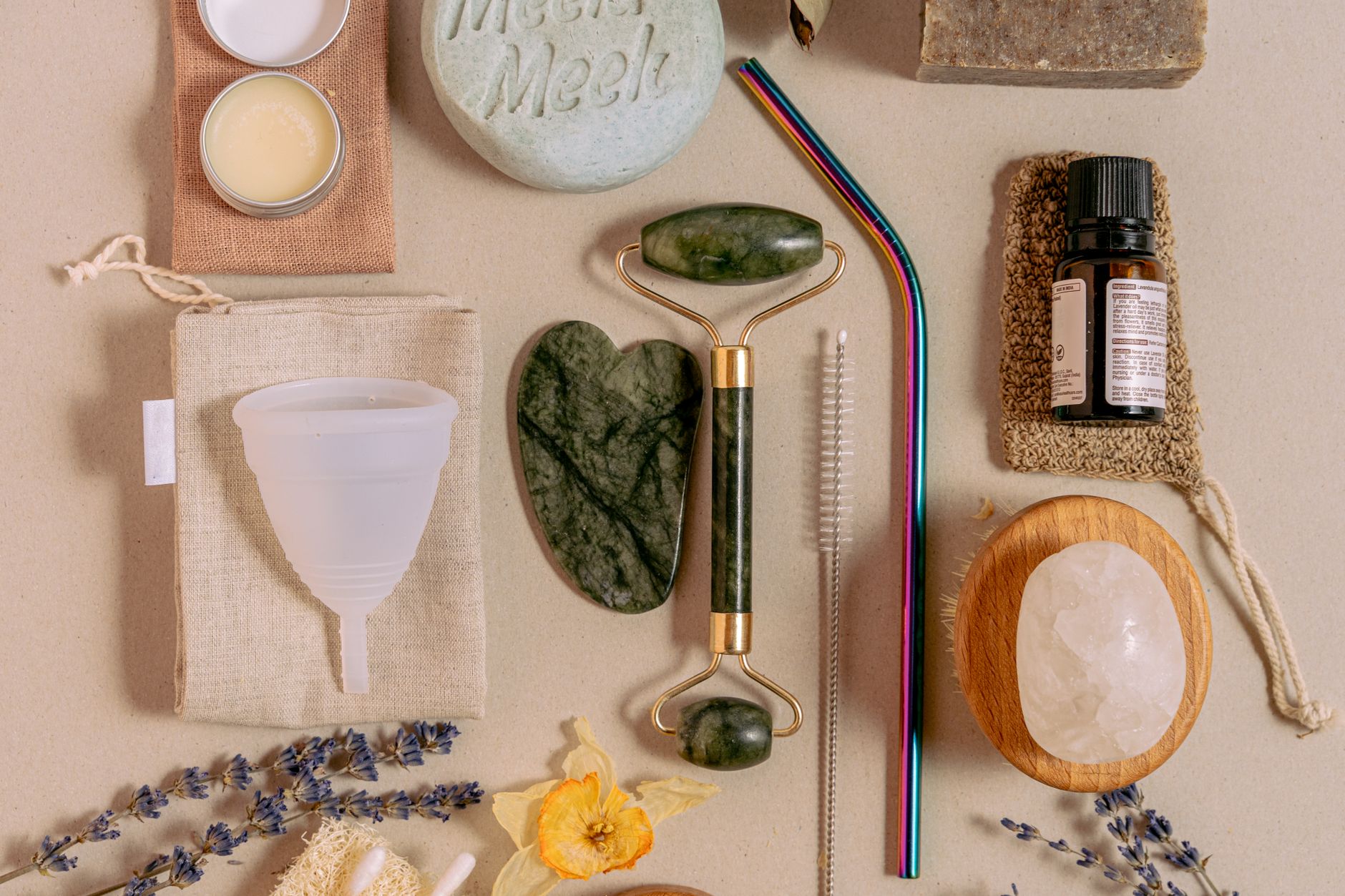
The best self-care toolkit is one you'll actually use.
Think in categories: physical (movement, sleep, touch, food), emotional (journaling, therapy, honest conversations, crying when you need to), mental (boundaries around information, rest from decision-making, creative play), and sensory (warm baths, scent, texture, sound). You don't need all four every day. But when you're depleted, checking which category has gone empty can tell you exactly what you're starving for.
Pairing your self-care with pleasure makes it sticky. Not just sustainable. Actually enjoyable. Consider exploring clitoral vibrators designed for solo intimacy, or adding intentional sensory rituals to your wind-down routine. There's also real value in exploring couples toys if you have a partner, because shared pleasure is a legitimate and deeply underrated form of connection-based self-care.
The goal is a toolkit you return to because it actually works. Not because it looks good in a flat lay.
Want to make your journey even more exciting? I've handpicked some amazing toys and goodies at Hello Nancy that'll add extra sparkle to your intimate moments. (Here's a little secret — use 'dirtytalk' for 10% off!)
Frequently Asked Questions
How do I practice self-care when I genuinely have no free time?
You don't need free time. You need micro-moments. Try habit stacking: attach one small self-care act to something you already do every day, like taking three deep breaths after brushing your teeth or drinking a full glass of water before opening your laptop. These moments add up faster than you'd expect.
What is the most effective self-care practice for stress and overwhelm?
There's no single answer, but sleep, intentional breathing, and physical touch (including self-touch) are among the most neurologically potent. They directly regulate the nervous system. If you can only do one thing, protect your sleep and add one moment of deliberate physical rest or pleasure to your day.
Is it selfish to prioritize self-care when I have responsibilities?
No. A depleted person cannot sustainably care for others, meet deadlines, or show up fully for anything. Self-care is how you maintain the capacity to keep doing what you need to do. It's maintenance, not indulgence.
How long does it take to build a self-care routine that sticks?
Research on habit formation suggests it takes anywhere from 21 to 66 days for a new behavior to feel automatic, depending on the person and the complexity of the habit. But the more important thing is the return. Every time you come back to a practice after skipping it, you're reinforcing it. Missing a day isn't failure. Starting again is the whole game.
What are some self-care ideas for overwhelmed working adults?
Lunch away from your screen. A five-minute walk outside. Saying no to one optional commitment this week. Journaling for two minutes before bed. A warm shower with no phone nearby. Pleasure-focused solo time. None of these require a full afternoon. All of them genuinely help.
Can physical pleasure be considered a form of self-care?
Absolutely. Orgasm and physical pleasure trigger the release of oxytocin, dopamine, and serotonin. These are the same neurochemicals that reduce cortisol, the primary stress hormone. Incorporating intentional pleasure into your self-care practice isn't frivolous. It's physiologically sound.
How do I stop feeling guilty about resting?
Guilt about rest is usually a learned response, not a logical one. It helps to reframe rest as a productive act. Your brain consolidates learning, repairs tissue, and regulates emotion during rest. When you rest, you're not opting out of your responsibilities. You're becoming more capable of meeting them.
What is the difference between self-care and self-indulgence?
Self-care restores your capacity. Self-indulgence (in the negative sense) tends to be avoidance dressed up as comfort. The distinction isn't about what you're doing. It's about whether it genuinely refills you or just numbs you temporarily. Both can involve the same activity. The intention and the outcome are what differentiate them.