


 Füge $12.00 hinzu, um Gratisgeschenk zu erhalten


Somebody told you kegel balls would "fix" everything. Tighten things up. Transform your pelvic floor overnight. And now you're here, wanting the honest answer.
Good. Let's actually talk about it.
What Are Kegel Balls, Really?
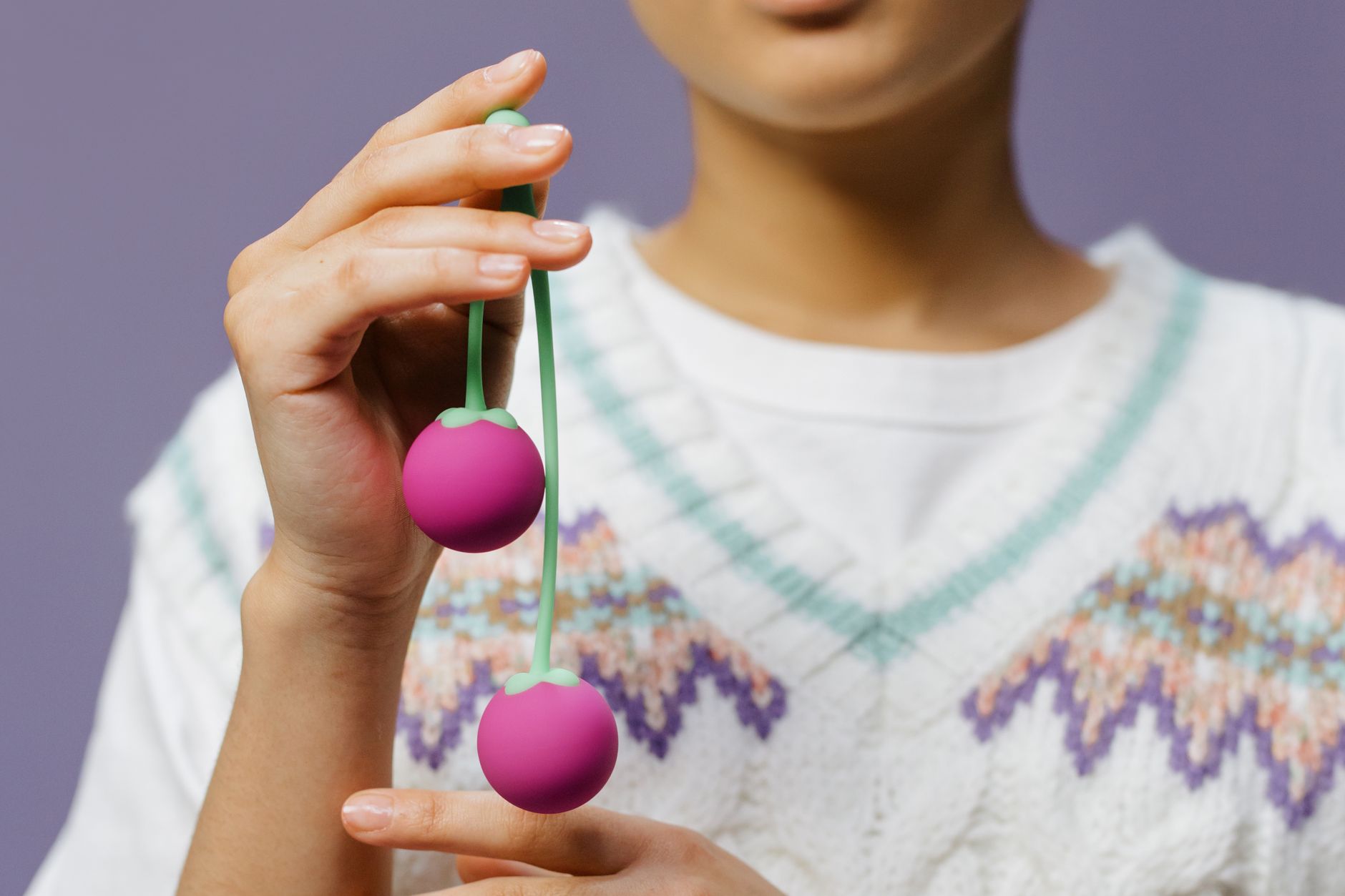
Kegel balls. also called Ben Wa balls or pleasure balls, are small weighted devices you insert vaginally. They've been around for centuries. Seriously, centuries. The idea is that your pelvic floor muscles have to work subtly just to hold them in place, which supposedly trains and strengthens those muscles over time.
That's the pitch.
In practice, they come in many forms: single balls, double balls, ones with cords for easy removal, ones made from silicone, metal, or plastic. Some vibrate. Some are purely passive. The range is genuinely wide, and the marketing around them is even wider. You'll see claims like "instantly tightens," "restores tone," "rejuvenates your pelvic floor." Those words are doing a lot of heavy lifting.
The "Tightening" Question: What Science Actually Tells Us

Here's where it gets nuanced, and I won't sugarcoat it. According to Medical News Today, there is currently no strong scientific evidence that kegel balls alone tighten the vaginal canal or strengthen pelvic floor muscles on their own, simply by being inserted. The passive "just hold them in" approach hasn't been backed by robust clinical research.
That said, the story doesn't end there.
What does have solid evidence behind it is pelvic floor muscle training itself. Kegel exercises, the deliberate contraction and release of your pelvic floor muscles, have been extensively studied. A 2024 interventional study published in Eureka Select found that pelvic floor muscle training significantly improved both stress urinary incontinence and urge incontinence in women post vaginal delivery (Radnia, Bakhtiari, Neda & Moghadami, 2023). The muscles respond to intentional, repeated effort. That's well-established. The question is whether kegel balls meaningfully add to that.
The Nuance: Tools vs. Magic
A clinical trial currently registered with ClinicalTrials.gov is exploring whether vaginal kegel balls enhance pelvic floor exercise by promoting increased muscle activation and body awareness during training. That framing is key. The word is "enhance," not "replace." Kegel balls may work best as a prop that helps you feel and consciously engage your pelvic floor. not as a passive cure.
Think of them like resistance bands at the gym. A resistance band doesn't build your biceps by sitting on your arm. You have to actually curl. The band just gives your muscle something to work against.
So the honest answer to "do kegel balls tighten?" is: not by themselves. But if you're actively doing pelvic floor exercises while wearing them, they may help you connect more deeply to those muscles and amplify the training effect. That's a meaningful distinction.
Who Actually Benefits from Kegel Balls?
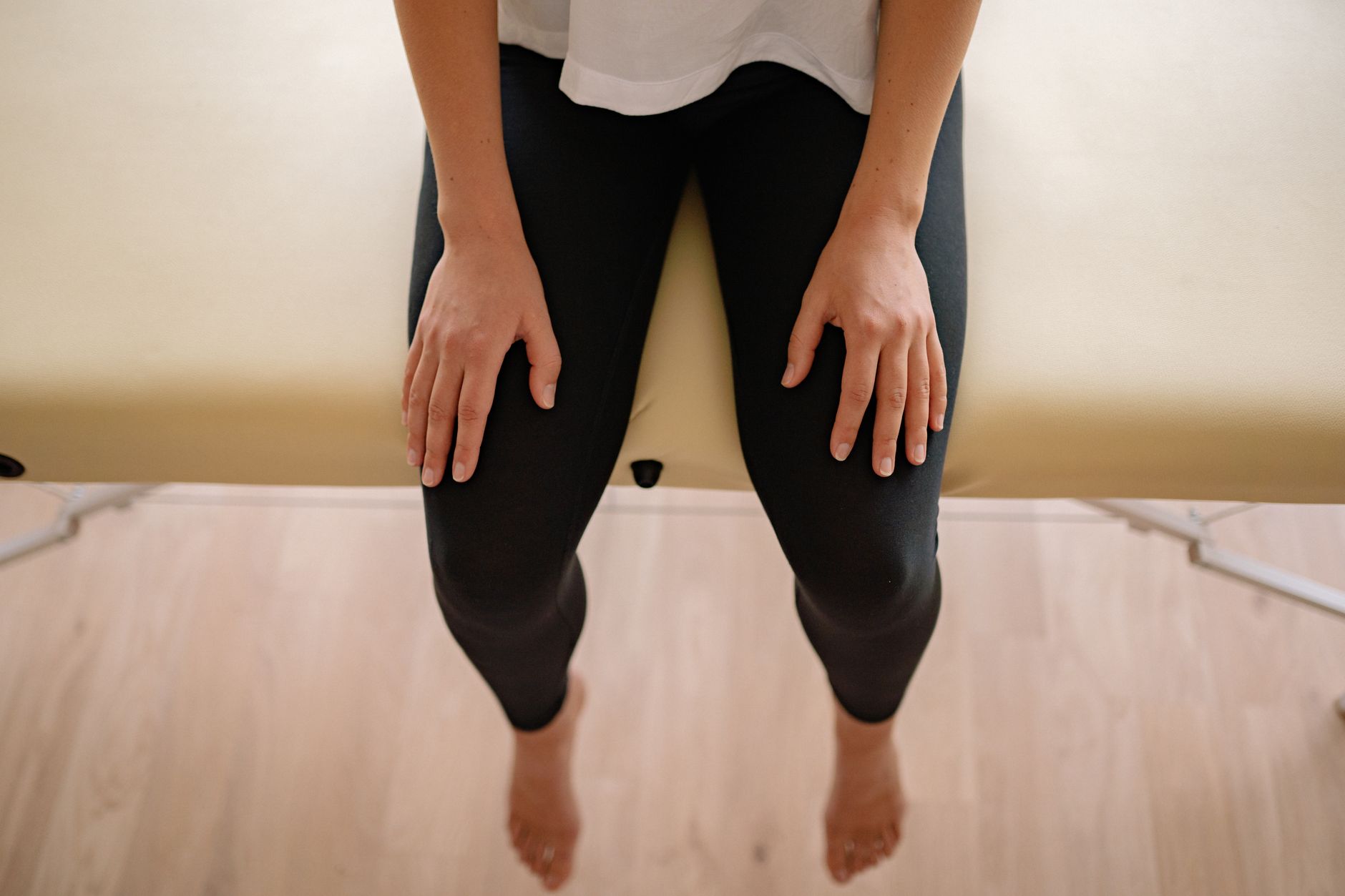
Not everyone needs kegel balls, and not everyone should use them. That second part often gets left out.
If you have a hypertonic pelvic floor. which means your muscles are already too tight or chronically tense. adding kegel balls and more contraction exercises can actually make things worse. It's the equivalent of stretching a muscle that's already in spasm. If you experience pelvic pain, painful sex, or persistent tension in that region, talk to a pelvic floor physiotherapist before reaching for any device.
For people with a hypotonic (weakened or underactive) pelvic floor, kegel balls used alongside active exercises may genuinely offer a training benefit. This includes people recovering from childbirth, those experiencing mild urinary leakage with sneezing or laughing, or anyone who simply wants to build more awareness and tone in that region. The key is intentionality. Passive insertion without active engagement is basically just... storing a ball inside you.
The Role of Pelvic Floor Physiotherapy
If you're serious about pelvic floor health, the single most evidence-backed thing you can do is work with a pelvic floor physiotherapist. They can assess whether your floor is tight, weak, or uncoordinated. They give you a personalized plan. And they'll tell you whether tools like kegel balls even make sense for your specific anatomy and goals.
This isn't gatekeeping. It's just good sense.
What About the Sexual Benefits?

This is the question people are really asking, isn't it. Beyond bladder control and clinical outcomes, the appeal of kegel balls is deeply tied to sexual pleasure. The promise is a more responsive, sensitive, connected pelvic floor that makes intimacy feel better for you and your partner.
And honestly? There's something to it, indirectly.
A stronger, more aware pelvic floor can absolutely contribute to more intense orgasms, better arousal response, and greater sensation during sex. That's not marketing fluff. it's anatomy. The muscles involved in orgasm are the same ones you're training. The connection between pelvic floor strength and sexual satisfaction is real. The question is just about mechanism: it's the exercise doing the work, not the passive presence of the ball. If wearing kegel balls while doing your exercises helps you feel more engaged and consistent, that's a genuinely useful tool. Consistency is everything when it comes to pelvic floor training.
For those exploring vibrators for women as part of a broader self-pleasure practice, adding intentional pelvic floor work to your routine can genuinely change the quality of sensation over time. Your body rewards the investment.
How to Actually Use Kegel Balls Effectively
Using them correctly matters more than using them at all. Here's the approach that makes sense based on what the research supports.
Start with something lightweight and body-safe, made from medical-grade silicone, stainless steel, or smooth glass. Insert comfortably and then actively engage. Contract your pelvic floor, hold for a few seconds, release fully. That release matters as much as the contraction. Repeat in short sessions, not hours-long wearathons. Twenty to thirty minutes of active practice, a few times a week, is far more effective than leaving them in all day hoping something happens passively.
Don't use kegel balls during penetrative sex, while doing high-impact exercise, or if you experience any pain. And always clean them thoroughly before and after. Hygiene is non-negotiable.
What to Look for When Choosing One
Body-safe materials are the starting point: silicone, ABS plastic, stainless steel, or borosilicate glass. Avoid anything porous, rubbery, or with a strong chemical smell. If you're new to pelvic floor training, start lighter and smaller. A single ball with a retrieval cord is beginner-friendly. As your strength and awareness grow, you can progress to heavier options.
For people interested in adding vibration to their intimate toy collection alongside their pelvic floor practice, the Berri tapping clitoral massager is worth exploring. it's designed for clitoral stimulation but pairs beautifully with a body that's become more attuned through consistent pelvic floor work. And if you're browsing a wider range of clitoral vibrators, Hello Nancy's collection is a genuinely good place to start.
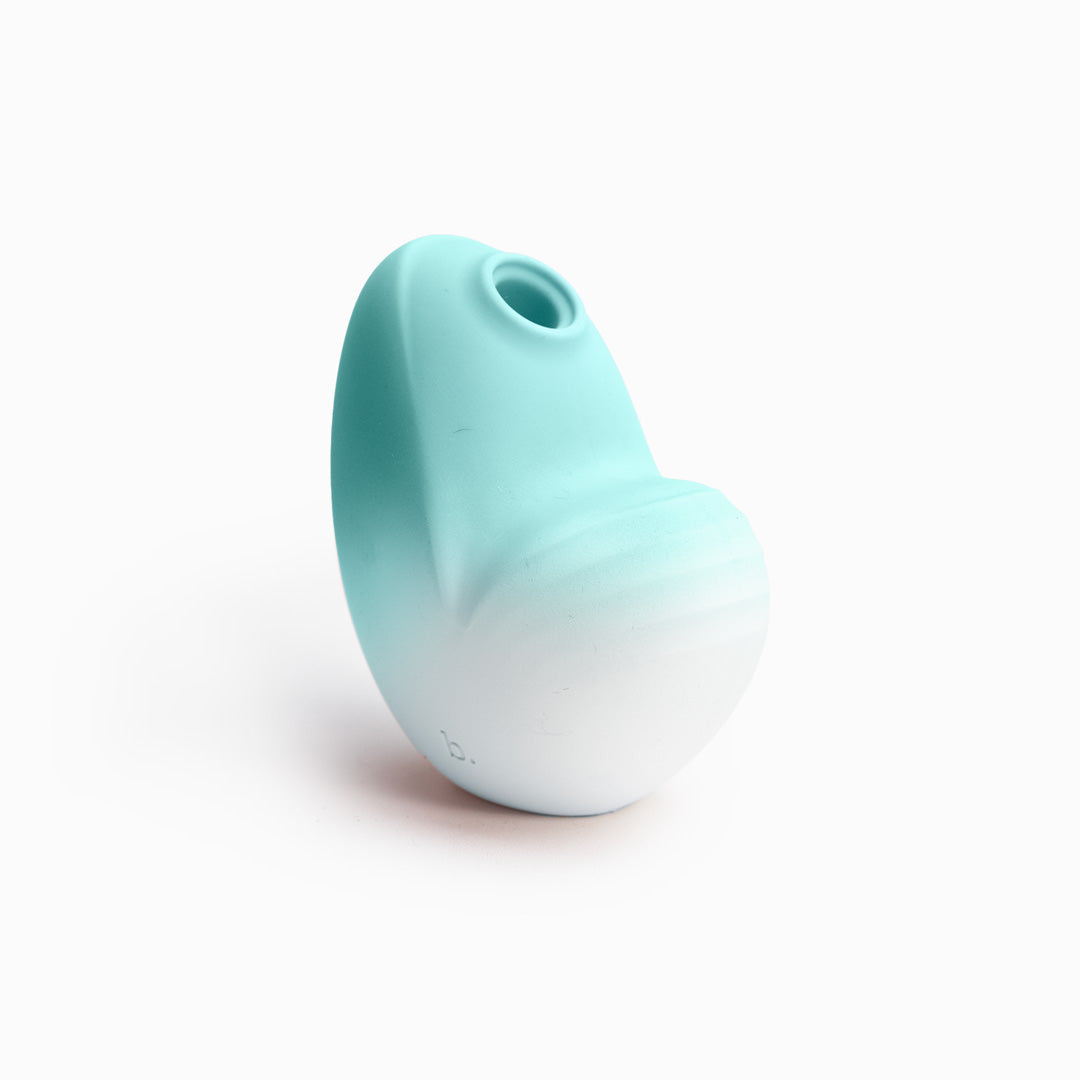
Speaking of complementary tools, the Namii 2 combines clitoral suction and vibration in a way that can feel especially satisfying for people building pelvic floor awareness. Many find that the heightened body connection from regular kegel practice makes all kinds of couples toys and solo devices feel more intense and pleasurable.
Bottom Line
Kegel balls are not a magic tightening device. No ball, gadget, or cream can passively restructure your pelvic floor. What they can do is serve as a useful training tool when you show up with intention, engage your muscles actively, and practice consistently over time. The research is clear that pelvic floor muscle training works. The balls are a potential assist, not the whole answer.
Your pelvic floor is a muscle group. Treat it like one. Train it, rest it, listen to it. And if something feels off, see a specialist before it becomes a bigger issue. You deserve accurate information and a body you feel genuinely connected to. That starts with knowing what actually works.
Want to make your journey even more exciting? I've handpicked some amazing toys and goodies at Hello Nancy that'll add extra sparkle to your intimate moments. (Here's a little secret. use 'dirtytalk' for 10% off!)
Frequently Asked Questions
Do kegel balls actually tighten the vagina?
Not passively. Kegel balls on their own, without active muscle engagement, don't have solid clinical evidence behind them for tightening or toning. However, when used as a prop during active pelvic floor exercises, they may help you feel and train those muscles more effectively. The exercise is what creates change, not the ball sitting there.
How long does it take for kegel balls to show results?
Pelvic floor muscle training generally takes 6 to 12 weeks of consistent practice to show noticeable changes. If you're using kegel balls as part of an active exercise routine several times per week, you may begin noticing improved awareness and tone within that window. Passive or irregular use will delay or prevent results.
Can kegel balls help with urinary incontinence?
Pelvic floor muscle training, including exercises done with or without kegel balls, has strong research support for reducing urinary incontinence, particularly stress incontinence (leaking when you sneeze or laugh). The training itself is the effective element. If you're dealing with significant leakage, consulting a pelvic floor physiotherapist is the most evidence-backed first step.
Are kegel balls safe to use every day?
Short, active sessions a few times per week are safer and more effective than wearing them all day every day. Overuse can lead to muscle fatigue or discomfort, just like overtraining any other muscle. Rest and recovery are part of the process. If you feel soreness, pelvic pressure, or pain, take a break and check in with a healthcare provider.
Who should not use kegel balls?
People with a hypertonic (overly tight) pelvic floor, chronic pelvic pain, or vaginismus should avoid kegel balls without guidance from a pelvic floor specialist. Using them in these cases can worsen tension and pain. Pregnant people and those in early postpartum recovery should also check with their provider before use.
Can kegel balls improve orgasms?
Indirectly, yes. A stronger, more coordinated pelvic floor supports more intense orgasmic contractions and better arousal response. The muscles involved in orgasm are the same ones trained by pelvic floor exercises. Kegel balls used as a training aid can contribute to that stronger connection over time, though the sexual benefit comes from the training, not the device alone.
What size and weight of kegel balls should a beginner start with?
Beginners should start with a single, lightweight ball made from smooth, body-safe silicone, with a retrieval cord for easy removal. Lighter and larger is easier to hold initially. As your pelvic floor awareness and strength build over weeks of consistent training, you can gradually progress to heavier or smaller options.
Do kegel balls work after childbirth?
They can be a useful tool in postpartum pelvic floor recovery, but timing matters. Most healthcare providers recommend waiting until you have clearance at your postnatal check (usually 6 to 8 weeks after delivery) and ideally working with a pelvic floor physiotherapist first. Early postpartum, the focus should be on gentle breathing and reconnection exercises, not weighted devices.


