


 $12.00 追加で 無料プレゼント をゲット


Something heavy has been sitting on your chest for weeks. Maybe months. You keep telling yourself you're just tired, and technically, you are. But that's not the whole story.
Depression doesn't always look like crying under a duvet. Sometimes it looks like answering emails, laughing at someone's joke, and ordering your usual coffee. That's what makes it so easy to miss, and so important to understand properly.
What Depression Actually Is (Without the Textbook Tone)

Depression is a clinical mood disorder. It disrupts how you think, feel, and move through daily life. It's not sadness. It's more like someone turned the colour dial on your entire world down to grey.
The formal name is Major Depressive Disorder, though it exists on a spectrum. There's persistent depressive disorder (lower grade but long-lasting), seasonal affective disorder, postpartum depression, and premenstrual dysphoric disorder. What they all share is this: they're real, they're diagnosable, and they respond to treatment. None of them are character flaws.
According to data compiled by Healthline, at least 21 million Americans experience a major depressive episode each year. That figure only captures diagnosed cases. The actual number of people quietly living with it is considerably higher.
Recognising the Symptoms — The Ones They Don't Always List
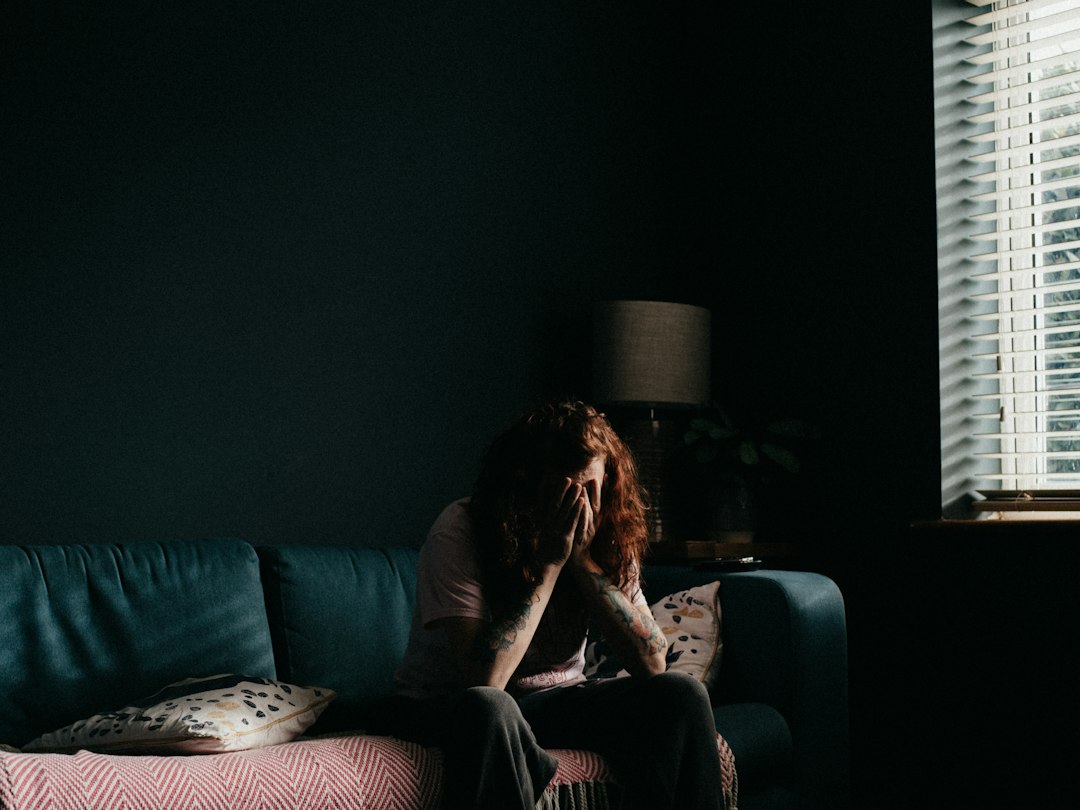
Here's the thing about depression symptoms: they disguise themselves as personality traits.
You start calling yourself lazy when you can't get out of bed. You call yourself antisocial when you cancel plans. You call yourself dramatic when small things feel unbearable. Meanwhile, your nervous system is sending signals that something is genuinely wrong, and you're just reframing them as personal failings.
The classic symptoms include persistent low mood, loss of interest in things you used to enjoy, fatigue that sleep doesn't fix, changes in appetite, difficulty concentrating, and feelings of worthlessness or guilt that seem disproportionate to any real situation. Some people also experience unexplained physical pain, headaches, or digestive problems.
Sleep changes are particularly telling. Some people with depression sleep 12 hours and still wake up exhausted. Others can't sleep at all, lying awake at 3am running mental loops that go nowhere useful.
If five or more of these symptoms persist for two weeks or longer, that meets the clinical threshold for a Major Depressive Episode. That's not a minor threshold. It's a signal worth taking seriously.
What Actually Causes Depression
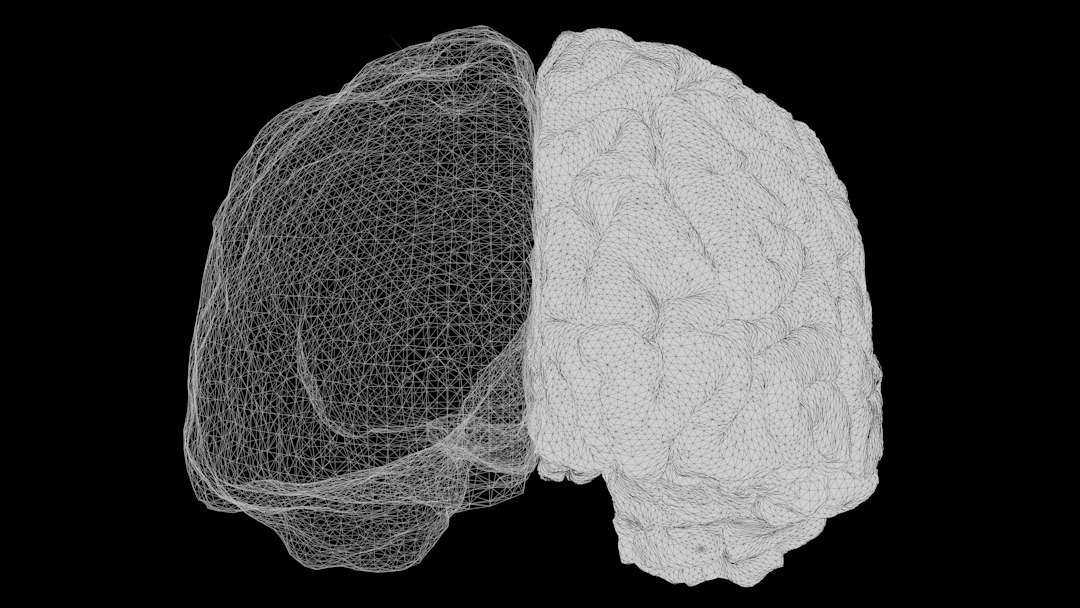
Depression is not caused by weakness or by "not thinking positively enough."
The causes are genuinely layered. Brain chemistry plays a role. Neurotransmitters like serotonin, dopamine, and norepinephrine regulate mood, motivation, and energy. When these systems are dysregulated, the downstream effects hit hard. But it's not as simple as a "chemical imbalance" either. That older framing has been complicated by more recent research showing that depression involves structural brain changes, inflammatory processes, and stress hormone dysregulation too.
Genetics matter. Having a first-degree relative with depression roughly doubles your risk. But genetics aren't destiny. Environment does most of the heavy lifting when it comes to actually triggering an episode.
Major life stressors — job loss, grief, relationship breakdown, trauma, chronic illness, financial instability — can flip the switch. So can more subtle ongoing stress: a job that drains you, a relationship where you feel unseen, or social isolation that builds quietly over years. For some people, there's no obvious trigger at all, which can make it even harder to explain or justify to themselves or others.
Types of Depression Worth Knowing About

Not all depression is the same clinical animal.
Major Depressive Disorder is the most commonly recognised form, characterised by intense episodes that significantly impair daily functioning. Persistent Depressive Disorder (dysthymia) is less intense but can last for years. It often flies under the radar because people adapt to functioning at a low baseline, never quite feeling well but never feeling "bad enough" to seek help. Seasonal Affective Disorder is linked to reduced sunlight exposure, most common in autumn and winter, and responds well to light therapy. Postpartum depression affects new parents after childbirth, driven by dramatic hormonal shifts combined with the enormous life adjustment of new parenthood. Atypical depression includes mood reactivity — the person can feel genuinely better in response to positive events — alongside symptoms like increased sleep, increased appetite, and sensitivity to rejection.
Knowing which type you're dealing with actually changes the treatment approach. It's worth exploring this with a healthcare professional rather than trying to self-diagnose from a list.
Treatment for Depression: What Works

Treatment works. That's the clearest thing research keeps confirming.
Psychotherapy — particularly Cognitive Behavioural Therapy (CBT) — is one of the most evidence-backed interventions available. It helps you identify and shift the thought patterns that keep depression's cycle running. Other effective therapy models include Interpersonal Therapy (IPT), which focuses on relationships and communication, and Behavioural Activation, which systematically rebuilds engagement with life by targeting avoidance behaviours.
Medication is another major route. The CDC's 2024 mental health treatment data found that roughly one in five American adults took prescription medication for depression, anxiety, or related mental health concerns in the past 12 months. Antidepressants, particularly SSRIs and SNRIs, are typically first-line for moderate to severe depression. They don't work for everyone, and finding the right medication can take some trial. That part is frustrating. It doesn't mean the approach is wrong.
For many people, the combination of therapy and medication outperforms either alone. Research evaluating augmentation strategies consistently shows that adding psychotherapy to medication improves outcomes in chronic or treatment-resistant depression.
Beyond the clinical tools, lifestyle factors carry real weight. Regular physical movement has antidepressant effects that are now well-documented. Sleep hygiene, social connection, and reducing alcohol consumption also make a measurable difference. These aren't alternatives to treatment. They're reinforcements.
Depression and Intimacy: The Conversation That Gets Skipped

Depression quietly erodes desire.
Low libido is a recognised symptom of depression, and it's also a common side effect of antidepressant medications. For people in relationships, this can create a painful secondary layer: the person is already struggling emotionally, and now physical intimacy feels distant too. For those navigating depression solo, the isolation compounds it.
This is worth naming because it often goes undiscussed in clinical settings. If you're noticing changes in your desire or your ability to connect intimately, that's part of the picture, not a separate problem. If you're exploring ways to gently reconnect with your body during recovery, that's a valid part of self-care. Some people find that intentional pleasure, including through vibrators for women or other intimate tools, helps them stay connected to their physical self during emotionally difficult periods. It's not a cure. But self-connection matters.
If you're in a relationship and navigating this together, our piece on how to keep sex exciting in a long-term relationship addresses the emotional and practical side of maintaining intimacy when things feel hard.
When to Reach Out for Help

If you've been reading this and recognising yourself, that recognition matters.
Reaching out doesn't require hitting rock bottom first. It doesn't require your symptoms to be severe enough to justify taking up space. Any level of persistent low mood that's interfering with your quality of life is worth discussing with a GP, a therapist, or a mental health professional. You don't have to earn the right to feel better.
If you're having thoughts of self-harm or suicide, please contact a crisis line now. In the US, you can call or text 988 to reach the Suicide and Crisis Lifeline. In the UK, call Samaritans on 116 123. These are free, confidential, and available around the clock.
Supporting Someone with Depression

Watching someone you care about go through depression is its own kind of hard.
The most useful thing you can do is stay present without trying to fix it. Depression doesn't respond to "have you tried going for a walk" the way well-meaning people hope. What it does respond to is consistent, non-judgmental presence. Showing up. Checking in. Not disappearing when it gets uncomfortable.
Helping with practical tasks — meals, appointments, logistics — often means more than any motivational conversation. And encouraging professional support, without pressuring, without ultimatums, is usually more effective than trying to be someone's sole source of support.
You also need to take care of yourself. Supporting someone with depression is emotionally demanding. Maintaining your own wellbeing isn't abandoning them. It's what makes it sustainable long-term. Our piece on how masturbation benefits your relationship touches on why solo self-care actually strengthens your connection to others, and that principle applies broadly.
Building a Life Around Recovery

Recovery from depression isn't a straight line.
There are better weeks and worse ones. There are relapses. There are days where the fog lifts and you feel genuinely like yourself, and days where it closes back in and you wonder if anything is working. That variability is completely normal and doesn't mean treatment has failed. It means you're dealing with a complex condition that takes time.
Building structure helps. Consistent sleep and wake times, regular movement, and maintaining social contact even when you don't feel like it, all support mood regulation over time. Small, concrete goals work better than big sweeping intentions. Getting dressed and stepping outside for ten minutes counts. Progress isn't always photogenic.
The goal isn't to never feel low again. It's to build the internal and external resources that make low periods shorter, less severe, and less likely to knock you all the way down. That's genuinely achievable.
Want to make your journey even more exciting? I've handpicked some amazing toys and goodies at Hello Nancy that'll add extra sparkle to your intimate moments. (Here's a little secret — use 'dirtytalk' for 10% off!)
If you're in a period of recovery and gently exploring clitoral vibrators or other forms of couples toys as part of rebuilding intimacy and connection, the Berri Edging Clitoral Massager is a thoughtfully designed option worth exploring.

The Berri is a tapping clitoral massager with gentle, rhythmic stimulation designed to ease you back into sensory pleasure without overwhelming intensity. Sometimes gentle is exactly what recovery calls for.
Bottom Line
Depression is not a personal failing. It is not laziness, weakness, or ingratitude. It is a recognised medical condition with real neurological, psychological, and environmental roots, and it has effective treatments. You are not broken. You are dealing with something hard, and you deserve actual support for it.
If even one part of this article felt like someone finally described what you've been living, hold onto that. Recognition is the beginning of something.
Frequently Asked Questions
What are the early signs of depression I should watch for?
Early signs often include persistent low mood, losing interest in activities you used to enjoy, sleeping too much or too little, and a general sense of emotional flatness. Many people also notice difficulty concentrating and a tendency to withdraw from social contact. If these last more than two weeks, it's worth speaking to a healthcare professional.
Is depression the same as feeling sad?
No. Sadness is a normal emotional response to difficult events and tends to ease over time. Depression is a clinical condition that persists regardless of circumstances, often includes physical symptoms, and significantly impairs daily functioning. You can have depression without feeling conventionally sad.
Can depression be treated without medication?
Yes, particularly for mild to moderate depression. Psychotherapy such as CBT is highly effective on its own. Regular exercise, sleep regulation, and social support also play a meaningful role. For moderate to severe depression, medication combined with therapy typically produces the best outcomes.
How long does it take for depression treatment to work?
Antidepressants typically take four to six weeks to show meaningful effect, and sometimes longer to reach full efficacy. Therapy outcomes often become noticeable within eight to twelve sessions, though this varies by person and type of therapy. Recovery is not linear — expect some fluctuation even when treatment is working.
Does depression affect sex drive and intimacy?
Yes, reduced libido is a recognised symptom of depression. It can also be a side effect of antidepressant medications, particularly SSRIs. If this is affecting your relationship or quality of life, raise it with your prescribing doctor as there are strategies to address it without stopping medication.
What is the difference between depression and burnout?
Burnout is primarily driven by chronic workplace or caregiving stress and tends to improve significantly with rest and removal of the stressor. Depression is a broader clinical condition that persists across all contexts, not just work. The two can overlap and even trigger each other, which is why proper assessment by a professional matters.
Can you have depression without feeling sad all the time?
Absolutely. Many people with depression describe emotional numbness rather than sadness — a flatness or disconnection rather than active distress. Others present primarily with physical symptoms like fatigue, pain, and appetite changes, with minimal overt sadness. This is sometimes called masked depression and is frequently missed.
How do I support a partner or friend with depression without burning out?
Stay present and consistent without trying to fix or rescue them. Help with practical tasks, encourage professional support, and set your own boundaries clearly. Maintaining your own mental health through rest, social connection, and your own support network isn't selfish. It's what makes sustainable support possible.


