Dodajte $12.00 za ostvarivanje Besplatan poklon



One minute you're fine. The next minute, something small tips you over the edge and you genuinely cannot explain why.
That whiplash is exhausting. And if mood swings have been crashing through your days lately, you're not dramatic, broken, or "too sensitive." Your brain and body are communicating something. The problem is nobody taught us how to listen.
What Are Mood Swings, Really?

Mood swings are rapid, often unpredictable shifts in emotional state. They can swing you from contentment to irritability, from calm to tearful, in what feels like seconds.
They're not the same as having a bad day. A bad day has a reason you can point to. Mood swings feel untethered. They arrive without a clear invitation and leave you wondering what just happened.
It's worth separating occasional moodiness from persistent, disruptive swings. The first is human. The second is a signal worth paying attention to.
The Real Causes of Mood Swings
Hormones: The Usual Suspects
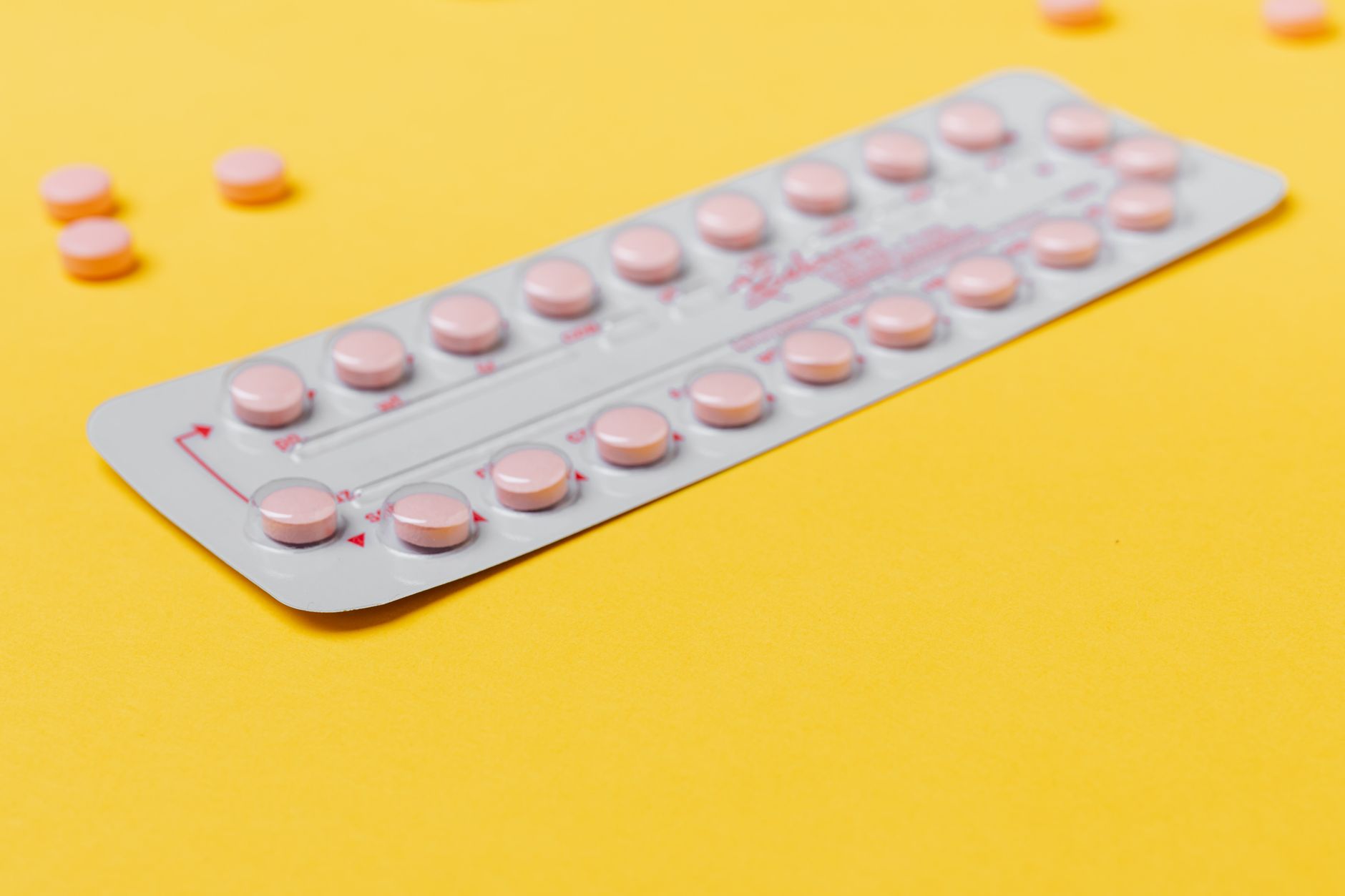
Your hormones are basically running a 24/7 chemical broadcast inside your body. When that broadcast gets interrupted, your mood is often the first thing to know about it.
Estrogen, progesterone, and testosterone all influence neurotransmitters like serotonin and dopamine. These are the same chemicals responsible for feelings of pleasure, calm, and motivation. So when hormone levels fluctuate, as they do throughout the menstrual cycle, during perimenopause, postpartum, or under chronic stress, your emotional baseline shifts with them. Research published in the British Journal of Psychiatry (Bastawy, 2025) confirmed that serum-level variations in steroid hormones are directly associated with mood-related symptoms, backing up what many people have been experiencing their entire adult lives without ever getting a proper explanation.
This isn't weakness. It's biochemistry.
Sleep Deprivation: The Underrated Villain
Here's something most people don't connect: missing even 90 minutes of sleep significantly affects your amygdala, the part of your brain that regulates emotional reactivity.
Without enough rest, your emotional responses become amplified. Things that would normally roll off you now stick. Small frustrations feel catastrophic. Joy feels distant. If you've been sleeping poorly and also experiencing more frequent emotional swings, those two things are almost certainly linked. Poor sleep doesn't just affect how tired you feel. It rewires how intensely you feel everything.
Blood Sugar Fluctuations
Your brain runs on glucose. When blood sugar drops sharply, so does your ability to self-regulate emotionally.
"Hangry" is a real neurological event, not just a meme.
If you're skipping meals, eating high-sugar foods that spike and crash your blood sugar, or going long stretches without eating, your mood will reflect that. The irritability, anxiety, or low-grade sadness you feel mid-afternoon might have more to do with your lunch than your life circumstances.
Stress and Cortisol Overload
Chronic stress floods your system with cortisol, and prolonged elevated cortisol actively suppresses serotonin production. Less serotonin means less emotional stability, more reactive responses, and a shorter fuse across the board. This is the physiological reality behind "I've just been so stressed lately and I can't cope the way I normally do." Your brain's chemistry has genuinely changed under sustained pressure. The feeling is real. The cause is real too.
Mental Health Conditions
Mood swings are a core feature of several mental health conditions, including bipolar disorder, borderline personality disorder, premenstrual dysphoric disorder (PMDD), and major depressive disorder.
If your mood swings are severe, cycle rapidly, or feel completely outside your control, please talk to a mental health professional. This article can offer context and coping tools. It is not a substitute for a proper clinical assessment.
Common Triggers Worth Knowing

Triggers and causes are different things. A cause is the underlying driver. A trigger is what sets it off in a specific moment.
Common triggers include conflict with people close to you, social media scrolling especially at night, certain foods and alcohol, overstimulation from noise or crowds, hormonal shifts mid-cycle, and even weather changes. Identifying your personal triggers is one of the most practically useful things you can do. It transforms a mysterious emotional explosion into something you can anticipate, contextualize, and respond to with more intention.
Keep a simple mood log for two weeks. Even just jotting down your mood and what you were doing or eating before it shifted can reveal patterns you'd never catch otherwise.
Management Strategies That Actually Move the Needle
Regulate Your Blood Sugar First
This sounds boring. It works.
Eating regular meals with protein, healthy fats, and fiber keeps blood sugar stable, which keeps your emotional baseline steadier throughout the day. It's not glamorous advice. But skipping breakfast and then wondering why you're tearful at 11am is a cycle worth breaking.
Move Your Body Consistently
Exercise stimulates endorphin production and directly reduces cortisol. It doesn't have to be intense. A 20-minute walk, a yoga session, dancing in your kitchen. What matters is consistency over intensity. The mood-stabilizing effects of regular physical activity compound over time, making your baseline more resilient even when stress hits. If you're also navigating low libido alongside your mood swings, it's worth knowing that movement and stress reduction can help both. You can read more about that in our piece on finding the real causes behind a missing libido.
Prioritize Sleep Like It's Non-Negotiable
Seven to nine hours for most adults. That's not a guideline. That's the threshold your emotional regulation requires.
Create a wind-down routine. Reduce screen exposure in the last hour before bed. Keep your sleep environment cool and dark. If your sleep disruption is severe and persistent, consider working with a professional. Sleep and mood are so interlocked that fixing one almost always improves the other.
Mindfulness and Emotional Regulation Practices
Mindfulness gets oversimplified into "just breathe," but the actual mechanism is more interesting. Practiced mindfulness strengthens the prefrontal cortex's ability to regulate the amygdala, essentially giving your rational brain more influence over your reactive brain.
You don't need an app or a meditation cushion. Pausing for three full breaths before responding to something that upset you is mindfulness. Naming what you're feeling instead of immediately acting on it is mindfulness. The goal is a gap between stimulus and response. Even a small gap can completely change the outcome.
Address Stress at Its Source
Management tools help. But if the underlying stressor is massive and unaddressed, coping techniques have a ceiling.
This might mean having a difficult conversation. Setting a boundary. Leaving a situation that's been draining you for longer than you want to admit. Stress management includes actually reducing stress, not only building resilience to absorb unlimited amounts of it.
Talk to Someone You Trust or a Professional
Some mood swings need a witness. Verbalizing what you're experiencing to someone who listens without judgment can defuse an emotional spiral faster than almost anything else. And if your mood swings are persistent, severe, or affecting your relationships and work, please seek professional support. Cognitive Behavioral Therapy (CBT) has strong evidence for helping people identify thought patterns that amplify mood instability. You deserve more than white-knuckling through it alone.
The Connection Between Pleasure, Stress, and Emotional Balance
This doesn't get talked about enough. Pleasure is not a luxury. It's a genuine physiological regulator.
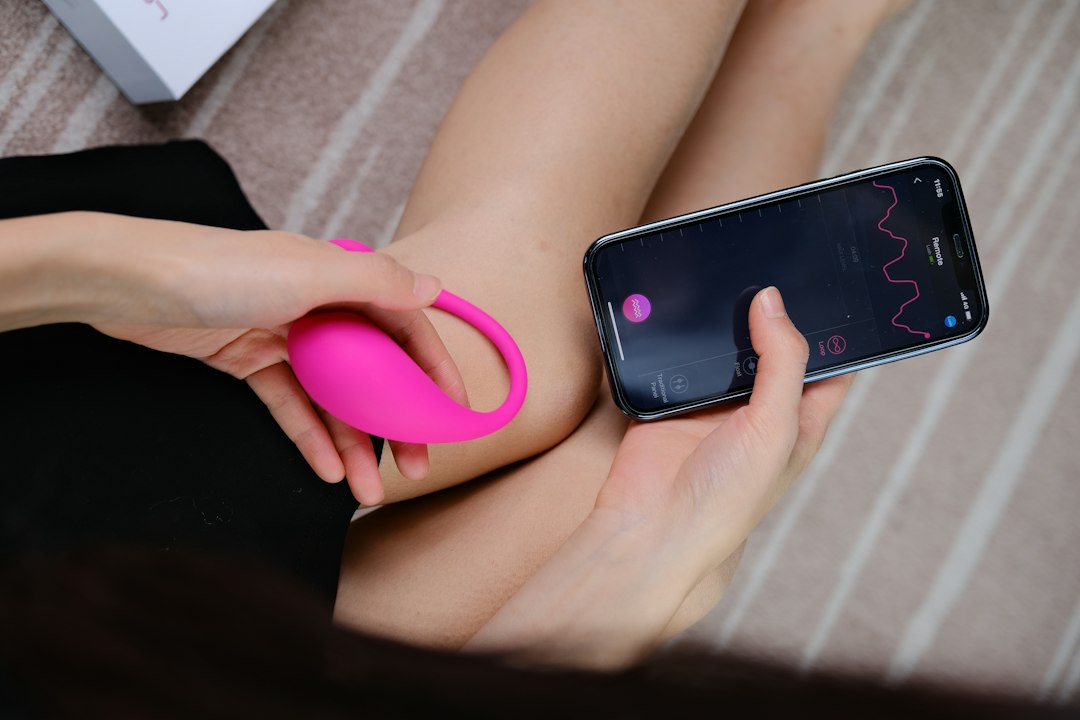
Orgasm releases oxytocin, dopamine, and endorphins. These are literally mood-stabilizing chemicals. Masturbation and partnered intimacy both count. Prioritizing pleasure and exploring vibrators for women as part of a broader self-care practice isn't indulgent. It's data-informed. Your body has built-in chemistry for stress relief. Using it intentionally is smart, not frivolous.
If you're curious about how self-pleasure habits interact with overall wellbeing, we've written more about it in our piece on how often you should masturbate. It's grounded, non-judgmental, and actually useful.
When to Seek Help
Some mood swings are a phase. Some are a pattern. And some are a condition that deserves proper care.
If your emotional swings are causing consistent distress, damaging your relationships, making it hard to function, or if you experience periods of very elevated or very depressed mood lasting days at a time, please reach out to a doctor or therapist. Early support is so much easier than waiting until you're at a breaking point. You're allowed to ask for help before things get critical.
Bottom Line
Mood swings are real, they're physical, and they're manageable. Your emotional volatility is not a character flaw. It's your nervous system under pressure, responding to real inputs: hormones, sleep, food, stress, unprocessed emotion.
Start with the basics. Eat. Sleep. Move. Reduce what you can. Build in pleasure and connection wherever possible. And if the basics aren't enough, go deeper with professional support.
You're not too much. You're under-resourced. There's a difference. And knowing that difference is where things start to shift. ✨
Want to make your journey even more exciting? I've handpicked some amazing toys and goodies at Hello Nancy that'll add extra sparkle to your intimate moments. (Here's a little secret — use 'dirtytalk' for 10% off!)
If you're looking for a little something to support your self-care ritual, the Berri Edging Clitoral Massager is a beautiful place to start. It's gentle, precise, and designed around your pleasure.

If you want something with a bit more range, the clitoral vibrators collection has options for every mood and moment. Because your pleasure is part of your wellness, full stop.
Frequently Asked Questions
What causes sudden mood swings for no apparent reason?
Sudden mood swings often have an underlying cause even when they feel random. Hormonal fluctuations, blood sugar drops, sleep deprivation, and elevated cortisol from chronic stress are the most common drivers. Keeping a mood and food journal for a couple of weeks can help reveal patterns you wouldn't otherwise notice.
Can hormone imbalance cause mood swings in women?
Yes, absolutely. Estrogen and progesterone fluctuations throughout the menstrual cycle directly influence serotonin and dopamine levels, the brain's key mood-regulating chemicals. This is why many people notice mood shifts in the days before their period, during perimenopause, or postpartum.
How do I stop mood swings naturally?
Stabilizing blood sugar through regular, balanced meals, getting seven to nine hours of sleep, exercising consistently, and practicing mindfulness are the most evidence-backed natural approaches. None of them is a quick fix, but together they create a more stable emotional baseline over time.
Are mood swings a sign of anxiety or depression?
They can be, though mood swings alone don't confirm either condition. Both anxiety and depression can produce emotional instability, irritability, and unpredictable shifts in how you feel. If mood swings are persistent, intense, and affecting your daily life, speaking with a mental health professional is the clearest path forward.
Why do I get mood swings before my period?
In the luteal phase (the week or two before your period), progesterone rises then falls sharply, and estrogen also dips. These hormonal changes affect serotonin production, which is why many people experience irritability, sadness, or emotional sensitivity during this window. When symptoms are severe, this is known as PMDD and is worth discussing with a doctor.
Can lack of sleep cause mood swings?
Yes, and it's one of the most underappreciated links. Sleep deprivation increases amygdala reactivity, meaning your emotional responses become more intense and harder to regulate. Even losing 90 minutes of sleep can noticeably shift how emotionally reactive you are the following day.
When should I see a doctor about mood swings?
See a doctor if your mood swings are severe, happen very frequently, last for days at a time, or are disrupting your relationships, work, or ability to function. These could indicate a hormonal imbalance, a thyroid issue, or a mental health condition that benefits from professional assessment and care.
Does exercise really help with mood swings?
It genuinely does. Physical activity boosts endorphin production and lowers cortisol, both of which directly support mood stability. The key is regularity rather than intensity. A consistent 20-minute daily walk will do more for your emotional regulation than one intense gym session per week.