Add ₱764.40 to get Free Gift



Nobody warned you this was coming. One day everything feels fine, and the next your body has quietly changed the rules on you without sending so much as a memo.
Vaginal dryness is one of those things that gets whispered about, rarely explained, and almost never treated with the urgency it deserves. But here's what I want you to know: it's common, it's treatable, and you have real options.
Let's walk through all of them together.
Why Vaginal Dryness Happens in the First Place
Estrogen is the key player here. It keeps the vaginal lining thick, lubricated, and elastic. When estrogen drops, that entire system starts to struggle. The lining thins, natural moisture decreases, and the tissue becomes more fragile and sensitive.
Menopause is the most talked-about cause. But it's far from the only one.
Breastfeeding, certain hormonal contraceptives, cancer treatments like chemotherapy or radiation, and even chronic stress can all suppress estrogen enough to trigger dryness. Some antihistamines and antidepressants quietly contribute too, which is why your symptom history matters so much when you talk to a doctor. According to a 2024 paper published in the International Journal of Women's Health, various treatment options exist spanning both hormonal and non-hormonal categories, and the right fit depends heavily on your individual health profile.
The good news? Understanding the root cause makes treatment much more targeted and effective.
Over-the-Counter Options: Your First Line of Defense
Before prescriptions enter the conversation, there's a solid category of options you can access today without a doctor's visit.
Vaginal moisturizers are designed for regular use, not just during sex. You apply them every two to three days to maintain the vaginal lining's baseline hydration. Products like Replens and similar formulas work by binding moisture to vaginal tissue over time, creating cumulative relief rather than a one-time fix. These are worth starting immediately while you explore other options.
Lubricants serve a different purpose.
They're applied right before or during sexual activity to reduce friction and discomfort. Water-based formulas are the most universally recommended because they're compatible with condoms and most vibrators for women. Silicone-based lubricants last longer and don't absorb as quickly, making them a popular choice for longer sessions. Just keep them away from silicone toys. Oil-based options exist too, but they can disrupt vaginal pH balance and aren't compatible with latex.
Think of moisturizers as the long game and lubricants as the immediate assist.
Topical Estrogen: The Most Common Prescription Route
If over-the-counter options aren't cutting it, your doctor will likely talk to you about topical estrogen. This is localized treatment, meaning the estrogen goes directly to the vaginal tissue without significant absorption into the bloodstream.
That distinction matters, especially if you've heard concerns about systemic hormone therapy.
Topical estrogen comes in several forms: creams, suppositories, rings, and tablets. Vaginal creams are applied with a small applicator. Suppositories and vaginal tablets dissolve directly inside. The vaginal estrogen ring (like Estring) is inserted once and releases a low, steady dose over three months. Depending on your lifestyle and comfort level, one format will feel more intuitive than others. Discuss all formats openly with your provider because there's no single "right" delivery method.
This category of treatment has decades of evidence behind it and remains the gold standard for moderate to severe vaginal dryness.
Systemic Hormone Therapy: When You Need Broader Relief
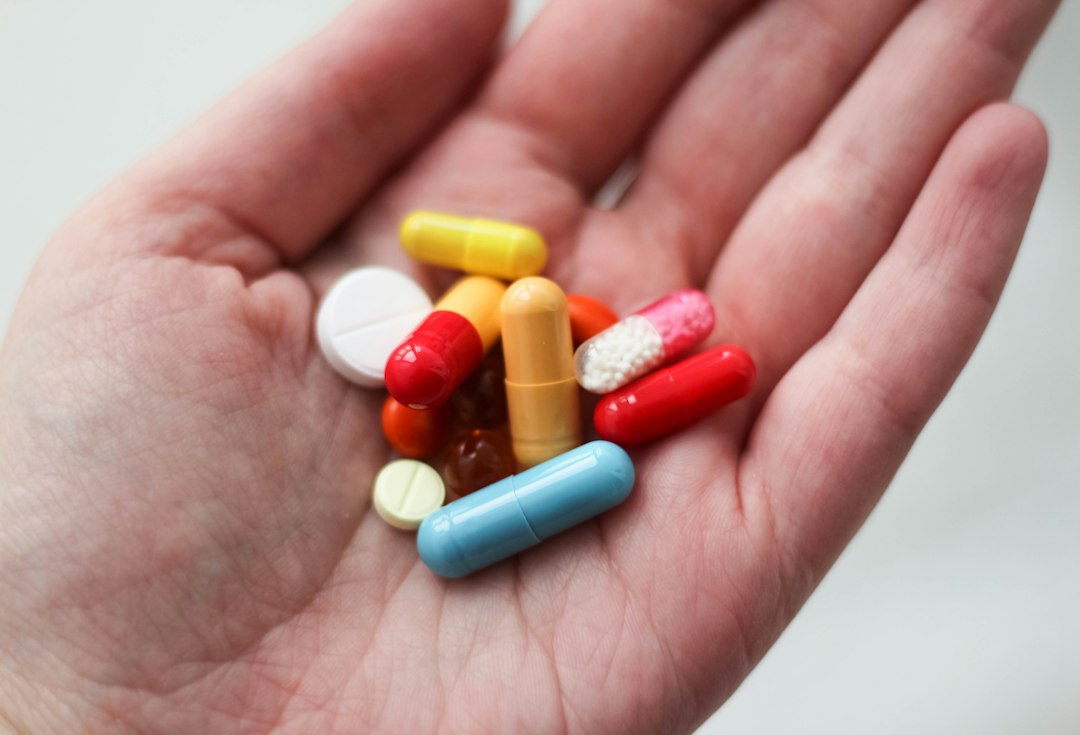
Some people experience vaginal dryness as part of a wider cluster of menopause symptoms. Hot flashes, night sweats, sleep disruption, and mood shifts don't always play nicely with a purely localized treatment. That's where systemic hormone therapy comes in.
Systemic HRT delivers estrogen throughout the body, either via oral pills, skin patches, gels, or sprays.
It addresses vaginal symptoms as part of a broader picture. The conversation around systemic HRT has evolved significantly over the past two decades, and current medical guidance is far more nuanced than the blanket warnings of the early 2000s. Your doctor will assess your personal risk factors, including your cardiovascular health history, breast cancer risk, and age, before recommending it. If systemic HRT is appropriate for you, it can be genuinely life-changing.
For people with an intact uterus, a progestogen is typically added to protect the uterine lining. That combination is sometimes called combined HRT. The approach, the dose, and the delivery method are deeply personal decisions that deserve a real conversation with a specialist.
Ospemifene: The Non-Hormonal Prescription Alternative
Not everyone can or wants to use estrogen. Enter ospemifene.
Ospemifene (sold under the brand name Osphena) is a selective estrogen receptor modulator, or SERM. It's an oral tablet taken daily that acts like estrogen in vaginal tissue without being estrogen itself. Research published in 2024 and reviewed by the American Academy of Family Physicians found high-certainty evidence that ospemifene significantly improves vaginal dryness and painful sex, with high treatment satisfaction across three large clinical studies. That's genuinely compelling data. Because it's not a hormone, it's often considered for people who've had hormone-sensitive cancers or who simply prefer to avoid hormonal treatments entirely. It does come with some considerations, including a mild increase in hot flashes for some users and the need for regular medical monitoring.
It's not a first-line option for everyone, but it's a meaningful one that's worth knowing about.
Prasterone (Intrarosa): A Newer Localized Option
Prasterone is a vaginal suppository that contains DHEA, a naturally occurring hormone your body converts locally into both estrogen and testosterone inside vaginal tissue. It was FDA-approved specifically for painful sex caused by menopause-related vaginal changes.
What makes it interesting is its dual action.
By producing both estrogen and androgens locally, it supports not just lubrication but also the health of the vaginal and vulvar tissue more broadly. Some people find it more tolerable than estrogen-based options. Because it works locally, systemic absorption is minimal. It's inserted nightly with a small applicator, similar to a vaginal suppository. If you've been told topical estrogen isn't right for you, prasterone is absolutely worth raising with your gynecologist as an alternative.
Laser and Energy-Based Treatments: The High-Tech Tier
This is where things get genuinely interesting. In-office procedures like fractional CO2 laser therapy (MonaLisa Touch) and radiofrequency treatments (ThermiVa, Viveve) are now available as non-hormonal options for vaginal dryness and tissue rejuvenation.
They work by stimulating collagen production in vaginal tissue.
Heat energy prompts the tissue to remodel, improving both thickness and moisture retention over a series of sessions. Results vary significantly between individuals, and these treatments are typically not covered by insurance since they're still classified as elective or cosmetic in many regions. They're also not universally endorsed by every medical body, so finding a well-credentialed provider and asking direct questions about outcomes is essential. That said, for people who've exhausted other options or can't use hormonal therapies, they represent a meaningful frontier worth exploring.
Pelvic Floor Therapy: The Underrated Game-Changer
Here's one most people never hear about in a doctor's office. Pelvic floor physical therapy.
When vaginal dryness causes pain, especially during sex, the body often responds by tensing the pelvic floor muscles protectively. Over time, that tension becomes its own separate problem layered on top of the original one. A specialized pelvic floor therapist can help you release that tension, restore tissue mobility, and address the muscular component of discomfort that lubricants and medications simply don't touch. Pairing pelvic floor therapy with your chosen medical treatment often produces faster, more complete relief than either approach alone. This is one of those areas where I genuinely wish more doctors mentioned it proactively. If yours hasn't, bring it up yourself.
Bringing Pleasure Back Into the Picture
Medical treatment handles the clinical side. But returning to pleasure, especially partnered or solo pleasure, is also part of healing.
Low-friction, body-safe toys can be part of a gentle return to sexual activity while you're managing symptoms. Maintaining arousal and regular stimulation actually supports vaginal health by increasing blood flow to the tissue. The clitoral orgasm guide on Hello Nancy is a genuinely useful read if you're navigating a return to sexual pleasure after a period of discomfort. Products like clitoral vibrators can be used with generous amounts of lubricant to keep stimulation pleasurable and pressure gentle during recovery.
Your pleasure is not a secondary concern here. It's part of the full picture of health.

Something like the Lem Clitoral Massager is designed for gentle, targeted stimulation with a shape that keeps contact soft and manageable. Pair it with a good water-based lubricant and you've got a combination that supports both comfort and sensation. It's the kind of small, practical change that makes the return to pleasure feel less like a medical project and more like something actually yours.
Talking to Your Doctor: What to Actually Say
The hardest part isn't finding treatment. It's walking into an appointment and saying the words out loud.
Start simple. "I've been experiencing vaginal dryness and it's affecting my comfort and my sex life." That sentence opens every door. Bring a list of your current medications because several common drugs contribute to dryness and your doctor needs the full picture. If you have a history of hormone-sensitive conditions, mention that upfront so the conversation can move directly to the options that suit you. Ask specifically about both hormonal and non-hormonal routes. And if your first provider dismisses your symptoms or rushes the appointment, you are completely within your rights to seek a second opinion. This matters. You deserve a provider who takes it seriously.
Bottom Line
Vaginal dryness is not something you have to push through, normalize, or live with indefinitely. The medical options available today range from gentle over-the-counter moisturizers to targeted prescriptions to innovative in-office procedures. Starting the conversation is the hardest step. Everything after that is just finding the right fit for your body and your life. You deserve that.
Want to make your journey even more exciting? I've handpicked some amazing toys and goodies at Hello Nancy that'll add extra sparkle to your intimate moments. (Here's a little secret — use 'dirtytalk' for 10% off!)
Frequently Asked Questions
What is the most effective medical treatment for vaginal dryness?
Topical estrogen therapy is widely considered the most effective option for moderate to severe vaginal dryness, with decades of clinical evidence behind it. It works locally, minimizing systemic absorption, and comes in creams, tablets, suppositories, and rings. Your doctor can help you choose the delivery format that suits your lifestyle best.
Can vaginal dryness be treated without hormones?
Yes, absolutely. Non-hormonal options include regular vaginal moisturizers, water-based lubricants, ospemifene (an oral SERM tablet), and in-office procedures like CO2 laser therapy. Pelvic floor physical therapy is another highly effective non-hormonal approach that's often underused. Many people combine several of these strategies for best results.
Is vaginal dryness only a menopause symptom?
Not at all. While menopause is the most common cause, vaginal dryness can occur during breastfeeding, after certain cancer treatments, when using specific contraceptive pills, and even as a side effect of antihistamines or antidepressants. It can affect people at any age and any stage of life.
How long does it take for vaginal dryness treatments to work?
It depends on the treatment. Lubricants provide immediate relief during use. Vaginal moisturizers typically show noticeable improvement after two to four weeks of consistent use. Topical estrogen and ospemifene usually take four to twelve weeks to deliver full benefits, though some improvement is often felt within the first few weeks. Patience with these treatments genuinely pays off.
Is local vaginal estrogen safe for people with a history of breast cancer?
This is a conversation that must happen with your oncologist and gynecologist together, as recommendations depend on your specific cancer history, current medications (like aromatase inhibitors), and individual risk profile. Some guidelines do permit low-dose local estrogen in certain cases, but non-hormonal alternatives like ospemifene or prasterone are often prioritized for this group. Never self-prescribe based on general information.
What is the difference between a vaginal lubricant and a vaginal moisturizer?
A lubricant is used situationally, applied right before or during sexual activity to reduce friction. A vaginal moisturizer is used regularly, every two to three days, to maintain baseline hydration of the vaginal tissue over time. Think of one as an immediate fix and the other as ongoing maintenance. Many people benefit from using both.
Can regular sexual activity help with vaginal dryness?
Yes, and this is actually supported by evidence. Regular arousal and sexual stimulation increase blood flow to vaginal tissue, which supports moisture production and tissue elasticity over time. Solo play counts just as much as partnered activity. Using appropriate lubricants and gentle couples toys can make stimulation comfortable even while you're managing dryness symptoms.
What is ospemifene and who is it recommended for?
Ospemifene (brand name Osphena) is an oral, non-hormonal prescription tablet approved for treating vaginal dryness and painful sex related to menopause. It acts on vaginal estrogen receptors without being estrogen itself, making it a viable option for people who cannot or prefer not to use hormone therapy. A 2024 review found high-certainty evidence for its effectiveness and patient satisfaction.