


 Add ₱780.00 to get Free Gift


Your body already did its job. You're turned on, you're wet, and everything feels like it's ready to go. So why are we even talking about adding lube?
Because "wet enough" and "incredible" are two completely different things. And that gap? Lube lives there.
Most people associate lubricants with dryness, discomfort, or some kind of problem that needs fixing. That framing is doing a lot of harm. It makes people who get naturally wet think lube isn't for them, when really, it was always for everyone. Using lube when naturally wet isn't a workaround. It's an upgrade.
What Natural Wetness Actually Does (and Doesn't Do)
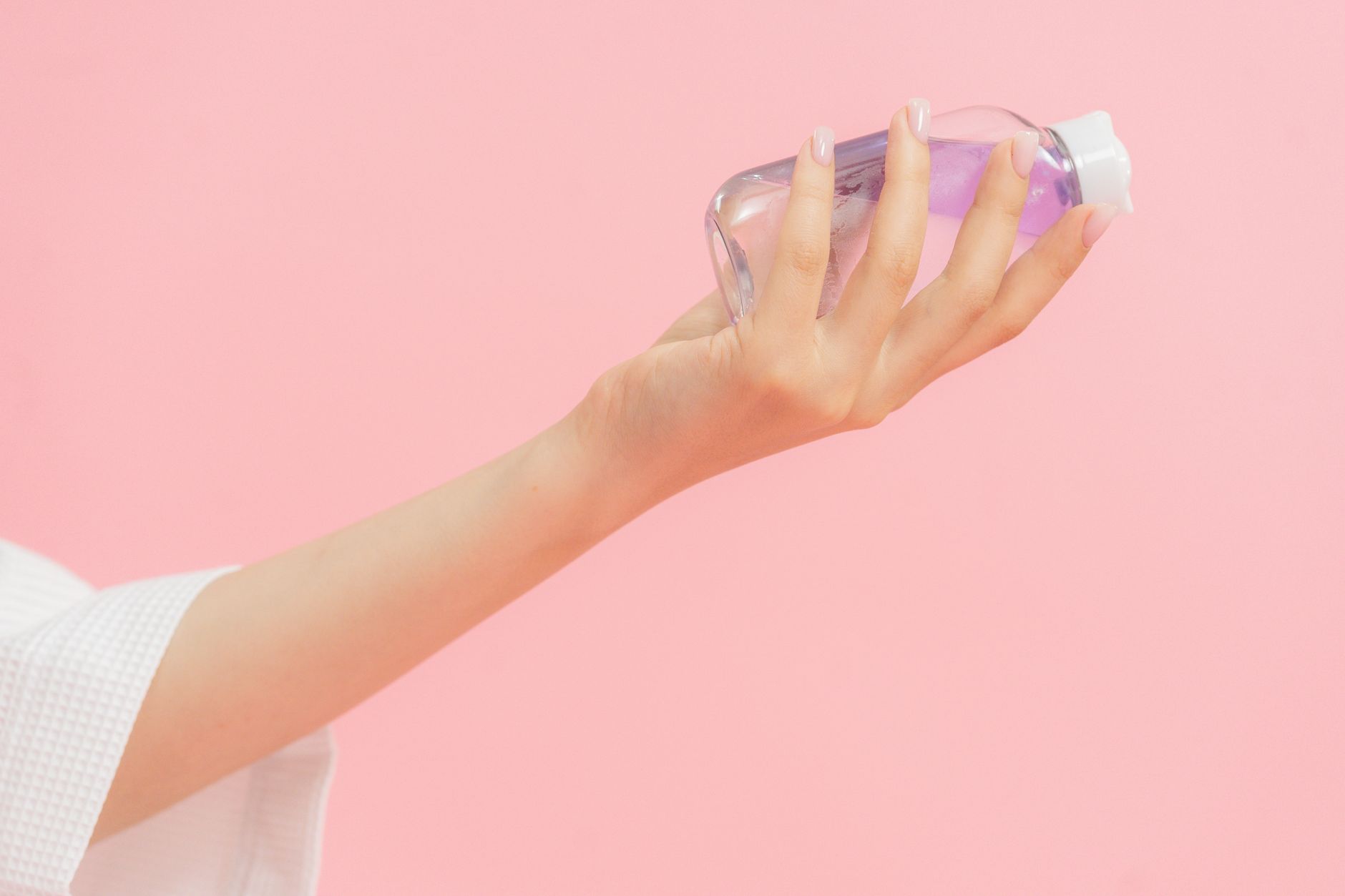
Natural arousal fluid is genuinely impressive. It's your body's way of preparing tissues for contact, reducing friction, and signaling readiness. It responds to mental and physical arousal cues in real time.
Here's the thing though. That fluid fluctuates constantly throughout a single session. Stress, hydration levels, where you are in your cycle, what medication you're on, how long things go on for — all of it affects the volume and consistency of your natural lubrication. You might start out soaking wet and end up noticeably drier twenty minutes later, without anything "going wrong."
Arousal fluid also isn't designed to do everything we ask of it during sex. It tends to thin out under sustained friction. It doesn't play well with certain toys, particularly those made from materials that require consistent slickness to feel their best. And for couples toys or any kind of longer play, it simply can't keep up on its own.
This is where lube steps in. Not as a substitute for your body's response, but as a partner to it.
The Real Benefits of Adding Lube to an Already-Wet Situation

Let's talk pleasure first, because that's the whole point. More lubrication means less drag, and less drag means every nerve ending gets stimulated more efficiently. Research supports this directly: a randomized clinical trial published on ResearchGate found that water-based personal lubricants significantly improved lubrication and reduced discomfort during vaginal sex, even among participants who weren't experiencing dryness to begin with (Dezzutti et al., 2023). That's not a niche finding. That's permission.
Sensation is sharpened when friction is optimized rather than just reduced. Think of it like the difference between dragging your fingers across rough wood versus silk. Both surfaces can produce feeling. But one of them makes every touch feel like a full-body event.
There's a safety angle too, and it matters. Using lube reduces the chance of microtears, those tiny abrasions in delicate tissue that happen even during comfortable, consensual sex. Microtears aren't always painful in the moment, but they create tiny entry points for bacteria and STIs. Adding lube even when you're naturally wet is genuinely protective, not just pleasurable.
Lube also extends everything. Longer sessions, more positions, more experimentation. When you're not unconsciously monitoring whether friction is becoming uncomfortable, you stay in your body more fully. You stay present. And that is where the really good stuff happens.
Toy Play Gets Better With Lube, Full Stop
If you use clitoral vibrators or any kind of toy during solo or partnered play, lube isn't optional — it's essential. Even the softest silicone toy creates more surface contact than skin-on-skin, and that sustained contact without adequate slip can subtly desensitize tissue over time.
A tapping clitoral massager like the Berri, for example, benefits enormously from a small drop of water-based lube. The tapping sensation becomes more precise, more enveloping, and the skin stays comfortable even during longer edging sessions. It's the difference between a good experience and one you actually remember.
Clitoral suction toys are another category where lube transforms everything. The seal that creates that air pulse sensation? It forms better with lube present. Without it, you're leaving sensation on the table.
Choosing the Right Type of Lube for Your Body
Not all lubricants are created equal, and the wrong type can actually create friction problems of a different kind, like irritation, pH disruption, or incompatibility with toy materials.
Water-based lube is the safest all-rounder. It's compatible with every toy material, every condom type, and it won't interfere with vaginal pH the way some gel-based formulas can. It does absorb relatively quickly, which means reapplying is part of the game. Worth it, every time.
Silicone-based lube lasts significantly longer and feels incredibly silky. The catch is that you can't use it with silicone toys, because it degrades the material. Keep it for skin-to-skin moments or non-silicone toy play.
Oil-based lube is gorgeous for external massage and certain kinds of play, but it breaks down latex condoms completely. It also lingers in ways that can disrupt the vaginal microbiome. Know your context before reaching for it.
If you want guidance on what works for arousal and comfort together, the best natural arousal products breakdown over on the Hello Nancy blog is worth a read. It covers how different formulas interact with the body in ways most people genuinely haven't considered.
The Mindset Shift That Changes Everything
There's a cultural story we've absorbed that says using lube means something is broken. That if you need it, your body failed, or your partner didn't do enough, or the moment wasn't real enough. That story is not just wrong. It's actively getting in the way of pleasure you deserve to have.
Lube is a tool. Full stop.
Athletes tape their ankles before games. It doesn't mean their ankles are broken. Chefs sharpen their knives before cooking. It doesn't mean the knife was blunt. Using lube before or during sex when you're already wet doesn't mean anything is missing. It means you know how to optimize an already-good situation, and that is a skill worth having.
For people navigating changes in lubrication due to hormonal shifts, postpartum recovery, medication side effects, or stress, lube is also an act of self-compassion. Your body's variability is not a flaw. Working with it, rather than against it, is just good sense. The conversation around desire and arousal is bigger than most of us realize, and lube is one of the most accessible ways to meet yourself exactly where you are.
How to Actually Bring Lube Into Your Routine
Start small. Keep a bottle somewhere genuinely accessible, not buried in a drawer under three other things. Nightstand. Nearby shelf. Within arm's reach during the moment, because pausing to rummage is the fastest way to lose momentum.
A few drops is usually enough to begin. Apply it directly to yourself, to your partner, or to your toy before things get started. You can reapply whenever you feel like the sensation has shifted.
Making lube part of foreplay is also a genuinely good move. Having your partner apply it slowly can be remarkably intimate. It shifts lube from "utilitarian thing we do" to "part of the experience," which is exactly where it belongs.
And if you're exploring vibrators for women for the first time or returning to solo play after a gap, lube is the single easiest way to make that first session feel generous and comfortable rather than mechanical.
Want to make your journey even more exciting? I've handpicked some amazing toys and goodies at Hello Nancy that'll add extra sparkle to your intimate moments. (Here's a little secret — use 'dirtytalk' for 10% off!)
Frequently Asked Questions
Is it okay to use lube even if I get naturally wet?
Absolutely. Natural wetness and lube are not competing things. Adding lubricant enhances sensation, reduces friction-related micro-irritation, and helps sustain comfort throughout longer sessions, regardless of how aroused you already are.
Does using lube mean my natural lubrication isn't enough?
No, and it's worth dropping that idea entirely. Using lube is a pleasure choice, not a sign that your body is failing. Even people with robust natural lubrication use lube to enhance sensation and protect tissue during longer or more vigorous play.
What type of lube is best to use with sex toys?
Water-based lubricant is the safest choice for use with toys. It's compatible with all toy materials, including silicone, and won't degrade the surface or disrupt vaginal pH. Silicone-based lube should not be used with silicone toys as it breaks down the material over time.
Can using lube during sex help prevent STIs or infections?
Lube reduces microtears in delicate tissue, which are tiny abrasions that can serve as entry points for bacteria and STIs. While lube alone isn't a protective barrier the way condoms are, reducing tissue trauma is a meaningful layer of care for your sexual health.
Does lube affect natural lubrication or disrupt vaginal pH?
It depends on the formula. High-quality water-based lubes formulated with a pH close to the vagina's natural range (3.8 to 4.5) are very unlikely to cause disruption. Avoid lubes with glycerin, fragrances, or high osmolality if you're prone to sensitivity or yeast infections.
How much lube should I use if I'm already naturally wet?
A few drops is genuinely all you need to start. You can always reapply if sensation shifts during the session. There's no "too much" from a safety standpoint, so listen to what feels best for you and your partner in the moment.
Why does natural lubrication decrease during sex even when I'm aroused?
Arousal fluid fluctuates based on hydration, stress levels, cycle phase, medications, and the duration of a session. It's completely normal for natural wetness to diminish partway through even when you're genuinely aroused. Lube picks up exactly where your body's response tapers off.
Is lube safe to use with condoms?
Water-based and silicone-based lubes are both safe to use with latex condoms. Oil-based lubes are not safe with latex as they degrade the material and dramatically increase the risk of breakage. Always check compatibility before combining lube with barrier methods.


