


 Add ₱780.00 to get Free Gift


Your heart is pounding so hard you can hear it. You're convinced something is catastrophically wrong. And then, twenty minutes later, it's over. That is a panic attack. And if they keep coming back without warning, that's panic disorder.
It's one of those experiences that's genuinely hard to explain to someone who hasn't felt it. Because on the outside, nothing is happening. But inside your body, every alarm is screaming at once.
Let me break this down in a way that actually makes sense. No clinical detachment, no scary Wikipedia spiral. Just real talk about what panic disorder is, why it happens, and what you can actually do about it.
What Panic Disorder Really Is (And What It Isn't)

Panic disorder is not just anxiety. It's a specific pattern where your body launches a full-scale emergency response with absolutely no emergency present. The American Psychiatric Association describes it as recurrent, unexpected panic attacks followed by at least a month of ongoing worry about having more of them, or significant behavioral changes to avoid them.
That last part matters. It's not just the attacks themselves. It's the anticipatory dread that starts to reshape your whole life.
Around 2 to 3 percent of adults experience panic disorder in any given year, according to research cited by the Cleveland Clinic (2023). And women are diagnosed roughly twice as often as men. That gap is real, though researchers are still untangling how much of it is biology versus reporting differences.
Here's the kicker. Panic disorder often goes undiagnosed for years because the physical symptoms feel so convincing that people end up in emergency rooms convinced they're having heart attacks instead of seeking mental health support.
The Symptoms: What Your Body Does During a Panic Attack
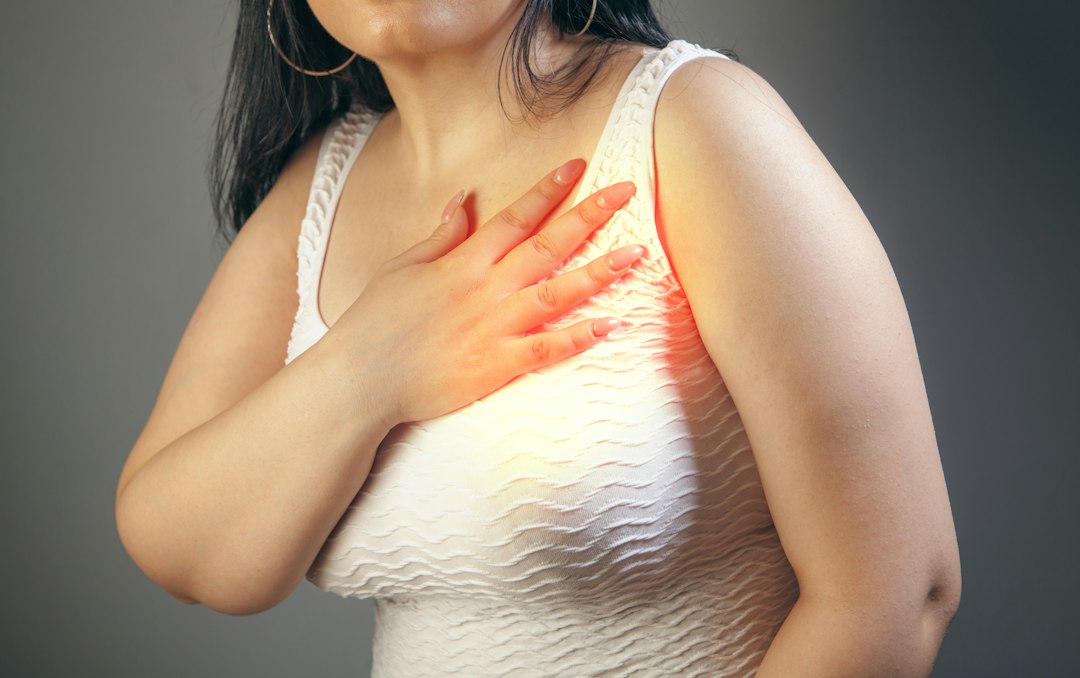
A panic attack typically peaks within ten minutes and rarely lasts longer than thirty. But those minutes feel eternal. Your nervous system floods you with adrenaline as if you're being chased by something that could kill you.
The physical experience is intense. Heart palpitations, chest tightness, shortness of breath, dizziness, tingling in the hands and feet, sudden sweating or chills, nausea, and a sensation that the world around you isn't quite real. That last one has a clinical name: derealization. It's particularly disorienting because it makes you feel like you're watching yourself from outside your own body.
Then there's the psychological layer.
Fear of dying, fear of losing control, or a sudden overwhelming certainty that something terrible is happening. These thoughts feel completely logical in the moment. The body is producing real physical sensations. The mind is just trying to make sense of them, and it goes straight to worst-case.
What Actually Triggers Panic Disorder

Here's something that surprises a lot of people. Panic disorder doesn't always have an obvious trigger. That's literally part of the diagnostic criteria. The attacks are unexpected, meaning they don't always trace back to a specific stressor.
That said, certain conditions make them more likely to emerge. Chronic stress is a big one, as is a history of trauma, major life transitions, or even caffeine and sleep deprivation. Genetics play a role too. If a close family member has an anxiety disorder, your likelihood of developing one increases. But biology is never destiny.
There's also the feedback loop problem. Once you've had one panic attack, the memory of it becomes a trigger in itself. Your brain learns to scan for sensations that resemble what happened before, and that hypervigilance can actually cause the symptoms it's afraid of.
It's one of the most frustrating self-fulfilling cycles in mental health.
Coping Strategies That Are Backed by Evidence

The good news is that panic disorder is one of the most treatable anxiety conditions there is. And treatment actually works.
Cognitive Behavioral Therapy, or CBT, is consistently the gold standard. A meta-analysis across multiple randomized controlled studies found CBT to be significantly effective for panic disorder, with large effect sizes for reducing both panic attacks and avoidance behavior (Otte, 2011). What CBT does is interrupt the catastrophic thinking loop. Instead of your brain interpreting a racing heartbeat as "I'm dying", it learns to recognize the sensation as harmless physical arousal. That reframing sounds simple. It's genuinely powerful.
Another approach gaining serious clinical traction is interoceptive exposure. This is where you deliberately reproduce mild versions of panic sensations in a controlled way, like spinning in a chair to get dizzy or breathing through a straw to restrict airflow. It sounds counterintuitive and maybe a little unhinged. But it desensitizes your nervous system to those physical cues over time, so they stop reading as dangerous.
Breathing regulation is a technique you can start right now. During panic, people tend to hyperventilate without realizing it, which worsens dizziness and tingling. Slowing your exhale to be longer than your inhale activates the parasympathetic nervous system. Try breathing in for four counts, out for six or eight. Do that for a few cycles and notice what shifts.
Lifestyle Factors That Quietly Make a Difference
Sleep, movement, and caffeine intake matter more than most people expect. Regular aerobic exercise has demonstrated real effects on anxiety sensitivity, the tendency to interpret physical sensations as threatening. Cutting back on caffeine, especially if you're prone to heart palpitations, can meaningfully reduce attack frequency for some people. These aren't glamorous interventions. But they're real.
Building a consistent daily structure also helps. Unpredictability is a nervous system stressor. Knowing what your day looks like, even roughly, creates a container that makes the unexpected feel less threatening.
When to Seek Professional Support
If panic attacks are happening more than once a week, or if you've started avoiding places, people, or situations because of them, that's the signal. You deserve actual support, not just coping on your own indefinitely. A therapist trained in CBT or Acceptance and Commitment Therapy (ACT) can make a profound difference.
Medication is also an option. SSRIs are commonly prescribed for panic disorder and can be used alongside therapy. That combination tends to produce the strongest outcomes. Talk to a psychiatrist or your GP about what makes sense for your situation.
The Connection Between Stress, Anxiety, and Your Body
Panic disorder doesn't live in a vacuum. It tends to show up alongside other conditions. Depression, generalized anxiety disorder, and social anxiety frequently co-occur with it. This is worth knowing not to alarm you, but because treating the whole picture matters. If you're also dealing with stress that's quietly affecting your intimate relationships, that's worth addressing too. Chronic anxiety can flatten libido, disrupt connection, and create emotional distance with partners.
Your nervous system doesn't compartmentalize. What affects your mental health affects your body, your relationships, your desire, and your sense of self. Taking panic disorder seriously is an act of radical self-respect.
And while panic disorder is the focus here, it's worth noting that body-based practices, like progressive muscle relaxation, yoga, and even mindful touch, help regulate the nervous system in ways that complement therapy beautifully. If you're curious about how body awareness and mindful sensation can play a role in nervous system regulation and overall wellbeing, that's a genuinely fascinating rabbit hole.
Building Your Personal Panic Response Plan

Having a plan before a panic attack happens changes everything. When you're mid-attack, your prefrontal cortex (the thinking, reasoning part of your brain) goes partially offline. You need a script your body can run on autopilot.
Write it down beforehand. Something like: "This is a panic attack. It is not dangerous. It will pass. I am going to breathe slowly and let it move through me." Then practice the breathing. Ground yourself using the 5-4-3-2-1 technique: name five things you can see, four you can touch, three you can hear, two you can smell, one you can taste. It pulls your attention out of the internal spiral and back into the present environment.
If you're exploring how to feel safer in your body more broadly, quality vibrators for women and other body-positive pleasure tools can be a surprisingly effective part of a holistic self-care practice. Pleasure and embodiment aren't frivolous. They're genuinely supportive of nervous system health.
The clitoral vibrators at Hello Nancy are designed with body-safe materials and thoughtful design, making them a low-pressure starting point if you're curious about reconnecting with your body in a gentle, affirming way.
Wrapping Up
Panic disorder is real, it's physical, and it makes complete sense given how your nervous system works. It's not weakness. It's not "all in your head" in a dismissive sense. It's your threat-detection system stuck in overdrive, and that's something you can work with.
You deserve support that meets you where you are. You deserve tools that work. And you deserve to stop organizing your life around the fear of the next attack.
Start small. Try the breathing. Book one appointment. Write your plan. The body learns. It can unlearn too. ✨
Want to make your journey even more exciting? I've handpicked some amazing toys and goodies at Hello Nancy that'll add extra sparkle to your intimate moments. (Here's a little secret. Use 'dirtytalk' for 10% off!)
Frequently Asked Questions
What is the difference between a panic attack and panic disorder?
A panic attack is a single intense episode of fear with physical symptoms like racing heart and shortness of breath. Panic disorder is diagnosed when these attacks recur unexpectedly and are followed by persistent worry about having more, or when they cause significant changes in behavior to avoid future attacks.
Can panic disorder go away on its own without treatment?
For some people, panic disorder does improve over time, especially if the original stressor resolves. However, without treatment it often persists or worsens because the avoidance behaviors that develop actually reinforce the anxiety cycle. Professional support significantly improves long-term outcomes.
How long does a panic attack last and is it dangerous?
Most panic attacks peak within ten minutes and resolve within twenty to thirty minutes. They feel terrifying but are not medically dangerous. The symptoms, while intense, are caused by adrenaline and do not cause physical harm to the heart or other organs.
What is the most effective treatment for panic disorder?
Cognitive Behavioral Therapy (CBT) is considered the gold-standard treatment, with strong evidence from multiple clinical trials. It is often combined with SSRIs for best results. Interoceptive exposure, breathing retraining, and mindfulness-based approaches are also widely used and effective.
Can panic disorder cause physical symptoms that feel like a heart attack?
Yes, and this is one of the most common reasons people with undiagnosed panic disorder end up in the emergency room. Chest pain, heart palpitations, shortness of breath, and arm tingling during a panic attack can closely mimic cardiac symptoms. A medical evaluation can rule out heart conditions and help identify panic disorder.
What triggers panic disorder in adults?
Panic disorder can be triggered by major life stress, trauma, significant transitions, or even physical factors like caffeine, sleep deprivation, and thyroid issues. Genetics also play a role. Crucially, many panic attacks occur without any obvious external trigger, which is part of what makes the disorder so disorienting.
How do I stop a panic attack when it's happening?
Slow your exhale. Breathing out for longer than you breathe in activates the parasympathetic nervous system and signals safety to your body. Try inhaling for four counts and exhaling for six to eight. Grounding techniques like the 5-4-3-2-1 method also help redirect attention away from the internal spiral.
Does panic disorder affect relationships and sexual health?
It absolutely can. Chronic anxiety suppresses libido, creates emotional withdrawal, and can make intimacy feel unsafe. Partners often don't understand what's happening, which creates distance. Addressing panic disorder with therapy often leads to meaningful improvements in relationship quality and sexual wellbeing as a natural byproduct.


