Add ₱769.20 to get Free Gift


Something feels off, and you can't quite put your finger on it. Then you realize: that feeling — the friction, the discomfort, the suddenly-not-fun intimacy — has a very real, very physical explanation. And it's more common than anyone admits out loud.
Vaginal dryness affects somewhere between 15% and 57% of people depending on life stage, and yet it's still treated like an embarrassing secret (Institute for Natural Medicine, 2023). The good news? There are genuinely effective, natural remedies worth knowing about.
Let's get into it.
Why Vaginal Dryness Happens in the First Place
Your vaginal tissue is basically a humidity sensor for your hormones. When estrogen levels drop — whether from menopause, postpartum recovery, stress, certain medications, or even just a rough month — the vaginal walls thin and produce less natural lubrication. It's biology, not a personal failure.
Stress is a sneaky culprit that barely gets enough blame here. High cortisol suppresses estrogen, which means even a particularly chaotic season of life can leave you feeling drier than usual during intimacy. Add in antihistamines, antidepressants, or hormonal birth control, and suddenly the picture becomes a lot clearer.
Hydration matters more than you'd think, too.
Dehydration directly affects mucosal tissue throughout your whole body, and your vaginal lining is no exception. Drinking enough water won't solve everything on its own, but it's genuinely part of the foundation. If you've been ignoring your water intake, start there before anything else.
Natural Oils That Actually Help
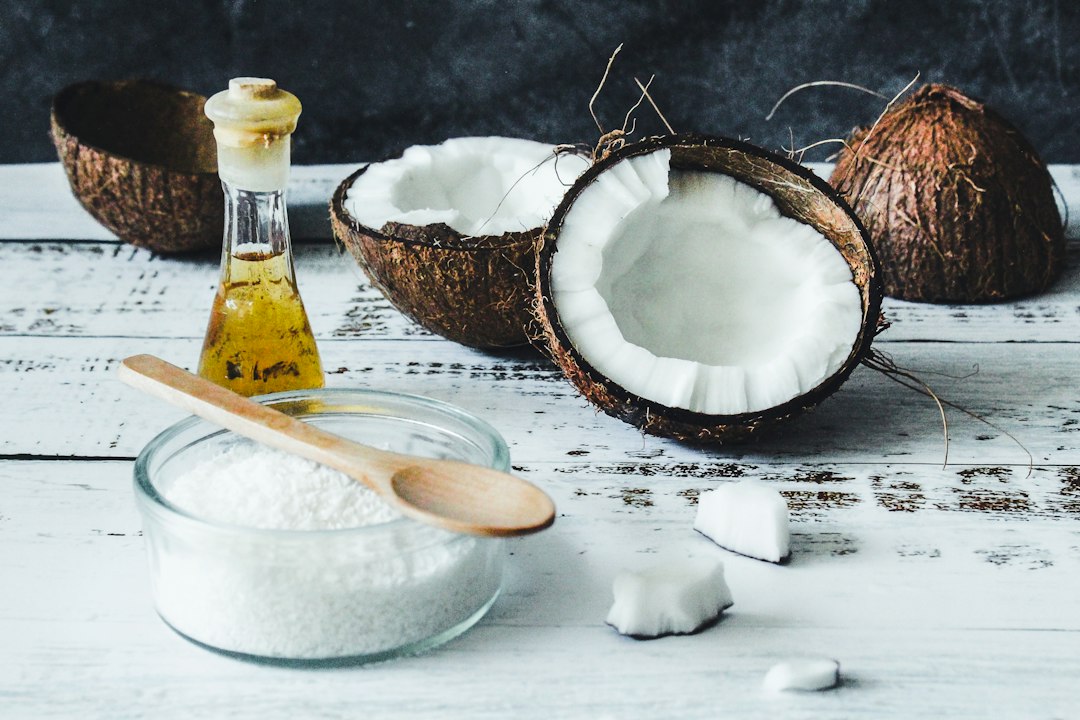
Coconut oil has been a quiet staple in natural intimate care for years. It's moisturizing, antimicrobial, and pH-friendly for most people. The caveat? It breaks down latex condoms, so plan accordingly if you use them. Apply externally or internally as a personal moisturizer, not a lubricant mid-intercourse.
Sea buckthorn oil is the underdog remedy that genuinely deserves more attention. Research shows it supports vaginal mucosal health from the inside out when taken as a supplement. It's rich in omega-7 fatty acids, which are particularly good at maintaining moisture in mucous membranes. It's not glamorous, but it works.
Vitamin E oil, applied topically or used as a suppository, is another well-regarded option. Many gynecologists actually recommend it for vaginal dryness because it nourishes the tissue directly. Look for pure vitamin E oil without synthetic additives.
Diet Changes That Make a Difference
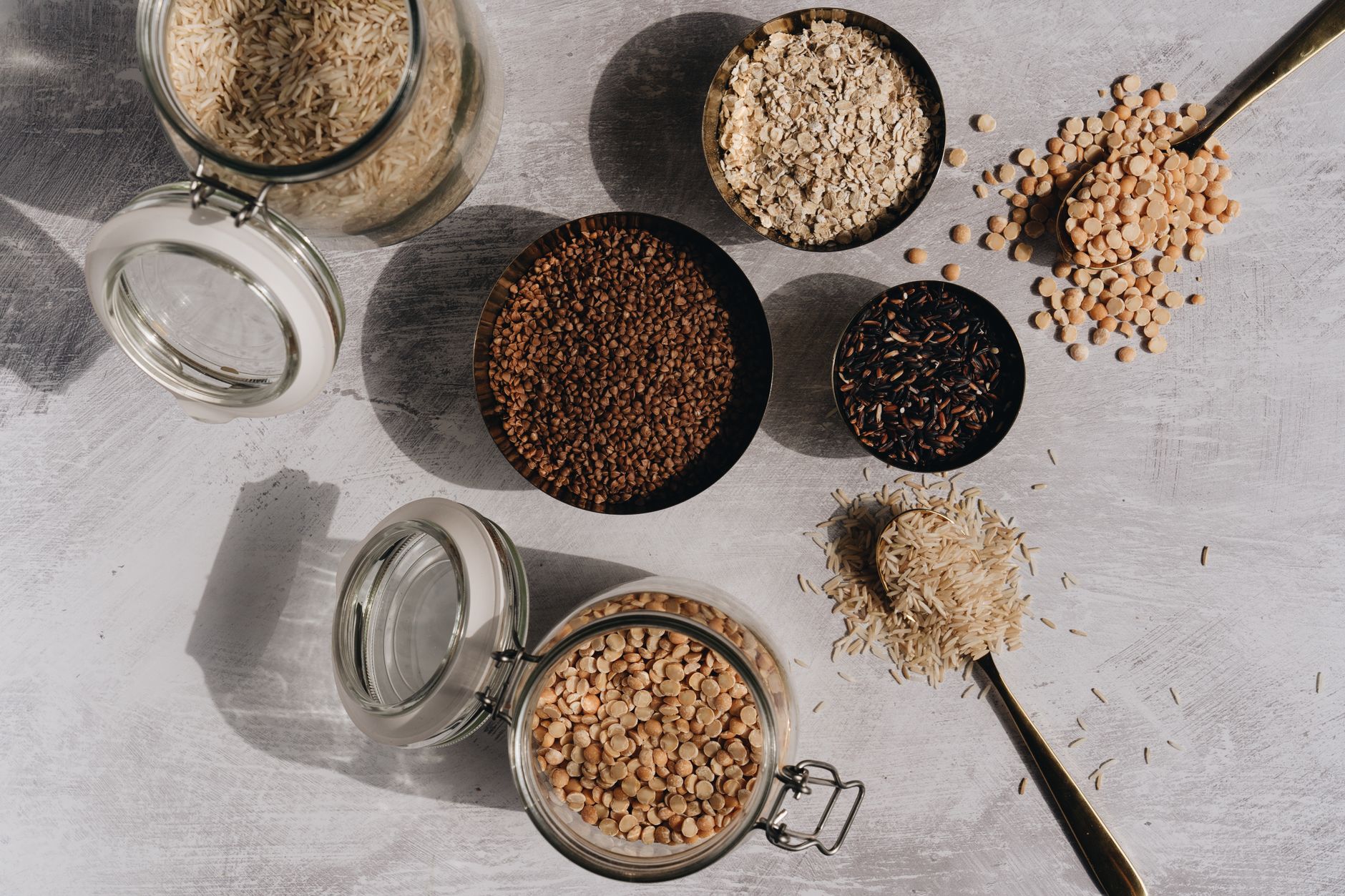
Phytoestrogens are plant compounds that gently mimic estrogen in the body. Flaxseeds, soy, lentils, and chickpeas are all solid sources. They won't replicate hormone therapy, but they can help ease symptoms for many people, especially during perimenopause.
Omega-3 fatty acids support tissue hydration at a cellular level. Think fatty fish, walnuts, and chia seeds as regular parts of your diet, not just occasional additions. Consistent intake over weeks is where you'll notice the difference, not after a single salmon dinner.
What you reduce matters as much as what you add. Alcohol, excessive caffeine, and ultra-processed foods all contribute to systemic inflammation and dehydration that show up everywhere, including your vaginal tissue. Cutting back even a little creates a noticeable ripple effect.
Probiotics and Vaginal Microbiome Health
Your vaginal microbiome is its own ecosystem, and keeping it balanced directly affects moisture levels and tissue health. Lactobacillus strains are the key players here. A randomized controlled trial found that probiotics containing lactobacilli reduced vaginal dryness symptoms in postmenopausal women. That's not a small thing.
You can get lactobacillus from fermented foods like plain yogurt, kefir, sauerkraut, and kimchi. Or go straight to a quality oral probiotic with a high CFU count specifically formulated for vaginal health. Look for Lactobacillus rhamnosus and Lactobacillus reuteri on the label.
Consistency is everything with probiotics.
Lifestyle Habits That Quietly Support Vaginal Health
Regular sexual activity or even regular arousal, with or without a partner, increases blood flow to the vaginal tissue and supports natural lubrication over time. This is sometimes called the "use it or lose it" principle in clinical conversations, and there's real physiology behind it. Clitoral vibrators are a genuinely useful tool here, especially if partnered sex isn't on the table or your desire fluctuates.
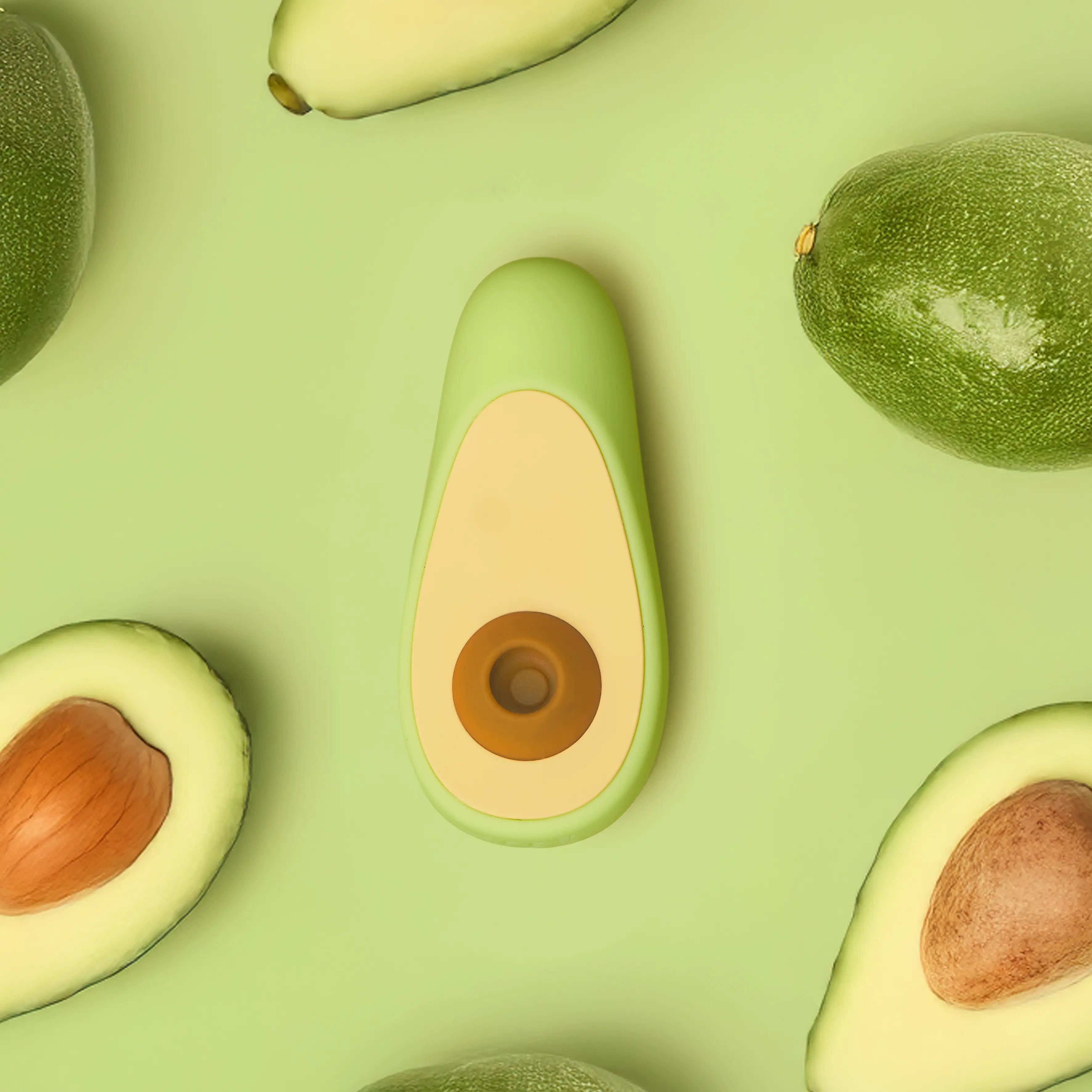
For people who want to explore solo stimulation as part of their vaginal health routine, the Lem Clitoral Massager is worth a look. It's designed with both pleasure and body-safe materials in mind, which matters a lot when you're dealing with sensitive tissue.
Sleep is another big one that gets overlooked. During deep sleep, your body regulates hormones, repairs tissue, and manages inflammation. Chronic poor sleep is linked to hormonal disruption, and hormonal disruption leads straight back to vaginal dryness. Getting your sleep right is, genuinely, a form of intimate self-care.
Avoiding harsh soaps, scented products, and douching around the vulva protects the delicate mucosa that's already under stress. Your vagina is self-cleaning. Let it do its job without interference from synthetic fragrances.
Natural Lubricants vs. Moisturizers: Know the Difference
This is a distinction that matters and most people conflate. Lubricants are for in-the-moment friction reduction during sex or toy use. Moisturizers are for ongoing tissue hydration used regularly, multiple times a week, regardless of whether you're having sex.
For natural lubricants, water-based options with minimal ingredients are your safest bet. Aloe vera gel (the pure kind, not the bright green gel with dyes) is a brilliant natural alternative that's body-safe, pH-compatible, and slippery enough to do the job. Pair it with any of the vibrators for women in your toy collection for a more comfortable, pleasurable experience.
For natural moisturizers, hyaluronic acid suppositories or vitamin E applied internally two to three times a week can make a meaningful difference within a few weeks. These work best when used consistently, not just when symptoms feel unbearable.
When to Actually See a Doctor
Natural remedies are genuinely powerful for mild to moderate dryness. But if you're experiencing pain during sex, bleeding, or symptoms that don't respond to several weeks of consistent natural care, that's a signal to loop in a healthcare provider. Genitourinary Syndrome of Menopause (GSM) can require targeted treatment beyond lifestyle changes.
There's no shame in needing more support. Natural remedies complement medical care; they don't always replace it. A good provider will take your symptoms seriously and discuss the full range of options with you, from topical estrogen to hyaluronic acid prescriptions to lifestyle adjustments.
You deserve care that actually works.
Building Your Personal Dryness Relief Routine
The most effective approach layers multiple strategies rather than relying on one magic fix. Start with hydration and diet. Add a probiotic. Introduce a natural moisturizer like vitamin E or hyaluronic acid used three times weekly. Reduce alcohol and inflammatory foods. Consider couples toys or solo stimulation tools to maintain regular arousal and blood flow. And swap any harsh intimate hygiene products for fragrance-free, pH-balanced alternatives.
Results take time, usually two to six weeks of consistency before you notice meaningful change. Don't give up after one week. Your tissue needs time to rebuild.
If you're also navigating lack of intimacy in a relationship alongside physical symptoms, know that addressing both simultaneously tends to produce better outcomes for overall wellbeing. Mind and body are not separate systems here.
Bottom Line
Vaginal dryness is common, it's manageable, and it doesn't have to quietly erode your comfort or your pleasure. Natural remedies work best when approached as a consistent routine rather than a one-time fix. Start simple, stay consistent, and give your body the time it needs to respond.
Your comfort matters. Your pleasure matters. And now you have the toolkit to actually do something about it. ✨
Want to make your journey even more exciting? I've handpicked some amazing toys and goodies at Hello Nancy that'll add extra sparkle to your intimate moments. (Here's a little secret — use 'dirtytalk' for 10% off!)
Frequently Asked Questions
What is the fastest natural remedy for vaginal dryness?
For immediate relief, pure aloe vera gel or coconut oil applied topically can reduce discomfort quickly. These work best as short-term solutions while you build a longer-term routine with moisturizers and dietary changes.
Can drinking more water actually help with vaginal dryness?
Yes, hydration directly affects mucosal tissue throughout the body, including the vaginal lining. It won't solve hormonal causes on its own, but it's a foundational step that supports everything else you do.
Is coconut oil safe to use for vaginal dryness?
Coconut oil is generally safe for most people and works well as a natural moisturizer. The key exception is that it breaks down latex condoms, so switch to non-latex options if you're using it during penetrative sex.
How long does it take for natural remedies to improve vaginal dryness?
Most natural approaches take two to six weeks of consistent use before you notice significant improvement. Tissue repair is gradual, and layering multiple strategies (hydration, diet, topical moisturizers, probiotics) speeds things up considerably.
Can probiotics help with vaginal dryness and lubrication?
Yes. Research supports the use of lactobacillus-containing probiotics to improve vaginal health and reduce dryness symptoms, particularly in postmenopausal people. Look for Lactobacillus rhamnosus and Lactobacillus reuteri specifically.
What foods help with vaginal dryness naturally?
Phytoestrogen-rich foods like flaxseeds, soy, lentils, and chickpeas can help support hormonal balance. Omega-3 sources like salmon, walnuts, and chia seeds support tissue hydration at a cellular level. Reducing alcohol and ultra-processed foods also makes a noticeable difference.
Does vaginal dryness only happen during menopause?
Not at all. Vaginal dryness can affect people at any age due to stress, certain medications, hormonal birth control, postpartum changes, or dehydration. Menopause is the most commonly discussed cause, but it's far from the only one.
What is the difference between a vaginal lubricant and a vaginal moisturizer for dryness?
Lubricants reduce friction in the moment during sex or toy use. Moisturizers are applied regularly, multiple times a week, to hydrate the vaginal tissue over time. For lasting relief, you need a moisturizer routine, not just occasional lubrication.
Can stress cause vaginal dryness?
Yes. High cortisol (your stress hormone) suppresses estrogen production, which directly affects vaginal lubrication. Managing stress through sleep, movement, and nervous system regulation is a genuinely underrated part of vaginal health.