


 Add ₱772.80 to get Free Gift


Somewhere between your third scroll and your second panic-spiral about tomorrow's inbox, your body already had the answer. You just didn't realize it was a prescription.
We've all been there. The lights are off. Your brain refuses to quiet down. You've tried melatonin, white noise apps, sleep meditations narrated by someone with a suspiciously perfect voice. But here's what rarely comes up in any wellness listicle: masturbation is one of the most effective, evidence-backed, completely free sleep aids you have access to right now.
Let's talk about why.
What Actually Happens in Your Body After Orgasm

Orgasm isn't just a moment. It's a whole-body neurochemical event.
When you climax, your brain floods with a cocktail of hormones doing very specific jobs. Oxytocin surges. Prolactin rises. Cortisol. that stress hormone keeping you wired and anxious at 1am. drops sharply. These aren't small shifts. They're the same biological signals your body uses to transition from alert-mode into rest-mode. Research published and reviewed at Neuroscience News confirms that after orgasm, oxytocin and prolactin levels rise while cortisol levels fall, signaling the nervous system to calm down in a way that mirrors the body's natural wind-down before sleep.
Oxytocin, often called the "bonding hormone," doesn't just make you feel warm and connected. It actively lowers heart rate and blood pressure, softening the physical tension that makes sleep feel impossible. Prolactin, meanwhile, is the hormone most directly associated with post-orgasm drowsiness. Its rise after climax is one reason people often feel genuinely sleepy. not just relaxed, but actually sleepy. within minutes.
Your body built this system long before anyone thought to study it.
The Insomnia Connection: Why Pleasure Beats Counting Sheep
Insomnia often has two villains: a hyperactive nervous system and an overloaded mind.
Masturbation addresses both at once. The physical act itself requires focus. You're drawn into sensation, into the present moment. That alone interrupts the looping anxious thoughts that make falling asleep feel like a negotiation. And then the orgasm arrives and does the biochemical heavy lifting.
A study by Dr. Michele Lastella and colleagues, one of the first sleep-sex research efforts in decades, found that the majority of participants who reported sexual activity before bed. including solo activity. also reported faster sleep onset and better sleep quality. The effect held across genders. No significant difference was found between men and women in how much orgasm improved their sleep.
That's a detail worth sitting with.
The body doesn't care about gender when it releases prolactin. It just does it.
Stress, Cortisol, and the Midnight Brain

Cortisol is the reason most people can't sleep when they're stressed. It's your body's alarm system. Useful at 8am. A nightmare at midnight.
The problem is that modern life keeps cortisol elevated well past sundown. Screens, notifications, anxiety, even artificial light. all of it signals to your nervous system that the threat isn't over. Your body stays ready. Ready is the enemy of sleep.
Orgasm interrupts that loop directly. The dopamine spike that builds during arousal is followed by a rapid drop in sympathetic nervous system activity, which is the "fight or flight" system. What fills the space after that drop is parasympathetic activity. the "rest and digest" mode. This is when your heart rate slows, your muscles release tension, and your brain finally stops running threat assessments on your to-do list. For people who rely on clitoral vibrators as part of their wind-down, this hormonal shift can be genuinely transformative. Not metaphorically. Physiologically.
Solo vs. Partner Sex for Sleep: Does It Matter?

Honestly? Not as much as you'd think.
Partner sex has additional variables. emotional dynamics, timing negotiations, the social energy of another person in the room. These can add a layer of stimulation or stress that delays the sleep benefit. Solo masturbation removes all of that. You control the pacing, the intensity, and exactly when you stop. That control matters, because consistency in your pre-sleep routine is one of the pillars of good sleep hygiene.
For people exploring this as a genuine sleep tool, the research supports the solo route as equally effective. If you're curious about adding a toy to the mix, something quiet and intuitive like the Lem clitoral massager is designed for exactly the kind of unhurried, low-pressure experience that works beautifully before bed.
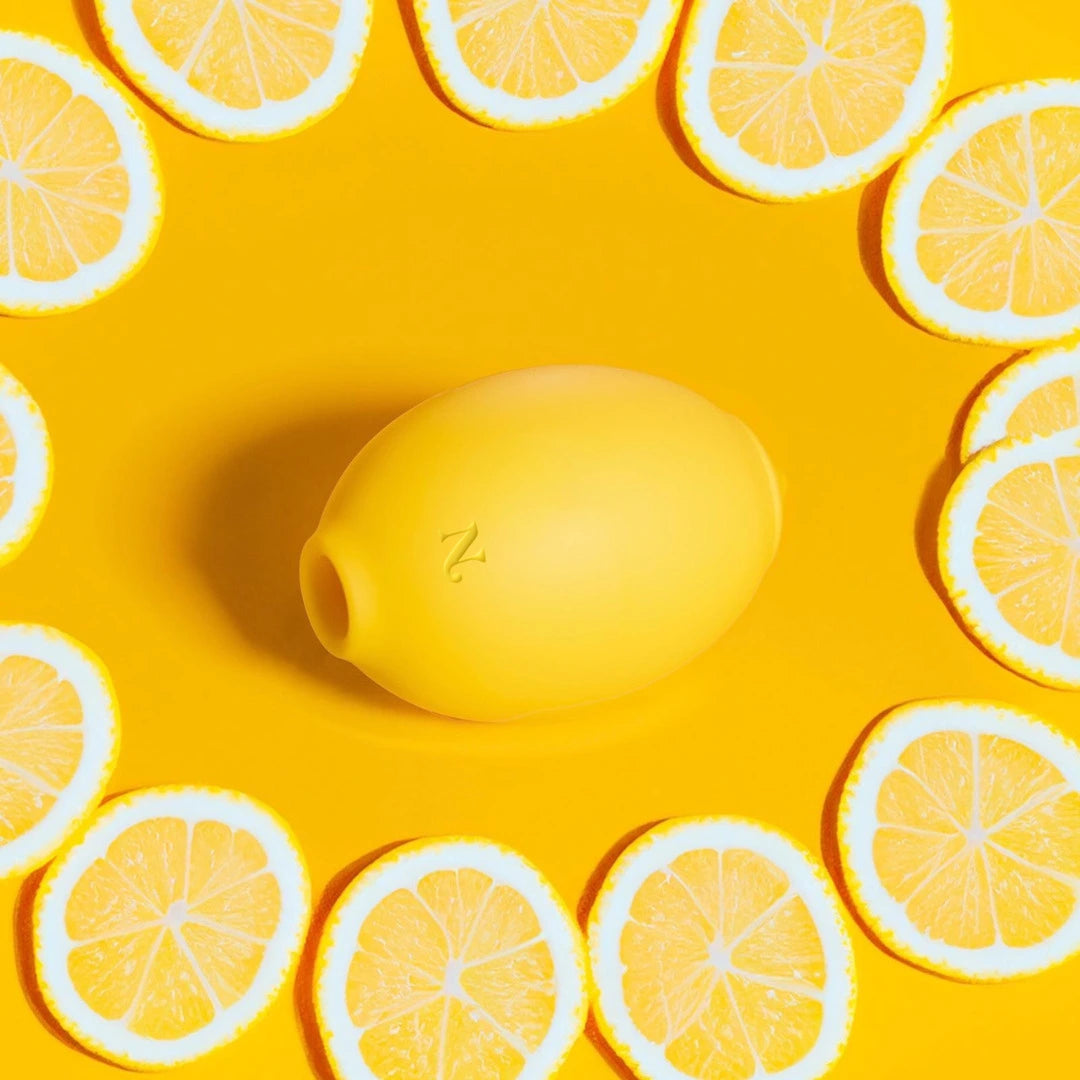
There's also the edging angle. Building arousal slowly before release actually amplifies the prolactin response, meaning the crash into sleep can be deeper and faster. If that's something you're drawn to explore, the Berri edging clitoral massager was built for exactly that kind of intentional, extended play.
Making It a Real Bedtime Ritual (Not Just a Habit)
Rituals work because your brain is a pattern-recognition machine.
When you do the same sequence of things before bed repeatedly, your nervous system starts to anticipate sleep before your head even hits the pillow. Masturbation can become a genuine anchor in that sequence. Same time. Same intention. Same low-stimulation environment. Your brain will begin associating arousal and orgasm with the transition to sleep, making the whole process faster and more reliable over time.
Pair it with dimmed lights, no screens for the twenty minutes before, and a comfortable temperature in the room. These aren't arbitrary recommendations. They work because your body reads environmental cues as powerfully as it reads hormonal ones. The ritual tells your system: this is the signal. Wind down. We're done for the day.
And honestly? That's a much kinder way to end a day than doomscrolling until your eyes give out.
Who This Actually Helps Most

This isn't a niche benefit for a specific type of person.
People with anxiety-driven insomnia tend to see the biggest impact, because the cortisol drop is most pronounced when baseline stress is high. But people with general sleep latency issues. meaning they take too long to fall asleep even without clinical anxiety. also report significant improvement. Postmenopausal people, who often experience disrupted sleep patterns due to hormonal shifts, may find orgasm-induced prolactin release especially helpful in compensating for some of what the body loses during that transition.
It also helps people who just feel "wired" at night despite being tired. If your body feels exhausted but your brain won't let go, the neurochemical reset from orgasm can bridge that gap. You can find more support for difficult-to-reach orgasms and related challenges over at the Hello Nancy blog post on anorgasmia and why orgasm sometimes feels out of reach. Because if the tool isn't working, it's worth understanding why.
A Few Things Worth Knowing Before You Start
Masturbation for sleep works best when it's intentional, not compulsive.
If you're using it as a way to genuinely relax, wonderful. If it becomes another anxious ritual you feel you have to complete in order to sleep, that's worth noticing. The goal is a relaxed body and a quieter mind. Approach it with the same gentle intention you'd bring to any other sleep hygiene practice. No pressure. No performance. Just you, your body, and the endgame of a really good night's rest.
For anyone exploring vibrators for women or other intimate toys as part of this practice, starting simple and low-stimulation is often more effective for sleep than anything intense. The body doesn't need to be overwhelmed. It just needs to be met.
And if you're in a partnered relationship and wondering about timing, consider that using a couples toy earlier in the evening and then having solo wind-down time closer to sleep might actually work better for both of you than trying to sync up your sleep schedules perfectly.
Your sleep. Your pleasure. Both deserve to be taken seriously.
Want to make your journey even more exciting? I've handpicked some amazing toys and goodies at Hello Nancy that'll add extra sparkle to your intimate moments. (Here's a little secret. use 'dirtytalk' for 10% off!)
Frequently Asked Questions
Does masturbating before bed actually help you fall asleep faster?
Yes, and the science is clear on why. Orgasm triggers a rise in oxytocin and prolactin while dropping cortisol, which shifts your nervous system from alert mode into rest mode. Research by Dr. Michele Lastella found that sexual activity before bed, including solo masturbation, was associated with faster sleep onset and better perceived sleep quality across genders.
What hormones are released after masturbation that help with sleep?
The main players are prolactin, oxytocin, and dopamine. Prolactin is directly tied to post-orgasm drowsiness. Oxytocin lowers heart rate and promotes calm. Dopamine spikes during arousal and then drops sharply after orgasm, pulling your nervous system into a relaxed, parasympathetic state. Cortisol, the stress hormone, also falls significantly following climax.
Is masturbating for sleep effective for people with insomnia?
It can be, particularly for anxiety-driven insomnia where elevated cortisol and a hyperactive nervous system are the main obstacles. Orgasm directly addresses both of those issues. It works best as part of a consistent pre-sleep ritual rather than a one-off solution.
Is masturbation for sleep better than melatonin or sleep supplements?
It's not necessarily "better," but it's free, has no side effects, and works through multiple pathways simultaneously. hormonal, neurological, and physical relaxation. Melatonin helps with circadian rhythm regulation but doesn't address stress or nervous system activation the way orgasm does. For many people, combining both or using masturbation alone is genuinely effective.
Does it matter whether you use a vibrator or your hands for sleep benefits?
Not really. The hormonal response is triggered by orgasm itself, not by how you get there. What matters more for sleep is keeping stimulation on the lower-intensity side so you're not over-stimulating your nervous system right before you want it to wind down. A gentle, quiet toy often works better than a powerful one in this specific context.
How long before bed should I masturbate to help with sleep?
Most people feel the drowsiness effect within 5 to 20 minutes after orgasm. Making it the last thing you do before turning the lights off tends to work better than doing it an hour beforehand. The prolactin window is relatively short, so keeping it close to your actual sleep time maximizes the benefit.
Can masturbation for sleep become unhealthy or compulsive?
Like any behavior, context matters. Using masturbation intentionally as a relaxation tool is healthy and backed by research. If it starts to feel like something you can't sleep without, or if it becomes anxious or compulsive rather than pleasurable, that's worth paying attention to. The goal is always a genuinely relaxed body, not a new source of pressure.
Does orgasm help with sleep differently for men and women?
Research so far suggests the core hormonal response is similar across genders. Dr. Lastella's study found no significant gender differences in sleep quality improvements following sexual activity. The prolactin and oxytocin release that drives the sleep effect happens in all bodies after orgasm, regardless of gender.

